
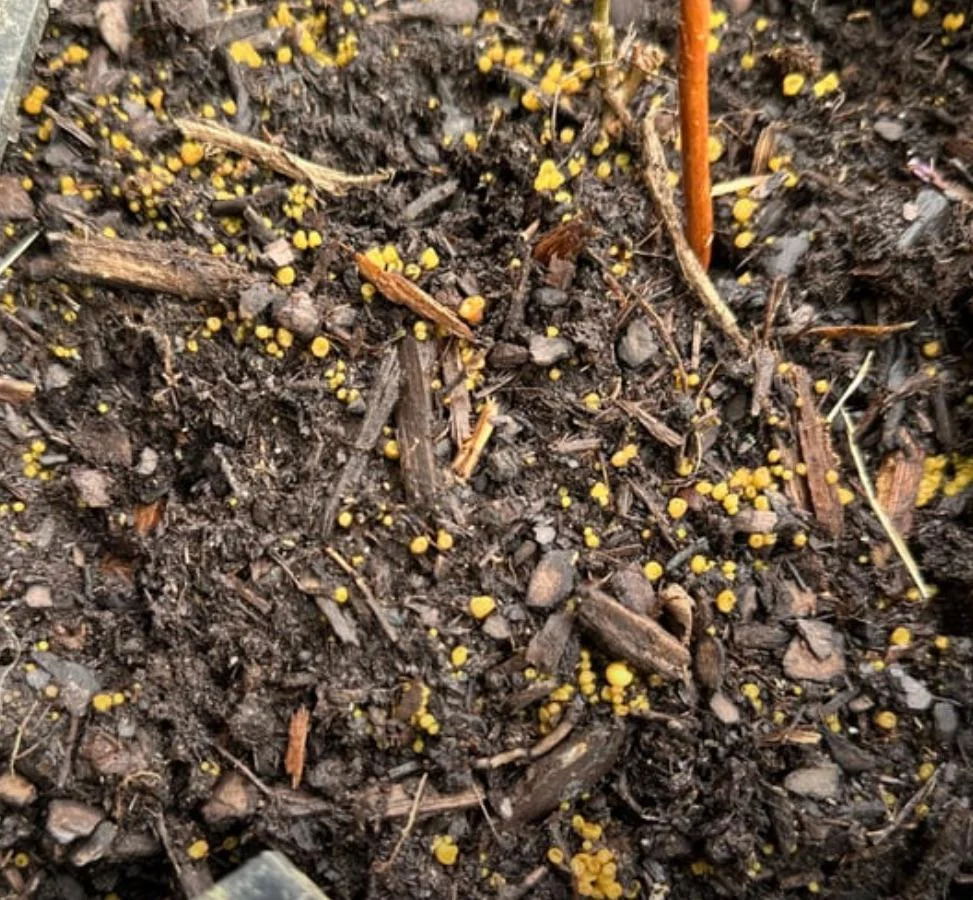
If you’ve found yellow or orange balls in your soil, those are likely harmless slow-release fertilizer particles, boosting your plant’s health and growth. These balls gradually release essential nutrients, promoting plant development without any harm. Understanding the benefits of slow-release fertilizers will highlight their positive impact on your soil and plants. By recognizing the harmless nature of these balls, you can rest assured that they’re working to your advantage. To ensure your plants thrive, it’s crucial to differentiate them from harmful factors and nurture your garden effectively. Further insights await on the role of slow-release fertilizers in enhancing plant vitality.
Causes of Yellow Balls in Soil
The presence of yellow balls in soil is primarily attributed to the incorporation of slow-release fertilizer pellets, such as Osmocote, for providing essential nutrients to plants. These fertilizer balls, often mistaken for insect eggs due to their color, have a distinctive hard and spherical shape. Unlike soft, elongated eggs, the yellow balls are designed for controlled nutrient release, ensuring the long-term health and growth of plants. The resin coating on Osmocote fertilizer balls allows for gradual dissolution with water absorption, providing a continuous and steady nourishment supply to the plants. Therefore, the appearance of yellow balls in soil should be seen as a positive sign of nutrient enrichment rather than a sign of pest infestation. Understanding the role of these slow-release fertilizer pellets is crucial for maintaining a healthy and thriving plant ecosystem in your garden or agricultural field.
Understanding Slow-Release Fertilizers
Slow-release fertilizers operate by slowly breaking down their resin-coated structure, releasing essential NPK nutrients over an extended period. This controlled nutrient release offers advantages such as reducing nutrient leaching and minimizing the frequency of fertilizer applications. Proper application techniques ensure optimal distribution and utilization of these fertilizer balls in the soil for sustained plant health and growth.
Fertilizer Release Mechanism
Utilizing resin-coated balls, slow-release fertilizers such as Osmocote employ a controlled mechanism for gradually dispensing essential nutrients crucial for plant development. These fertilizer balls are designed with a hard outer coating, encapsulating a balanced mix of nitrogen (N), phosphorus (P), and potassium (K) – the essential NPK nutrients required for plant nutrition. The controlled release mechanism of these slow-release fertilizers ensures a steady and continuous supply of nutrients to plants over an extended period.
The gradual dispensing process is initiated as the fertilizer balls dissolve slowly upon water absorption. Factors such as temperature and the potting environment influence the rate at which the balls dissolve, affecting the release of nutrients. By offering different formulations tailored to specific plant requirements, slow-release fertilizers provide a convenient and effective solution for promoting long-term plant health. This mechanism not only simplifies plant care but also maximizes the effectiveness of nutrient delivery for optimal growth.
Benefits of Slow-Release
Resin-coated balls in slow-release fertilizers like Osmocote offer a reliable method of dispensing essential plant nutrients gradually over an extended period, providing numerous benefits for plant health and growth. Slow-release fertilizers have distinct advantages:
- Consistent Nutrient Supply: These fertilizers release nutrients slowly and steadily, preventing sudden spikes or drops in nutrient availability for the plants.
- Reduced Application Frequency: Due to their prolonged release mechanism, slow-release fertilizers require less frequent application compared to traditional fertilizers.
- Nutrient Balance: The controlled release of key elements like nitrogen, phosphorus, and potassium in slow-release fertilizers helps maintain a balanced nutrient profile for optimal plant growth.
- Tailored Formulations: Different formulations of slow-release fertilizers cater to specific plant requirements, offering a customized approach to fertilizing different types of plants effectively.
Application Techniques
When applying slow-release fertilizers such as Osmocote, understanding the proper techniques is essential for maximizing nutrient availability to plants. Slow-release fertilizers like Osmocote contain fertilizer prills coated with resin, ensuring controlled and gradual nutrient release over an extended period. Proper application techniques can enhance the efficiency of these fertilizers, benefiting plant growth and overall health.
Below is a table summarizing key application techniques for slow-release fertilizers:
| Application Techniques | Description |
|---|---|
| Depth of Incorporation | Ensure fertilizer prills are buried at the recommended depth in the soil. |
| Even Distribution | Spread the fertilizer evenly across the soil surface for consistent nutrient release. |
| Watering After Application | Water the soil thoroughly after applying to activate nutrient release. |
| Avoiding Concentrated Piles | Prevent clumping of fertilizer prills to prevent nutrient burn in plants. |
Water-Holding Crystals in Soil
Water-holding crystals, also known as hydrogels, play a crucial role in maintaining soil moisture levels. These gel-like beads have the capability to absorb and retain water, releasing it gradually to support plant growth. Understanding their function, absorption rates, and proper application techniques is essential for maximizing their benefits in cultivating healthy plants.
Water Crystal Function
Water crystals, frequently utilized in soil, play a crucial role in maintaining optimal moisture levels for plant growth. These small, granular crystals function by absorbing and releasing water as required by the plants. Here are some key points highlighting the function of water crystals in soil:
- Moisture Retention: Water crystals help retain moisture in the soil, ensuring that plant roots have a steady supply of water even during dry periods.
- Water Absorption: These crystals have the ability to absorb water and swell up to 400 times their original size, effectively storing water for plants to access when needed.
- Reduced Watering Frequency: By using water-holding crystals in potted plants and garden beds, gardeners can reduce the frequency of watering, making plant care more convenient.
- Cautionary Note: It is important to avoid overusing water crystals as excessive hydration can lead to waterlogging in the soil, potentially causing root rot and harming plant health.
Absorption Rate Comparison
To understand the effectiveness of water-holding crystals in soil, comparing their absorption rates provides valuable insights into optimizing moisture levels for plant growth. Water-holding crystals have an impressive absorption rate, capable of absorbing water at a rate of 200-400 times their weight. This high absorption capacity enables them to retain moisture in the soil, reducing the frequency of watering needed for plants.
The absorption rate of water-holding crystals is influenced by factors such as their size and composition. Larger crystals, although absorbing water more slowly, have the advantage of holding a greater amount of moisture. This variability in absorption rates allows for flexibility in managing the moisture content of the soil based on the specific needs of the plants being grown.
Proper Application Techniques
Hydrogels play a vital role in enhancing soil moisture retention and plant resilience through their unique water-absorption properties. When utilizing water-holding crystals, proper application techniques are crucial for maximizing their benefits and preventing potential issues. To ensure optimal performance and plant health, follow these guidelines:
- Even Distribution: Yellow balls, representing water-holding crystals, should be uniformly mixed into the soil to promote consistent moisture levels throughout the planting area.
- Proper Hydration: Before incorporating the crystals into the soil, hydrate them adequately according to the manufacturer’s instructions to activate their water-absorption capabilities effectively.
- Avoid Overuse: While these crystals are beneficial for water retention, excessive amounts can lead to waterlogging, potentially causing root rot and other plant health problems.
- Monitor Moisture Levels: Regularly check the soil moisture to adjust watering schedules accordingly, ensuring that the crystals are helping maintain optimal conditions for plant growth without causing water-related issues. By adhering to these application techniques, you can harness the benefits of water-holding crystals while safeguarding your plants from potential risks.

Identifying Slime Molds
When identifying slime molds, carefully observe the brightly colored, gelatinous masses or powdery patches that may appear on soil or plant material. These single-celled organisms thrive in moist environments, feeding on bacteria, fungal spores, and organic matter. Despite their strange appearance, slime molds are not harmful to plants and are considered beneficial for decomposition. Slugs and snails may inadvertently spread slime molds as they move through gardens, aiding in the dispersal of these organisms.
To identify slime molds accurately, note their vibrant colors, ranging from yellow and orange to white or even pink. Their texture can vary from slimy and wet to powdery and dry, resembling something between a fungus and an amoeba. If you notice these peculiar growths in your garden, take the opportunity to learn more about soil ecology and the vital role these organisms play in breaking down organic matter.
Harmless Nature of Yellow Balls
Yellow or orange balls found in soil are typically slow-release fertilizer pellets, like Osmocote, designed to provide essential nutrients for plant growth. These fertilizer balls have a hard outer coating, are evenly distributed in the soil, and do not harm plants. They are dry, spherical, and vary in size, containing essential elements like Ammonium Nitrate and Calcium Phosphate. The slow-release mechanism of these fertilizer balls ensures a continuous nutrient supply, promoting long-term plant health and growth.
- Slow-release fertilizer pellets, such as Osmocote, are designed to provide essential nutrients for plants over an extended period.
- The hard outer coating of these pellets protects the nutrients inside and prevents them from leaching out too quickly.
- The even distribution of these fertilizer balls in the soil ensures that plants receive a consistent supply of nutrients for optimal growth.
- The use of slow-release fertilizers eliminates concerns about harmful insect eggs or pests, as these balls are specifically formulated to support plant growth without causing harm.
Differentiating Harmful Substances
Differentiating between harmful substances in soil can be effectively accomplished by observing the physical characteristics and distribution patterns of the materials present. When encountering yellow balls in the soil, it is crucial to distinguish between various substances that may pose risks to plant health. Fertilizer balls, characterized by their larger size, hardness, and spherical shape, are easily differentiated from soft, elongated insect eggs. Ant eggs, small and white, can be distinguished from the yellow or orange fertilizer balls present. Notably, slugs and snails do not typically lay eggs resembling the visible balls found in soil. The distribution pattern is also indicative, with insect eggs usually clustered and elongated, contrasting with the uniformly spread prills of slow-release fertilizers. Therefore, by carefully assessing the physical attributes and spatial arrangement of the yellow balls, one can accurately identify whether they stem from harmless sources like fertilizers or potentially harmful substances such as insect eggs.
Effects on Plant Health
Observing the effects of yellow or orange balls, typically slow-release fertilizer pellets, on plant health reveals their role in providing essential nutrients for sustained growth.
- Nutrient Supply: Yellow balls act as a slow-release fertilizer, providing essential nutrients to plants over an extended period.
- Continuous Dissolving: These balls dissolve gradually with water absorption, ensuring a continuous supply of nutrients to support plant growth.
- Long-Term Benefits: Designed to enhance plant health in the long run, the slow-release nature of the fertilizer balls aids in sustained growth.
- Residue Presence: While the outer shell of the fertilizer balls may take time to completely vanish, especially in indoor pots, it does not adversely affect plant health.
Removing Yellow Balls
To effectively eliminate yellow balls from the soil, employ a small spoon or tool for careful extraction. Begin by gently sifting through the soil to locate and remove all visible yellow balls. Take care to not damage the roots of the plant during this process. Once the yellow balls are visible, use the small spoon or tool to scoop them out one by one. Rinse the affected soil under running water to help dislodge and remove any remaining balls that may be stuck. After removing all the visible yellow balls, consider repotting the plant in fresh soil to ensure complete removal and prevent any potential reoccurrence. It is crucial to monitor the plant regularly to check for any signs of the yellow balls returning and take prompt preventive measures to safeguard the plant’s health and well-being.
Prevention Methods
Implementing proactive strategies can effectively prevent the occurrence of small yellow balls in soil, safeguarding plant health and vitality. To avoid confusion and maintain a healthy growing environment, consider the following preventive measures:
- Proper Watering: Allow the soil to dry between waterings to discourage the formation of yellow balls.
- Neem-Based Products: Use neem-based solutions to control fungus gnats, reducing the chances of mistaking their eggs for the yellow balls.
- Diatomaceous Earth: Incorporate diatomaceous earth to manage slug and snail infestations, preventing misidentification of pests as yellow balls.
- Monitor Nematode Presence: Regularly check for nematodes in the soil and address any infestations promptly to eliminate the possibility of confusing their eggs with the yellow balls.

Beneficial Aspects of Fertilizer Balls
Fertilizer balls offer a convenient method of supplying essential nutrients to your plants. The controlled release mechanism ensures a steady enrichment of the soil without the need for frequent applications. These dry, evenly distributed spheres are designed to cater to specific plant needs, promoting healthy growth over time.
Fertilizer Ball Nutrients
Within fertilizer balls such as Osmocote, essential NPK nutrients crucial for plant growth are encapsulated in a slow-release mechanism. This innovative design ensures a steady supply of nutrients to your plants over an extended period, promoting their health and vigor effectively.
Here are some key points regarding the beneficial aspects of fertilizer ball nutrients:
- Continuous Nutrient Supply: The slow-release mechanism in Osmocote fertilizer balls guarantees that plants receive a consistent flow of NPK nutrients, avoiding sudden nutrient spikes or deficiencies.
- Tailored Formulations: Different formulations of Osmocote cater to specific plant requirements, providing them with the precise nutrients needed for optimal growth and development.
- Long-Term Plant Health: Fertilizer balls contribute to the long-term health and vitality of plants by sustaining nutrient availability over an extended period.
- Protective Coating: The hard outer coating of fertilizer balls shields the enclosed nutrients, ensuring they are released gradually and do not harm the plants.
Soil Enrichment Benefits
Fertilizer balls play a crucial role in enhancing soil fertility by gradually releasing essential nutrients required for plant growth and development. These nutrients, including nitrogen, phosphorus, and potassium, are vital for the overall health and productivity of plants. By releasing these nutrients slowly, fertilizer balls ensure a continuous and balanced supply, promoting long-term plant growth. The hard outer coating of the balls also serves to prevent nutrient leaching and wastage, maximizing nutrient uptake by plants.
Furthermore, the availability of different formulations tailored to specific plant needs allows for customized nutrition, addressing the unique requirements of various plant species. This targeted approach not only optimizes plant health but also minimizes excess nutrient application, reducing the risk of environmental pollution. Additionally, the long-lasting nature of fertilizer balls, which can provide nutrients for over 8 years, makes them a cost-effective and efficient soil enrichment solution for sustained plant growth and development.
Easy Application Method
When considering the application method of fertilizer balls, their convenient size and controlled-release resin coating make them an efficient and user-friendly option for providing essential nutrients to plants.
- Simplicity: Fertilizer balls eliminate the need for measuring out granular or liquid fertilizers, offering a straightforward way to nourish your plants.
- Precision: The controlled-release resin coating ensures a steady supply of NPK nutrients, delivering the right amount to plants over an extended period.
- Versatility: Available in various sizes and formulations, fertilizer balls cater to different plant types and their specific nutrient requirements.
- Long-Term Benefits: The slow-release mechanism of fertilizer balls promotes sustained plant health and growth, reducing the frequency of application and ensuring a continuous nutrient supply.
Impact on Soil Composition
The presence of yellow or orange balls in soil indicates a potential impact on soil composition resulting from the use of slow-release fertilizer pellets. When these pellets are dispersed in old soil, they release essential nutrients gradually, promoting plant growth over an extended period. Despite their appearance, the balls do not typically harm the soil composition; instead, they contribute positively by providing a steady supply of nutrients to support plant health. Slow-release fertilizer pellets are designed to ensure that plants receive a consistent nutrient supply, aiding in maintaining soil fertility and supporting long-term plant growth. This method of nutrient delivery offers benefits for both the soil and the plants, as it helps create a conducive environment for healthy plant development. The impact on soil composition, therefore, is primarily beneficial, as the slow-release fertilizer balls work synergistically with the existing soil to enhance its nutrient content and support plant vitality.
Resolving Yellow Ball Concerns
Examining the presence of yellow or orange balls in soil can lead to a better understanding of how to address concerns regarding their impact on plant health and growth. These balls are typically slow-release fertilizer pellets, such as Osmocote, integrated into the potting soil to provide essential nutrients over an extended period. To resolve concerns about the yellow balls, consider the following:
- Identification: Confirm the identity of the balls by crushing one open. If it reveals a slow-release fertilizer like Osmocote, you can rest assured of its harmless nature.
- Nutrient Supply: Recognize that these balls serve as a valuable source of nutrients for your plants, aiding in their overall health and growth.
- Water Dissolution: Understand that the fertilizer balls dissolve gradually with water absorption, ensuring a steady release of nutrients to your potted plants.
- Maintenance: Embrace the presence of these balls as a beneficial addition to your potting soil, contributing to the well-being of your plants without posing any threat.
Conclusion and Recommendations
Considering the characteristics of yellow or orange balls in soil, an informed conclusion can be drawn to guide future practices. The presence of slow-release fertilizer prills, such as Osmocote, in potting mixes indicates a beneficial source of essential nutrients for plant growth. These fertilizer prills are typically hard, spherical, and uniformly distributed throughout the soil, unlike soft, elongated insect eggs that are clustered in specific areas. By understanding these distinctions, you can confidently differentiate between harmless fertilizer prills and potential pests or issues in potted plants. Moving forward, recognizing the uniform distribution of fertilizer prills will help ensure plant health and growth by debunking any concerns related to insect infestations. Therefore, when encountering yellow or orange balls in soil, you are going to go ahead with the knowledge that they are most likely slow-release fertilizer prills and not harmful insect eggs, allowing you to focus on nurturing your plants effectively.