
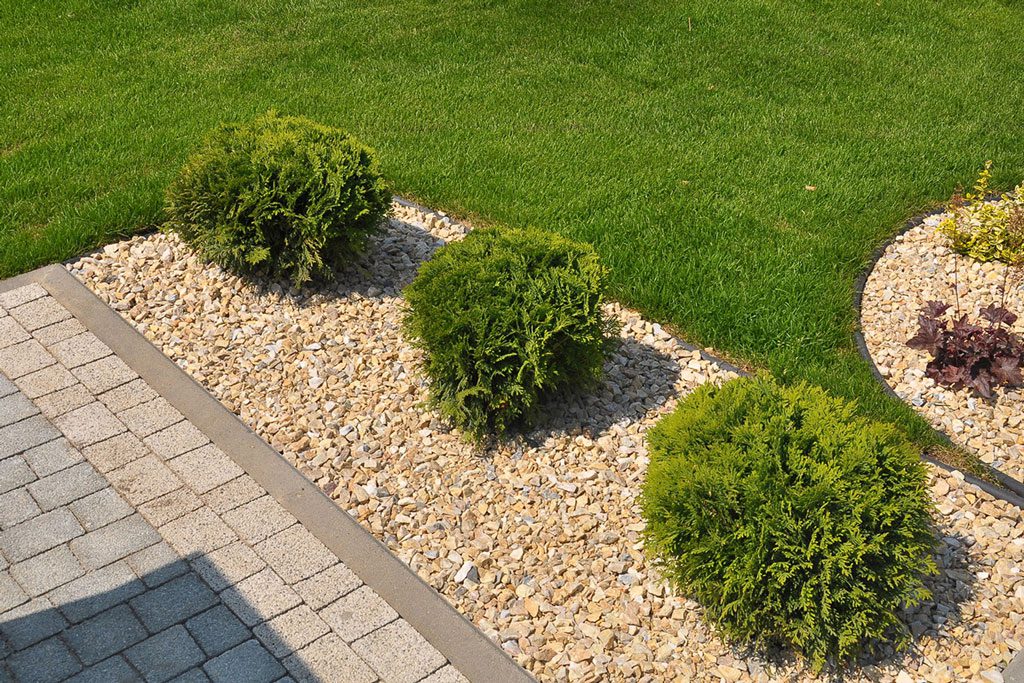
Boost your landscaping with crushed concrete mulch, providing stability for roots, moisture retention, weed control, and earthy aesthetics. It’s a cost-efficient and eco-friendly option. Remember, it shields against soil erosion and fire risks, but watch out for potential soil compaction hurdles. Ensure proper application depth and note plant compatibility for optimal results. Make an educated decision for your landscaping goals.
Pros of Using Crushed Concrete as Mulch
Crushed concrete mulch offers numerous advantages when used in landscaping projects. The benefits of using this type of mulch are particularly evident in plant growth within planting beds. By incorporating crushed concrete mulch, you provide a stable environment for plant roots to thrive. The mulch helps maintain soil moisture, creating an ideal setting for plants to absorb water and nutrients effectively. In addition, the mulch acts as a protective barrier against weeds, ensuring that your plants are not competing for resources with unwanted vegetation.
Moreover, the polished look that crushed concrete mulch provides to planting beds enhances the overall aesthetic of your landscape. This type of mulch is not only visually appealing but also fireproof, adding an extra layer of safety to your outdoor space. Furthermore, by using recycled concrete for mulching, you are opting for a cost-effective and sustainable landscaping solution. Overall, the benefits of using crushed concrete mulch extend beyond aesthetics, contributing to healthier plant growth and improved soil quality in your planting beds.
Cons of Using Crushed Concrete as Mulch
When considering the use of crushed concrete as mulch in your landscaping, it’s important to be aware of the potential drawbacks that come with this choice. While crushed concrete can offer durability and a unique look, there are several cons to take into account before incorporating it into your garden. Here are some key considerations:
| Cons of Crushed Concrete Mulch | |
|---|---|
| 1. Soil Compaction | Limiting root growth and water absorption. |
| 2. Weed Growth | May not effectively prevent weeds, requiring additional control methods. |
| 3. Landscaping Fabric | Might need to be used to contain the mulch. |
| 4. Nutrient Deficiency | Lacks the enriching properties found in organic mulches. |
Using crushed concrete as mulch may lead to soil compaction, hinder weed control efforts, require additional materials like landscaping fabric, and lack the nutrients essential for soil health. Additionally, its weight and density can alter soil pH levels, impacting the growth of delicate plants. Consider these drawbacks alongside the benefits before deciding if crushed concrete mulch is the right choice for your landscaping needs.
Moisture Retention Benefits
Enhancing soil moisture retention, crushed concrete mulch acts as a protective barrier against evaporation. By forming a layer over the soil, this mulch helps trap moisture, reducing the need for frequent watering and promoting water conservation. This benefit is especially valuable in dry climates where water is scarce. The moisture retention provided by crushed concrete mulch not only prevents water runoff but also facilitates better absorption by plant roots, supporting root health and overall plant growth. Additionally, the stability it brings to the soil creates an environment that is conducive to plant development. With crushed concrete mulch, you can create a sustainable and nurturing space for your plants to thrive, ensuring that they receive the moisture and stability necessary for healthy growth. So, consider using crushed concrete mulch to enhance moisture retention, promote soil stability, and foster robust plant growth in your garden.
Weed Suppression Effects
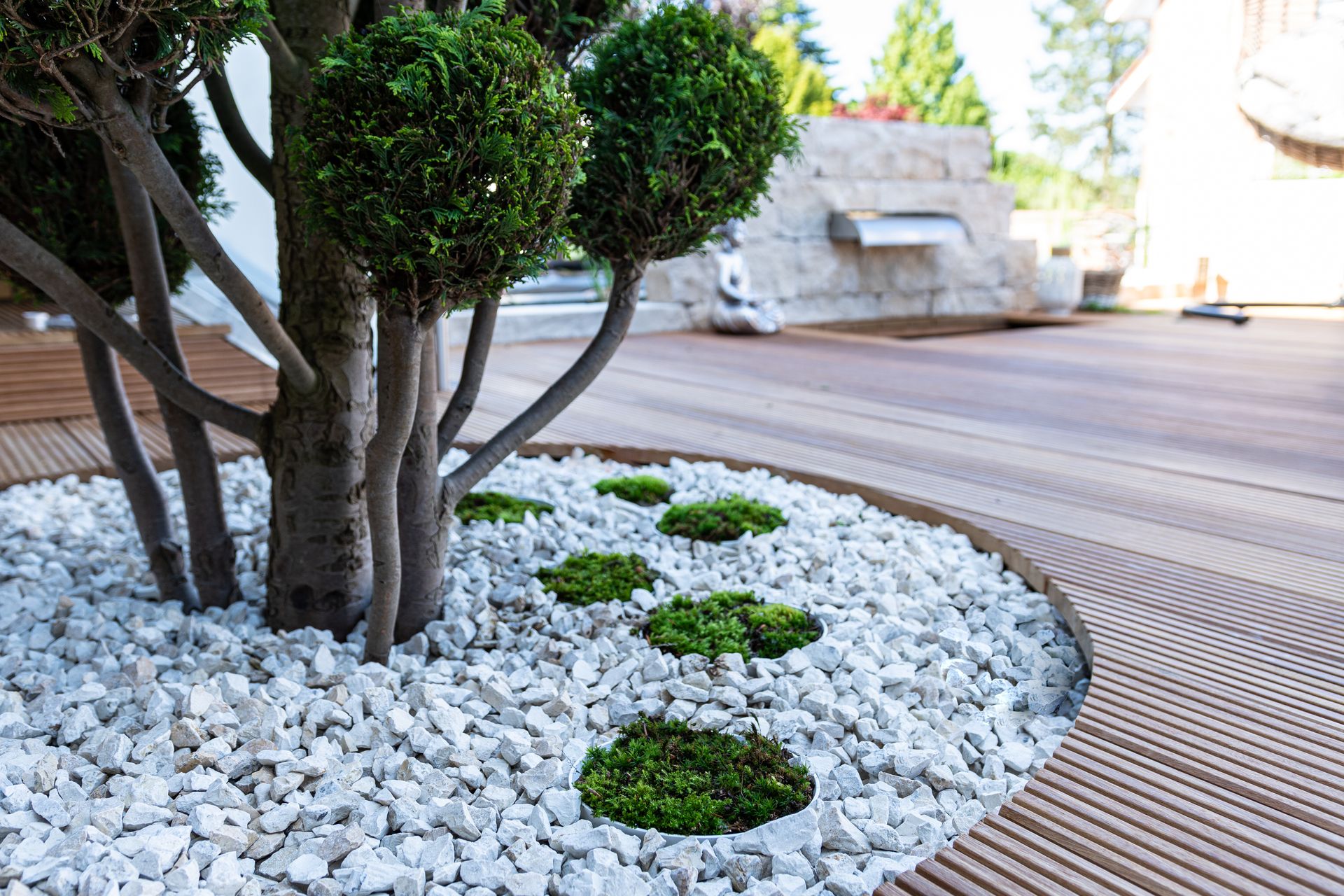
To effectively maintain weed-free planting beds and landscaping areas, consider the impressive weed suppression effects of concrete mulch. Concrete mulch acts as a formidable barrier against weed growth due to its weight and density, inhibiting weed germination and establishment. Unlike organic mulches that decompose over time, concrete mulch remains intact, providing long-lasting weed management benefits. By opting for concrete mulch, you can reduce the need for frequent weeding, minimizing maintenance efforts while keeping your outdoor spaces tidy.
The use of concrete mulch not only aids in weed suppression but also contributes to improved soil health. With fewer weeds competing for resources, plants can thrive better, promoting healthier growth and root development. Additionally, the thickness of the concrete mulch layer plays a crucial role in water retention, ensuring that plants receive adequate moisture for optimal growth. This dual benefit of weed control and soil health makes concrete mulch a practical and efficient choice for maintaining landscaped areas.
Polished Appearance in Landscaping
When you choose crushed concrete mulch for your landscaping, you’re opting for a sleek and polished look that elevates the overall aesthetics of your outdoor space. This low-maintenance option not only enhances the visual appeal of your planting beds but also reduces the time and effort needed to keep them looking pristine. By opting for crushed concrete mulch, you’re investing in a cost-effective solution that provides long-lasting beauty without sacrificing on curb appeal.
Enhanced Landscape Aesthetics
Achieve a sleek and refined look in your landscaping with crushed concrete mulch, providing a polished finish to your outdoor spaces. When choosing crushed concrete mulch, you have various color options to match your existing landscape design. Whether you prefer a classic gray tone or a more earthy brown shade, there are custom blends available to suit your aesthetic preferences. The visual impact of using crushed concrete mulch is undeniable, as it creates a clean and uniform appearance in planting beds and outdoor areas. This polished look not only enhances the overall aesthetics of your garden but also adds a touch of sophistication to your outdoor space.
Low Maintenance Option
Enhance your landscaping with a low-maintenance, polished appearance using crushed concrete mulch. This option not only adds a touch of elegance to your outdoor space but also provides several landscaping benefits. The durability of crushed concrete mulch ensures that your garden maintains its aesthetic appeal for an extended period. Not only does it require minimal upkeep, but it also contributes to water conservation by helping retain soil moisture and reducing the frequency of plant irrigation. Additionally, this mulch aids in soil health by suppressing weeds and promoting nutrient accumulation in the soil. While considering the environmental impact, crushed concrete mulch is a cost-effective and fireproof alternative that can enhance drainage and regulate temperature in your landscaping. Despite the potential issue of soil compaction, this low-maintenance option is particularly suitable for larger plants, driveways, and flower beds, offering a practical and visually pleasing solution for your outdoor space.
Cost-Effectiveness of Concrete Mulch
Using crushed concrete as mulch can offer a cost-effective solution for your landscaping needs, particularly when considering the long-term benefits it provides. From an environmental impact perspective, concrete mulch stands out as a sustainable choice, especially when using recycled materials. When conducting a cost analysis, it becomes evident that concrete mulch is not only affordable initially but also proves to be a long-lasting investment due to its durability. Additionally, concrete mulch aids in water conservation by reducing the frequency of plant irrigation, which can lead to significant savings on water costs over time. By suppressing weed growth, concrete mulch also minimizes the need for herbicides, further adding to its cost-effectiveness. Overall, the combination of environmental benefits, cost savings, and water conservation makes concrete mulch a practical and economical choice for your landscaping endeavors.
Fireproof Properties of Concrete Mulch
Concrete mulch’s fireproof properties make it a secure and durable choice for landscaping in fire-prone areas. When considering fire safety in gardens, using concrete mulch offers significant benefits. Its fire-resistant nature acts as a protective barrier, safeguarding plants and impeding the spread of wildfires. Unlike organic mulches, concrete mulch does not ignite, providing added peace of mind for homeowners in regions with high fire risk.
Integrating concrete mulch into your landscaping design can enhance the fire resistance of your outdoor space. By choosing this material, you are making a practical decision to create a fire-resistant landscape. Concrete mulch not only adds aesthetic appeal but also serves as an effective measure against potential fire hazards. With its ability to withstand high temperatures without catching fire, concrete mulch is a reliable option for ensuring fire safety in your garden. Make the smart choice for fire-resistant landscaping by opting for durable and secure concrete mulch.
Erosion Prevention With Concrete Mulch
Ready to fortify your landscaping against erosion? Concrete mulch not only acts as a shield, preventing soil loss and maintaining stability, but its weight and density make it ideal for erosion-prone areas like slopes and garden beds. By regulating moisture levels and offering long-lasting protection, concrete mulch proves to be a durable solution for maintaining the integrity of your outdoor space.
Erosion Control Benefits
To effectively combat soil erosion and enhance landscape stability, consider the invaluable benefits of utilizing crushed concrete as mulch. Concrete mulch acts as a protective shield, effectively reducing water runoff and preventing soil erosion on sloped areas and landscaping beds. Its weight and density make it particularly well-suited for areas prone to erosion, providing a robust barrier against the forces of nature.
Long-Term Soil Protection
Enhancing long-term soil protection with the use of concrete mulch involves creating a resilient barrier against erosion, safeguarding the integrity of your landscape for years to come. Concrete mulch offers significant benefits when it comes to soil stability, providing a sturdy shield against the forces of nature that can erode your land. Here’s a breakdown of how concrete mulch contributes to long-term soil protection:
| Soil Stability | Longevity Benefits | Environmental Impact |
|---|---|---|
| Prevents erosion by forming a protective barrier | Durable and long-lasting solution for erosion control | Reduces environmental harm by preventing soil runoff |
| Maintains soil structure over time | Resistant to weathering and degradation | Helps in maintaining a healthy ecosystem |
| Effective in sloped areas prone to erosion | Requires minimal maintenance over the years | Sustainable option for landscaping |
| Contributes to overall soil health | Enhances the longevity of your landscape design | Minimizes soil disturbance and compaction |
Potential Soil Compaction Issues
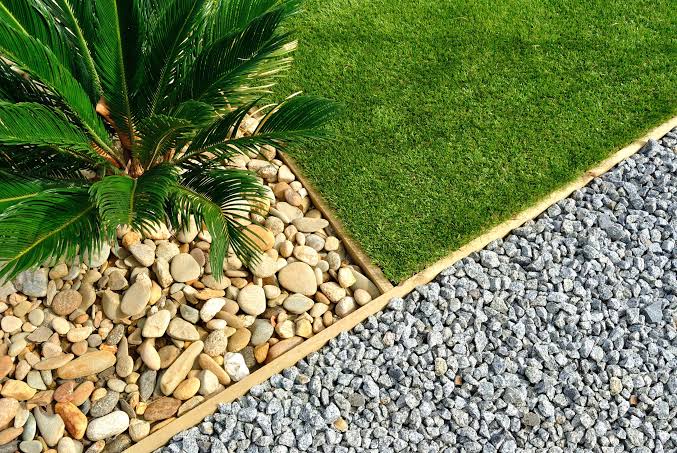
Soil compaction issues can arise when using crushed concrete as mulch, potentially impacting the health of your plants. When concrete mulch compresses the soil, it reduces soil aeration, restricting the movement of water and air essential for root health. Compacted soil diminishes the ability of roots to grow freely and access necessary nutrients, ultimately affecting the overall well-being of your plants. Additionally, soil compaction caused by concrete mulch can disrupt the habitat of beneficial soil organisms and microorganisms vital for soil health.
To combat potential soil compaction problems, it is crucial to prioritize soil aeration. Before applying concrete mulch, ensure the soil is properly aerated to mitigate compaction issues. Regularly monitor soil moisture levels and incorporate organic matter to help alleviate compaction concerns and maintain a healthy soil environment for your plants. By taking these proactive steps, you can safeguard against the negative impacts of soil compaction when using crushed concrete as mulch.
Need for Additional Mulch Barriers
You might wonder why adding extra barriers to your concrete mulch is crucial. Mulch barriers, like landscaping fabric, are vital to prevent weed growth and debris accumulation, ensuring healthy plant development. Consider using materials such as durable fabric and proper installation techniques to maximize the benefits of your concrete mulch while keeping your garden thriving.
Mulch Barrier Importance
When considering the need for additional mulch barriers, concrete mulch stands out for its unique properties that negate the necessity for traditional barrier materials. Concrete mulch not only aids in maintaining soil health by preventing weed growth and retaining moisture but also promotes effective root growth due to its weight and density. Unlike organic mulches that require additional landscaping fabric for containment, the weight of concrete mulch serves as its own barrier, keeping it securely in place even during heavy rain or strong winds. Additionally, the waterproofing benefits of concrete mulch contribute to enhancing landscape design by providing a clean and structured appearance without the need for extra barriers. In areas where traditional mulch barriers may be impractical or unnecessary, concrete mulch proves to be a versatile and efficient alternative that simplifies maintenance and promotes healthy plant growth.
Materials for Barriers
Consider incorporating sturdy landscaping fabric or similar materials as additional barriers when using concrete mulch to enhance its effectiveness in weed prevention and maintenance. These barriers play a crucial role in enhancing barrier effectiveness by preventing weed growth and protecting the soil underneath. By using mulch barriers with concrete, you can effectively trap debris and prevent soil compaction, ensuring optimal soil protection.
In addition to enhancing weed prevention, these barriers can also help maintain soil health by providing an extra layer of protection against external elements. The lack of nutrients in concrete mulch may require supplemental fertilization for plant health, making it even more critical to protect the soil. Furthermore, the impact of concrete mulch on soil pH can affect sensitive plant species, making the use of additional barriers even more beneficial.
Installation Tips
Enhancing the stability of your crushed concrete mulch installation can be achieved by incorporating additional mulch barriers to prevent shifting and maintain a cohesive appearance in your landscaping. Utilizing edging techniques and containment methods is crucial to ensure that your crushed concrete remains in place and doesn’t spread beyond desired boundaries. Mulch bed borders play a vital role in defining the area where the crushed concrete is used, creating a neat and organized look for your landscaping. When considering installation strategies, it’s essential to secure the landscaping boundaries with effective crushed concrete containment solutions such as landscape fabric or metal edging. These materials act as barriers, keeping the mulch in place and preventing it from washing away or dispersing unevenly. By implementing proper containment methods and ensuring that the edges of the mulch bed are well-defined, you can maintain the integrity and aesthetics of your crushed concrete mulch over time.
Nutrient Comparison to Organic Mulches
Organic mulches outshine crushed concrete when it comes to providing essential nutrients for soil health. Nutrient deficiency is a significant concern when using crushed concrete mulch, as it lacks the enriching properties of organic options. Soil fertility comparison clearly shows the superiority of organic mulches in promoting plant growth and overall soil health.
The impact on plant growth can be substantial when opting for organic mulches that decompose over time, releasing valuable nutrients into the soil. Unlike crushed concrete, organic mulches contribute to enhancing soil fertility, creating a more hospitable environment for plants to thrive. Considering the long-term benefits for your garden or landscaping project, organic mulches are the preferred choice to ensure the health and vitality of your plants.
Making an Informed Mulch Decision
When deciding on mulch options for your landscaping project, weighing the pros and cons of using crushed concrete is crucial for making an informed decision. Consider the environmental impact of using crushed concrete as mulch. Concrete mulch made from recycled materials is an eco-friendly choice, reducing waste in landfills and promoting sustainability.
Understanding the proper application techniques is essential. Ensure proper depth and coverage to maximize the benefits of concrete mulch. Additionally, consider plant compatibility when using crushed concrete. While it works well for most plants, some may prefer more organic options.