
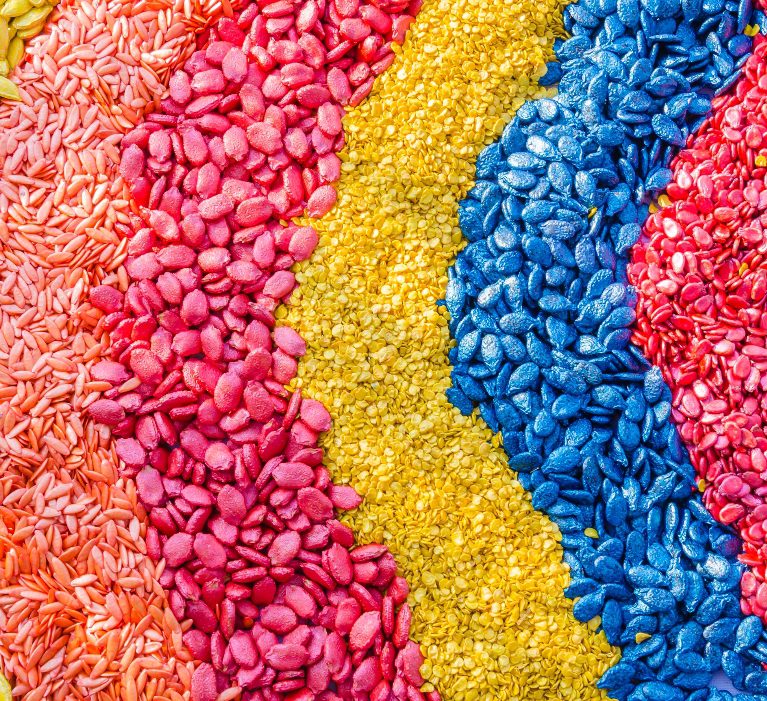
Colored coatings on seeds serve a vital purpose, aiding in swift identification of seed varieties and treatments. They play a critical role in ensuring precise planting and optimizing the benefits of protective measures against pests and diseases. Specific colors act as visual cues, facilitating quick and accurate identification during planting. For instance, the pink color on seeds signifies the application of protective fungicides and insecticides, safeguarding seeds from harmful pathogens and pests. Understanding the significance of colored seed coatings can lead to better crop establishment and increased yield potential. Explore further to uncover the full scope of benefits.
Importance of Colored Seed Coatings
Highlighting the significance of colored seed coatings lies in their ability to swiftly convey vital information about seed treatments and genetic attributes. The distinct colors applied to seed coatings act as a visual code, providing immediate insight into the type of protection or specific genetic traits present in the seed. This color-coding system enables quick and accurate identification during planting, enhancing efficiency in seed management. By simply looking at the bright hues of the seed coatings, farmers and seed handlers can easily differentiate between different seed varieties or treatments, streamlining the planting process. Furthermore, the use of colored seed coatings plays a crucial role in ensuring that treated seeds are planted correctly, maximizing the benefits of the treatments applied. Overall, the strategic application of colors on seed coatings serves as a practical and efficient method for communicating essential information to those involved in the planting and management of seeds.
Seed Treatments for Protection
Colored seed coatings play a crucial role in conveying information about seed treatments and genetic attributes, particularly in the context of seed treatments for protection against insects, diseases, bacteria, and fungus. Seed treatments are essential practices aimed at safeguarding seeds from various threats like pests and diseases. These treatments are applied to both genetically engineered and conventional seeds to ensure successful germination and healthy plant development. They encompass a range of protective measures such as fungicides, insecticides, and tailored protection methods tailored to specific needs. By implementing seed treatments, farmers can enhance the resilience of their crops and promote better yields. The primary goal of seed treatments is to establish a robust foundation for plant growth by safeguarding seeds during their vulnerable early stages. Customized seed treatments can be tailored to address specific challenges faced in different environments, offering a targeted approach to crop protection. By investing in seed treatments, farmers can secure their agricultural investments and contribute to sustainable farming practices.
Significance of Pink Seed Color
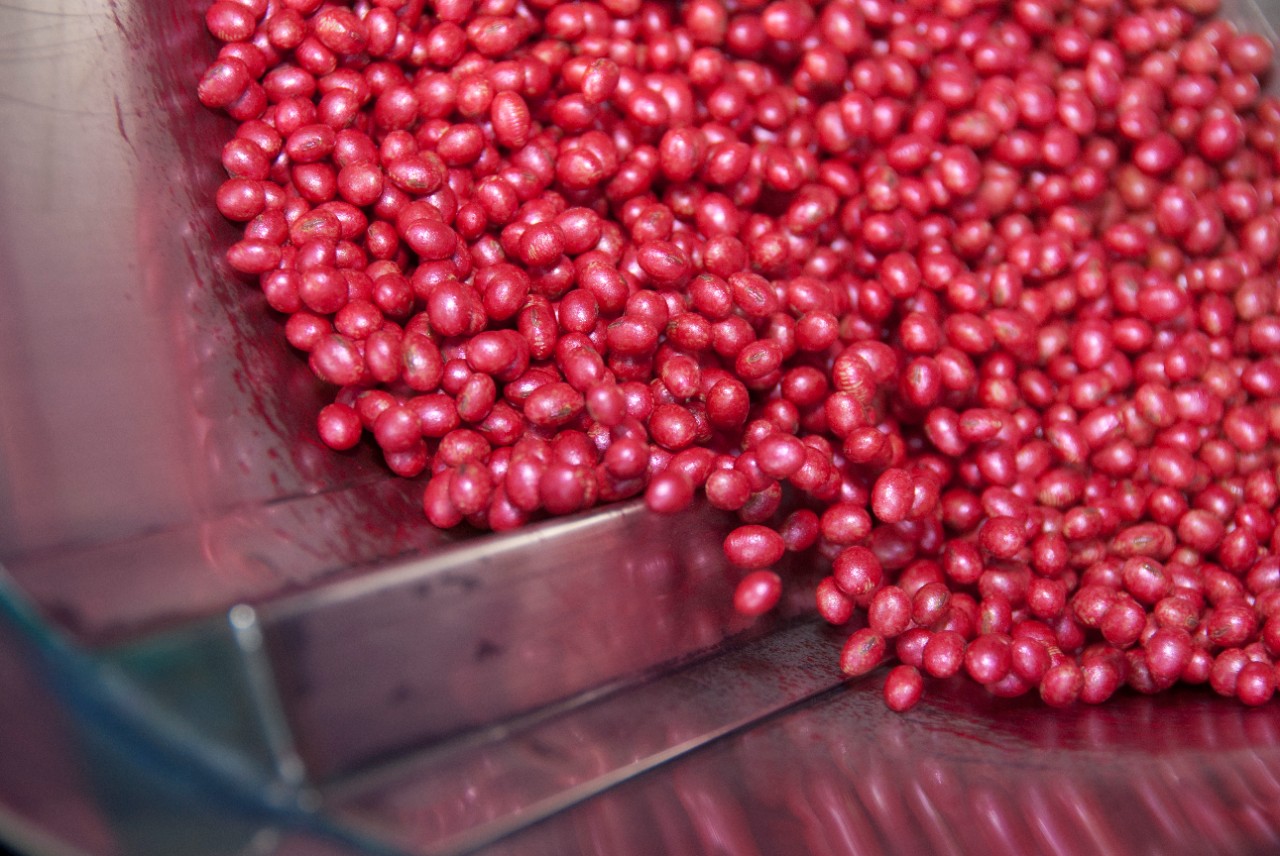
The pink coloration of soybean seeds signifies the application of protective fungicides and insecticides. This pink coating plays a crucial role in safeguarding the seed from harmful pathogens and pests, ultimately protecting its viability. By treating the seeds with fungicides and insecticides, the pink color acts as a visual indicator for farmers, ensuring they can easily distinguish treated seeds. This protective layer not only shields the seed from diseases like phytophthora but also enhances the germination process, leading to successful crop establishment. Treated seeds are better equipped to withstand environmental stressors, providing them with a higher chance of developing into healthy plants. Importantly, despite the pink hue, the final appearance and quality of harvested soybeans remain unaffected. Therefore, the significance of the pink seed color goes beyond aesthetics, serving as a practical and effective method to protect the seed and optimize crop yields.
Role in Crop Establishment
Seed color coding plays a significant role in optimizing crop establishment by facilitating tailored planting practices and ensuring uniform application of treatments for enhanced protection against pests and diseases. The colored coatings on seeds enable quick identification of specific seed treatments, allowing farmers to differentiate between various treated seeds with ease. This distinction is crucial for implementing customized planting strategies based on the specific needs of different seed varieties. By promoting consistent application of treatments, colored seed coatings contribute to uniform protection against pests and diseases, ultimately leading to improved crop establishment. Moreover, the use of seed color coding assists in monitoring seed performance throughout the planting process, enabling farmers to assess the effectiveness of treatments and make informed decisions regarding crop management. Overall, colored coatings on seeds play a vital role in enhancing crop establishment by providing targeted protection and ensuring the successful implementation of planting strategies tailored to each seed’s requirements.
Impact on Yield Potential
How do colored coatings on seeds influence the overall yield potential of crops? Colored coatings are pivotal in enhancing yield potential by safeguarding seeds against diseases, pests, and environmental stressors. These coatings act as a protective shield, ensuring that the seeds germinate and develop into healthy plants capable of achieving their maximum productivity. By fortifying seeds with treatments, the plants are better equipped to withstand adverse conditions, ultimately optimizing their yield potential. The colored coatings play a significant role in preserving the genetic potential of the seeds, allowing them to thrive and produce bountiful harvests. Through this mechanism, colored coatings contribute to maintaining and improving yield potential in agriculture, leading to more robust and resilient crops. Overall, the impact of colored coatings on seeds extends beyond mere protection; it directly influences the yield potential of crops, enabling farmers to cultivate healthier plants and increase productivity sustainably.