
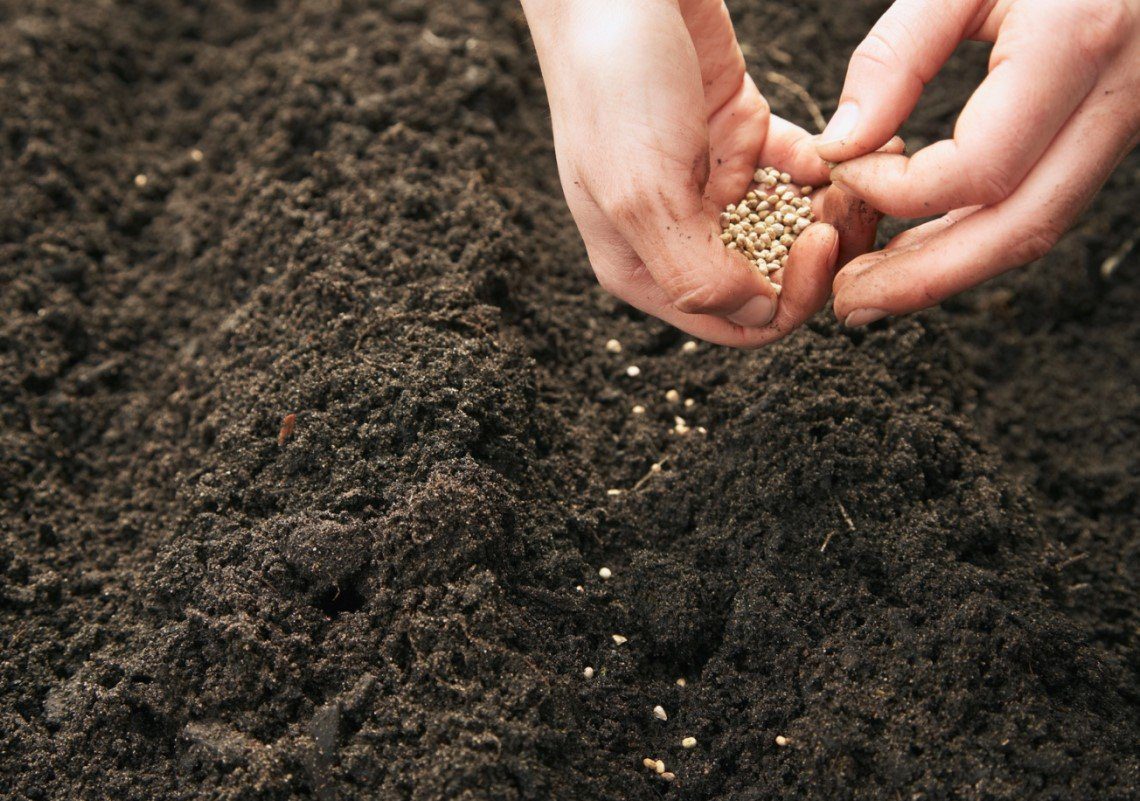
You can plant fresh seeds successfully with proper preparation. Ensure higher germination rates by rinsing, fermenting, and drying seeds. Understand the benefits of fresh seeds for better plant development. Choose the right varieties for your climate and soil. Learn the importance of timing in harvesting healthy seeds. Follow seed preparation techniques for best results. Maintain ideal moisture levels and temperatures for germination. Troubleshoot common issues to ensure healthy plant growth. Tips for maximizing your pepper growth with organic and sustainable practices. Master seed prep techniques to grow vibrant, healthy plants.
Benefits of Fresh Seeds
Fresh seeds offer a higher likelihood of successful germination when compared to older seeds. The freshness of seeds significantly impacts their ability to sprout and develop into healthy plants. Certain fruits like tomatoes, peppers, and melons produce viable seeds suitable for planting.
It’s crucial to understand that fresh seeds may lead to plants with different characteristics than their parent plants. However, fruit trees such as apples, pears, peaches, and cherries may not grow true from seed, making it essential to consider other propagation methods for these species.
When considering planting fresh seeds, it’s important to note that market-bought fruits and vegetables can sometimes be sterile or treated with chemicals that may affect seed viability. Therefore, sourcing seeds from reliable sources or saving seeds from home-grown produce can increase the chances of successful germination and healthy plant development.
Selecting Suitable Varieties
When selecting suitable varieties for your garden, it’s crucial to consider factors like climate, soil conditions, and your personal preferences. Certain varieties are better adapted to specific regions and growing conditions, so it’s essential to choose wisely.
Taking into account characteristics such as taste preference, fruit size, and disease resistance can help you make informed decisions about the varieties to plant.
Variety Selection Tips
Consider your growing conditions and culinary preferences to choose the most suitable pepper varieties for successful seed planting. When selecting pepper varieties for seed planting, take into account the climate of your region and the flavor profile you enjoy.
For instance, if you live in a hot climate, consider heat-tolerant varieties like Habanero or Scotch Bonnet peppers. Conversely, if you prefer milder flavors, opt for bell peppers or sweet banana peppers.
Ensure successful germination by harvesting seeds from fully ripe and healthy peppers. After extraction, clean the seeds by rinsing them in warm water to remove any pulp before drying and planting. While optional, fermenting the seeds can enhance germination rates and overall seedling health.
Transplant seedlings with true leaves into larger containers to promote healthy growth and development. By carefully selecting pepper varieties that suit your growing conditions and taste preferences, you increase the likelihood of a successful seed planting experience.
Seed Viability Check
To ensure successful seed viability check, prioritize selecting suitable pepper varieties that align with your growing conditions and taste preferences. When selecting seeds for viability testing, opt for varieties that have been freshly harvested from mature plants. It’s essential that these seeds have fully ripened or dried on the plant before collection.
Some seeds may require a hardening period to allow for the development of a protective coating, ensuring better germination rates. Remember that different pepper varieties have varying germination requirements, so understanding the specific needs of each type is crucial for optimal growth.
Harvesting Healthy Seeds
Harvesting healthy seeds involves carefully collecting mature seeds from plants before they fully dry out. It’s crucial to separate the seeds from their parent plant and allow them to ripen or dry beyond their normal harvesting stage. Once the seeds are ready, proper preparation is key. This includes removing any pulp, soaking, drying, and giving time for the protective coat to harden.
To harvest seeds, flowers and seed pods can be dried in a paper bag. Once dried, you can vigorously separate the seeds for planting. Remember, understanding the specific germination requirements of each plant is essential for successful seed harvesting and planting.
Rinsing Seeds Properly
When preparing seeds for planting, rinsing them properly is crucial. This step helps eliminate any potential obstacles to germination, such as pulp and debris.
Using warm water for rinsing can prevent harm to the seeds and ensure only clean, viable ones are sown.
Seed Cleaning Techniques
For optimal germination and to prevent mold and disease, ensure you rinse seeds in warm water to remove pulp and debris. Cleaning seeds is a crucial step in seed preparation to ensure healthy plant growth. Different seeds may require specific rinsing techniques to effectively remove any unwanted materials.
After rinsing, it’s essential to thoroughly dry the seeds to prevent rot and encourage successful germination.
When cleaning seeds, start by placing them in a fine-mesh sieve or strainer. Gently rinse the seeds under running warm water, using your fingers to help remove any remaining pulp or debris. Be careful not to damage the seeds during this process.
Once the seeds are clean, spread them out on a paper towel in a single layer. Allow them to air dry completely before storing or planting them.
Importance of Rinsing
To ensure successful germination and healthy plant growth, rinsing seeds properly is a fundamental step in seed preparation. This process eliminates pulp, residue, and potential inhibitors that may impede growth. When rinsing seeds, it’s crucial to use warm water to avoid causing damage.
By rinsing seeds, you remove any surrounding pulp and residue, particularly beneficial for seeds from fruits like tomatoes. This ensures that the seeds are clean and ready for optimal growth conditions. Proper rinsing is essential to promote successful germination and support healthy plant development.
By removing inhibitors and unwanted materials, seeds are better prepared to germinate and establish themselves in the soil. Incorporating rinsing into your seed preparation routine sets the foundation for robust plant growth, allowing seeds to thrive without obstacles that might hinder their progress.
Remember that this simple yet vital step can significantly impact the success of your planting endeavors.
Seed Moisture Considerations
Properly rinsing seeds is crucial to maintaining ideal seed moisture levels for successful germination and healthy plant growth. When considering seed moisture, the seed coat plays a vital role in protecting the seed embryo and regulating water intake.
Here are some key considerations for rinsing seeds effectively:
- Remove Inhibitors: Rinsing seeds helps eliminate substances like pulp and inhibitors that may impede germination by blocking water and oxygen from reaching the embryo within the seed coat.
- Prevent Mold Growth: Proper rinsing removes organic matter that can promote mold growth, safeguarding seeds against fungal infections that could hamper germination.
- Optimize Moisture Content: Moisture content directly impacts germination rates; rinsing seeds gently with warm water ensures the seed coat is adequately hydrated but not waterlogged.
- Ensure Dryness: Thoroughly drying rinsed seeds before planting is crucial to prevent excess moisture, which can lead to seed rot and compromise germination success.
Fermenting for Better Results
Enhancing seed preparation through fermentation can significantly boost germination rates and promote healthier plant growth. Fermenting seeds is a process that breaks down gelatinous coatings, making it easier for seeds to germinate.
This method also helps in preventing diseases that could potentially harm seedlings during their growth stages. By undergoing fermentation, viable seeds are separated from non-viable ones, ensuring that only the best seeds are used for planting.
The benefits of utilizing fermentation in seed preparation are numerous, with higher rates of successful germination leading to the development of stronger and healthier plants. While fermenting seeds is optional, it’s highly recommended for those looking to optimize their seed preparation process and achieve better results in their gardening endeavors.
Drying Seeds Thoroughly
When moving from fermenting seeds to preparing them for planting, a key step is ensuring that seeds are dried thoroughly. Drying seeds thoroughly is crucial to prevent mold and rot during storage. Here are some essential points to consider when drying seeds thoroughly:
- Lowering Moisture Content: Properly dried seeds have a lower moisture content, which is essential for aiding in germination.
- Preventing Clumping: Thoroughly dried seeds are less likely to stick together or clump, making them easier to handle and plant.
- Even Drying: Seeds should be dried in a well-ventilated area to ensure even drying throughout the batch, reducing the risk of mold formation.
- Maintaining Viability: Drying seeds thoroughly helps maintain their viability for future planting, ensuring that they’ve a better chance of germination when sown.
Importance of Seed Quality
Investing in high-quality seeds is essential for ensuring successful germination and healthy plant growth. Seed quality plays a critical role in the overall success of your gardening endeavors. High-quality seeds have a higher probability of germinating successfully and developing into robust, thriving plants. Proper seed preparation, which includes thorough drying and curing processes, significantly enhances seed quality and viability.
Various factors can impact seed quality, such as moisture levels, temperature variations, and the handling of seeds. Seeds that have been stored in optimal conditions with the right moisture content tend to have better quality and are more likely to germinate successfully.
By investing in quality seeds, you aren’t only increasing the chances of successful germination but also promoting healthier plant growth throughout the gardening process.
Remember that the quality of your seeds directly influences the outcome of your gardening efforts. By prioritizing seed quality, you set yourself up for a more fruitful and rewarding gardening experience.
Planting Techniques for Success
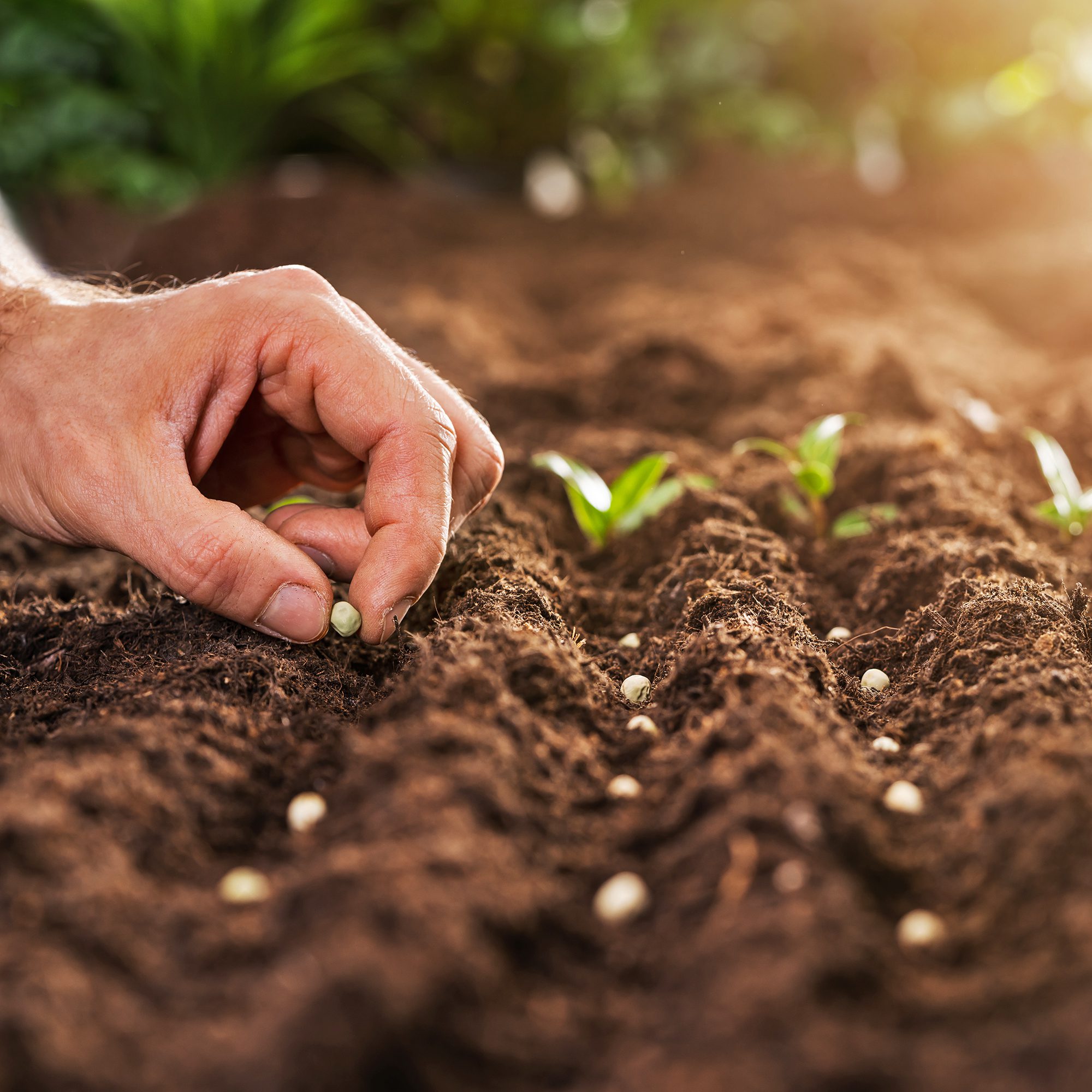
To ensure successful germination and healthy plant growth, mastering effective planting techniques is vital. When planting fresh seeds, follow these key steps for optimal results:
- Depth: Plant seeds at the correct depth according to the specific requirements of the plant species. Some seeds need to be barely covered, while others require deeper planting for proper growth.
- Spacing: Adequate spacing between seeds is essential to prevent overcrowding, allowing each plant to receive sufficient nutrients, light, and water. Be sure to follow the recommended spacing guidelines for the seeds you’re planting.
- Watering: Provide consistent moisture to newly planted seeds without overwatering. Too much water can lead to rot, while too little can hinder germination. Adjust watering frequency based on the moisture needs of the seeds.
- Soil Temperature: Ensure the soil temperature is suitable for the seeds you’re planting. Some seeds require warmer soil for germination, while others prefer cooler temperatures. Use a soil thermometer to monitor and maintain the ideal conditions for successful seed sprouting.
Caring for Germinating Seeds
To care for germinating seeds successfully, you must pay close attention to their moisture levels and the temperature at which they’re kept.
Proper moisture ensures that seeds don’t dry out or become waterlogged, aiding in the germination process.
Maintaining an optimal temperature also plays a crucial role in seed sprouting, so monitor these factors diligently for best results.
Seed Moisture Levels
Maintaining optimal moisture levels for seeds is essential for successful germination. When it comes to seed moisture levels, here are some crucial points to consider:
- Proper Hydration: Dry seeds may need to be hydrated before planting. Soaking them in water for a few hours can help kickstart the germination process by providing the necessary moisture.
- Avoiding Excess Moisture: While seeds need moisture to germinate, too much moisture can be detrimental. It can lead to seed rot or encourage the growth of harmful fungi, ultimately impacting the germination success.
- Improved Germination Rates: Seeds that are properly moistened tend to have higher germination rates. Ensuring that the moisture levels are just right can significantly increase the chances of successful seed germination.
- Balancing Moisture: Finding the right balance in seed moisture levels is crucial. It’s essential to monitor and adjust the moisture content to create an optimal environment for germination to occur successfully.
Temperature for Germination
For successful growth, germinating seeds require specific temperature conditions tailored to each plant species. The optimal temperature for seed germination can vary significantly depending on the type of plant.
Some seeds, like tomatoes and peppers, thrive in warm conditions between 70-85°F (21-29°C), while others such as lettuce and spinach prefer cooler temperatures around 55-70°F (13-21°C).
It’s crucial to understand the temperature requirements of the seeds you’re planting to ensure successful germination.
Temperature fluctuations can have a significant impact on seed germination rates. Sudden changes in temperature can stress the seeds, leading to poor germination or even seed death.
To promote healthy seed development, maintaining consistent temperature levels is essential. Using tools like seedling heat mats or placing seeds in a temperature-controlled environment can help create optimal conditions for germination.
Troubleshooting Common Issues
Addressing common issues when planting fresh seeds is crucial for successful germination and healthy plant growth. To troubleshoot these problems effectively, consider the following:
- Improper Drying: Ensure seeds are adequately dried before planting to prevent mold or rot issues. Properly dried seeds are more likely to germinate successfully.
- Lack of Preparation: Inadequate preparation can lead to low germination rates. Take the time to properly prepare the seeds according to their specific requirements for optimal results.
- Immature Seeds: Seeds that aren’t fully mature may fail to sprout. Check for signs of maturity before planting to increase the chances of successful germination.
- Planting Time: Planting fresh seeds too early or late in the season can affect growth. Follow the recommended planting times for each type of seed to maximize growth potential and yield.
Seed Storage Tips
When storing seeds, remember to keep them in a cool, dry location to preserve their viability.
Proper storage conditions play a crucial role in ensuring seeds remain viable for an extended period.
Avoid fluctuating temperatures and high humidity, as these factors can reduce seed longevity.
Proper Seed Storage
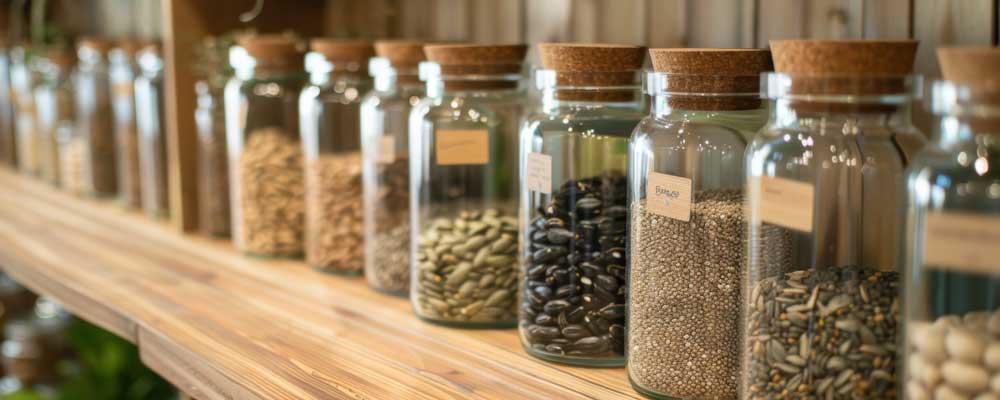
To maintain the viability of your seeds, store them in a cool, dry place away from sunlight. Proper seed storage is crucial for preserving the quality of your seeds.
Here are some essential tips:
- Use Properly Labeled Containers: Keeping seeds organized in labeled containers not only helps you easily locate specific seeds but also prevents mix-ups that could affect your planting schedule.
- Ensure Seeds are Completely Dry: Moisture can lead to mold growth, affecting seed viability. Make sure seeds are thoroughly dried before storing them to prevent any moisture-related issues.
- Check Specific Storage Recommendations: Different seeds have varying shelf lives. It’s advisable to check specific storage recommendations for each type of seed to ensure they’re stored optimally.
- Regularly Inspect Stored Seeds: Periodically inspect your stored seeds for any signs of damage or deterioration. This practice will help you identify potential issues early on and ensure successful germination when planting.
Ideal Storage Conditions
Proper storage conditions play a key role in maintaining the viability and quality of seeds for successful planting. When it comes to storing seeds, remember to keep them in a cool, dry place, as moisture and sunlight can harm their viability.
Store seeds in properly labeled containers or envelopes to stay organized and easily identify different varieties. Some seeds can last for years if stored correctly, while others deteriorate faster, so it’s crucial to know the shelf life of each type.
Ensure consistent conditions by avoiding humidity and temperature fluctuations, which can decrease seed viability over time. Regularly inspect stored seeds for any signs of mold, discoloration, or insect damage to maintain their quality.
Seed Germination Tips
For successful seed germination, it’s essential to understand the specific requirements of each seed you’re planting. Here are some tips to help you maximize the germination success of your seeds:
- Plant Seeds at the Right Time: Some seeds can be planted immediately after harvesting, while others may require specific conditions like overwintering or cold treatment. Make sure to research the ideal timing for planting each type of seed.
- Provide Optimal Conditions: Different seeds have different germination requirements such as temperature, moisture, and light. Ensure you’re providing the right conditions for the seeds you’re planting to sprout successfully.
- Chilling Period for Certain Seeds: Seeds of fruits like apples, pears, peaches, and cherries need a chilling period before they can germinate. Mimic this natural process by exposing the seeds to cold temperatures for a set period.
- Dry Seeds Before Planting: To prevent mold and ensure proper germination, dry seeds in a warm, dark place on a paper plate before planting them in the soil. This step can help optimize the growth of your seeds.
Maximizing Pepper Growth
Harvesting ripe, healthy peppers and rinsing the seeds in warm water to remove pulp is the initial step towards maximizing pepper growth. Once cleaned, fermenting the seeds is optional but recommended for better germination rates and disease prevention.
Pepper seedlings require a longer germination time compared to other plants. It’s crucial to transplant them into larger containers with good soil and air circulation to ensure healthy growth.
To further enhance pepper growth, fertilize the plants with a balanced organic fertilizer following the last frost date. This step is essential for optimal results.
Creating suitable growing conditions is key to maximizing pepper growth. These conditions include providing adequate sunlight, watering consistently, and ensuring proper ventilation to prevent diseases.
Organic Seed Preparation
To ensure successful organic seed preparation, start by collecting mature seeds from plants and separating them from fruits or flowers before planting.
When working with seeds from store-bought fruits or vegetables, it’s essential to follow these steps:
- Seed Extraction: Carefully remove seeds from the fruit or vegetable flesh, ensuring they’re clean and free from any debris.
- Drying Process: Allow the seeds to dry thoroughly on a paper towel or screen to prevent mold formation.
- Hardening Seeds: Some seeds, like beans or peas, benefit from a hardening period where they’re left to dry for a few more days to increase disease resistance.
- Storage: Store dried seeds in a cool, dry place in labeled envelopes or containers to maintain their viability for future planting.
Following these steps will help optimize the success of your organic seed preparation and ensure healthy germination and plant growth.
Sustainable Seed Practices
Implementing sustainable seed practices involves utilizing fresh produce seeds to minimize waste and promote self-sufficiency.
By recycling seed scraps from fruits and vegetables, you contribute to sustainability efforts by reducing food waste.
Learning to grow plants from fresh seeds not only benefits the environment but also proves to be cost-effective in the long run.
Moreover, utilizing fresh seeds can result in the cultivation of unique plant varieties that may not be readily available through other means.
These sustainable seed practices not only align with the global endeavor to promote food security but also play a crucial role in reducing the overall environmental impact of agricultural activities.
Conclusion
In conclusion, planting fresh seeds can lead to healthier plants and better yields. By selecting suitable varieties, harvesting healthy seeds, rinsing properly, and fermenting for better results, you can maximize the success of your seed germination.
Remember to follow organic and sustainable seed preparation practices to ensure the long-term health of your garden. With these tips and techniques, you can confidently plant fresh seeds and watch your plants thrive.