

Choose grass seeds with strong roots like tall fescue for soil anchoring. Match seeds to climate and slope conditions for erosion prevention. Prepare soil by loosening and leveling, mixing seeds with topsoil. Maintain a 2:1 seed-to-soil ratio for root health. Opt for hydroseeding for better growth, use mulch for moisture retention. Watch your watering – mornings for absorption, evenings for root growth. Consider adding mulch on slopes to stop washout. Proper preparation, watering, and protection are vital for seed success.
Seed Selection
When selecting grass seeds to prevent erosion, opt for varieties with strong, deep roots like tall fescue or ryegrasses. These types of grasses are adept at anchoring themselves into the soil, reducing the risk of seed from washing away during heavy rainfall or irrigation.
By choosing seeds with robust root systems, you can enhance the stability of the soil on your slopes or landscape.
Additionally, ensure that the grass seeds you select are well-suited for the specific climate and slope conditions of your area. Different grass species thrive in varying environments, so it’s crucial to match the seed type with the conditions present in your location.
This thoughtful selection process will contribute to the success of your erosion prevention efforts.
Soil Preparation
Prepare the soil by loosening it and removing debris to create an optimal environment for seed growth. Raking the soil afterward will help create a level surface, promoting even seed distribution. Mixing the grass seeds with topsoil before sowing ensures proper seed-to-soil contact, enhancing germination rates. Additionally, the use of liquid fertilizers not only provides essential nutrients but also aids in seed distribution, further supporting successful growth.
Consider the following table to guide you through the soil preparation process:
| Soil Preparation Steps | Benefits |
|---|---|
| Loosen soil and remove debris | Promotes root penetration and prevents soil loss |
| Rake soil to create a level surface | Ensures even seed distribution for uniform growth |
| Mix seeds with topsoil | Enhances seed-to-soil contact for improved germination rates |
Evaluate your region’s climate to determine whether cool-season or warm-season grasses are more suitable for optimal growth and to prevent soil loss.
Seed-to-Soil Ratio
To ensure successful grass seed germination and growth, maintaining a 2:1 ratio of seeds to soil is crucial for promoting healthy root development and enhancing moisture retention for seedlings.
When seeding your lawn, it’s essential to prevent seed washing by ensuring that the seeds have adequate soil coverage. This ratio not only provides the seeds with a stable environment for germination but also helps in anchoring them securely to the soil, reducing the risk of erosion caused by water runoff.
Seed washing, which occurs when seeds aren’t properly secured in the soil, can lead to uneven growth patterns and seed loss. By following the recommended 2:1 seed-to-soil ratio, you can avoid these issues and promote optimal grass coverage.
This ratio facilitates proper seed distribution, supporting a lush and healthy lawn while aiding in erosion control. Remember, a balanced seed-to-soil ratio is key to the success of your grass seeding efforts.
Mixing Seeds With Topsoil
Mixing grass seeds with topsoil is a practical technique that enhances seed-to-soil contact for optimal germination conditions, ensuring successful grass growth. To achieve this, maintain a 2:1 seed-to-soil ratio for healthy growth and proper seed distribution.
When mixing seeds with topsoil, ensure a thorough blend to guarantee even distribution across the planting area. Cover the seeds with a thin layer of soil and lightly water them to secure moisture for germination. This process aids in creating a conducive environment for the seeds to sprout and grow effectively.
Properly mixing seeds with topsoil is crucial in enhancing the chances of successful grass growth. The even distribution of seeds throughout the soil promotes consistent germination and robust root development.
Hydroseeding Benefits
Enhance your grass seeding process by harnessing the benefits of hydroseeding, a method that combines seed, mulch, fertilizer, and water to promote robust grass growth. Hydroseeding is particularly effective in controlling soil erosion on slopes, hills, and challenging terrains due to its ability to provide better seed-to-soil contact and prevent seeds from washing away. The mulch component in hydroseeding plays a crucial role in retaining moisture, creating an ideal environment for seed germination and subsequent growth. Not only does hydroseeding offer excellent erosion control benefits, but it is also a cost-effective and efficient way to establish grass quickly while minimizing the risk of seed loss.
| Hydroseeding Benefits | |
|---|---|
| 1. Better seed-to-soil contact | 4. Cost-effective |
| 2. Erosion control on slopes | 5. Efficient grass establishment |
| 3. Mulch retains moisture |
Slope Adhesion Techniques
Improving seed adhesion on slopes can be achieved through various effective techniques that promote better coverage and stability.
To prevent erosion and ensure successful grass growth on sloped terrain, consider the following techniques:
- Hydroseeding: Utilize hydroseeding to create a slurry mixture that enhances seed adhesion, providing better coverage and protection against erosion.
- Seed Starter Mats: Anchor seeds on slopes with Pennington Seed Starter Mats, which help prevent washout and promote stabilization.
- Erosion Control Netting: Secure erosion control netting using garden staples to stabilize seeds and prevent erosion on sloped areas.
- Straw Blankets: Use straw blankets as a protective layer over seeds to retain moisture, shield against erosion, and promote successful grass growth on slopes.

Covering Seeds With Soil
How can you ensure optimal germination conditions for grass seeds on slopes?
Covering the grass seeds with a thin layer of soil is a crucial step in promoting successful growth. By applying a soil covering, you enhance seed-to-soil contact, providing the seeds with the necessary support for germination. This protective layer also shields the seeds from erosion caused by rain runoff, ensuring they stay in place and have a stable environment to grow.
The soil covering acts as a barrier against the forces of nature, helping to retain moisture around the seeds and preventing them from being washed away. This technique creates a favorable setting for healthy seed development and establishment.
Ensuring that the seeds are adequately covered with soil is fundamental in preventing seed loss and encouraging robust grass growth. Remember, proper soil coverage is key to safeguarding your grass seeds and setting the stage for a lush, thriving lawn.
Watering for Moisture Retention
To ensure proper moisture retention for your grass seeds, it’s crucial to master the art of watering effectively.
Light watering techniques prevent displacement and promote even moisture distribution, essential for seed germination.
Proper Watering Techniques
Lightly watering newly seeded grass helps retain moisture for optimal germination. To ensure your grass seeds stay in place and don’t wash away, follow these proper watering techniques:
- Water Sparingly: Overwatering can displace seeds and lead to washing away. Be cautious and water lightly.
- Maintain Proper Moisture Levels: Adequate moisture is crucial for seed germination and root development. Check the soil regularly to ensure it stays moist but not waterlogged.
- Time Your Watering: Water in the early morning to take advantage of lower temperatures and reduced evaporation. This timing allows for maximum absorption by the soil.
- Consistent Watering: Regular, light watering sessions are essential to prevent the seeds from drying out or being washed away. Aim for a gentle, consistent approach to keep the soil moist without causing erosion.
Mulching for Moisture
When focusing on mulching for moisture retention around grass seeds, consider using organic materials like straw or shredded leaves to create a protective barrier that aids in germination and growth. Mulching plays a crucial role in retaining moisture, reducing the frequency of watering needed to support seed germination. Organic mulches act as a shield against erosion, insulate the seeds from extreme temperatures, and help the soil maintain adequate moisture levels for healthy growth.
To give you a clearer picture of the benefits of mulching for moisture retention, here is a comparison table:
| Mulching Material | Benefits |
|---|---|
| Straw | Protects seeds from erosion |
| Shredded Leaves | Insulates seeds from extreme temperatures |
Timing Water Applications
Watering immediately after seeding facilitates the settling of seeds into the soil for optimal germination and growth. Proper watering is essential for moisture retention and ensuring consistent levels for seed development.
To effectively time your water applications, consider the following:
- Morning Watering: Watering in the morning allows for optimal absorption before the heat of the day evaporates moisture, aiding in maintaining consistent soil moisture levels.
- Evening Watering: Evening watering can be beneficial as it allows for water to seep into the soil overnight, promoting deep root growth and reducing water loss through evaporation.
- Avoid Overwatering: Excessive watering can lead to seed wash away and create waterlogged conditions that hinder germination. Ensure a balance to prevent these issues.
- Monitor Soil Moisture: Regularly check the soil moisture levels to adjust your watering schedule accordingly and avoid underwatering or overwatering, both of which can negatively impact seed germination and growth.
Optimal Germination Conditions
How can you ensure optimal germination conditions for grass seeds?
To prevent grass seeds from washing away, it’s essential to create the right environment for germination. Start by ensuring proper seed-to-soil contact. This can be achieved by lightly raking the soil to cover the seeds effectively.
Adequate moisture retention is crucial, so water the area gently to keep the soil moist but not waterlogged. Remember to distribute the seeds and soil evenly to promote uniform growth.
When planting the seeds, make sure to follow the recommended seed depth for the specific grass type to protect them and provide access to essential nutrients.
Monitoring erosion and seed movement is also vital for successful germination. Keep an eye on the soil to ensure that heavy rains or irrigation aren’t causing the seeds to wash away.
Erosion Control Netting
To effectively prevent grass seeds from washing away and promote soil stabilization, utilizing erosion control netting is a practical and environmentally friendly solution. Erosion control netting acts as a protective barrier that helps stabilize soil and prevents erosion by holding seeds in place.
Here are some key points to consider when using erosion control netting:
- Biodegradable Materials: Erosion control netting is typically made from eco-friendly materials like jute or coconut fiber, minimizing environmental impact.
- Versatile Application: This netting can be used on slopes, hills, or areas prone to runoff to promote seed germination and prevent erosion effectively.
- Water Permeability: The netting allows water to penetrate the soil, ensuring proper moisture for seed germination while preventing erosion.
- Secure Installation: Securing the erosion control netting with stakes or staples is crucial for stability, ensuring long-lasting erosion prevention.
Straw Protection Methods
Implementing straw protection methods involves strategically covering newly seeded areas with a layer of straw to safeguard against seed wash away and promote successful grass growth.
By creating a barrier between the seeds and the elements, such as rain runoff, the straw helps anchor the seeds in place, preventing them from being washed away. This protective layer not only reduces the risk of seed wash away but also retains moisture, provides insulation, and shields the seeds from harsh environmental conditions.
As a result, seed germination rates can improve, leading to healthier grass growth.
To ensure the effectiveness of this method, it’s essential to properly secure the straw with stakes or netting. This additional step not only helps prevent erosion but also contributes to the successful establishment of seeds, ultimately enhancing the overall outcome of your seeding efforts.
Mats for Slope Stability
When considering mats for slope stability, it is important to focus on various material types. Selecting the right mat material is crucial for long-term effectiveness. Different materials have different properties that affect their performance on slopes. Proper installation techniques are also essential. Ensuring that mats are installed correctly will maximize their ability to prevent erosion and promote grass growth. Regular maintenance is key to keeping the mats in optimal condition. It helps prolong their lifespan and ensures they continue to function effectively over time.
Double new line for separation.
Mat Material Types
Choosing the appropriate mat material type is crucial for ensuring effective slope stability and erosion control. When selecting mats for erosion control, consider the following:
- Biodegradable Mats: Made from natural fibers like straw, coconut, or jute, these mats are environmentally friendly and eventually break down, providing nutrients to the soil.
- Synthetic Mats: Typically crafted from durable materials such as polypropylene, these mats offer long-lasting erosion control solutions and are ideal for high-traffic areas.
- Pre-Seeded Mats: Some erosion control mats come pre-seeded with grass, accelerating the establishment of vegetation and enhancing erosion control efforts.
- Variety in Size and Thickness: Mats for slope stability are available in various sizes and thickness levels, allowing you to choose the best option to suit the specific erosion control needs of your project.
Consider these factors when selecting mat material types to effectively prevent grass seeds from washing away and promote sustainable vegetation growth on slopes.
Installation Techniques
Securing seed germination blankets with stakes or staples is a critical step in ensuring effective installation techniques for slope stability.
When planting grass seed on slopes, these mats play a vital role in preventing erosion and providing a conducive environment for seed germination.
To properly install the mats, start by laying them out evenly over the seeded area. Make sure there’s enough overlap between each mat to avoid gaps where seeds could be exposed.
Next, secure the mats in place using stakes or staples along the edges and at regular intervals across the surface. This anchoring method prevents the mats from shifting or being washed away by rain or wind.
By firmly securing the germination blankets, you create a protective barrier that promotes grass root establishment and helps retain moisture for optimal seed growth.
Following these installation techniques will enhance the success rate of planting grass seed on slopes and contribute to long-term slope stability.
Maintenance Considerations
To maintain slope stability effectively, regularly inspecting and replacing erosion control mats for grass seed germination is essential. When considering maintenance for mats used in planting grass on slopes, here are some crucial factors to keep in mind:
- Check for Damage: Inspect erosion control mats periodically for any signs of wear, tear, or damage that may compromise their effectiveness in supporting grass seed germination.
- Monitor Stability: Ensure that the mats are securely fastened to the slope using staples or other appropriate anchoring methods to prevent shifting or displacement during heavy rainfall.
- Replace as Needed: If erosion control mats show significant wear or are no longer providing adequate support for grass growth, consider replacing them promptly to maintain slope stability.
- Promote Grass Growth: Along with maintaining the mats, continue to provide proper care for the planted grass by watering, fertilizing, and mowing as needed to encourage healthy growth and prevent erosion.
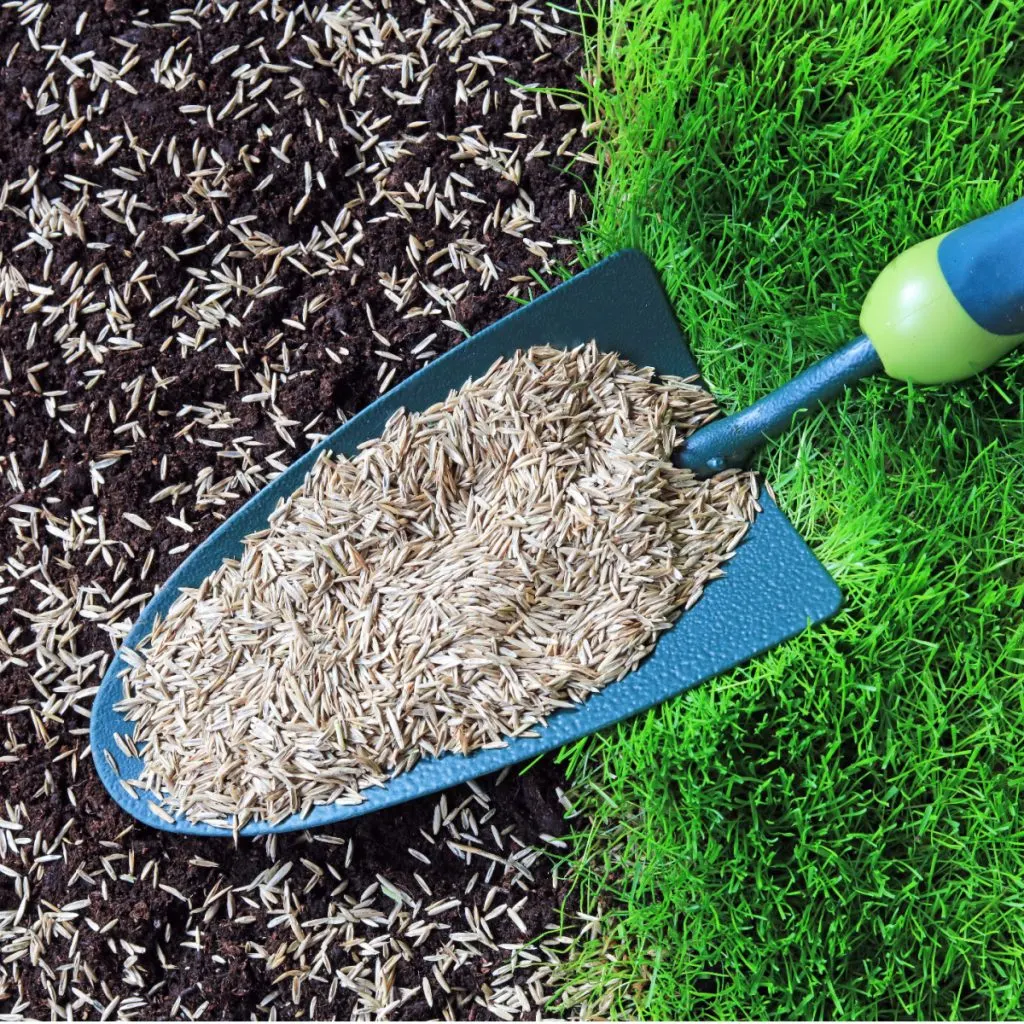
Preventing Seed Washout
To prevent your grass seeds from washing away, it’s crucial to take into consideration factors like terrain slope, soil compaction, and timing of seeding after mowing. Sloped terrain poses a higher risk of seed washout as rainwater runoff follows gravity, potentially carrying away newly established grass seeds. Additionally, heavily compacted soil can hinder seed settling, increasing the likelihood of washout.
One practical tip to prevent seed washout is to wait a few days after mowing before seeding. Applying seed right after mowing can result in washout due to the lack of grass height to protect the seeds against runoff. This short waiting period allows the grass to grow slightly taller, providing some protection for the newly established seeds.
For areas with significant slopes, consider adding mulch to help anchor the seeds and prevent erosion. Mulch can provide a protective layer that helps keep the seeds in place despite the challenging terrain.
Promoting Grass Growth
To promote grass growth effectively, start by meticulously preparing the soil to create an optimal environment for seed germination.
Ensure you water the seeds adequately, maintaining the right moisture levels for healthy growth.
Consider using mulch to protect the seeds from harsh weather conditions and encourage strong, vibrant grass growth.
Soil Preparation Techniques
Prepare your soil effectively by loosening it to promote root penetration and seed anchoring, essential for optimal grass growth.
Raking the soil afterwards creates a smooth surface for even seed distribution and better germination results.
Mixing your grass seeds with topsoil will ensure they’ve proper contact with the soil and access to essential nutrients for healthy growth.
Using liquid fertilizers provides the necessary nutrients for seed development and overall grass health.
Remember to evaluate the climate and slope conditions of your area before selecting a grass variety to ensure optimal growth and erosion prevention.
Following these soil preparation techniques will help you establish a strong foundation for your grass seeds, increasing their chances of thriving and preventing them from washing away.
Proper Watering Methods
For optimal grass growth and health, mastering proper watering methods is crucial. Deep root growth is key to a strong and resilient lawn. To encourage this, aim for deep but infrequent watering sessions.
Water your grass early in the morning to minimize evaporation loss and ensure efficient moisture absorption. Overwatering should be avoided as it can lead to shallow root systems, making the grass more susceptible to being washed away.
Utilize sprinklers or soaker hoses for even water distribution, promoting consistent growth across your lawn. Keep a close eye on soil moisture levels and adjust your watering schedule based on weather conditions to support healthy grass development.
Mulching for Protection
Mulching with straw or hay serves as a protective barrier to prevent grass seeds from washing away while promoting healthy growth. When applying mulch to newly seeded areas, you’re creating an environment that nurtures the seeds and aids in their successful germination.
Here are some key points to consider when using mulch for protecting and promoting grass growth:
- Retention of Moisture: Mulch helps retain moisture in the soil, creating optimal conditions for seed germination and growth.
- Erosion Prevention: By stabilizing the soil surface, mulch reduces the chances of erosion and minimizes runoff, keeping the seeds in place.
- Nutrient Enrichment: Organic mulches break down over time, enriching the soil with essential nutrients that contribute to healthier grass growth.
- Consistent Soil Moisture: Evenly applying mulch over seeded areas helps maintain consistent soil moisture levels, crucial for establishing seeds effectively.
Ensuring Seed Success
To ensure successful seed growth, it’s essential to carefully select grass varieties with strong, deep roots to prevent erosion and promote healthy germination. Grass varieties such as tall fescue and ryegrasses are excellent choices due to their robust root systems that anchor the soil and protect against washout.
When preparing the soil, clear any debris, loosen it to a suitable depth, and rake it evenly to create a conducive environment for root growth. Additionally, using liquid fertilizers can provide necessary nutrients for the seeds and aid in their even distribution across the soil for optimal growth.
Maintaining a 2:1 seed-to-soil ratio is crucial for healthy germination and growth of grass seeds. This ratio ensures that the seeds have enough contact with the soil to establish strong root systems. Furthermore, evaluating the climate and slope conditions of your area before selecting a grass variety can significantly impact the success of seed growth.
Conclusion
To prevent grass seeds from washing away, it is essential to carefully select the right seeds for your soil. Prepare the soil properly by mixing the seeds with topsoil before planting. Consider hydroseeding for added benefits. Use mats for slope stability and take steps to prevent seed washout.
By following these steps and promoting grass growth, you can ensure the success of your seed planting efforts. Remember, proper preparation is key to preventing seed loss.