
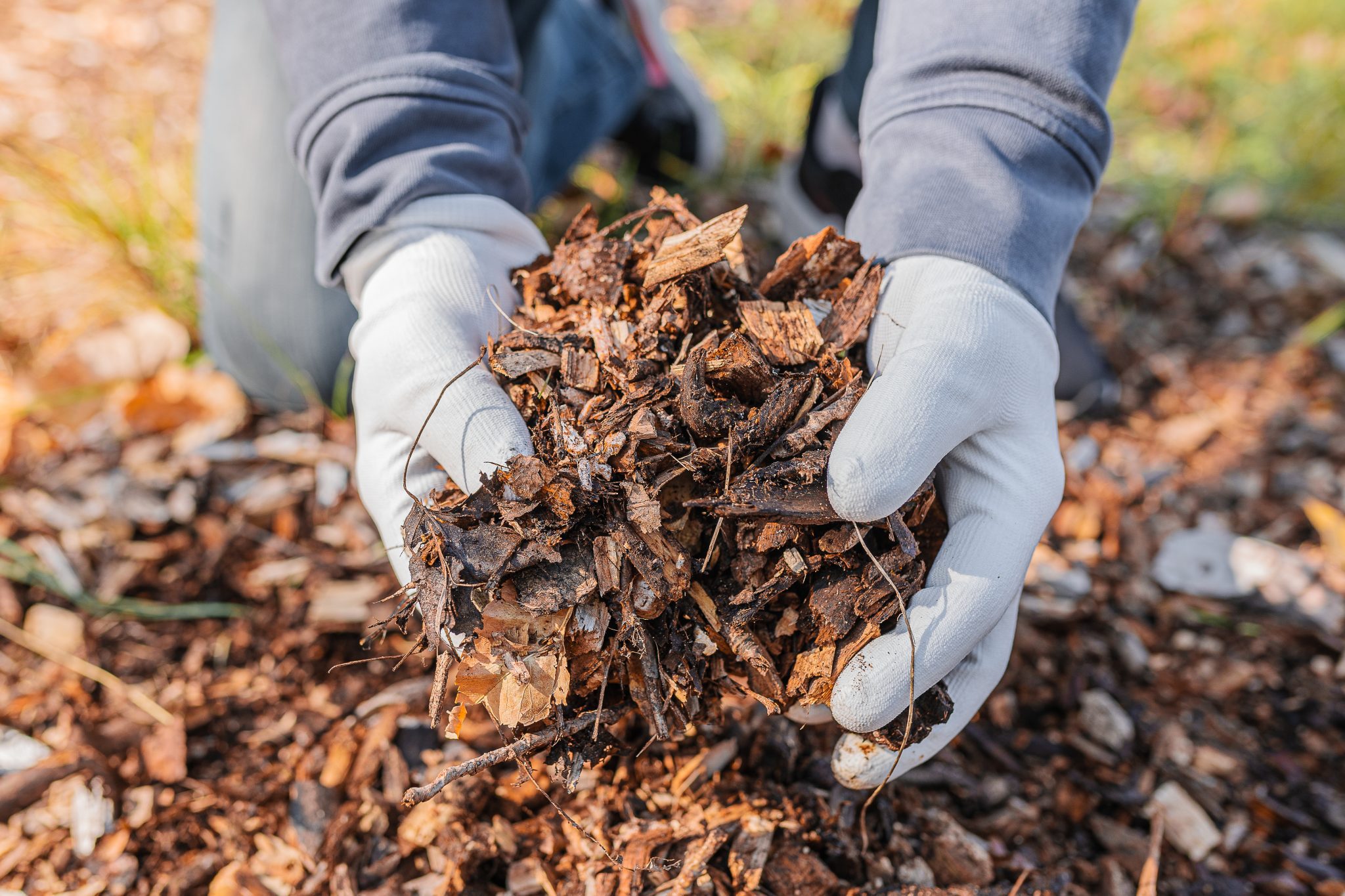
You can burn mulch to quickly remove it, but beware of air pollution and health risks. Benefits include speeding up decomposition and pest control. However, burning releases toxic fumes and impacts air quality. It efficiently controls weeds, helps recycle nutrients, and promotes plant growth. Yet, burning may harm beneficial organisms and soil structure. Prioritize soil health and consider composting or recycling mulch. Ensure safety by following regulations, having water and extinguisher nearby, and monitoring weather. Timing and alternative disposal methods can also be crucial. For a deeper understanding, explore the various benefits and impacts of burning mulch.
Benefits of Burning Mulch
Burning mulch offers a rapid and efficient method for eliminating old, un-decomposed mulch from your garden. By utilizing fire to break down organic matter, this process helps in preparing the garden for new mulch quickly. The heat generated during the burning of mulch can speed up the decomposition process, aiding in the reduction of pest populations within the garden. Furthermore, mulch burning provides a fast solution for mulch removal, eliminates odors emanating from compost piles, and naturally repels pests, contributing to a healthier garden environment.
Additionally, the ash resulting from burnt mulch can be repurposed by incorporating it into garden soil. This ash serves to enhance soil fertility and offers protection to plants against insects. The reuse of mulch ash in the garden completes the cycle of organic matter, making it a sustainable practice with multiple benefits for both your garden’s health and the environment.
Risks of Burning Mulch
When burning mulch, be aware of the risks associated with air pollution concerns and fire hazard potential. Harmful smoke particles released during the burning process can lead to respiratory issues, while the ash produced can irritate the skin, eyes, nose, and lungs. Additionally, burning wood-based mulch treated with chemicals can result in toxic fumes that pose health risks for both individuals and the environment.
Air Pollution Concerns
Inhaling smoke from burning mulch may expose you to harmful particles and pollutants, impacting air quality and posing health risks. When mulch is burned, it releases harmful smoke particles and carbon monoxide into the air, contributing to air pollution. These toxic compounds present in the smoke can irritate the respiratory system, particularly affecting individuals with pre-existing conditions. The combustion of mulch not only poses risks to human health but also has environmental consequences, such as impacting local air quality and contributing to greenhouse gas emissions. To mitigate the air pollution concerns associated with burning mulch, it is advisable to explore alternative disposal methods like composting or recycling. By opting for these sustainable approaches, you can reduce the release of pollutants into the atmosphere, safeguarding both your health and the environment.
Fire Hazard Potential
To understand the risks associated with burning mulch, consider the potential fire hazard it poses due to uncontrolled flames and the subsequent spread. Mulch is highly flammable and can easily catch fire when ignited. This poses a significant risk of uncontrollable flames that can spread to surrounding areas, causing property damage and potentially endangering lives. Moreover, mulch fires can release toxic fumes, including carbon monoxide, which can harm air quality and pose health risks to individuals exposed to the smoke.
Another danger of burning mulch is the risk of spontaneous combustion. When mulch piles are not properly managed and temperatures rise due to microbial activity, spontaneous combustion can occur, leading to fires without an external heat source. This not only poses a fire hazard but also contributes to the loss of organic matter and essential nutrients present in the mulch, impacting soil health negatively.
Weed Control Benefits
Mulch plays a crucial role in suppressing weeds by blocking sunlight and inhibiting their growth. Organic mulches like wood chips and bark act as natural herbicides, smothering weeds and reducing the need for chemical controls. By maintaining soil moisture and creating a physical barrier, mulch prevents weed establishment and fosters healthier plant growth.
Weed Suppression Benefits
Weed suppression benefits can be effectively achieved through the use of organic mulches like straw, shredded leaves, and grass clippings. These mulches act as a powerful tool in weed control by creating unfavorable conditions for weed seeds to germinate and grow. By forming a physical barrier, mulch blocks sunlight from reaching the soil surface, inhibiting weed growth. Applying a thick layer of mulch, typically around 2-4 inches deep, can significantly reduce the need for manual weeding by smothering existing weeds and preventing new ones from sprouting. This method not only suppresses weed growth but also helps retain soil moisture, promoting overall plant health. Additionally, organic mulches decompose over time, enriching the soil with nutrients and further enhancing plant growth while maintaining a natural and environmentally friendly approach to weed control. Incorporating mulching practices into your gardening routine can lead to a healthier, more vibrant garden with minimal weed interference.
Natural Herbicide Effects
When applying organic mulches like grass clippings and shredded leaves on moist soil, their natural herbicidal properties effectively suppress weed growth. These organic materials act as a barrier, preventing sunlight from reaching weed seeds and inhibiting their germination. Mulches such as straw and pine needles are particularly beneficial for weed prevention in specific plant beds due to their unique characteristics. For instance, pine needles’ acidity makes them ideal for blueberry beds, further aiding in weed control.
In a compost pile, utilizing organic materials like shredded paper and newspaper not only enriches the soil as they decompose but also helps in suppressing weed growth. The layering of these materials can smother existing weeds and prevent new ones from sprouting, creating a healthier environment for your plants to thrive. Incorporating these natural herbicide effects into your gardening practices can significantly reduce the need for synthetic weed control methods while promoting soil health and plant growth.
Pest and Disease Reduction
To combat pests and diseases effectively, burning mulch can be a beneficial practice due to its ability to naturally repel insects and eliminate harmful bacteria in the soil. Insects find the chemical components present in mulch, such as sulfur, charcoal, potassium, and nitrogen, repulsive, prompting them to move away when the mulch is burned. Furthermore, the ash produced from burning mulch can be recycled back into the garden soil, enhancing fertility and continuing to deter pests and insects. By burning mulch, not only can unpleasant odors from compost piles be eradicated, but also harmful bacteria in the soil can be reduced, thus minimizing the risk of plant diseases that impede growth. This method provides a dual benefit of pest control and disease prevention, making it a practical solution for maintaining a healthy garden environment.

Efficient Mulch Removal
When considering efficient mulch removal, it’s crucial to explore mulch disposal methods, assess the environmental impact, and conduct a cost-effectiveness analysis. Understanding these points will help you make informed decisions on how to best manage your garden’s mulch. By evaluating these factors, you can ensure the efficient removal of old mulch while preparing your garden for new applications.
Mulch Disposal Methods
Consider composting or recycling mulch as efficient methods for removing old mulch, ensuring minimal waste and environmental impact. When looking to get rid of old mulch, these methods provide sustainable solutions that benefit both your garden and the environment. Here are some practical options for mulch disposal:
- Composting: Turning old mulch into compost not only helps reduce yard waste but also creates nutrient-rich soil for future use.
- Soil Amendment: Using old mulch as a soil amendment can enhance soil quality, promoting healthier plant growth and root development.
- Recycling Programs: Many municipalities offer recycling programs for yard waste, including mulch, supporting sustainable practices and reducing landfill waste.
- Community Donation: Donating excess mulch to community gardens fosters local gardening projects, community involvement, and minimizes waste disposal.
Environmental Impact Considerations
Minimizing environmental impact during mulch removal can be achieved through efficient disposal methods that prioritize sustainability and soil health. When considering the environmental impact of mulch removal, it is crucial to weigh the benefits and drawbacks of various disposal techniques such as burning, composting, and recycling. Below is a comparison table outlining the key environmental considerations for each method:
| Disposal Method | Environmental Impact |
|---|---|
| Burning Mulch | High air pollution risk, nutrient loss, soil health degradation |
| Composting | Nutrient retention, soil enrichment, sustainable practice |
| Recycling | Eco-friendly, supports community gardens, reduces waste |
Choosing the right mulch disposal method is essential for maintaining soil health and reducing air pollution. While burning mulch may seem like a quick solution, it poses significant risks to the environment. Opting for composting or recycling can help preserve nutrients in the soil and promote sustainability for a greener future.
Cost-Effectiveness Analysis
To analyze the cost-effectiveness of efficient mulch removal, consider the savings on labor costs and project expenses achievable through burning mulch compared to manual methods. When assessing the cost benefits of burning mulch for removal, it is essential to weigh the following factors:
- Labor Efficiency: Burning mulch can significantly reduce the labor hours required for removal compared to manual methods, leading to cost savings in terms of workforce expenditure.
- Project Expenses: The cost-effectiveness of mulch burning lies in its ability to clear large areas swiftly, thereby minimizing overall project expenses associated with prolonged removal processes.
- Productivity Gains: The speed at which mulch can be removed through burning translates into increased productivity, allowing for savings in time and effort that can be redirected to other project tasks.
- Efficient Management: Properly managed mulch burning operations offer a cost-effective solution for land clearing, making it a practical choice for preparing areas for new landscaping endeavors.
Air Pollution Concerns
Burning mulch can significantly contribute to air pollution due to the release of smoke particles and carbon monoxide into the atmosphere. The smoke produced during mulch burning contains harmful chemicals and irritants that can negatively impact respiratory health. When mulch is combusted, it generates ash and pollutants that can degrade air quality. These pollutants pose risks to both human health and the environment.
To mitigate air pollution concerns associated with burning mulch, it is crucial to follow proper burning practices. Ensuring that the mulch is dry and providing adequate ventilation can help reduce the release of harmful substances into the air. Additionally, exploring alternatives to burning mulch, such as composting or using it as a ground cover, can help minimize the environmental impact and decrease air pollution levels.
Soil Structure Damage
When mulch is burned, it can harm the soil structure by destroying beneficial microbes and organisms within it. This damage can have lasting effects on soil health and fertility. Here are some key points to consider regarding soil structure damage from burning mulch:
- Beneficial Soil Microbes: Burning mulch can eliminate beneficial soil microbes that play a crucial role in nutrient cycling and maintaining soil health.
- Soil Composition Alteration: The excessive heat generated during mulch burning can alter soil composition, potentially reducing its fertility and overall quality.
- Organic Matter Disruption: The loss of organic matter resulting from burnt mulch can disrupt the soil’s ability to retain moisture and essential nutrients.
- Compaction Risks: High temperatures from burning mulch can lead to soil compaction, making it harder for plants to establish roots and access nutrients.
Considering these factors, it is evident that burning mulch can significantly impact soil structure and health, emphasizing the importance of exploring alternative disposal methods to preserve soil quality.
Impact on Beneficial Organisms
The impact of burning mulch on beneficial organisms in the soil can be detrimental to the overall health of the ecosystem. Beneficial organisms such as earthworms, insects, and microorganisms play a crucial role in maintaining soil health and biodiversity. When mulch is burned, the heat generated can harm these organisms, disrupting the delicate balance within the soil. This disruption can lead to a decline in soil biodiversity and the loss of essential organic matter, which is vital for supporting a healthy soil ecosystem.
The destruction of beneficial organisms through burning mulch can have far-reaching consequences on soil health, affecting plant growth and nutrient cycling processes. To mitigate this impact, it is advisable to explore alternative methods such as composting or using mulch as a soil amendment rather than burning it. By preserving the presence of beneficial organisms in the soil, you can contribute to maintaining a thriving ecosystem that supports sustainable plant growth and overall soil health.
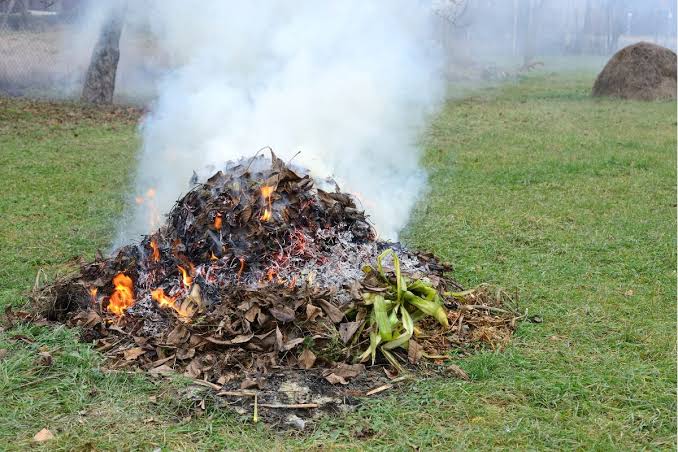
Fire Spread Risk
To minimize the risk of fire spreading during mulch burning, proper supervision and precautionary measures are essential. When burning your mulch, consider the following:
- Keep a Safe Distance from Structures: Ensure that the fire pit or burning site is a safe distance away from any buildings, trees, or other flammable materials.
- Monitor Wind Conditions: Check the wind direction and speed before burning mulch to prevent embers from being carried and igniting nearby areas.
- Have Fire Extinguishing Equipment Ready: Always have a fire extinguisher, water source, or sand nearby to quickly extinguish any unexpected flames.
- Contact the Fire Department: Inform the local fire department before burning mulch to ensure compliance with regulations and receive guidance on safe burning practices.
Local Laws and Regulations
Before burning mulch, ensure that you are familiar with and abide by the local laws and regulations in your area. It is essential to check for any permits required and seasonal restrictions that may be in place to avoid fines and legal consequences. Failure to comply with these regulations can lead to penalties and endanger the environment. Obtaining the necessary permits for burning yard waste, including mulch, is crucial to ensure safety and prevent any legal issues. Adhering to seasonal burning restrictions, particularly during dry periods, is important to reduce the risk of wildfires.
| Local Regulations | Permits Required | Seasonal Restrictions |
|---|---|---|
| Check before burning mulch | Obtain necessary permits | Adhere to seasonal limitations |
| Ensure compliance with local laws | Necessary for burning yard waste | Especially crucial during dry periods |
| Avoid fines or penalties | Essential for safety | Prevent wildfires and protect the environment |
Safety Measures
Check whether you have a water source and fire extinguisher nearby when burning mulch to address potential fire hazards quickly. Before you light it on fire, make sure to follow these safety measures:
- Obtain a Permit: Ensure you have the necessary permit to burn yard waste according to local regulations.
- Monitor Weather Conditions: Check wind speed and dryness levels to prevent uncontrollable fires.
- Choose a Safe Location: Burn your mulch in a safe place away from buildings, trees, and other flammable materials.
- Inspect Mulch Quality: Only burn mulch that is 100% natural, dry, and free of chemicals to minimize risks to health and the environment.
Best Time for Burning
Consider the designated seasons in spring or fall for burning mulch to minimize fire risks effectively. Optimal conditions for burning mulch include choosing calm days with minimal wind to enhance control over the fire. It is advisable to conduct burning sessions during early mornings or late afternoons to ensure optimal combustion and reduce the likelihood of fire spreading uncontrollably. Prior to burning mulch, always assess the weather conditions and wildfire risks in your area to prevent any potential hazards. Before initiating the burn, have a plan in place to completely extinguish the fire once the process is complete to guarantee safety. By following these guidelines and being mindful of the best time for burning mulch, you can mitigate risks and ensure a controlled and safe burning process during the designated seasons of spring or fall.
Alternative Mulch Disposal Methods
One practical way to dispose of old mulch is by composting it, enriching soil while promoting sustainability. When considering alternative mulch disposal methods, there are several eco-friendly options to explore:
- Municipal Recycling Programs: Check if your local recycling facilities accept mulch for disposal. By participating in these programs, you can help reduce waste and support sustainability efforts within your community.
- Donating to Community Gardens: Consider donating your old mulch to local community gardens. This not only benefits these projects but also reduces the need for burning, promoting a more environmentally friendly approach to mulch disposal.
- Mulching Over Old Mulch: Instead of burning old mulch, layering new mulch over it can naturally break down the old material over time. This method helps improve soil health and fertility without resorting to burning.
- Using Mulch as a Soil Amendment: Utilize old mulch as a soil amendment to enhance soil health and promote sustainability. By incorporating mulch into the soil, you can improve its structure and nutrient content.