
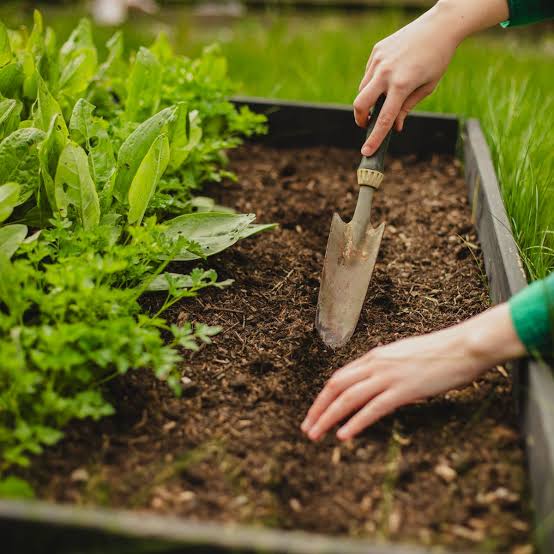
If your garden bed soil is sinking, organic matter decomposition, compaction, or plant issues may be the culprits. Clay soil can worsen drainage, and improper soil mixes may settle unevenly. Rainfall and foot traffic can lead to compaction, affecting root growth. Strategies like soil aeration, adding organic matter, and monitoring moisture levels help in maintaining soil structure. Avoid burying plants too deep to prevent root suffocation. Preventative measures, drainage improvements, and regular monitoring are key to tackling sinking soil issues effectively. These actions can promote healthy plant growth and prevent future soil sinking concerns.
Common Causes of Soil Sinking
Soil sinking in garden beds can be attributed to various common causes that impact the stability and structure of the soil over time. One significant factor contributing to soil sinking is the decomposition of organic matter. As organic matter breaks down, it creates empty spaces within the soil, reducing the overall soil volume and leading to sinking issues. Additionally, compaction plays a crucial role in soil sinking. Factors such as heavy rain, foot traffic, or improper soil structure can lead to soil compaction, which further diminishes the soil’s ability to maintain its original volume, causing it to sink. Moreover, the initial fluffiness of soil mixes can settle over time, especially in newly established garden beds, resulting in gradual sinking. Observing plants or shrubs sinking along with the soil can serve as an indication of larger underlying problems with soil stability. By recognizing the depth of sinking in the garden bed, one can better assess the extent of the issue and determine appropriate solutions.
Impact of Clay Soil
The impact of clay soil on garden beds is significant due to its high water-holding capacity and tendency to compact, leading to sinking issues over time. Clay soil’s fine particles hinder proper drainage, increasing the likelihood of soil settling and compaction. This compaction restricts root growth and limits the ability of plants to access essential nutrients. Moreover, the low porosity of clay soil exacerbates these issues, further impeding root penetration and water movement. As clay soil shrinks and expands with changes in moisture levels, it creates an unstable environment that can cause garden beds to sink unevenly. To combat these challenges, incorporating organic matter like compost into the clay soil can improve its structure, enhance drainage, and promote healthier root growth for plants. Below is a table summarizing the key impacts of clay soil on garden beds:
| Impact of Clay Soil | Description |
|---|---|
| Water-holding capacity | High water retention leading to compaction and sinking issues. |
| Drainage | Reduced drainage due to fine particles, increasing soil settling. |
| Compaction | Tendency to compact, restricting root growth and nutrient uptake. |
| Root Growth | Limited root penetration and nutrient absorption due to low porosity. |
| Shrink-swell behavior | Shrinking and expanding with moisture changes causing uneven sinking in garden beds. |
Effects of Triple Mix
Triple mix soil, comprising topsoil, peat moss, and compost, boasts high organic matter levels that can promote settling over time. Its unique composition may compact differently than pure topsoil, potentially influencing garden bed stability. Understanding how the organic components in triple mix soil decompose is essential for managing sinking issues in garden beds.
Triple Mix Benefits
Enhancing garden bed soil with a blend of topsoil, compost, and peat moss, known as triple mix, offers a range of beneficial effects for plant growth and soil health. Triple mix provides a balanced mix of nutrients, organic matter, and aeration essential for robust plant development. Here are some key benefits of using triple mix in garden beds:
| Benefits | Description |
|---|---|
| Nutrient-Rich | Offers a diverse range of nutrients essential for plant growth and overall soil fertility. |
| Enhanced Aeration | Improves soil structure, promoting healthy root development and enhancing plant resilience. |
| Water Retention | Enhances water retention capacity, aiding in drought resistance and reducing water runoff. |
| Microbial Activity | Enriches the soil with beneficial microorganisms from compost, supporting plant health. |
Triple Mix Application
Utilizing the triple mix soil blend in garden beds can significantly impact soil stability and nutrient availability through its unique composition of topsoil, compost, and peat moss. While the application of triple mix offers benefits such as improved soil structure, water retention, and nutrient availability, it may also contribute to soil settling in garden beds due to its high organic matter content. The effects of triple mix on sinking soil can be influenced by factors like compaction, decomposition rates of organic materials, and water drainage patterns within the garden beds. To mitigate the potential negative impact of soil settling caused by triple mix, it is crucial to monitor the situation closely and implement corrective measures as needed. These measures may include aerating the soil, adding additional structural support, or adjusting the composition of the soil blend to achieve a balance between soil stability and nutrient availability in garden beds.
Compaction From Rain
When rain saturates the soil in your garden bed, it can lead to compaction issues causing settling and poor drainage. The weight and pressure of water can pack soil particles tightly, reducing air space and hindering root growth. To prevent soil compaction from rain, implementing proper drainage solutions is crucial in maintaining healthy garden beds.
Rain-Induced Compaction Effects
During periods of heavy rainfall, the soil in garden beds can experience compaction, leading to subsequent sinking issues. Rain-induced compaction reduces soil porosity, hindering water infiltration and increasing soil density due to saturation. As a result, air pockets in the soil diminish, impeding root growth and nutrient uptake by plants. The compression of soil particles under the weight of water droplets can have detrimental effects on the overall health of the garden bed ecosystem. To counter these effects, implementing soil aeration techniques is crucial. By aerating the soil, you can alleviate rain-induced compaction, improve water infiltration, restore soil porosity, and facilitate better root development. Proper soil aeration enhances the overall structure of the soil, promoting a healthy environment for plants to thrive. Understanding the impact of rain-induced compaction on garden beds underscores the importance of proactive measures to maintain optimal soil conditions and prevent sinking issues.
Preventing Soil Compaction
Rainfall can lead to soil compaction in garden beds, impacting air and water infiltration. To prevent soil compaction from rainwater, it is essential to consider implementing proper drainage systems and regular aeration techniques. Drainage systems help manage excess water, reducing the likelihood of soil compaction. Aeration, achieved through cultivation practices or the addition of organic matter, can enhance soil structure and prevent compaction caused by rain.
| Prevention Method | Description |
|---|---|
| Drainage Systems | Installation of systems like French drains or rain gardens to redirect excess water away from the soil. |
| Aeration Techniques | Aerating the soil through methods such as tilling, using aerator tools, or incorporating compost and mulch. |
Improving Soil Structure
To combat the detrimental effects of soil compaction caused by rain, it is imperative to focus on enhancing the soil structure through strategic aeration and organic matter amendments. Improving soil structure is crucial for promoting healthy plant growth by allowing for optimal root development, water drainage, and nutrient uptake. Here are four key strategies to improve soil structure:
- Soil Aeration: Use tools like aerators to break up compacted soil and increase air circulation within the soil profile.
- Organic Matter Addition: Incorporate organic matter such as compost, manure, or leaf mulch to improve soil structure, water retention, and nutrient availability for plants.
- Avoid Excessive Compaction: Minimize foot traffic on wet soil to prevent further compaction and disruption of soil structure.
- Regular Maintenance: Implement a routine soil care schedule that includes aeration and organic matter amendments to sustain healthy soil structure and support plant growth effectively.
Compaction From Foot Traffic
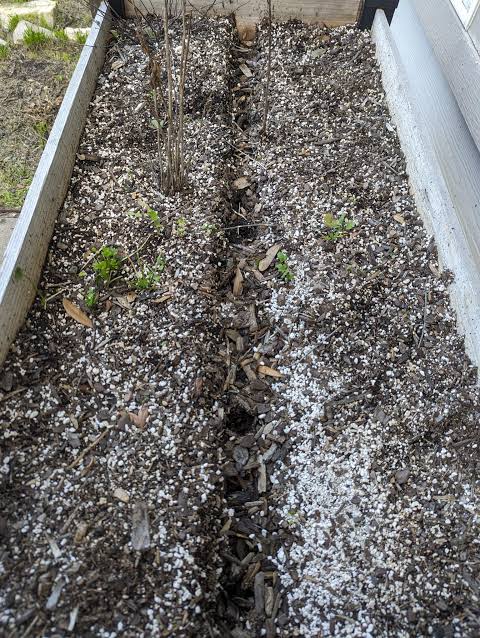
Foot traffic contributes significantly to soil compaction in garden beds, compressing soil particles tightly together and reducing pore space. This compression impedes water infiltration, limits root growth, and hampers nutrient uptake, adversely affecting plant health and garden productivity. To mitigate these issues, implementing pathways or stepping stones can divert direct foot traffic away from garden beds, minimizing soil compaction. Additionally, regularly aerating compacted soil using tools like a garden fork can enhance soil structure, promoting better water drainage and root development.
| Effects of Compaction from Foot Traffic | |
|---|---|
| Impact | Description |
| Water Infiltration | Hindered by tight soil particles. |
| Root Growth | Constrained due to reduced pore space. |
| Nutrient Uptake | Impaired by compacted soil. |
Concerns With Shrubs
You should consider the root depth of your shrubs when addressing sinking issues, as burying roots can lead to moisture retention challenges and hinder plant health. It is essential to avoid adding excessive soil to the garden bed, as it may further compact and suffocate the roots, exacerbating the sinking problem. Monitoring the moisture levels and overall health of the shrubs after adjusting soil levels is crucial to ensure their recovery and sustained growth.
Shrubs’ Root Depth
Understanding the diverse root depths of shrubs is essential for evaluating the impact of soil sinking on their stability and health. Here are some key points to consider:
- Variability in Root Depth: Different shrub species exhibit varying root depths, with some having deep-rooted systems that extend far into the soil, while others are more shallow-rooted.
- Impact on Soil Sinking: The specific root depth of shrubs plays a crucial role in determining how susceptible they are to the effects of soil sinking. Deep-rooted shrubs are generally less affected by soil sinking than shallow-rooted ones.
- Stability and Health: The depth of shrub roots directly affects their stability and overall health. Shallow-rooted shrubs may face more challenges when soil sinking occurs, leading to potential structural issues.
- Mitigating Damage: Properly addressing soil sinking around shrubs requires a thorough understanding of their root depth to prevent damage to their growth and structural integrity.
Moisture Retention Challenges
Analyzing the impact of moisture retention challenges on shrubs reveals concerns stemming from excessive soil moisture and its repercussions on plant health and stability. The accumulation of water in garden beds can lead to soil compaction, a factor contributing to sinking. Shrubs situated in waterlogged soil are susceptible to root rot, impeding their growth due to poor drainage conditions. The presence of excess moisture hampers oxygen availability to the roots, adversely affecting the overall well-being of the shrubs. To combat these issues, it is essential to address poor drainage by amending the soil with materials such as compost or perlite, aiding in preventing sinking and enhancing plant vitality. Furthermore, monitoring soil moisture levels and adjusting watering practices are crucial steps in averting moisture-related sinking in garden beds, ensuring optimal conditions for shrubs to thrive. By proactively managing moisture retention challenges, gardeners can promote healthier shrubs and maintain the stability of their garden beds.
Burying Plants Risks
When burying plants in garden beds, the risks of suffocating roots, causing stem rot, reducing oxygen levels, attracting pests, and disrupting water balance must be carefully considered to ensure optimal plant health and growth.
- Suffocation of Roots: Excessive soil covering, especially around the plant base, can lead to the suffocation of roots, hindering their ability to absorb essential nutrients and water efficiently.
- Hinder Nutrient Absorption: Burying plants with additional soil may hinder their ability to uptake nutrients effectively, affecting their growth and overall health.
- Risk of Stem Rot: Excessive soil accumulation can cause stem rot, making plants susceptible to diseases that can ultimately lead to their demise.
- Attracting Pests: Soil build-up around plant crowns can attract pests and promote the growth of fungi, posing further risks to the plants’ vitality.
Careful consideration of soil levels and proper planting techniques are essential to avoid these risks and ensure that buried plants thrive in a garden bed environment.
Damage to Root Systems
Frequent monitoring of root systems is essential to detect and address any damage caused by sinking garden beds, ensuring optimal plant health and growth. When garden beds sink, the root systems of plants can suffer significant stress. Uneven settling of soil around plants can lead to improper soil levels, causing roots to be exposed or buried too deeply. This can result in root suffocation, nutrient deficiencies, and hindered water uptake, all of which contribute to damage to the root systems. Shrubs in sinking garden beds are particularly vulnerable, as compromised root structures can impede their ability to thrive.
It is crucial to observe the response of plants to sinking soil to identify signs of stress early on. Damage to root systems from sinking garden beds can have lasting effects on overall plant health and growth. By promptly addressing sinking garden beds and the associated root damage, you can help mitigate the negative impacts on your garden’s vegetation.
Preventative Measures
To mitigate the risk of soil sinking in garden beds, employing preventative measures is crucial for maintaining stable and healthy planting environments. Here are some key strategies to help prevent soil sinking in raised beds:
- Regularly add more soil or compost: By replenishing the soil with additional organic matter, you can counteract the decomposition process that leads to sinking.
- Implement proper soil compaction techniques: During the construction of raised beds, ensure proper compaction to reduce settling over time.
- Monitor and adjust watering practices: Avoid overwatering, as excessive moisture can contribute to soil sinking. Proper water management is essential.
- Consider drainage solutions: Incorporating drainage mechanisms in raised beds can help prevent water accumulation and reduce the risk of soil compaction, which can lead to sinking.
Adding Soil/Compost
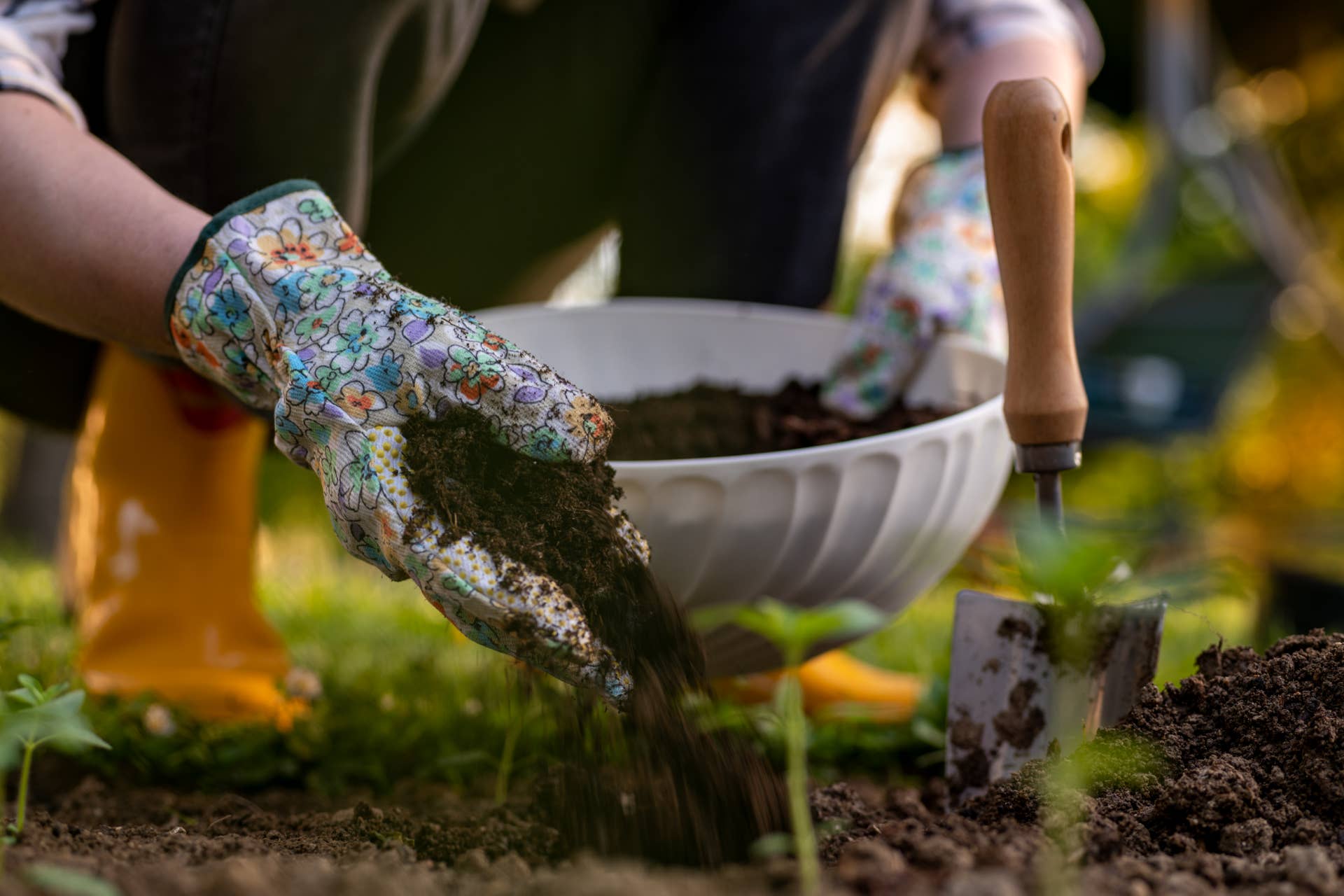
Adding soil or compost to sinking garden beds is a proactive solution to stabilize the surface and provide essential support to sunken plants. When adding soil or compost, ensure that it is carefully layered to prevent burying plant crowns or damaging root systems. Monitoring the settlement of the soil post-addition is crucial to maintain a stable garden bed. Aerating the soil before adding new material can help prevent future sinking issues. It’s important to adjust soil levels gradually with added material to allow plants to acclimate and flourish. By strategically incorporating soil or compost, you can level the sinking garden bed, giving plants the necessary foundation for healthy growth. Remember to be cautious when applying additional material to avoid causing harm to the existing plants. Regular observation and thoughtful application of soil or compost can effectively combat the sinking of garden beds, ensuring a thriving garden environment.
Addressing Compaction
Compaction in garden soil, resulting from factors such as heavy foot traffic and machinery use, can lead to sinking beds due to decreased air and water movement within the soil. Addressing compaction is crucial for maintaining healthy garden beds. Here are some key steps to tackle this issue effectively:
- Aerating Soil: Use tools like a garden fork or aerator to break up compacted soil, allowing for improved air and water circulation.
- Adding Organic Matter: Incorporate compost or well-rotted manure into the soil to enhance its structure, making it less prone to compaction over time.
- Avoiding Wet Soil: Refrain from working on wet soil as it is more easily compacted; wait until the soil is moist but not waterlogged.
- Improving Drainage: Ensure proper drainage in the garden beds by amending the soil with materials like perlite or sand to prevent waterlogging, which can exacerbate compaction issues.
Improving Soil Structure
Enhancing soil structure can be achieved through various methods, such as tilling in leaves and incorporating organic matter like compost. Tilling in leaves and allowing them to decompose gradually can significantly improve soil structure by enhancing aeration and nutrient availability. Additionally, lime application, based on soil analysis recommendations, can help balance pH levels and promote better soil structure. Adding alfalfa pellets to the soil not only provides nitrogen and trace nutrients but also contributes to improved soil structure over time.
One effective way to enhance soil tilth is by incorporating organic matter, such as compost, into the soil. Compost is rich in organic material that helps bind soil particles together, creating a more stable structure. Moreover, directly adding coffee grounds and kitchen waste to the soil can further enrich it with organic matter, fostering better soil structure and promoting healthy plant growth. By utilizing these methods, you can actively improve the structure of your soil, leading to a more productive and resilient garden bed.
Monitoring and Drainage
Regular monitoring of garden bed soil and ensuring proper drainage are essential practices to prevent sinking issues and maintain soil stability. To effectively address these concerns, follow these key steps:
- Monitor: Regularly inspect the garden bed soil for any signs of sinking, such as areas where the soil has compacted or settled unevenly.
- Check Drainage: Ensure that the garden bed has proper drainage to prevent water from accumulating and causing the soil to settle over time.
- Aeration: Promote soil aeration by using techniques like tilling or incorporating organic matter to improve airflow and prevent compaction.
- Prevent Compaction: Implement measures such as avoiding heavy machinery on the soil, using mulch to protect the soil surface, and rotating crops to prevent soil compaction and reduce the risk of sinking issues.