
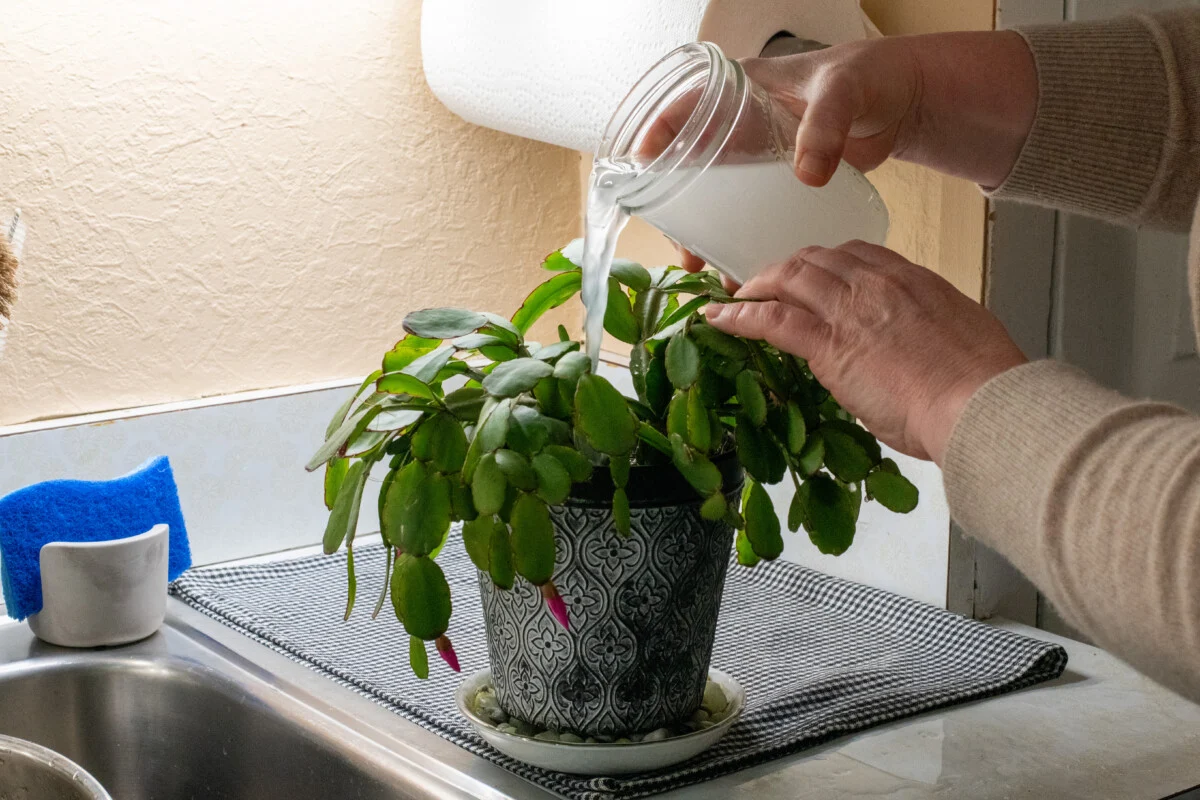
Improve your plant’s health by using starch water, a nutrient-rich liquid from boiled starchy foods like pasta or rice. This natural fertilizer contains essential nutrients such as zinc, calcium, and potassium that aid in plant growth. Cool and strain the water before watering to ensure maximum absorption. Apply every 1-2 weeks around the base of plants for best results. Certain plants benefit more from starch water, like Monstera and Areca Palms. Remember to avoid salt, store properly, and experiment for optimal growth. Try this eco-friendly and cost-effective method to see larger, healthier plants.
What Is Starch Water?

Starch water, derived from boiling starchy foods like pasta, rice, or potatoes, is a nutrient-rich liquid containing natural starches released during the cooking process. When these starchy foods are boiled, the water absorbs some of the starch content, creating starch water. This liquid can be particularly beneficial for plants due to the starches present. Starch, a complex carbohydrate, serves as a source of energy for plants. When applied to soil, starch water can act as a natural fertilizer, providing essential nutrients that support plant growth and development. Plants absorb the starch from the water, utilizing it to fuel various metabolic processes necessary for their well-being. By incorporating starch water into your plant care routine, you can potentially enhance the health and vitality of your houseplants. This natural and cost-effective method offers a practical way to promote lush foliage and robust growth in your indoor greenery.
Benefits for Plant Growth
Using starch water as a natural fertilizer can significantly enhance the overall health and vitality of your plants by providing essential nutrients for optimal growth. Starch water obtained from cooking pasta contains vital elements such as zinc, calcium, and potassium, which are crucial for promoting healthy plant development. These nutrients play a key role in supporting beneficial soil bacterial activity, facilitating better absorption of essential elements by the plants. As a result, incorporating starch water into your plant care routine can lead to lush, vibrant leaves and robust overall growth.
Moreover, the carbohydrates present in starch water not only nourish the plants directly but also stimulate the growth of beneficial soil bacteria, creating a more favorable environment for plant growth. This eco-friendly practice offers a cost-effective alternative to traditional fertilizers, ensuring that your plants thrive while reducing environmental impact. By utilizing starch water, you can enhance your plants’ resilience and appearance, fostering a greener and healthier garden.
Nutrients in Starch Water
Nutrients essential for plant growth, such as zinc, calcium, and potassium, are naturally present in starch water derived from cooking pasta, rice, or potatoes. These essential nutrients play a crucial role in the healthy development of plants. Zinc is involved in enzyme activation and protein synthesis, aiding in overall plant growth and development. Calcium contributes to cell wall structure and stability, promoting strong stems and healthy root systems. Potassium is vital for photosynthesis, water regulation, and nutrient transport within the plant.
When plants are watered with starch water, they not only receive these essential nutrients but also benefit from the natural starches present. Starch water supports soil bacterial behavior, acting as a natural fertilizer for plants. The carbohydrates in starch water provide energy for microbial activity in the soil, resulting in improved nutrient uptake by plants. This leads to robust plant growth, with lush, bold leaves and vibrant blooms. Using starch water for plants is not only practical but also offers a cost-effective and eco-friendly alternative to traditional fertilizers.
How to Collect Starch Water
To collect starch water for your plants, save the water that remains after boiling pasta or rice in a pot. This starchy water can be a valuable resource for watering your plants as it contains nutrients that can benefit their growth. When preparing pasta or rice, ensure that the water used for boiling is free of salt or seasonings, as these can be harmful to your plants. After cooking, strain the starch water to remove any food particles, ensuring that only the liquid is collected for plant use.
Once you have collected the starch water, let it cool to room temperature before using it to water your plants. This precaution prevents any temperature shock to the plants and allows for better absorption of the nutrients present in the water. By incorporating starch water into your plant care routine, you can provide them with a natural source of nutrients that can promote healthy growth and overall plant health.
:max_bytes(150000):strip_icc()/SPR-rice-water-for-plants-8575029-08-e76d1dd80c3d4b0383492d2722507eb6.jpg)
Using Starch Water Safely
When using starch water for plants, ensure safe application methods by diluting it appropriately to prevent nutrient imbalances. Take into account potential risks, such as over-fertilization, which can harm plant roots and overall health. By following these guidelines, you can harness the benefits of starch water while safeguarding your plants from any adverse effects.
Safe Application Methods
Strain the cooled starch water before application to plants to ensure optimal nutrient absorption and prevent potential clogging of soil or harm to plant roots. This step is crucial in preparing the starchy water for use as a plant supplement. Removing any solid particles through straining helps maintain the health of your plants by preventing blockages in the soil and safeguarding the delicate root systems.
Once strained, apply the starch water to the soil around the base of the plant. This method promotes efficient absorption of essential nutrients by the roots. By focusing the application at the plant’s base, you target the area where the roots can readily access the beneficial components of the starch water.
Consider using starch water as an occasional supplement to your regular plant feeding routines. Alternating its use with other fertilizers can contribute to a balanced nutrition plan for your plants, supporting their overall growth and development. Remember to allow the plants to absorb the starch water fully before the next watering or feeding cycle.
Potential Risks to Consider
Straining the cooled starch water before application is necessary to ensure optimal nutrient absorption and prevent potential clogging of soil or harm to plant roots; however, it is important to be aware of potential risks when using starch water safely. When using starch water for house plants, consider that stagnant starch water may attract pests and insects, posing a threat to plant health. Excessive use of starch water can lead to soil compaction, hindering the development of plant roots. To prevent nutrient imbalances, it is crucial to apply starch water sparingly. Plants sensitive to overwatering, such as succulents, may suffer from root rot if exposed to an excess of starch water. Regularly monitor the health of your house plants and check soil moisture levels to ensure that the use of starch water is not causing harm. By being mindful of these risks and practicing moderation, you can safely harness the benefits of using starch water for your plants.
Starch Water Vs. Regular Water
Using starch water instead of regular water can significantly enhance the nutrient content available to your plants for optimal growth and development. Starch water, derived from cooking pasta, contains residual nutrients like zinc, calcium, and potassium that are beneficial for plant growth. In contrast, regular water lacks the natural starches and additional nutrients present in starch water, making it a less effective option for plant care. The carbohydrates introduced by starch water support soil bacterial behavior, aiding in nutrient absorption for plants. When compared to regular water, starch water acts as a natural fertilizer, promoting lush leaves and robust plant growth. Additionally, using starch water for plants offers a cost-effective and eco-friendly alternative to traditional watering methods, with visible benefits for plant health and development. By incorporating starch water into your plant care routine, you can ensure that your plants receive the essential nutrients they need to thrive.
Applying Starch Water to Plants
When applying starch water to plants, ensure it has cooled completely to prevent any potential harm from heat. Gently pour the starch water around the plant’s base for optimal absorption. Consider a balanced approach by alternating between starch water and traditional plant feeds to maintain plant health effectively.
Application Methods
For optimal absorption, pour the cooled starch water around the base of the plant when applying it. This method ensures that the roots have direct access to the nutrients in the starch water. Use a watering can or a spray bottle to apply the starch water evenly to different types of plants. A watering can is ideal for plants that require a larger volume of water, while a spray bottle is suitable for more delicate plants or for spot treatments. It is important to avoid soaking the soil with starch water to prevent root rot. Instead, aim to moisten the soil without causing waterlogging. Remember to apply the starch water in moderation to prevent overfeeding your plants. Overuse can lead to nutrient imbalances and negatively impact the health of your plants. By following these application methods, you can effectively nourish your plants with starch water while maintaining their well-being.
Frequency of Use
Applying starch water to plants at a consistent frequency is crucial for maintaining their nutrient balance and promoting healthy growth. To ensure optimal development, it is recommended to apply starch water once every 1-2 weeks. Overuse of starch water can disrupt the nutrient equilibrium in the soil, affecting plant health negatively. To prevent salt buildup in the growing media, alternate the use of starch water with regular water. The frequency of starch water application should be adjusted based on factors such as plant species, size, and environmental conditions. Monitoring the plants’ health and growth is essential in determining the ideal frequency of starch water application. By carefully managing the usage of starch water and considering the specific needs of your plants, you can help them thrive and flourish in a balanced growing environment.
Best Plants for Starch Water
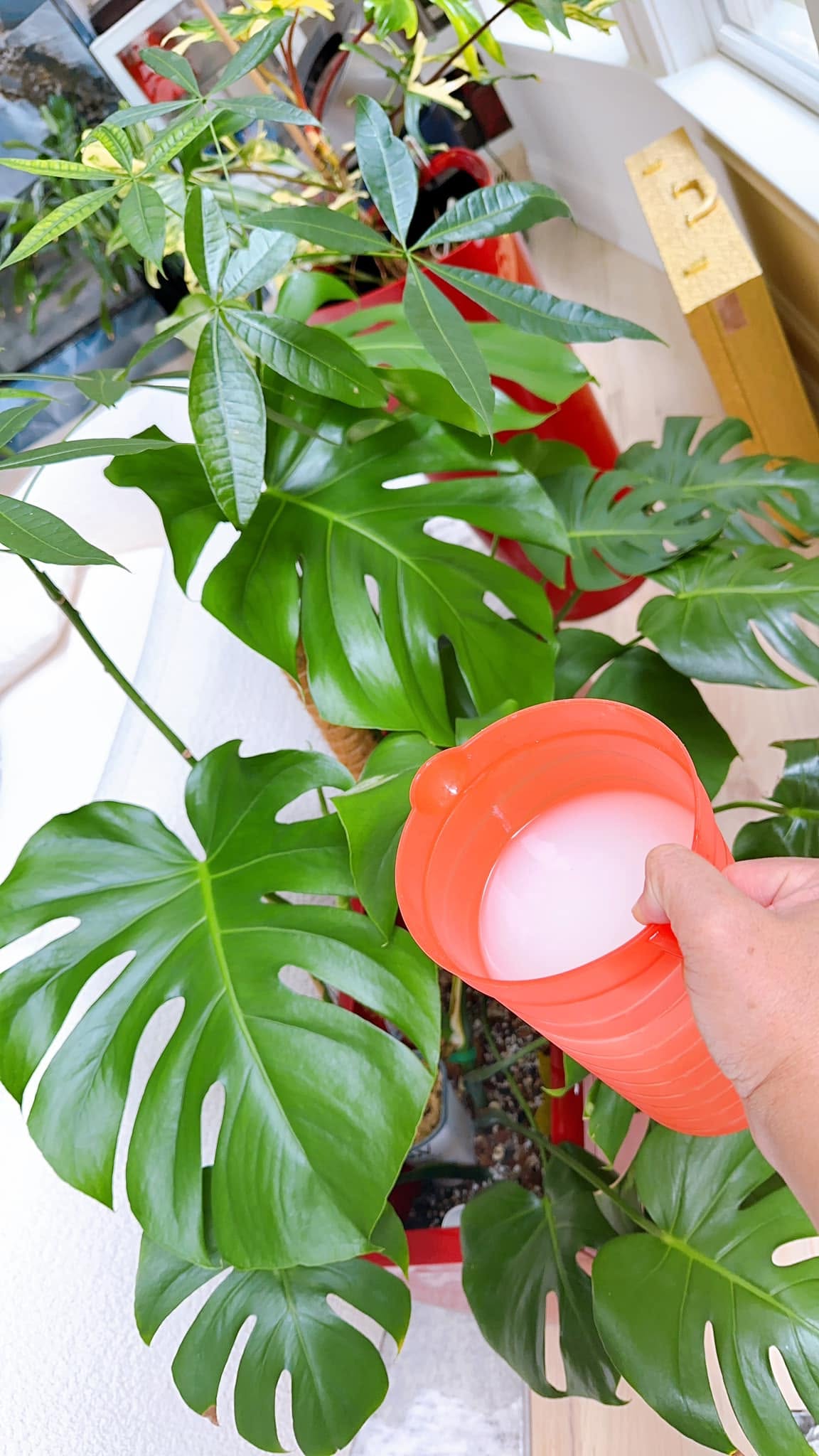
Plants with larger, tropical leaves such as Monstera and Bird of Paradise are among the best candidates for benefiting from the application of starch water. The starchy nutrients present in the starch water can also support the growth of Areca Palms. However, delicate flowering plants like orchids may not be suitable for starch water application due to their specific nutrient requirements. It’s important to note that homemade fertilizers, including starch water, may not be ideal for all plant types, as commercial plant fertilizers are formulated to meet the specific needs of different plant species.
To help you identify which plants are best suited for starch water, take a look at the table below:
| Plant Type | Suitability for Starch Water |
|---|---|
| Monstera | Excellent |
| Bird of Paradise | Excellent |
| Areca Palm | Good |
| Orchids | Poor |
| Delicate Flowers | Poor |
Consider the types of plants you have when deciding whether to use starch water as a fertilizer.
Avoiding Salt in Starch Water
To maintain plant health and growth, it is crucial to eliminate salt from starch water used as a natural fertilizer. Salt in starch water can dehydrate plants and hinder their growth, potentially leading to salt poisoning due to the excess sodium. To avoid such detrimental effects, always opt for unsalted starch water when using it to nourish your plants. The presence of salt in the water can disrupt the delicate balance within the plant, affecting its ability to absorb nutrients and water efficiently. By choosing unsalted starch water, you ensure that your plants receive only the beneficial nutrients without the risk of salt-related issues. Removing salt from the starch water is a simple yet essential step in providing your plants with a healthy and nurturing environment. Make sure to always prepare unsalted starch water to safeguard your plants from salt poisoning and support their overall well-being.
Storing Starch Water
To ensure the efficacy of your starch water solution, store it in a cool, dark place to prevent bacterial contamination. Use a clean, airtight container for storage and refrain from keeping the starch water for more than 24 hours. Remember that refrigeration can help prolong the shelf life of starch water, but be sure to use it promptly and dispose of any solution showing signs of spoilage.
Proper Storage Conditions
When storing starch water, it is essential to place it in a sealed container to prevent contamination. Storing starch water in a sealed container helps maintain its purity and prevents the introduction of harmful bacteria or impurities. Additionally, to preserve the nutrient content of the starch water, it is recommended to store it in a cool, dark place. Exposure to light and heat can degrade the nutrients present in the water, reducing its effectiveness when used on plants.
To ensure the freshness and effectiveness of stored starch water, it is advisable not to store it for extended periods. Bacterial growth can occur over time, compromising the quality of the water and potentially harming your plants. If you do not plan to use the starch water immediately, refrigeration is a suitable method to maintain its freshness.
Remember to label the container with the date when storing starch water. This simple step helps you track the freshness of the water and ensures that you do not inadvertently use old or ineffective starch water on your plants.
Duration of Storage
For optimal benefits, it is recommended to use starch water immediately after cooking pasta. However, if you need to store starch water for later use, it can be kept in the refrigerator for up to 24 hours. This storage method helps preserve the optimal nutrient content of the starch water, ensuring its effectiveness when used for watering plants. It is crucial to avoid storing starch water for extended periods, as nutrients may degrade over time, reducing its efficacy as a plant fertilizer.
Freezing starch water is not advisable, as it can alter the properties of the solution and potentially diminish its effectiveness in providing nutrients to your plants. Freshly prepared starch water is the most effective option for watering your plants, as it contains the highest nutrient richness compared to stored or frozen alternatives. By following these storage guidelines, you can maximize the benefits of starch water for your plants’ growth and health.
Risks of Using Starch Water
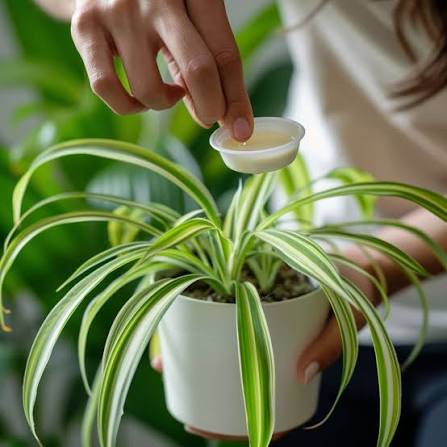
The risks associated with using starch water for plants primarily stem from the potential for mold growth due to its starch content. When using starch water as a plant fertilizer, it’s essential to be aware of the following risks:
| Risks of Using Starch Water | How to Mitigate |
|---|---|
| Potential mold growth due to starch content | Ensure proper drainage to prevent waterlogging. |
| Excessive nutrients leading to visible soil crust | Use starch water sparingly to avoid nutrient overload. |
| Lack of essential nutrients like nitrogen, phosphorus, and potassium | Supplement with a balanced fertilizer to meet plant needs. |
It’s crucial to understand that while starch water can provide some benefits to plants, it is not a complete source of nutrients. Over-reliance on starch water can result in nutrient deficiencies, hindering plant health and growth. Additionally, using salted starch water can dehydrate plants and potentially lead to salt poisoning. To avoid these risks, it’s recommended to use starch water in moderation and supplement with a balanced fertilizer to ensure optimal plant nutrition.
Common Misconceptions About Starch Water
Despite common misconceptions, it is essential to understand the limitations of using starch water for plant nutrition. Starch water, often mistaken for pasta water that contains additional nutrients, lacks essential elements like nitrogen and potassium necessary for optimal plant growth. While some may believe that starch water from sources like potatoes or rice can act as a complete plant fertilizer, this is not accurate as it lacks crucial plant nutrients. Relying solely on starch water for plant nutrition can result in deficiencies that impede overall plant health and development. It is crucial to comprehend that while starch water can offer some benefits, it should not be seen as a substitute for a well-rounded plant feeding regime. To ensure your plants receive the necessary nutrients for thriving growth, supplementing with a balanced fertilizer is imperative alongside any potential benefits of using starch water.
Experimenting With Starch Water
Misconceptions surrounding the use of starch water for plant nutrition should not deter experimentation with this natural fertilizer. By incorporating starch water into your plant care routine, you can observe significant benefits such as larger, healthier leaves, and increased overall resilience in your plants. This natural fertilizer introduces essential nutrients like zinc, calcium, and potassium to the soil, supporting robust plant development by influencing soil bacterial behavior positively.
To guide you through your experimentation with starch water, consider the following table highlighting key aspects:
| Aspect | Details |
|---|---|
| Benefits | Larger, healthier leaves; increased plant resilience |
| Nutrients | Zinc, calcium, potassium introduction to the soil |
| Soil Health | Supports soil bacterial behavior for robust plant growth |
| Application | Consider nutrient balance and rotation with traditional plant feeds for optimal growth |
The table provides a concise overview to assist you in effectively utilizing starch water as a natural fertilizer for your plants.
Conclusion and Final Tips
You can maximize the benefits of using starch water for your plants by applying it in a balanced manner. This natural fertilizer can enhance leaf growth and overall plant health due to its rich nutrients. Remember to let the pasta water cool before using it to prevent any potential heat damage to your plants.
Application Tips
To optimize the application of starch water on plants, ensure the pasta water has cooled completely before watering to prevent heat stress. Pour the cooled pasta water directly at the base of the plant to ensure effective absorption. Strain the pasta water to remove any solid particles that might clog the soil. Use a watering can or spray bottle for controlled application of pasta water on plants. Rotate the use of pasta water with traditional plant feeds to maintain nutrient balance in the soil.
It is essential to allow the pasta water to reach room temperature before using it on your plants. This helps prevent any thermal shock that could harm the plant’s roots. Direct the water towards the soil at the base of the plant to facilitate efficient absorption. Filtering out any solid residues from the pasta water will prevent soil blockages and maintain soil aeration. Employing a watering can or spray bottle enables you to administer the pasta water precisely where needed, avoiding wastage and ensuring optimal nutrient uptake by the plant. By alternating between pasta water and regular plant feeds, you can provide a balanced nutrient supply for healthy plant growth.
Benefits for Plants
Enhancing plant vitality and growth, the application of starch water provides a natural and nutrient-rich boost for optimal plant health. Starch water contains essential nutrients such as zinc, calcium, and potassium, along with carbohydrates that support the behavior of soil bacteria. These components act as a natural fertilizer, promoting the development of lush, bold leaves, and fostering robust plant growth. By using starch water, you can adopt a cost-effective and eco-friendly approach to caring for your houseplants. Additionally, this method accelerates the growth of beneficial microorganisms in the soil, ultimately enhancing the overall health of your plants. While starch water proves beneficial for many plant species, it is crucial to alternate its use with standard plant feeds and carefully monitor the amounts applied to achieve the best results. Embrace the natural benefits of starch water to nurture your plants and witness the positive impact on their growth and vitality.