
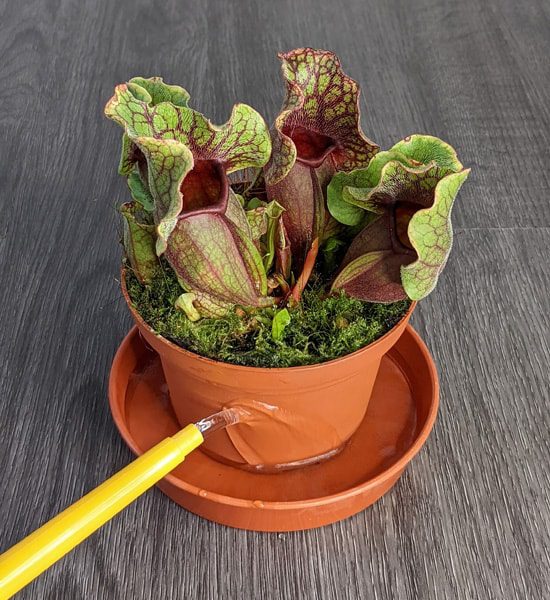
Bottom watering effectively prevents gnats by disrupting their life cycle and promoting healthier plant growth. By selecting a tray slightly larger than your plant’s pot and filling it with water below the pot’s bottom, you allow the plant to absorb moisture through drainage holes, encouraging roots to grow downward. This method helps conserve water, reduces risk of fungal diseases, and keeps soil dry at the surface to deter adult gnats. To further explore how bottom watering can benefit your plants and prevent gnats, discover the best practices, plant choices, troubleshooting methods, and expert tips outlined in detail above.
Benefits of Bottom Watering
Bottom watering offers several advantages in preventing fungus gnats from infesting your plants and promoting overall plant health. These pests are attracted to moist soil where they lay their eggs, leading to a cycle of infestation. By watering from the bottom up, you can keep the top layer of soil dry, making it less hospitable for gnats to reproduce. This method disrupts their life cycle, helping to control their population and protect your plants.
In addition to pest prevention, bottom watering helps conserve water by delivering moisture directly to the roots where it is needed most. This targeted approach reduces water waste and can lead to cost savings over time. Furthermore, by avoiding direct contact with the foliage, bottom watering minimizes the risk of fungal diseases and promotes healthier growth.
How to Bottom Water Correctly
Implementing correct bottom watering techniques is crucial for maintaining optimal soil moisture levels and preventing gnats from infesting your plants. To bottom water correctly, start by selecting a tray that is slightly larger than the plant’s pot. Fill the tray with water to a level that allows the pot to sit above the waterline, ensuring the soil does not become waterlogged. Place the plant in the tray and allow it to absorb water through the drainage holes in the pot’s bottom. It’s important to monitor the soil’s moisture level and only refill the tray once the water has been completely absorbed. This method helps create a healthy root environment by encouraging roots to grow downward in search of moisture. By keeping the topsoil dry, bottom watering disrupts the gnat life cycle and reduces the risk of infestation. Remember to adjust the frequency of bottom watering based on the plant’s specific watering needs and environmental conditions to promote optimal growth and prevent gnats from becoming a nuisance.
Best Practices for Preventing Gnats
To effectively prevent gnats, consider adopting best practices like bottom watering, which disrupts the gnat life cycle by keeping the soil dry at the surface. By watering plants from the base up, you reduce the chances of attracting adult gnats to lay eggs in moist soil, thus minimizing the risk of infestations. This method not only hinders gnat reproduction by limiting the water available for larvae but also helps in maintaining a gnat-free environment for your indoor plants.
Gnats and Bottom Watering
When considering prevention methods for gnats in your indoor plants, adopting a bottom watering approach can effectively disrupt the gnat life cycle and minimize the risk of infestations. Fungus gnats are attracted to moist soil where they lay eggs in the top inch, leading to larvae feeding on organic matter and plant roots. Bottom watering directly to the soil base helps prevent overwatering, root rot, and gnats by keeping the topsoil dry. This technique minimizes disturbance to plant roots and soil, making the topsoil less appealing to fungus gnats for egg-laying. Effective bottom watering practices can significantly reduce adult gnats and larvae within a week or two, preventing recurring gnat issues in your indoor plants. By providing water from the bottom up, you create an environment that disrupts the gnat life cycle and promotes healthier plant growth while keeping those pesky gnats at bay.
Effective Gnat Prevention
Using bottom watering as a preventative measure is a highly effective strategy in disrupting the gnat life cycle and minimizing infestations in indoor plants. By delivering water directly to the soil from the bottom up, this method helps create an environment that is less attractive to gnats for egg-laying. Not only does bottom watering prevent overwatering, reducing the risk of root rot, but it also minimizes disturbance to plant roots and soil, which in turn deters gnat infestations.
Gnats typically seek out the top inch of damp soil to lay their eggs, but bottom watering maintains a dry surface, limiting their opportunities to reproduce. This technique serves as a crucial tool in combating recurring gnat issues in indoor gardening spaces by disrupting the conditions that favor gnat infestations. By incorporating bottom watering into your plant care routine, you can effectively prevent gnat infestations and ensure the health and vitality of your indoor plants.
Top Plant Choices for Bottom Watering
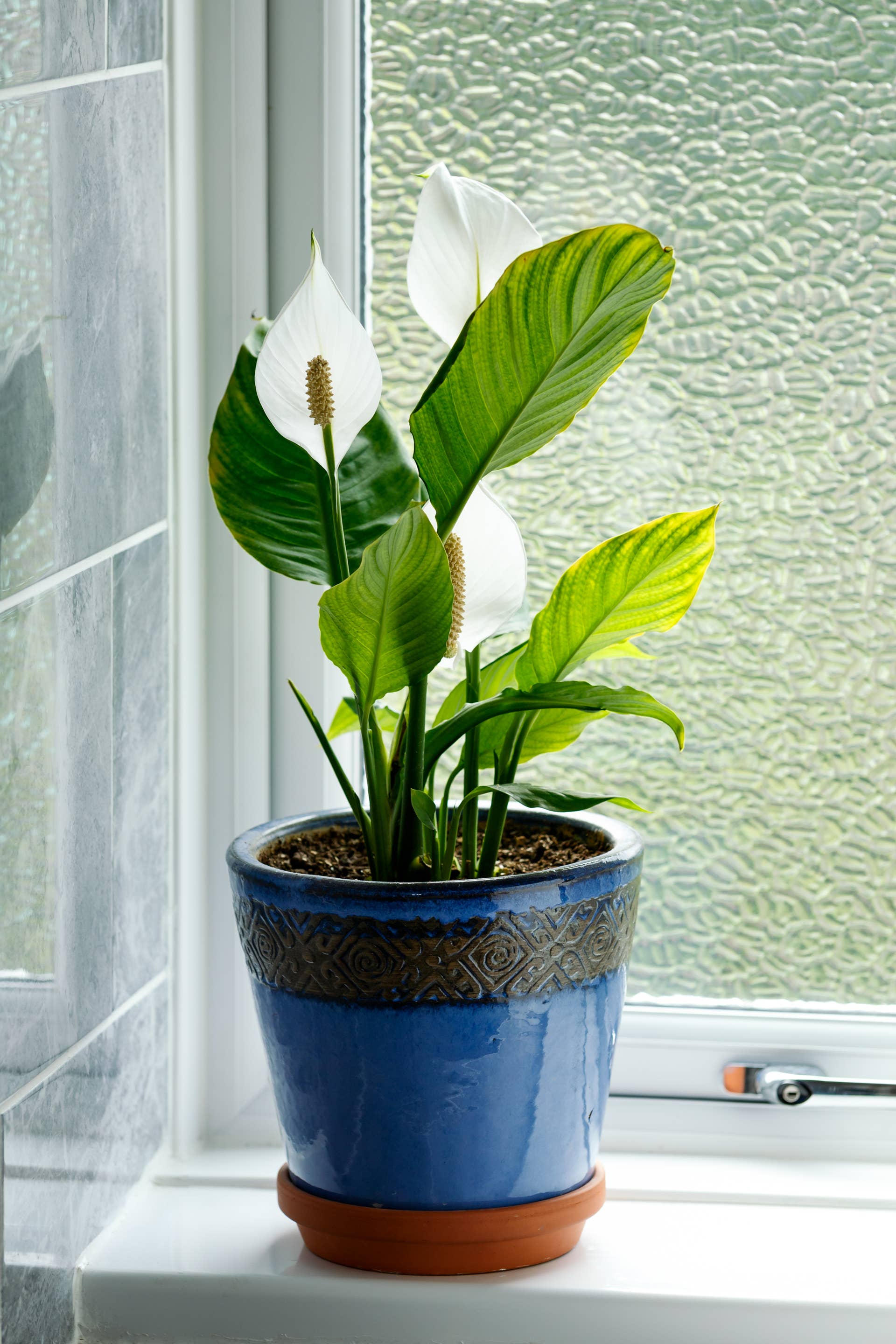
Spider plants, peace lilies, snake plants, and pothos are among the top plant choices for bottom watering due to their durable root systems and ability to thrive with consistent moisture. Spider plants, for instance, prefer well-drained soil and can handle occasional drying out between waterings. Peace lilies are recognized for their unique trait of signaling when they require water, making them well-suited for bottom watering schedules. Snake plants are known for their robust nature and can flourish with the moisture provided by bottom watering methods. Pothos, with its low maintenance requirements and adaptability to various light conditions, also benefits from bottom watering. Selecting these plant varieties for bottom watering can promote healthier growth by ensuring their roots receive adequate but not excessive moisture, ultimately diminishing the likelihood of gnat infestations. By choosing plants that thrive under bottom watering conditions, you can create an environment that fosters optimal growth and minimizes potential pest issues.
Troubleshooting Bottom Watering Methods
To ensure successful bottom watering practices for your plants, careful troubleshooting of potential issues is essential for maintaining optimal plant health and growth. One common problem to watch out for is improper drainage in your pots, leading to waterlogging and potential root rot. Make sure your containers have adequate drainage holes to avoid this issue. Additionally, adjust the frequency of bottom watering based on factors such as plant type, size, and soil moisture levels. Monitoring the soil surface can help you determine the right amount of water to provide. Consider using a capillary mat or wick system for more efficient bottom watering, especially for larger plants or when you have multiple pots to water. Keep an eye on plant health indicators like yellowing leaves or wilting, as these can signal over- or under-watering. Experiment with different bottom watering techniques to find the best method for your specific plants and growing conditions.
Expert Tips for Successful Bottom Watering
For successful bottom watering to prevent gnats, consider implementing expert tips to optimize your plant care routine. When watering potted plants from the bottom, it is crucial to ensure that the water reaches the entire layer of the soil. To achieve this, place your potted plant in a saucer or tray filled with water for a certain period, allowing the soil to absorb moisture through the drainage holes at the bottom of the pot. It is essential to monitor the watering duration carefully, as overwatering can lead to waterlogging and root rot.
Another expert tip is to use a watering can with a long spout or a specialized bottom-watering container to ensure precise water delivery to the base of the plant. Additionally, consider using a watering gauge to measure the moisture level in the soil accurately. By following these expert tips, you can effectively prevent gnats by maintaining the right moisture balance in your potted plants’ soil.