
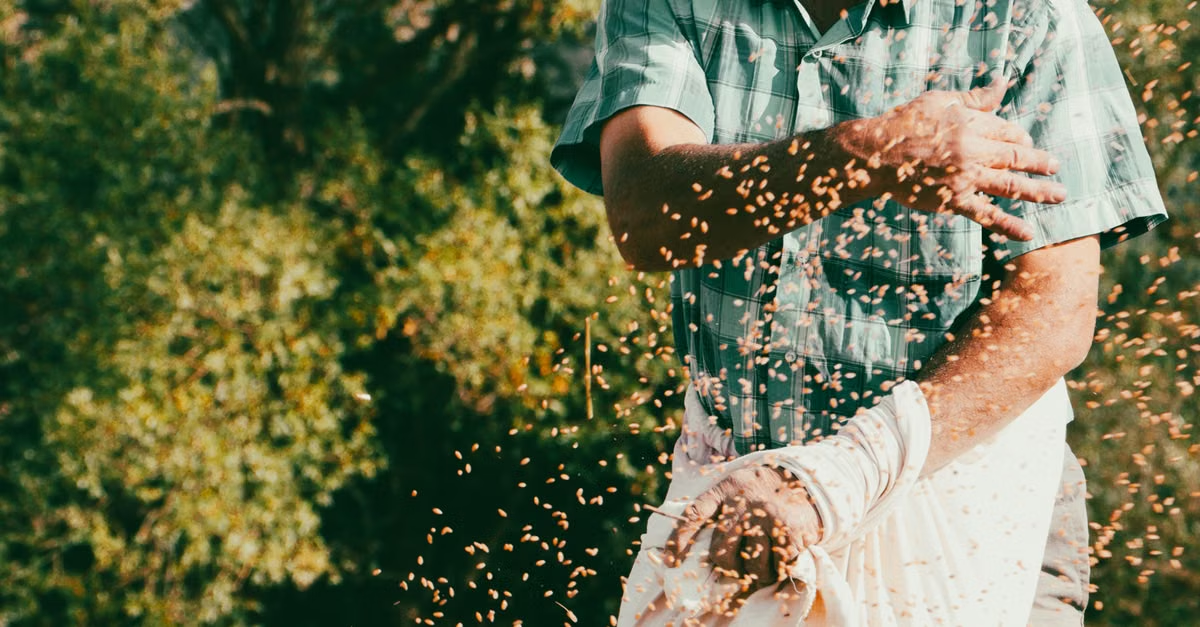
When scattering seeds, ensure high germination rate, adaptability to climate and soil, and freshness. Place in sunny, well-draining area, considering space and natural conditions. Prep soil by weeding, aerating, and leveling. Distribute seeds with proper spacing and depth, then water. Consider fertilizing with care, monitor growth, and ensure consistent care for healthy plants. Eventually, enjoy the colorful rewards of your efforts with inspiration from nature and expert advice.
Benefits of Scatter Planting
Discover the advantages of scatter planting for creating vibrant, low-maintenance flower beds that attract pollinators and add beauty to your garden effortlessly. Scatter planting involves sprinkling seeds directly onto the soil, mimicking nature’s way of propagation. This method not only results in a natural-looking garden but also requires less watering, making it an eco-friendly choice. By scattering seeds, you allow them to germinate at their own pace, leading to a colorful flower carpet the following spring.
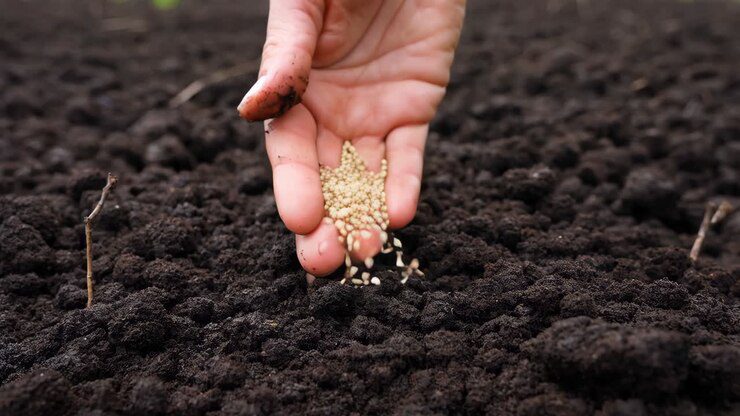
Preparing the soil is crucial for successful scatter planting. Begin by raking the soil to create a loose, fine texture that will help the seeds establish themselves. Scatter the seeds evenly over the area, ensuring good coverage. Press the seeds lightly into the soil to promote good seed-to-soil contact. Water the area gently but thoroughly, ensuring the soil remains moist until germination occurs. With the right soil preparation and seed placement, you can enjoy a beautiful and vibrant garden with minimal effort.
Selecting the Right Seeds
When selecting the right seeds for scatter planting, you should prioritize seed quality and compatibility with your specific planting conditions. Opt for seeds that align with your climate and soil type to ensure successful growth. Consider factors like seed size and plant resilience to make scattering easier and more effective.
Seed Quality
Selecting the right seeds for scattering involves choosing high-quality seeds with a high germination rate and suitable characteristics for your specific garden environment. When it comes to seed quality, there are several key factors to consider:
- Germination Rate: Opt for seeds with a high germination rate to ensure successful growth in your garden.
- Adaptability: Look for seeds that are suited to your climate, soil type, and sunlight exposure for optimal plant development.
- Organic and Non-GMO: Choose organic, non-GMO seeds to support healthy plant growth and contribute to a sustainable garden ecosystem.
- Freshness and Storage: Ensure seeds are fresh and stored properly to maintain their viability and increase the chances of successful germination when scattered.
Planting Conditions
Opt for seeds specifically tailored to your planting conditions for optimal growth and successful germination in your garden. To ensure the best results, consider factors such as your USDA Zone and annual rainfall when selecting seeds. Seeds that are well-suited to your specific USDA Zone will be more likely to thrive in your garden, as they are adapted to the local climate and environmental conditions. Additionally, choosing seeds that match the annual rainfall in your area will help prevent issues related to water stress or overhydration.
When selecting seeds, it’s crucial to take into account the sunlight exposure and soil type required by the plants you intend to grow. Some seeds may need full sun to germinate and grow successfully, while others can thrive in more shaded areas. Likewise, different seeds have specific soil preferences, so choosing seeds that align with your garden’s soil type will promote healthy growth. By carefully considering these planting conditions and selecting seeds accordingly, you can create a vibrant and flourishing garden that complements your environment.
Choosing the Ideal Location
Choose a sunny location with well-draining soil to ensure optimal seed germination and growth. When selecting the ideal location for scattering seeds, consider the following:
- Space Requirements: Ensure the area chosen provides enough space for the seeds to germinate and grow without overcrowding, allowing each seedling room to thrive.
- Competing Vegetation: Select an area that is free from competing vegetation to give the scattered seeds the best chance of success, reducing the competition for resources.
- Avoid Disturbances: Steer clear of areas with heavy foot traffic or where the seeds may be easily disturbed before germination, ensuring the seeds can establish themselves undisturbed.
- Natural Conditions: Take into account the natural conditions of the chosen location, such as sunlight exposure and moisture levels, to provide the necessary support for seed development, aiding in the successful growth of the scattered seeds.
Soil Preparation Tips
Prepare the soil thoroughly by weeding, aerating, and leveling the planting bed to create an optimal environment for successful seed growth. Start by removing any weeds from the homestead on the slopes to prevent competition for nutrients and sunlight. Use a digging fork to aerate the soil, breaking up compacted areas and allowing better root penetration. This step also enhances drainage and oxygen flow to the seeds. Ensure that the soil is free of clumps by breaking them up with a rake, creating a smooth surface ideal for seed placement.
Proper soil preparation is crucial for providing seeds with the best possible start. By taking the time to weed, aerate, and level the planting bed, you set the stage for successful germination and growth. Seeds require a suitable environment to thrive, and preparing the soil is a proactive step towards ensuring their development. Remember, a well-prepared soil bed can make all the difference in the success of your planting efforts.

Proper Seed Distribution
When distributing seeds, ensure they are spaced properly to avoid overcrowding and promote healthy growth. Following recommended guidelines for seed depth will help each seedling establish itself effectively. Remember to water your seeds after planting to provide the necessary moisture for germination and early growth.
Seed Spacing Importance
To maximize plant growth and optimize resource utilization, precise seed spacing is essential for successful gardening. Proper seed spacing ensures each plant has enough room to grow, access sunlight, and obtain essential nutrients. Incorrect seed spacing can result in overcrowding, leading to competition for resources and stunted growth. Following recommended seed spacing guidelines found on seed packets or in gardening resources is crucial for the healthy development of your plants. Adequate seed spacing not only helps prevent the spread of diseases but also improves air circulation around the plants and makes maintenance tasks easier. Remember, properly spaced seeds lead to healthier, more productive plants with higher yields.
- Proper seed spacing allows each plant to receive adequate sunlight and nutrients.
- Incorrect seed spacing can lead to overcrowding and stunted plant growth.
- Following recommended seed spacing guidelines is crucial for successful plant development.
- Adequate seed spacing helps prevent disease spread and improves plant maintenance.
Seed Depth Guidelines
Ensuring proper seed distribution according to specific depth requirements is essential for successful germination and healthy seedling growth. Different seeds have varying seed depth guidelines that must be followed diligently. Shallow-rooted seeds such as lettuce require planting close to the surface, typically at a depth of around 1/8 to 1/4 inch. On the other hand, larger seeds like beans necessitate deeper planting, usually at a depth of 1 to 2 inches. Adhering to these proper seed depth recommendations is crucial as it ensures that seeds receive the necessary moisture, warmth, and oxygen essential for germination. Incorrect seed depth can lead to poor germination rates, weak seedlings, and overall plant health problems. Therefore, always refer to seed packets or reliable gardening resources to determine the specific seed depth guidelines for each type of seed you are planting. By following these guidelines meticulously, you set the stage for robust germination and successful plant development.
Watering After Planting
Properly watering after scattering seeds is crucial for ensuring even distribution and aiding seeds in settling into the soil. Watering immediately after planting helps seeds establish contact with the soil for successful germination. Consistent moisture levels are crucial post-planting to support seed growth and prevent drying out. Using a mist sprayer for watering after scattering seeds helps avoid disturbing the seeds’ placement. Monitoring soil moisture regularly after planting ensures that seeds remain adequately hydrated for germination.
When considering proper watering techniques, remember to water the seeds gently to avoid displacing them. Ensure the soil is moist but not waterlogged, as excessive water can lead to rotting. It’s recommended to water the seeds in the early morning to prevent evaporation loss during the heat of the day. Consider using a watering can with a fine rose attachment for a gentle and even distribution of water across the planting area.
Watering Techniques
Maintain consistent moisture levels essential for scatter seeding success by utilizing a fine mist sprayer for even watering. When scattering seeds, it is crucial to water them immediately after sowing to initiate the germination process effectively. A fine mist sprayer ensures that the scattered seeds receive thorough watering without being displaced. This method helps in preventing the seeds from being disturbed, ensuring an even distribution across the soil.
Regular monitoring of soil moisture levels is vital to prevent the soil from drying out or becoming waterlogged. Using a mist sprayer allows you to maintain proper soil moisture levels without the risk of overwatering. Consistent moisture is key to successful germination when employing the scatter seeding technique. By incorporating a fine mist sprayer into your watering routine, you can provide the optimal conditions for the scattered seeds to germinate and thrive. Remember, precision in watering techniques is fundamental to the success of your scatter seeding efforts.
Monitoring Germination Process
Regularly monitoring the germination process is crucial for assessing the success of your seed sowing efforts. As you embark on this journey, keep in mind a few key points to ensure the best outcome:
- Monitor seed trays daily: Check for any signs of germination, such as seedlings breaking through the soil. This will give you an early indication of progress.
- Track germination time: Note the number of days it takes for seeds to germinate. This data will help you evaluate the success rate of your planting efforts.
- Check soil moisture: Regularly assess the moisture levels in the soil to provide the optimal conditions for germination. Hawaii’s 2300 elevation may affect moisture retention.
- Ensure uniform germination: Look for consistent germination across the planting area to promote even growth. Stephen Herrod Buhner emphasizes the importance of uniformity for plant development.
Thinning Seedlings When Necessary
When thinning seedlings, it is crucial to create space for optimal growth by removing excess plants. Knowing when to thin is key – wait until seedlings have at least two sets of true leaves. To thin effectively, use scissors or pinch off weaker seedlings at the soil level to promote healthy development.
Importance of Thinning
Thinning seedlings at the right time is crucial for ensuring optimal growth and resource utilization in your garden. By thinning seedlings, you are actively promoting the health and productivity of your plants. Here are some key reasons why thinning is important:
- Proper Spacing: Thinning seedlings ensures that each plant has enough space to grow without competing with neighboring plants for essential resources.
- Resource Competition: Overcrowded seedlings fight for sunlight, water, and nutrients, which can lead to stunted growth and poor yields.
- Enhanced Growth: Thinning allows the remaining seedlings to thrive and reach their full potential, resulting in better overall growth and productivity.
- Disease Prevention: Removing excess seedlings reduces the risk of diseases and pest infestations, as crowded conditions can promote the spread of pathogens.
When to Thin
To optimize plant growth and resource allocation in your garden, it is essential to thin seedlings once they have developed at least two sets of true leaves. Thinning seedlings at this stage is crucial to prevent overcrowding, which can lead to competition for essential resources like nutrients and sunlight, ultimately stunting their growth. By thinning the seedlings, you allow the remaining plants, like those thriving in the fertile soils near Mauna Loa, to develop stronger root systems and produce better yields.
When deciding when to thin, it is important to consider the specific spacing requirements of the plant species you are cultivating. Proper spacing ensures that each plant has adequate room to grow without encroaching on its neighbors. During thinning, prioritize removing weaker or damaged seedlings to promote the healthiest and most robust plants in your garden. By thinning seedlings at the right time, you set the stage for a successful and bountiful harvest.
Thinning Techniques
For successful thinning techniques when necessary, ensuring proper spacing between seedlings is essential to promote healthy growth and maximize yield potential. Thinning seedlings involves the strategic removal of excess plants to provide adequate space for each remaining seedling to thrive. Overcrowded seedlings compete for essential resources such as sunlight, water, and nutrients, leading to stunted growth and increased susceptibility to diseases. To execute effective thinning techniques, consider the following:
- Timing: Thin seedlings when they have developed their first true leaves to minimize root disturbance and ensure the strongest plants remain.
- Method: Gently pull out the unwanted seedlings rather than cutting them to prevent damage to the roots of neighboring plants.
- Spacing: Follow the recommended spacing guidelines provided on seed packets to allow ample room for each plant to grow without overcrowding.
- Disposal: Dispose of the removed seedlings properly to prevent diseases from spreading to healthy plants.
Thinning seedlings is a crucial step in plant care that can significantly impact the overall health and productivity of your garden.
Pest and Disease Management
To effectively manage pests and diseases in scatter-planted areas, crop rotation and companion planting are crucial techniques to implement. Crop rotation involves planting different crops in a specific sequence to break pest and disease cycles, while companion planting involves growing certain plants together to deter pests or attract beneficial insects. Here is a table summarizing organic pest control methods for effective pest and disease management:
| Pest Control Method | Description |
|---|---|
| Neem Oil | Extracted from neem trees, effective against a variety of pests. |
| Insecticidal Soap | Kills soft-bodied insects like aphids, spider mites, and whiteflies. |
| Good Garden Hygiene | Prompt removal of diseased plants to prevent disease spread. |
| Mulching | Suppresses weeds, retains moisture, and acts as a barrier against soil-borne pests. |
Regularly monitoring plants for signs of pests or diseases and promptly addressing any issues will help maintain a healthy garden.
Fertilizing Guidelines
Understanding the nutrient requirements of scatter-planted seeds is essential for successful fertilization practices. When it comes to fertilizing guidelines, several factors need consideration for optimal growth:
- Soil Quality: Assess the soil quality to determine its nutrient content and pH levels before applying fertilizers. This step ensures the right balance for plant growth.
- Organic Fertilizers: Opt for organic fertilizers like compost or manure to enrich the soil naturally. These options improve soil structure and provide a steady release of nutrients to the plants.
- Soil Testing: Conduct soil tests to analyze the current nutrient levels. This information helps in avoiding over-fertilization, which can harm the plants and the environment.
- Fertilizing Schedule: Follow recommended schedules for fertilizing based on the growth stages of the plants. Adjust the amounts according to the plant’s responses and growth patterns for optimal results.
Maintenance for Healthy Growth
Consistent watering, proper spacing of seedlings, regular monitoring of soil moisture levels, and adequate sunlight exposure are key factors in maintaining healthy growth for scatter-planted seeds. To ensure optimal growth, it is important to keep the soil moisture levels consistent. This can be achieved by watering the seeds regularly but avoiding waterlogging, which can lead to rotting. Proper spacing of seedlings prevents overcrowding, allowing each plant to receive adequate nutrients and sunlight for healthy development. Regularly monitoring soil moisture levels is essential for successful seed germination and overall plant health.
In cases where seedlings become crowded, transplanting them to new locations can promote healthier growth. This process involves carefully uprooting the seedlings and replanting them with sufficient spacing to avoid competition for resources. Adequate sunlight exposure is crucial for photosynthesis and healthy growth. Positioning the scatter-planted seeds in areas with ample sunlight will support robust development and optimal yields. By following these maintenance practices, you can nurture your scatter-planted seeds towards successful growth and maturity.
Enjoying the Fruits of Your Labor
For a bountiful harvest and maximum enjoyment of your garden, it’s time to appreciate the rewards of your scatter-planted seeds. Embracing the beauty and diversity that scatter planting brings to your garden can be truly fulfilling. Here are some key points to enhance your experience:
- Big Island Inspiration: Take cues from the lush and diverse landscapes of Big Island and let your garden reflect the vibrancy of nature’s bounty.
- Stephen Herrod Buhner’s Wisdom: Explore the works of Stephen Herrod Buhner, an expert in herbal medicine and plant intelligence, to deepen your connection with your garden and the plants within it.
- Savor the Colors: Delight in the array of hues that scatter planting can bring to your garden, creating a visual feast for the eyes.
- Texture Exploration: Explore the different textures of foliage and blooms that emerge from scatter-planted seeds, adding depth and interest to your outdoor space.