

When using spring water on plants, you provide essential minerals like calcium, magnesium, and potassium crucial for plant growth and development. The balanced pH in spring water aids in nutrient absorption and supports microbial activity in the soil. By choosing spring water, you ensure optimal hydration, promoting overall plant health and vitality while avoiding harmful chemicals often found in tap water. To water effectively, ensure plants receive hydration when the top inch of soil is dry, and water thoroughly until excess drains. Spring water’s mineral-enriched nature ensures plant growth and health.
Benefits of Spring Water for Plants
Spring water offers plants a rich source of essential minerals such as calcium, magnesium, and potassium, which are crucial for promoting healthy growth and development. Plants need these minerals for various physiological functions like photosynthesis, enzyme activation, and overall structural integrity. Calcium aids in cell wall formation and nutrient uptake, magnesium is essential for chlorophyll production and enzyme function, while potassium regulates water movement and nutrient transport within the plant. The balanced pH of spring water is also advantageous for plants, as it helps in nutrient absorption and microbial activity in the soil, supporting a healthy root system.
When using spring water, you provide plants with a reliable source of essential nutrients without the risk of harmful chemicals or contaminants that might be present in other water sources. The consistent mineral composition of spring water ensures that your plants receive the necessary elements for optimal growth and vitality, promoting lush foliage, vibrant blooms, and overall resilience to environmental stressors. Vegas spring water, with its balanced pH and rich mineral content, particularly stands out as an excellent choice for promoting the health and development of your plants.
Mineral-Rich Properties of Spring Water
You’ll find that spring water’s mineral-rich properties offer significant benefits to your plants. These minerals aid in the absorption of essential nutrients, enrich the soil with vital elements, and enhance overall plant growth. By utilizing spring water, you are providing your plants with a natural and nourishing source that fosters their development and health.
Nutrient Absorption Benefits
To optimize nutrient absorption in plants, the mineral-rich properties of spring water play a crucial role in providing essential elements like calcium, magnesium, and potassium. These minerals are vital for various plant functions such as photosynthesis, enzyme activation, and overall growth. Calcium, for instance, contributes to cell wall structure and permeability, while magnesium is essential for chlorophyll synthesis. Potassium aids in water uptake, nutrient transportation, and overall plant health.
The natural mineral content in spring water enhances nutrient uptake by plants more effectively than regular tap water. The balanced pH levels in spring water create an ideal environment for nutrient absorption, ensuring that plants can access the essential elements they need for robust growth. Additionally, the trace elements present in spring water support plant metabolism and vitality, contributing to their resilience against environmental stressors and promoting overall health. By using spring water on your plants, you can help them thrive and reach their full potential.
Soil Mineral Enrichment
Enhancing soil mineral content through the application of mineral-rich spring water can significantly benefit plant growth and root development. Spring water is naturally imbued with essential minerals such as calcium, magnesium, and potassium that play vital roles in plant nutrition. When used to water plants, these minerals enrich the soil, creating an optimal environment for root systems to thrive. The alkaline nature of spring water also helps in maintaining a balanced pH level in the soil, facilitating the absorption of nutrients by plant roots. This mineral content not only supports plant growth but also enhances their overall vitality and resilience. As plants receive regular doses of these natural minerals through spring water, they exhibit vibrant foliage and robust growth due to the nutrient-rich composition of the water. By incorporating mineral-rich spring water into your plant care routine, you can promote healthier soil and foster stronger, more vigorous plants.
Plant Growth Enhancement
How do the mineral-rich properties of spring water contribute to enhancing plant growth? Spring water, known for its mineral content, serves as one of the best waters for plants due to the essential nutrients it provides. Minerals like calcium, magnesium, and potassium present in spring water play a vital role in supporting plant growth and development. These nutrients aid in various plant functions, from photosynthesis to root development. Additionally, the balanced pH level of spring water helps in optimal nutrient absorption by plants, further enhancing their growth potential.
When you water your plants with spring water, you are essentially providing them with a natural source of nourishment that can lead to healthier foliage, stronger roots, and overall improved vitality. The minerals present in spring water promote lush greenery and vibrant blooms across a wide range of plant species. Regularly using spring water on your plants can also enhance their resilience to stressors and environmental changes, making it a practical choice to purify water for your plant’s growth enhancement.
Nutrients in Spring Water
You’ll find that the nutrients present in spring water play a crucial role in enhancing plant growth. These essential minerals, such as calcium, magnesium, and potassium, are readily absorbed by plants, supporting their overall health. The natural mineral content of spring water can significantly impact how frequently you need to water your plants to ensure they receive the necessary nutrients for optimal growth.
Spring Water Minerals
Within spring water, an array of essential minerals such as calcium, magnesium, and potassium are present, offering valuable nutrients for plant development. The mineral composition of spring water plays a significant role in supporting plant growth. Calcium aids in cell wall structure and nutrient uptake, magnesium is crucial for photosynthesis and enzyme function, while potassium helps in overall plant health and disease resistance. The varying mineral content in spring water, depending on its source, provides a natural and diverse nutrient mix for plants. Additionally, the balanced pH levels and trace minerals found in spring water contribute to optimal plant growth. Compared to tap water, spring water offers plants a more natural and mineral-rich hydration option, promoting better nutrient absorption and utilization. By utilizing spring water for your plants, you can enhance their overall health and vitality, thanks to the beneficial minerals it contains.
Plant Nutrient Absorption
Spring water provides plants with essential nutrients such as calcium, magnesium, and potassium, crucial for their growth and development. When plants absorb nutrients from spring water, they receive a natural balance of minerals that support key processes like photosynthesis, ultimately leading to healthier growth and vitality. The mineral content in spring water acts as a reliable source of nourishment for plants, ensuring they thrive and remain resilient. Using spring water is beneficial because it offers a complete package of essential minerals that are readily absorbed by plants, unlike other types of water that may lack these crucial nutrients. With the consistent supply of nutrients from spring water, plants can reach their full potential and exhibit optimal health. Therefore, when looking to provide your plants with the best water to use, opting for spring water can significantly contribute to their overall well-being and ensure they thrive in their environment.
Watering Frequency Impact
When considering the impact of watering frequency on nutrient absorption in plants, the mineral-rich content of spring water plays a significant role in enhancing their overall health and development. Spring water is naturally abundant in essential minerals like calcium, magnesium, and potassium, which are crucial for plant growth. By watering your plants with spring water, you are providing them with these vital nutrients, promoting their vitality and resilience.
The watering frequency with spring water also influences how effectively plants absorb these natural minerals. Consistent watering schedules using spring water can help maintain a balanced mineral content in the soil, supporting optimal nutrient uptake by the plants. This, in turn, can lead to improved growth and long-term sustainability for your plants.
Plants watered with spring water tend to exhibit better development and health compared to those watered with tap water due to the superior mineral composition. Therefore, adjusting your watering routine to incorporate spring water can have a positive impact on the overall well-being of your plants.
Natural Purity of Spring Water
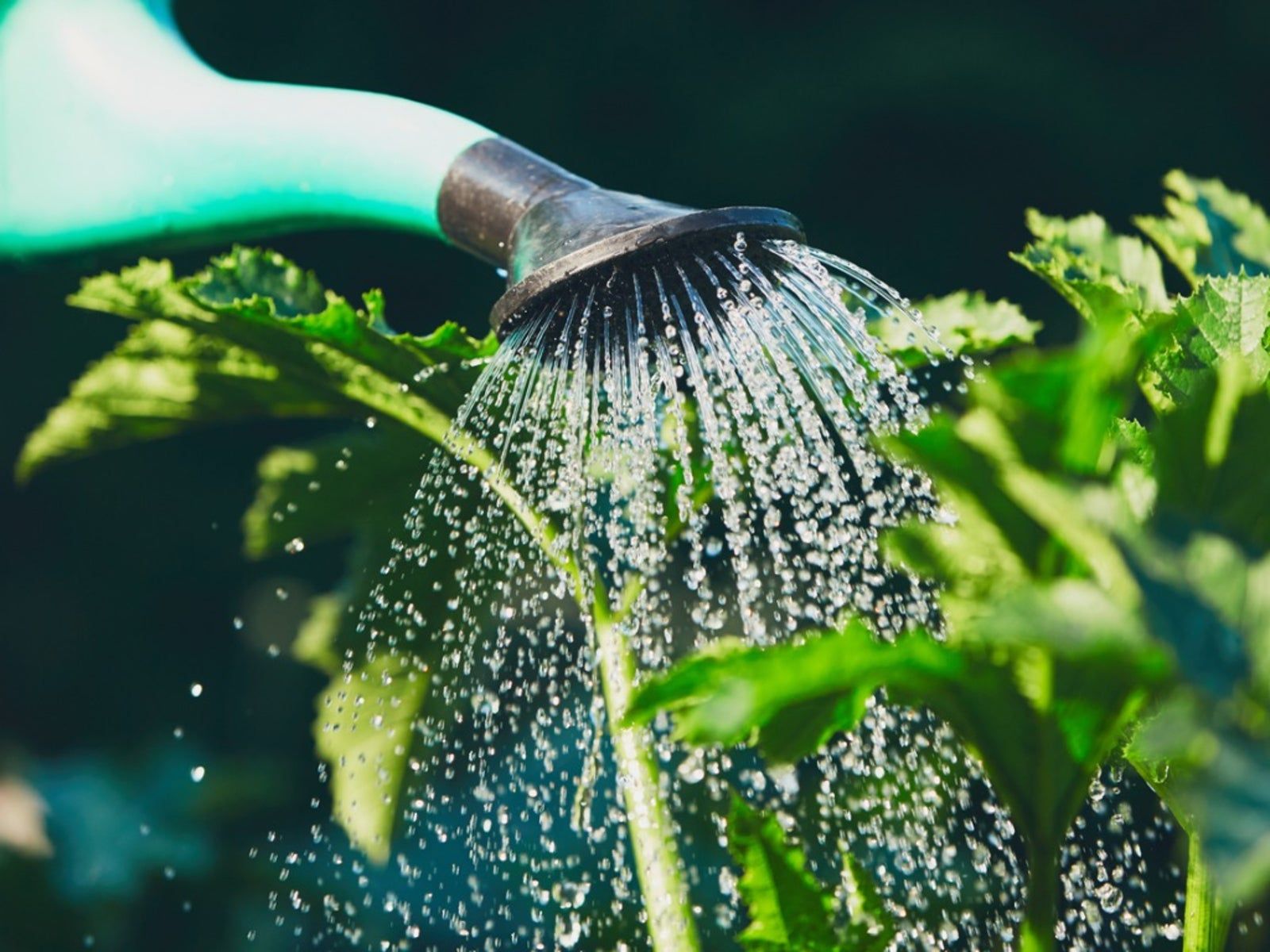
With its natural purity and essential mineral content, spring water is a valuable resource for nurturing plant growth and health. Natural spring water is sourced directly from underground aquifers, ensuring its purity as it bypasses many of the contaminants found in surface water sources. This purity makes it an excellent choice for watering your plants, providing them with the essential minerals like calcium, magnesium, and potassium necessary for robust growth.
One of the key advantages of using spring water is its balanced pH level, which is often ideal for a wide range of plant species. This balanced pH helps avoid fluctuations that can stress plants and hinder their development. Additionally, spring water is free of added chemicals commonly found in tap water, reducing the risk of harmful substances negatively impacting your plants.
For plant enthusiasts seeking a natural and pure watering option, spring water stands out as a reliable choice. Its inherent cleanliness and mineral content make it a preferred option for promoting plant health and vitality.
Why Choose Spring Water for Plants
You should choose spring water for your plants because of its natural mineral benefits, which provide essential nutrients for their growth. The pure and balanced composition of spring water ensures optimal hydration for your plants, promoting overall health and vitality. By opting for spring water, you can help your plants thrive without the potential risks of harmful chemicals found in tap water.
Natural Mineral Benefits
Spring water’s natural mineral benefits make it a superior choice for promoting healthy plant growth. Essential minerals such as calcium, magnesium, and potassium found in spring water play a crucial role in supporting plants’ overall health and vitality. These minerals are delivered in a balanced form, ensuring that your plants receive the necessary nutrients without the risk of harmful chemicals or contaminants. The balanced pH of spring water is also advantageous, making it an ideal choice for a wide range of indoor and outdoor plants. By utilizing spring water, you provide your plants with a natural and holistic approach to their mineral requirements. The natural balance of minerals in spring water enhances the growth and development of your plants, contributing to their overall well-being. Consider incorporating spring water into your plant care routine to maximize the benefits of these essential minerals and promote lush, vibrant plant growth.
Pure and Balanced
For optimal plant growth and health, selecting spring water as your watering choice ensures a pure and balanced mineral-enriched solution that promotes vibrant plant development. Bottled spring water is a reliable option for maintaining alkaline soil and supporting plant growth due to its natural mineral composition. The balanced pH level of spring water provides plants with essential nutrients without the risk of harmful chemicals often present in tap water. By choosing spring water, you are offering your plants a clean and mineral-enriched hydration source that fosters overall plant health and vitality.
| Mineral Content | pH Level | Benefits |
|---|---|---|
| Calcium | 7.5-8.5 | Supports cell wall structure and growth |
| Magnesium | 8.0 | Essential for photosynthesis process |
| Potassium | 7.0-8.0 | Aids in overall plant growth and flowering |
Optimal Plant Hydration
Optimal plant hydration is crucial for fostering robust growth and vitality in your plants, making the choice of spring water a valuable resource for ensuring their overall health. When it comes to watering plants, using the best water is essential to provide them with the necessary nutrients for thriving. Spring water, enriched with minerals and free of contaminants, offers a superior option for hydrating your plants effectively.
The mineral content in spring water plays a vital role in promoting optimal hydration and overall health in plants. Its balanced pH level makes it a reliable choice for watering both indoor and outdoor plants without causing any harm. By opting for spring water, you are providing your plants with essential minerals that support their vitality without any complications. This choice can lead to luscious, thriving plants that will enhance the beauty of your indoor or outdoor spaces. Make the best decision for your plants by choosing spring water for their hydration needs.
Effect on Plant Growth
Regularly watering your plants with spring water can significantly enhance their growth and overall health due to the abundant essential minerals present in this natural source. Spring water contains vital nutrients like calcium, magnesium, and potassium, which are essential for plant development. These minerals contribute to strong cell structure, photosynthesis, and overall plant vitality. The balanced pH of spring water makes it suitable for a wide range of plants, particularly those that prefer alkaline soil conditions. When plants are watered with spring water, they tend to exhibit improved growth and resilience, showcasing increased leaf production, vibrant blooms, and enhanced root development.
Moreover, using spring water helps prevent mineral build-up in the soil, ensuring that plants can efficiently absorb the nutrients they need for optimal growth. By providing a consistent and reliable source of hydration rich in essential minerals, spring water becomes a preferred choice for both indoor and outdoor plant watering needs.
Hydration for Plants
Using mineral-enriched spring water for plant hydration ensures a consistent and reliable source of essential nutrients. When it comes to hydrating your indoor plants, this type of water offers numerous advantages:
- Balanced pH Levels: Spring water’s pH levels are typically well-suited for most indoor plants, reducing the risk of over-acidification or alkalinity that can harm plant roots.
- Promotes Plant Health: The mineral content in spring water provides a natural boost to your plants, aiding in their overall health and vitality.
- Safe and Reliable: Spring water is a safe option for watering a variety of indoor plant species, as it is free from harmful chemicals that may be present in tap water.
- Nutrient-Rich: The natural minerals found in spring water nourish plants without the need for additional supplements, simplifying your plant care routine.
Nourishment for Plant Development
For optimal nourishment during plant development, incorporating mineral-enriched spring water into your watering routine is highly recommended. Spring water provides essential nutrients that support plant growth and vitality. The balanced pH of spring water is beneficial for overall plant health, promoting nutrient absorption and aiding in the prevention of nutrient deficiencies. By using spring water, you can ensure that your plants receive the necessary minerals without the risk of harmful chemicals that may be present in tap water. This natural watering option is safe for both indoor and outdoor plants, offering a reliable source of nourishment for their development.
| Benefits of Spring Water for Plant Development | |
|---|---|
| Essential Nutrients | Supports plant growth and vitality. |
| Balanced pH | Promotes overall plant health. |
| Optimal Nutrient Absorption | Aids in preventing nutrient deficiencies. |
Best Practices for Watering With Spring Water
To ensure optimal plant growth and health, it is crucial to establish a consistent watering schedule using mineral-enriched spring water. When watering your plants with spring water, consider the following best practices:
- Watering Frequency: Ensure your plants receive adequate hydration by watering them when the top inch of soil feels dry to the touch.
- Amount of Water: Water your plants thoroughly until you see excess water draining out of the bottom of the pot to ensure proper hydration.
- Avoid Overwatering: Be cautious not to overwater your plants, as this can lead to root rot and other issues detrimental to plant health.
- Comparison with Tap Water: Compare the benefits of using spring water over tap water, as tap water contains chemicals like chlorine and may lack the essential minerals beneficial for plant growth.
Spring Water Vs. Other Water Sources
When comparing spring water with other water sources for watering plants, consider the purity and mineral content crucial for plant health and growth. Spring water, unlike tap water, is free from harmful chemicals, making it a preferred choice for nurturing plants. The mineral-enriched nature of spring water provides essential nutrients without risking damage to the plant’s roots or foliage. Its balanced pH levels make it an ideal hydration source for various indoor and outdoor plants, promoting overall health and vitality.
In comparison to bottled water, spring water stands out due to its natural purity and mineral composition. Bottled water may lack the mineral content necessary for optimal plant growth, making spring water a superior choice for plant care. The balanced pH and essential minerals found in spring water support the development of different plant species effectively. Gardeners and plant enthusiasts often choose spring water over other water sources to ensure the best possible growth and health for their beloved plants.
Tips for Using Spring Water on Plants
Using spring water effectively on plants requires proper understanding of its benefits and application techniques. When using spring water for your plants, keep the following tips in mind:
- Watering Frequency: Ensure you are providing adequate moisture to your plants by watering them with spring water regularly. Monitor the soil moisture levels to avoid over or under-watering.
- Avoid Watering Leaves: When using spring water to hydrate your plants, try to water the soil directly at the base of the plant. This helps prevent water from accumulating on the leaves, which can lead to issues like mold or fungal growth.
- Room Temperature Water: Before watering your plants with spring water, allow it to reach room temperature. Cold water can shock the roots of plants, affecting their overall health.
- Consider Plant Needs: Different plants have varying water requirements. Research the specific needs of your plants to determine the best watering schedule and amount of spring water to help them thrive.
Ensuring Plant Health With Spring Water
For optimal plant health, utilizing spring water as a nutrient-rich source of hydration is essential. Unlike bottled or purified water, spring water contains essential minerals that can benefit plant growth and overall health. The mineral-enriched nature of spring water provides a balanced pH level that is ideal for a wide variety of indoor and outdoor plants, ensuring they receive the necessary nutrients for thriving.
Regularly watering your plants with spring water can help prevent mineral build-up in the soil, which often hinders proper nutrient absorption. This can lead to healthier root systems and improved growth. Additionally, the natural purity of spring water makes it a reliable and safe option for watering plants, as it lacks the chemicals or additives present in other water sources.