
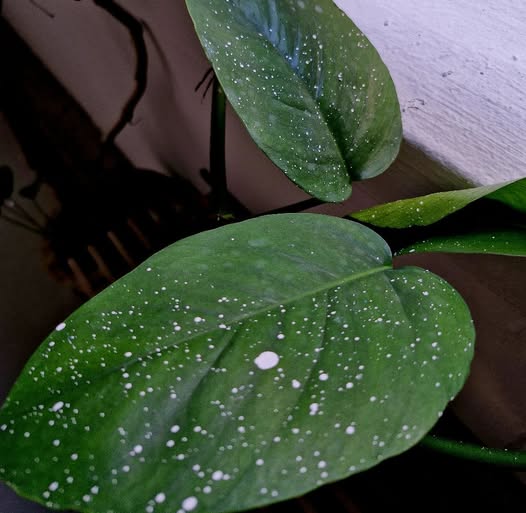
Removing paint from plant leaves demands caution to safeguard your plants. Paint can obstruct crucial processes, causing distress like wilting and discoloration. For water-based stains, use a damp cloth; oil-based may need rubbing alcohol. Stubborn acrylic stains require gentle methods. Swiftly treat spray paint to avert lasting harm. Be cautious with latex stains. Employ gentle cleaning, natural remedies, or seek professional help. Shield plants during painting and opt for plant-safe paints. If you wish to preserve your plants’ health, follow the provided guidelines.
Harmful Effects of Paint on Plants
Paint on plant leaves poses significant harm to their health and development due to its ability to block essential processes and disrupt cellular functions. When paint covers plant leaves, it acts as a barrier, impeding the absorption of sunlight crucial for photosynthesis. This hindrance to sunlight absorption directly impacts the plant’s ability to produce energy, limiting its growth potential. Additionally, the toxic components present in paint can penetrate plant cells, causing damage and interfering with their normal physiological functions. Furthermore, paint can obstruct stomata, the tiny pores on leaves responsible for gas exchange. This blockage prevents the plant from taking in carbon dioxide and releasing oxygen efficiently, leading to growth inhibition and potential stress on the plant. Signs of distress, like wilting or discoloration, may manifest in plants with paint-stained leaves. Therefore, removing paint from plant leaves is essential to restore their health and promote optimal growth conditions.
Types of Paint Stains on Leaves
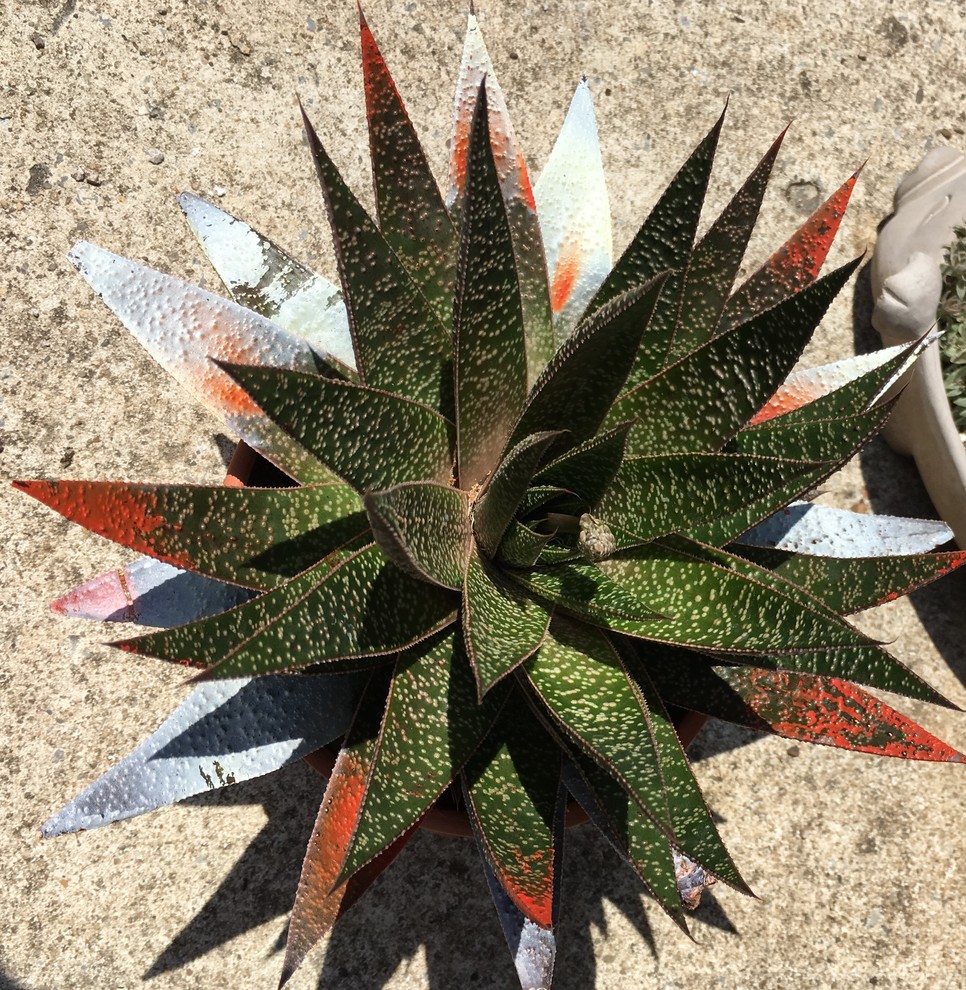
When dealing with paint stains on plant leaves, it is crucial to understand the different types of stains and the appropriate methods for removal. Water-based paint stains on plant leaves are relatively easy to remove by gently wiping with a damp cloth soaked in water. For oil-based paint stains on plant leaves, using rubbing alcohol on a cloth may be necessary to effectively eliminate the paint. Acrylic paint stains on plant leaves can be more stubborn and may require multiple attempts with gentle cleaning methods. Promptly addressing spray paint stains on plant leaves is crucial to prevent long-term damage to the plant. Handling latex paint stains on plant leaves carefully is important to avoid harming the plant during the removal process. By identifying the type of paint on the leaves, you can choose the most suitable method to effectively clean and protect your plants from any potential harm.
Safest Methods for Paint Removal
To safely remove paint from plant leaves, it is recommended to utilize gentle cleaning techniques such as using a cloth soaked in the appropriate solvent. Natural remedies like rubbing alcohol for oil-based paint or water for water-based paint can be effective for removal. In cases where the paint is stubborn or extensive, seeking professional assistance may be necessary to prevent damage to the plant.
Gentle Cleaning Techniques
For the gentle cleaning of plant leaves to remove paint effectively while ensuring their health, consider utilizing mild cleaning techniques such as soaking a cloth in water or using rubbing alcohol. When dealing with painted leaves, it is crucial to handle them delicately to prevent any harm. Here are some gentle cleaning techniques to assist you:
- Soak a Cloth in Water: Gently rub off water-based paint from the leaves to avoid damage and retain their natural moisture.
- Use Rubbing Alcohol: Apply rubbing alcohol on a cloth to effectively remove oil-based paint without harming the delicate leaf surface.
- Handle Latex Paint Carefully: Address latex paint on leaves promptly and with caution to prevent further damage and maintain leaf health.
Natural Remedies Recommended
Consider natural remedies as the safest methods for removing paint from plant leaves. When dealing with paint on plant leaves, it is essential to use gentle techniques to avoid causing harm. Here are some natural remedies recommended for removing paint from plant leaves:
| Natural Remedy | Description |
|---|---|
| Water and Cloth | Soaking a cloth in water and gently rubbing off water-based paint is effective for safe paint removal. |
| Rubbing Alcohol | Using rubbing alcohol on a cloth to gently rub off oil-based paint can safely remove paint without damage. |
| Immediate Attention | Address latex paint on plant leaves promptly and handle gently with a water-soaked cloth to prevent damage. |
| Avoid Scrubbing | Prevent stress and harm to the plant by avoiding harsh scraping or scrubbing when removing paint from leaves. |
Professional Assistance Required
When facing challenges with removing paint from plant leaves, seeking professional assistance ensures the safest methods are utilized to preserve the health of your plants. Here are some key points to consider:
- Consult a plant care specialist for expert guidance on safely removing paint from plant leaves.
- Seek advice from a local nursery or garden center to determine the best methods for paint removal.
- Consider hiring a professional painter who specializes in working around plants to ensure safe and effective removal.
Professional assistance is crucial when dealing with paint removal from plant leaves to avoid causing harm to the plants. Experts can provide tailored solutions and ensure that the process is carried out effectively without compromising the health of your greenery. Whether it’s through consulting a specialist, reaching out to local resources, or hiring a professional with experience in plant-friendly paint removal, taking this step can make a significant difference in the outcome of the process.
Water-Based Paint Removal Techniques
To effectively remove water-based paint from plant leaves, start by gently rinsing the affected area with water. You can also use a mild soap solution for stubborn paint spots. If needed, softly brush the paint off the leaves, being careful not to damage them.
Gentle Water Rinsing
Gently soak a cloth in water, wring out excess water, and carefully rub off water-based paint from plant leaves to effectively remove the paint without causing damage. When addressing paint on the leaves of plants, gentle water rinsing is a practical and safe method. Here are key points to consider:
- Soaking Cloth: Ensure the cloth is thoroughly soaked in water before using it on the plant leaves to avoid unnecessary friction.
- Wringing Out: Squeeze out excess water from the cloth to prevent dripping, which could potentially harm the plant.
- Careful Rubbing: Use light pressure and gentle motions while rubbing the cloth on the affected areas to lift off the water-based paint without harming the leaves.
Remember to repeat the gentle water rinsing process as needed until the paint is completely removed. By following these steps, you can effectively address paint on plant leaves without compromising the health of your plants.
Use Mild Soap
You can effectively remove water-based paint from plant leaves by gently scrubbing with a cloth soaked in mild soap and water. When dealing with paint on plant leaves, it is crucial to avoid harsh chemicals that can harm the plant. Opting for a gentle soap solution ensures the plant’s well-being while effectively removing the paint. Repeat the gentle scrubbing process as necessary until all traces of paint have been lifted from the leaves. After cleaning, thoroughly rinse the plant to eliminate any lingering soap residue. This method stands out as a safe and efficient technique to eliminate water-based paint from plant leaves without causing any damage. By using mild soap and water, you can successfully restore the plant’s appearance without compromising its health. Remember to handle the leaves delicately to prevent any unintended damage while removing the paint.
Soft Brush Method
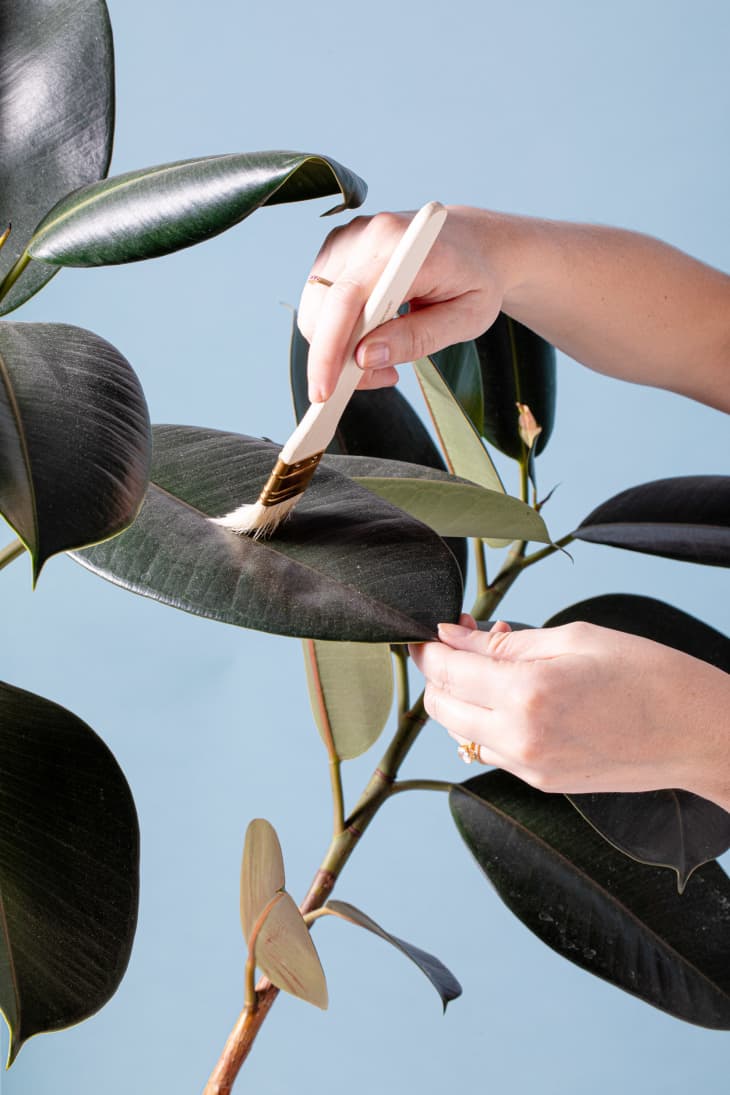
Consider employing a soft brush for the removal of water-based paint from delicate plant leaves to ensure gentle and effective cleaning. The soft brush method offers a safe and non-invasive approach to eliminate paint particles without causing harm to the plant’s surface. By utilizing this technique, you can maintain the health and appearance of your plants while effectively getting rid of unwanted paint residues. Here are some key points to keep in mind:
- Gently Scrubbing: Use a soft brush to gently scrub the plant leaves, ensuring that the paint is lifted off without damaging the delicate surface.
- Ideal for Delicate Leaves: The soft brush method is particularly suitable for delicate plant leaves, where other harsher methods could potentially cause harm.
- Safe and Effective: This technique provides a safe and effective way to remove water-based paint, preserving the plant’s health and aesthetic appeal.
Acrylic Paint Removal Tips
One effective method for removing acrylic paint from plant leaves is by gently wiping them with a soft cloth soaked in warm, soapy water. It is crucial to avoid using harsh chemicals or abrasive materials that may harm the delicate foliage of the plant. After wiping off the paint, thoroughly rinse the plant leaves to eliminate any remaining residue that could potentially damage the plant. Monitor the plant closely for any signs of stress or damage post-paint removal to ensure its continued health. If uncertain about the best approach to removing acrylic paint from plant leaves, consulting a plant care specialist or horticulturist is recommended.
| Acrylic Paint Removal Tips |
|---|
| 1. Use a soft cloth soaked in warm, soapy water to gently wipe off acrylic paint. |
| 2. Avoid harsh chemicals or abrasive materials that could harm the plant’s delicate foliage. |
| 3. Thoroughly rinse the plant leaves after paint removal to eliminate any residue. |
Spray Paint Damage to Leaves
When spray paint comes into contact with plant leaves, it can obstruct the crucial stomata, impeding the exchange of gases necessary for photosynthesis. The toxic components of spray paint can disrupt plant cells, potentially leading to stress symptoms like wilting or stunted growth. Understanding the damage spray paint can cause to leaves is essential to implementing effective paint removal methods and preventing further harm to your plants.
Paint Removal Methods
To remove spray paint from plant leaves while minimizing damage, start by gently wiping with a damp cloth or using a mild soap and water solution. Harsh chemicals and abrasive scrubbing should be avoided to prevent further harm to the leaves. Prompt action is essential in effectively removing the spray paint to reduce the negative impact on the plant’s health. Here are some methods to consider:
- Gentle Wiping: Use a soft, damp cloth to carefully wipe away the spray paint from the leaf surface.
- Mild Soap Solution: Mix a mild soap with water to create a gentle cleaning solution for removing the paint without causing harm.
- Consult Professionals: Seek advice from plant care specialists or horticulturists for guidance on safely removing spray paint from plant leaves.
Preventing Future Damage
Using protective covers or barriers while spray painting can help prevent future damage to plant leaves caused by spray paint. When spray paint lands on plant leaves, it forms a layer that blocks sunlight and reduces the plant’s ability to carry out photosynthesis. This interference can disrupt the plant’s growth and make it more susceptible to diseases. Additionally, the spray paint layer can hinder the exchange of gases vital for the plant’s metabolic processes. To avoid these issues, it is crucial to take precautions when spray painting near plants. By using protective materials to shield the plants from overspray or accidental contact with paint, you can safeguard their health and vitality. Remember that prevention is key in maintaining the well-being of your plants. By being mindful of your surroundings and implementing simple protective measures, you can ensure that your plants remain unharmed by spray paint and continue to thrive in their environment.
Using Vegetable Oil for Removal
Consider applying vegetable oil to plant leaves with paint as a safe and effective method for loosening and removing the paint residue. Vegetable oil can help dissolve the paint without causing harm to the plant, making it easier to clean the affected area. Here are some key points to keep in mind:
- Gentle Removal: Applying vegetable oil can help loosen the paint, allowing you to gently wipe it off the plant leaves without causing damage.
- Natural Alternative: Vegetable oil is a natural and safe option for removing paint from plant leaves, avoiding the use of harsh chemicals that can harm the plant.
- Adhesion Breakdown: The oil works by breaking down the paint’s adhesion to the plant’s surface, facilitating its removal without causing stress to the plant.
Impact of Paint on Photosynthesis
Paint on plant leaves significantly hampers the process of photosynthesis by blocking sunlight absorption and hindering gas exchange through the stomata. Photosynthesis, the crucial process by which plants convert light energy into chemical energy to fuel growth, is directly impacted when paint covers the leaf surface. Sunlight is a primary requirement for photosynthesis, and when paint obstructs light penetration, the plant’s ability to produce energy is diminished. Additionally, the stomata, tiny pores on the leaf surface essential for gas exchange during photosynthesis, can be clogged or sealed off by paint, disrupting the intake of carbon dioxide and the release of oxygen. Furthermore, the toxic components present in paint can harm plant cells, leading to stress and damage that further impede photosynthetic efficiency. Consequently, plants with paint on their leaves exhibit signs of reduced photosynthesis, such as stunted growth, wilting, and leaf discoloration, indicating the detrimental impact of paint on their overall health and development.
Importance of Consulting Experts
Expert guidance from horticulturists is crucial in determining the most effective methods for safely removing paint from plant leaves. When dealing with paint contamination on plants, seeking advice from professionals at plant nurseries can be invaluable. Here’s why consulting experts is essential:
- Specialized Knowledge: Plant nurseries offer specialized knowledge on plant care, including techniques for minimizing damage during paint removal.
- Risk Assessment: Experts can assess the risks associated with paint removal and provide insights on how to restore plant health effectively.
- Professional Assistance: Consulting with agricultural extension services can connect you with professionals who understand the intricacies of plant care and can guide you through the process of paint removal.
Preventive Measures for Plants
To safeguard plants from paint contamination, implementing preventive measures is essential to minimize the risk of damage to foliage. When undertaking painting projects near plants, cover them with protective sheeting or tarps to prevent accidental paint splatter. It is advisable to avoid painting on windy days to reduce the likelihood of paint reaching the leaves. Additionally, using plant-safe paints or creating physical barriers can shield plants from potential paint exposure. Diluting paint properly and following recommended guidelines can help lessen the impact on nearby plants. In cases where the risk is higher, consider temporarily relocating plants during painting activities to ensure their safety and well-being. By taking these preventive measures, you can protect your plants from unwanted paint damage and help maintain their health and vitality.
Risks of Paint Blocking Stomata
When paint accumulates on plant leaves, it can pose a significant risk by potentially blocking stomata, crucial openings that regulate gas exchange and water vapor transpiration. This blockage can hinder the plant’s ability to exchange gases like oxygen and carbon dioxide, affecting its overall health. Stomata, the tiny openings on plant leaves, play a vital role in regulating water vapor, oxygen, and carbon dioxide exchange. Here are the risks of paint blocking stomata:
- Hindered gas exchange: Blocked stomata can lead to reduced photosynthesis, impacting the plant’s growth.
- Disrupted transpiration: Paint residue on stomata can disrupt the plant’s transpiration process, affecting water and nutrient uptake.
- Impaired overall health: It is crucial to remove paint from plant leaves to ensure proper stomatal function and maintain the plant’s vitality.
Choosing Plant-Safe Paints
When selecting paint for your plants, ensure to choose options labeled as ‘plant-safe’ or ‘non-toxic’ to prevent harm to your foliage. Plant-safe paints are crucial to maintaining the health of your plants as they are free from harmful chemicals like lead, mercury, or arsenic that can negatively impact plant growth. Water-based paints are generally the safest option for your plants compared to oil-based or acrylic paints due to their lower chemical content. Additionally, natural and eco-friendly paints, such as those made from clay, chalk, or milk, provide a plant-friendly alternative for painting projects in your garden. Consult with a paint specialist or visit a local garden center to explore the best plant-safe paint options tailored to your specific needs.
| Plant-Safe Paint Features | Description |
|---|---|
| Non-Toxic | Free from harmful chemicals |
| Water-Based | Safer option for plant health |
| Natural Ingredients | Eco-friendly and plant-friendly |
| No Lead, Mercury, Arsenic | Avoids harmful substances |
| Consult Experts | Get personalized recommendations |