
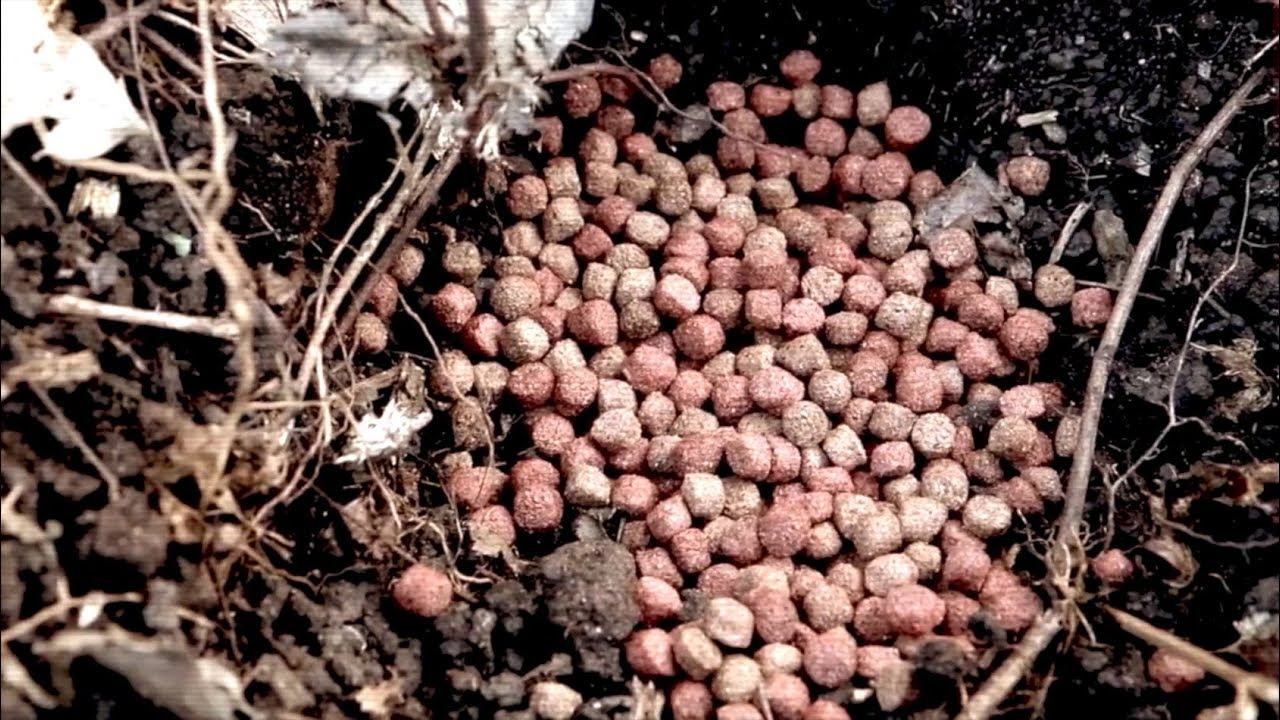
Using dog food as plant fertilizer enhances soil fertility by introducing essential nutrients like nitrogen, phosphorus, and potassium. It supports microbial activity, nutrient availability, and improves soil structure with protein and organic matter. This budget-friendly option enriches the soil sustainably, accelerating decomposition and promoting healthier plants. Dog food acts as nutrient-rich compost, boosting crop performance and providing a balanced blend of nutrients. Your garden benefits from improved plant performance, hydration, and overall health, leading to higher yields and stronger vegetation. This eco-friendly practice is a natural alternative to chemical fertilizers, positively impacting crop performance and supporting environmental sustainability.
1. Enhanced Soil Fertility
How does using dog food as plant fertilizer contribute to enhanced soil fertility? Dog food, often overlooked as a potential resource, can significantly benefit soil health. When dog food is used as a fertilizer, it introduces valuable nutrients such as nitrogen, phosphorus, and potassium into the soil. These essential nutrients play a crucial role in promoting plant growth and overall soil fertility. The protein and organic matter present in dog food act as soil conditioners, improving soil structure and supporting microbial activity. This, in turn, enhances nutrient availability for plants, facilitating their development.
2. Cost-Effective Nutrient Source
Dog food serves as a cost-effective and nutrient-rich source for fertilizing plants, offering essential elements such as nitrogen, phosphorus, and potassium. Cheap dog food, especially dry dog food, provides a budget-friendly alternative to commercial fertilizers. Gardeners looking to save money on plant care can benefit from using dog food as a fertilizer. Cheaper dog food options can still deliver the necessary nutrients for plant growth, making it a practical choice for those gardening on a budget. By opting for dog food as a fertilizer, you can take advantage of a sustainable option that efficiently utilizes existing resources. The affordability of dog food as a fertilizer makes it accessible to a wide range of gardeners seeking an effective and economical plant nourishment solution. Embracing cheap dog food, particularly the dry variety, can help you achieve thriving plants without breaking the bank.
3. Sustainable Soil Enrichment
Using dog food as plant fertilizer offers a sustainable method to enrich soil by providing essential nutrients for plant growth. This eco-friendly practice promotes healthier soil and supports natural composting processes. The nutrient-rich composition of dog food accelerates the decomposition process, contributing to improved soil fertility and overall plant vitality.
Nutrient-Rich Compost
Accelerating composting processes and enhancing soil fertility, dog food serves as a nutrient-rich compost for sustainable soil enrichment. The protein and nitrogen content in dog food play a vital role in speeding up the decomposition process within compost, facilitating the breakdown of organic matter into valuable nutrients for plants. By incorporating dog food into compost, you can introduce essential elements such as phosphorus, potassium, and other micronutrients necessary for robust plant growth. This nutrient-rich compost helps improve soil fertility by replenishing vital components that support plant development.
Furthermore, utilizing dog food as compost can boost crop performance by providing a balanced blend of nutrients that are released gradually, promoting sustained plant health. The cost-effectiveness and eco-friendly nature of dog food composting make it an attractive option for gardeners looking to enrich their soil naturally. Embracing dog food as a nutrient-rich compost not only benefits your plants but also contributes to the overall sustainability of your gardening practices.
Eco-Friendly Gardening
Enhancing soil fertility through sustainable practices involves incorporating nutrient-rich compost sources like dog food to promote eco-friendly gardening and long-term agricultural sustainability. Using dog food in your garden bed can have significant benefits for the environment and your plants. Here’s how:
- Repurposing Waste: By using dog food as plant fertilizer, you are repurposing pet food waste that would otherwise end up in landfills, reducing environmental impact.
- Improving Soil Health: Dog food as fertilizer provides essential nutrients and organic matter to the soil, enhancing its structure, water retention, and overall health.
- Promoting Sustainability: Incorporating dog food in gardening practices aligns with environmentally conscious choices, contributing to sustainable resource management and a greener environment.
4. Improved Plant Growth
Dog food as plant fertilizer has demonstrated significant potential in promoting improved plant growth, especially evident in the exceptional performance of tomatoes treated with this unconventional method. Tomatoes that received dog food in the planting hole outperformed others, leading to a better-than-usual crop of tomatoes. Additionally, mulch-grown tomatoes treated with dog food showed remarkable growth and yield. The crop of tomatoes from plants treated with dog food was noticeably enhanced compared to other fertilization methods. This method has been widely adopted by gardeners and has consistently yielded successful outcomes. Dog food as fertilizer has been scientifically proven to have a positive impact on plant growth, particularly with tomato crops. The specific nutrients present in dog food contribute to the overall health and development of plants, resulting in stronger, more vigorous growth. Experimentation and practical application have both shown that utilizing dog food as plant fertilizer can lead to improved plant growth, making it a valuable approach for gardeners seeking optimal results.
5. Eco-Friendly Waste Management
Repurposing pet food waste as plant fertilizer offers an eco-friendly solution for managing organic waste and reducing environmental impact. Incorporating dog food into gardening practices not only benefits plant growth but also contributes to sustainable waste management. Here’s how utilizing dog food as plant fertilizer promotes eco-friendly waste management:
- Waste Diversion: By using dog food as plant fertilizer, you divert organic waste from ending up in landfills, where it would contribute to methane production and environmental pollution.
- Sustainable Practices: Adopting eco-friendly waste management through dog food fertilizer aligns with sustainable farming practices, promoting a circular economy that minimizes waste and maximizes resource efficiency.
- Soil Health: Dog food contains nutrients beneficial for plant growth. When used as fertilizer, it enriches the soil, enhances soil fertility, and aids in maintaining a healthy soil ecosystem.
Choosing to repurpose dog food as plant fertilizer not only benefits your garden but also plays a vital role in reducing waste and fostering a more environmentally friendly approach to waste management.
6. Reduced Landfill Contribution
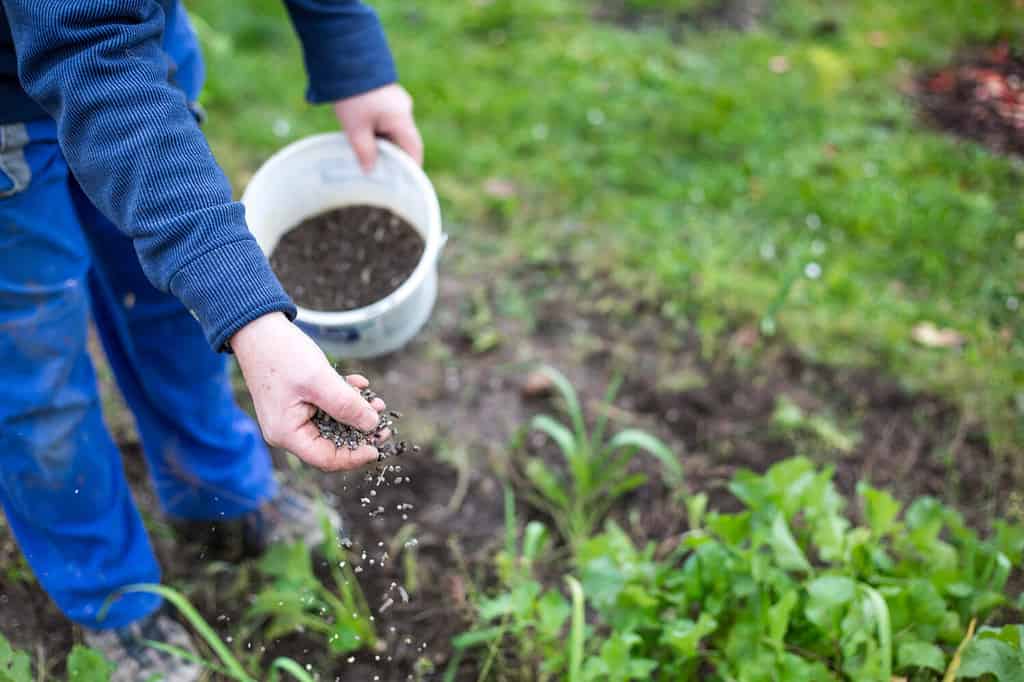
How does repurposing dog food as plant fertilizer contribute to reducing the amount of organic waste in landfills? Using dog food as fertilizer offers a sustainable solution to minimize landfill contributions. Dog food that would typically end up in landfills can be repurposed as a nutrient-rich source for plants, diverting organic waste from disposal sites. By utilizing dog food for plant growth, individuals actively participate in a more eco-conscious waste management system. This practice aligns with environmentally friendly principles by recycling discarded dog food to nourish plants, thereby reducing the environmental impact of organic waste accumulation. Recycling dog food for plant fertilization not only helps decrease the amount of organic material in landfills but also promotes resource efficiency by transforming waste into a valuable resource for plant development. Embracing the concept of using dog food as fertilizer not only benefits plants but also contributes to a more sustainable and greener approach to waste management.
7. Healthier Plant Development
Enhancing plant development can be achieved through the utilization of dog food as a fertilizer due to its high protein and nitrogen content. Dog food contains essential nutrients that can benefit plants in various ways, leading to healthier growth and improved overall development. Here’s how incorporating dog food into your gardening routine can promote better plant health:
- Increased Soil Fertility: The protein present in dog food can accelerate the composting process, enriching the soil with vital nutrients and enhancing its fertility. This nutrient-rich soil provides plants with the necessary elements for robust growth.
- Optimal Plant Performance: Plants nourished with dog food fertilizer may exhibit improved performance and higher yields compared to those grown without it. The nitrogen content in dog food supports plant growth, leading to stronger and healthier vegetation.
- Improved Hydration and Health: Using dog food as fertilizer contributes to better plant hydration, promoting overall health and vigor. The nutrients from the dog food can aid in maintaining the plant’s moisture levels, ensuring it thrives and flourishes.
8. Natural Alternative to Chemical Fertilizers
Utilizing dog food as a natural alternative to chemical fertilizers offers a sustainable and nutrient-rich solution for promoting plant growth and enhancing soil health. Dog food, rich in proteins, fats, and vitamins, provides plants with essential nutrients necessary for robust development. When considering this option, make sure to choose high-quality dog food without artificial additives or preservatives that could harm the soil microbiome.
Switching from chemical fertilizers to dog food has demonstrated positive effects on crop performance. Studies have shown that plants fertilized with dog food exhibit increased yields and improved overall health compared to those treated with traditional chemical fertilizers. This shift not only benefits plant growth but also supports environmental sustainability by reducing the reliance on synthetic chemicals that can have detrimental effects on ecosystems.
Incorporating dog food as a natural fertilizer aligns with sustainable farming practices, promoting eco-friendly methods that prioritize soil health and long-term agricultural viability. By opting for this natural alternative, you contribute to a healthier plant ecosystem and foster a more sustainable approach to gardening and agriculture.