
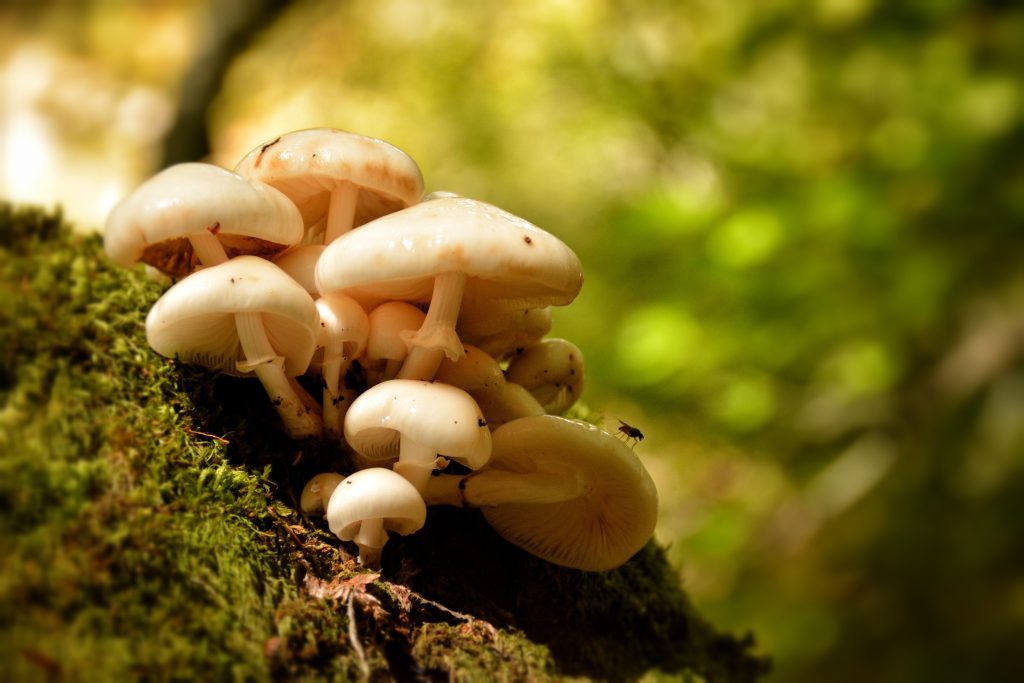
Mushrooms can regrow when harvested correctly and in suitable conditions, facilitated by the mycelium network beneath. This network serves as the roots allowing for continual growth and production of fruiting bodies. Optimal temperature, humidity, and nutrient-rich substrates are essential for encouraging regrowth. Harvesting techniques like proper cutting and misting post-harvest can stimulate new mushrooms. Specific types like oyster, shiitake, and lion’s mane mushrooms exhibit regrowth potential when nurtured well. Remember, mushrooms have a fascinating regrowth process supported by sustainable practices and attentive cultivation.
Understanding Mushroom Regrowth Process
Mushroom regrowth occurs annually due to the intact mycelium underground, a crucial factor in understanding the process. The mycelium, a network of thread-like structures, serves as the foundation for mushroom growth. It acts as the organism’s root system, absorbing nutrients and water from the environment. When conditions are favorable, the mycelium produces fruiting bodies, such as mushrooms, as part of its reproductive cycle. These fruiting bodies can sprout multiple times under the right circumstances, contributing to the regrowth of mushrooms.
Interestingly, picking mushrooms does not harm the mycelium, allowing for regrowth to happen seamlessly. The mycelium remains unharmed beneath the surface, continuing to thrive and produce mushrooms seasonally. This resilience in the face of harvesting ensures that mushrooms can regrow reliably. Understanding the role of mycelium in the regrowth process sheds light on the sustainability of mushroom cultivation. By promoting healthy mycelium growth, individuals can support the regrowth of mushrooms in the same spot, contributing to a continuous cycle of harvest and regrowth.
Ideal Conditions for Mushroom Regrowth
To facilitate the regrowth of mushrooms, creating ideal conditions is imperative, ensuring the successful development of mycelium for subsequent fruiting. When cultivating oyster mushrooms, make sure to provide the following optimal conditions:
- Use Coffee Grounds: Oyster mushrooms thrive on a substrate rich in nutrients like coffee grounds. The coffee grounds not only provide essential nutrients for mycelium growth but also aid in moisture retention, creating a favorable environment for regrowth.
- Maintain Proper Humidity: Keeping the environment moist is crucial for mycelium development and subsequent fruiting. Regular misting and monitoring humidity levels help create the ideal conditions necessary for promoting mushroom regrowth.
- Ensure Adequate Warmth: Maintaining a consistent temperature range is essential for the successful regrowth of oyster mushrooms. Optimal warmth encourages mycelium spread and supports the formation of new mushroom caps, ultimately leading to a bountiful harvest. By adhering to these conditions, you can effectively encourage the regrowth of oyster mushrooms after harvesting.
Harvesting and Stimulating Regrowth
When harvesting mushrooms, ensure to cut them at the base to promote regrowth from the mycelium. Leaving a portion of the stem can aid in facilitating regrowth, while consistently misting the growing medium post-harvest can stimulate new mushrooms to emerge. To support successful regrowth, maintaining optimal temperature and moisture levels is crucial, especially for varieties like oyster mushrooms capable of multiple regrowths under favorable conditions.
Harvesting Techniques
During harvesting, ensure to cut the mushrooms at the base to promote regrowth from the mycelium. Here are some tips to help you properly harvest mushrooms and stimulate regrowth:
- Clean Cutting: Use a sharp knife to cleanly cut the mushrooms at the base without damaging the surrounding mycelium. This precise technique encourages the mycelium to generate new fruiting bodies efficiently.
- Gentle Handling: Handle the mushrooms delicately during harvesting to prevent any harm to the mycelium network. Avoid bruising or rough handling, as this can impede regrowth and subsequent flushes.
- Proper Disposal: Dispose of any remnants from the harvested mushrooms properly. Clean the growing medium and maintain a sterile environment to prevent contamination and promote healthy regrowth.
Regrowth Stimulants
Harvesting mushrooms by twisting the stem at the base can effectively stimulate regrowth. This act triggers the mycelium, the fungus responsible for mushroom growth, to redirect its energy towards producing new mushrooms. Properly misting the growing medium post-harvest is crucial as it helps maintain the necessary moisture levels for the mycelium to initiate new growth. Additionally, optimizing humidity levels and temperature within the growing environment is essential to support continuous regrowth cycles. Trimming the stumps of harvested mushrooms is another regrowth enhancer, as it allows for fresh mycelium to develop new mushrooms more efficiently. Consistent monitoring and care of the growing conditions are key regrowth strategies to ensure the full regrowth potential of the mushrooms. By following these regrowth stimulants, growers can maximize the regrowth benefits of their mushroom harvests and enjoy a sustainable mushroom cultivation process.
Nutrient Requirements
To optimize the regrowth potential of harvested mushrooms, understanding their nutrient requirements is essential for stimulating mycelium development and encouraging new mushroom growth.
- Nutrient Absorption: Mushrooms absorb nutrients through their mycelium, a network of thread-like structures. Key elements such as nitrogen, phosphorus, and potassium are crucial for mycelium growth and subsequent fruiting body formation.
- Fungal Metabolism: Fungi utilize complex enzymatic processes to break down organic matter present in the substrate into simpler compounds that can be absorbed and used for growth. Understanding the metabolic pathways involved in nutrient uptake and assimilation is vital for promoting regrowth.
- Substrate Composition: The composition of the substrate directly influences the availability of nutrients for the mycelium. Substrates rich in carbon sources like straw, sawdust, or compost provide energy for fungal growth, while supplements like gypsum or calcium carbonate can balance pH levels and enhance nutrient absorption.
Benefits of Mushrooms Regrowing
When mushrooms regrow, it leads to sustainable harvesting practices and provides an economical food source. By allowing mushrooms to regrow, you can continually harvest from the same mycelium network, reducing the need for new cultivation efforts. This sustainable approach not only benefits the environment but also offers a cost-effective way to enjoy fresh mushrooms regularly.
Sustainable Mushroom Harvesting
Mushrooms’ ability to regrow after being harvested offers significant benefits for sustainable food production. This regrowth benefits both the environment and food systems by promoting sustainable practices. Here are three key points to consider for sustainable mushroom harvesting:
- Sustainable Harvesting Techniques: Proper harvesting techniques, such as cutting the mushrooms at the base instead of pulling them out, help preserve the mycelium network underground. This network acts as the mushroom’s root system, allowing for regrowth. By not disturbing the mycelium, the mushrooms can regrow more efficiently.
- Preservation of Mycelium Network: The mycelium network plays a crucial role in the regrowth of mushrooms. Even after harvesting, this network remains intact underground. By safeguarding this network through sustainable harvesting practices, the mushrooms can regrow multiple times, reducing the need for constant replanting.
- Regrowth Stimulation: Regularly harvesting mushrooms can stimulate further growth and increase yields over time. This process not only promotes sustainable food production but also helps maintain ecological balance and reduces the environmental impact of mushroom cultivation.
Economical Food Source
The regrowth capability of mushrooms due to the resilience of mycelium presents significant economic advantages as a sustainable and cost-effective food source. When considering budget-friendly meals, regrowing mushrooms at home stands out as a practical option. By harnessing the continuous production potential of mycelium, individuals can ensure a sustainable nutrition source without incurring high costs. This aligns well with current home gardening trends, where people are increasingly turning to self-sufficiency in food production. Cultivating mushrooms at home not only offers a consistent supply of fresh produce but also contributes to reducing grocery expenses over time.
Moreover, the ability to harvest mushrooms properly allows for new growth from the existing mycelium network, maximizing the yield and extending the benefits of this renewable food source. Embracing mushroom regrowth as part of your culinary routine not only supports sustainable practices but also provides a reliable means of incorporating nutrient-rich mushrooms into your diet without breaking the bank.
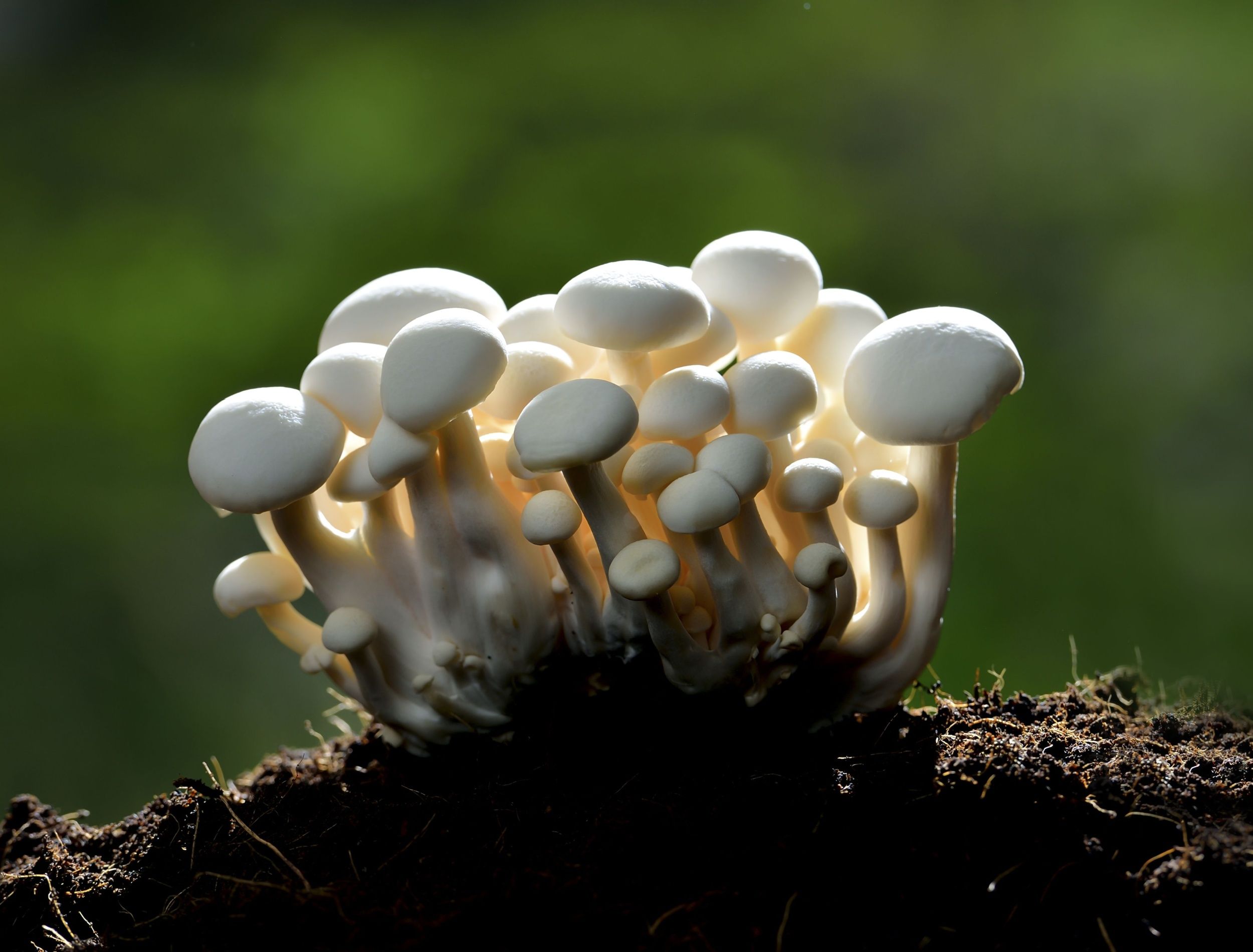
Maximizing Mushroom Yield
How can you optimize mushroom yield for continuous regrowth cycles? Maximizing mushroom yield relies on various factors such as regrowth potential, yield optimization, and mycelium stimulation. To ensure a bountiful harvest and encourage regrowth, consider the following:
- Harvest Timing: Harvest mushrooms before their caps fully flatten out. This practice allows for regrowth potential as the mycelium can produce new mushrooms from the existing network.
- Stump Trimming: After harvesting, trim the stumps to stimulate the mycelium for new mushroom growth. This technique helps in maximizing yield from the same substrate.
- Moisture Maintenance: Mist-spray the growing medium multiple times a day to maintain optimal moisture levels. Adequate moisture is crucial for mycelium stimulation and supports healthy regrowth of mushrooms.
Steps to Encourage Regrowth
To encourage optimal regrowth of mushrooms, proper stem trimming techniques play a crucial role in stimulating new mushroom growth. When harvesting mushrooms, ensure to leave a portion of the stem attached to the substrate. This allows for the mycelium to remain connected, promoting faster regrowth. Trimming the stem close to the substrate, rather than pulling the mushroom out, is a best practice to encourage regrowth. Additionally, maintaining a moist and humid environment is essential for promoting mushroom regrowth. Regularly misting the growing medium can help create the ideal conditions for mushrooms to regrow successfully.
Another method to encourage regrowth is harvesting mushrooms gently to leave the mycelium intact. Protecting the mycelium network supports future regrowth and ensures a sustainable mushroom cultivation cycle. By following these regrowth techniques and best practices, you can enhance the chances of a bountiful mushroom harvest.
Common Mistakes to Avoid
Common errors to steer clear of when cultivating mushrooms include mishandling the harvesting process and neglecting essential environmental conditions for optimal growth. To ensure successful regrowth, here are some key points to keep in mind:
- Regrowth misconceptions: One common mistake is assuming that mushrooms will regrow indefinitely without proper care. It is essential to follow best practices consistently to encourage continuous regrowth.
- Regrowth challenges: Challenges such as contamination due to poor hygiene practices or inadequate ventilation can hinder the regrowth process. Addressing these challenges promptly is crucial for sustained mushroom production.
- Regrowth success stories: Many cultivators have achieved impressive regrowth results by maintaining a clean environment, providing adequate moisture, and avoiding overcrowding. Learning from successful regrowth stories can help you avoid common mistakes and optimize your mushroom cultivation practices for consistent regrowth.
Types of Mushrooms That Regrow
Certain types of mushrooms, such as oyster mushrooms, exhibit the remarkable ability to regrow post-harvest. Oyster mushrooms can regenerate multiple times from the same substrate when provided with optimal growing conditions. Shiitake and lion’s mane mushrooms are also known to potentially regrow, emphasizing the importance of nurturing a healthy mycelium network for sustained mushroom production.
Common Regrowing Mushrooms
Several types of mushrooms possess the unique ability to regrow multiple times under specific conditions after the initial harvest. Here are some common regrowing mushrooms:
- Oyster Mushrooms: Oyster mushrooms are known for their regrowth capabilities, making them a popular choice among cultivators. This variety can regrow multiple times as long as the growing conditions remain favorable for mycelium development.
- Shiitake Mushrooms: Shiitake mushrooms have the potential to regrow if the mycelium network is undisturbed during harvesting. By leaving the mycelium intact, you can encourage regrowth and enjoy multiple harvests.
- Button Mushrooms: Button mushrooms may regrow if the mycelium is still active in the substrate. By practicing sustainable harvesting techniques and providing proper growing conditions, you can enhance the chances of successful regrowth.
Understanding the regrowing capabilities of these common mushroom varieties not only brings about mushroom regrowth benefits but also allows for the exploration of regrowing techniques and promotes sustainable harvesting practices in mushroom cultivation.
Cultivating Regrowth at Home
To cultivate regrowth at home, consider the types of mushrooms that possess the ability to regrow under suitable conditions. Oyster mushrooms, Reishi mushrooms, and Shiitake mushrooms are popular choices known for their regrowth capabilities. By following proper regrowth techniques and providing the necessary care, you can enjoy a continuous harvest of fresh mushrooms in your own home.
| Mushroom Type | Regrowth Ability |
|---|---|
| Oyster | Excellent regrowth potential |
| Reishi | Can regrow if mycelium is healthy |
| Shiitake | May regrow with preserved mycelium |
Home cultivation of regrowing mushrooms offers various benefits, including sustainability and the ability to maximize yield. Continuously harvesting fresh mushrooms from your own growing environment not only ensures a regular supply of these nutritious fungi but also allows you to explore the fascinating world of mycology right in your own home.
Sustainable Mushroom Harvesting
Mushrooms that exhibit regrowth capabilities, such as oyster mushrooms, offer sustainable harvesting opportunities for continuous cultivation. When considering sustainable farming practices, choosing mushrooms that can regrow after harvesting is essential to minimize environmental impact and promote ethical practices. Here are three types of mushrooms known for their regrowth potential:
- Oyster Mushrooms: Oyster mushrooms are renowned for their ability to regrow multiple times from the same substrate. By cutting the mushrooms at the base and ensuring some mycelium remains intact, you can encourage regrowth cycles, making them a sustainable option for cultivation.
- Shiitake Mushrooms: Shiitake mushrooms also have regrowth capabilities under the right conditions. Proper care and maintenance of the growing environment are crucial for ensuring the continuous regrowth of shiitake mushrooms, promoting sustainable harvesting practices.
- Lion’s Mane Mushrooms: Lion’s Mane mushrooms, with their unique appearance and taste, are another type that can regrow after harvesting. By following proper cultivation techniques and ethical practices, you can enjoy a consistent supply of Lion’s Mane mushrooms while minimizing environmental impact.
Extending Mushroom Harvesting Period
Encouraging regrowth in mushrooms can significantly prolong the period during which you can harvest fresh produce. Understanding the regrowth potential of different mushroom species is crucial. Oyster mushrooms, for example, have the capability to regrow multiple times under the right conditions. Implementing effective harvesting strategies is key to maximizing regrowth. By trimming mushrooms at the base instead of pulling them out, you can promote new growth from the existing mycelium.
Creating an optimal environment for mushroom growth is essential for continual regrowth. Maintaining cleanliness and ideal growing conditions can support the mycelium’s ability to produce new mushrooms. Harvesting mushrooms before they reach full maturity can also stimulate further growth from the same mycelium network. This approach not only extends the harvesting period but also minimizes the environmental impact by reducing waste. Proper care and management of the growing medium play a significant role in ensuring a sustained and prolonged period of mushroom harvests.
Harvesting Techniques for Continual Regrowth
Implementing proper harvesting techniques is vital for promoting continual regrowth of mushrooms, ensuring sustained production over time. To achieve this, follow these essential regrowth techniques and sustainability practices:
- Harvesting Methods: When harvesting mushrooms, cut them at the base using a sharp knife instead of pulling them out. This method helps in preserving the mycelium underground, which is crucial for future mushroom production.
- Mycelium Preservation: Leaving the mycelium undisturbed underground is key for continual regrowth. By maintaining the integrity of the mycelium network, the mushrooms can regenerate and produce more fruiting bodies over time.
- Optimal Conditions for Continual Production: Consistent misting, proper ventilation, and monitoring of temperature and humidity levels are essential for supporting regrowth. Create an environment that mimics the natural habitat of the mushrooms to ensure continual production and a sustainable harvest. Regularly checking the growth and health of the mycelium can also help in achieving consistent mushroom yields.
Tips for Sustainable Mushroom Cultivation
How can sustainable practices in mushroom cultivation contribute to long-term production success? Sustainable cultivation techniques play a crucial role in ensuring continuous mycelium growth and mushroom production. By reusing substrates and optimizing growing conditions, you can enhance the regrowth potential of mushrooms. When mycelium is allowed to thrive in a suitable environment, it sets the stage for multiple harvests and a sustainable source of food.
To achieve sustainable cultivation, focus on methods that support regrowth. Properly managing the moisture levels and temperature of the growing environment is essential for sustaining mycelium growth. Additionally, implementing regrowth techniques such as trimming the stumps after harvesting can stimulate new mushroom production. By following these practices, you can maintain a cycle of continuous production and maximize the longevity of your mushroom cultivation efforts.