
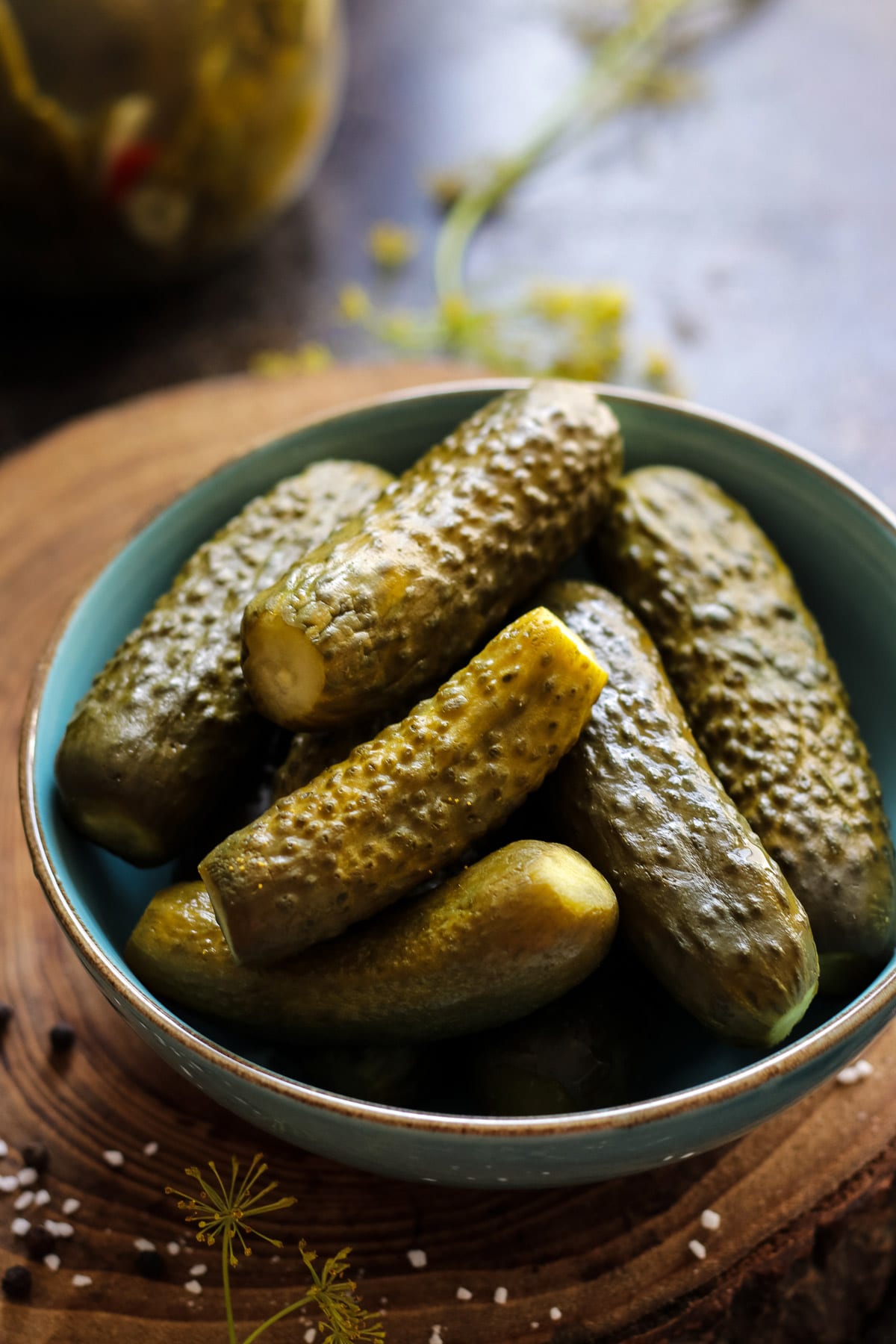
Yes, pickles are cucumbers that undergo a pickling process, preserving them in a seasoned brine or vinegar solution. This transformative process gives cucumbers a tangy, flavorful twist that has been enjoyed since ancient times for its taste, longevity, and health benefits. The history of pickles reveals their cultural significance, health advantages, and diverse global varieties. Uncover more surprising facts about pickles and cucumbers to broaden your understanding of this beloved snack and culinary staple.
1. The Origins of Pickles
Exploring the origins of pickles reveals a rich history intertwined with the necessity for food preservation and the evolution of culinary practices. Archeologists suggest that pickling, the process of preserving food by immersing it in brine or vinegar, dates back to 2400 B.C. The practice gained prominence when cucumbers from India were used for pickling around 2000 B.C., leading to the popularization of pickling across various cultures.
Pickling allowed communities to extend the shelf life of perishable items, enabling them to store pounds of pickles for extended periods. This method not only helped in preserving food for travel but also facilitated the enjoyment of out-of-season produce year-round. In essence, pickling played a crucial role in ensuring food security and reducing waste by utilizing excess harvests effectively. The origins of pickles showcase how early civilizations ingeniously used food preservation techniques to adapt to their environment and culinary needs.
2. Historical Significance of Pickling
Pickling has played a vital role in shaping culinary traditions and preserving food in ancient civilizations. From the ancient Egyptians to the Romans, pickles were valued for their flavor, longevity, and purported health benefits. Understanding the historical significance of pickling sheds light on its enduring appeal and the evolution of modern pickling techniques.
Pickling in Ancient Times
Dating back to 2400 B.C., pickling in ancient times served as a vital method for preserving food during travel and ensuring out-of-season availability. The process of pickling, involving immersing produce in brine or vinegar, significantly extended the shelf life of fruits and vegetables. This preservation method not only prevented spoilage but also retained essential nutrients, making pickles a valuable source of nutrition for ancient civilizations. Soldiers in particular appreciated pickles for their portability, taste, and health benefits, often including them in their rations. The practice of pickling likely originated out of necessity, with cucumbers from India around 2000 B.C. playing a significant role in popularizing this method of food preservation. Figures like Cleopatra and Julius Caesar were known to consume pickles, attributing qualities such as beauty and strength to their consumption. Overall, pickling in ancient times was more than just a method of preservation; it was a cultural practice that provided both sustenance and enjoyment.
Modern Pickling Techniques
Modern pickling techniques have undergone significant transformations over the centuries, reflecting both historical preservation methods and contemporary culinary trends. One of the key aspects of modern pickling is the emphasis on flavor experimentation. This involves exploring unique combinations of ingredients, spices, and pickling liquids to create distinctive taste profiles. Ingredient diversity is another vital element in modern pickling, with a wide range of fruits, vegetables, and even proteins being pickled to offer a variety of options for consumers. Additionally, modern preservation techniques have evolved to ensure food safety while maintaining the integrity of the pickled products.
| Aspects | Description |
|---|---|
| Flavor experimentation | Unique flavor combinations are created through the use of diverse ingredients. |
| Ingredient diversity | A wide range of fruits, vegetables, and proteins are pickled to cater to different tastes. |
| Modern preservation techniques | Ensuring food safety while preserving the quality and taste of pickled items. |
These advancements in modern pickling techniques have elevated this age-old practice, making it a dynamic and exciting culinary endeavor.
3. Pickles in Popular Culture
Pickles have been prominently featured in various forms of media, with TV shows often making clever references to this tangy snack. From characters enjoying a pickle straight from the jar to humorous pickle-related storylines, the presence of pickles in popular culture is undeniable. These instances not only entertain audiences but also highlight the enduring appeal and versatility of pickles in modern society.
Pickles in Media
In various forms of media, pickles have been prominently featured, serving as symbolic elements in popular culture representations. Pickles have made their mark in music, fashion, and art. In music, references to pickles can be found in songs like “Pickle” by the band These New Puritans, where the lyrics metaphorically use pickles to convey a sense of confinement. In fashion, pickles have been incorporated into quirky designs and accessories, adding a playful and unconventional element to various clothing lines. In art, pickles have been depicted in paintings and sculptures, sometimes as standalone subjects or as parts of larger compositions, evoking themes of transformation and preservation.
The presence of pickles in media goes beyond mere visuals or mentions. They often carry symbolic weight, representing dilemmas or complex situations faced by characters. The phrase ‘in a pickle,’ originally popularized by Shakespeare in ‘The Tempest,’ has transcended literature to become a widely used expression in the English language, emphasizing the enduring impact of pickles in cultural representations.
Pickle References in TV
The integration of pickles into popular TV shows serves as a testament to their enduring presence in contemporary cultural narratives. Pickle symbolism often plays a significant role in these shows, with characters like SpongeBob SquarePants showcasing a love for pickles, or ‘Rick and Morty’ featuring the iconic Pickle Rick character. In ‘Friends,’ pickles are used to convey romantic gestures, as seen when Monica makes pickles for Chandler. These references not only add depth to the characters but also highlight the cultural significance of pickles.
Moreover, TV shows like ‘The Office’ incorporate pickles as props, further solidifying their presence in mainstream media. Characters like Dwight Schrute are often associated with pickles, either consuming them or engaging in discussions about them. Additionally, commercials frequently use pickles to promote various food products, emphasizing their widespread appeal and recognition among audiences. Pickle recipes and the portrayal of pickle fanatics in TV contribute to the overall representation of pickles in popular culture.
:max_bytes(150000):strip_icc()/2435908-9d63530e11f24e8a8efbab01e50c6d00.jpg)
4. Health Benefits of Pickles
Rich in essential vitamins, minerals, and antioxidants, pickles offer a range of health benefits that can positively impact your overall well-being. Pickles can be a valuable addition to your diet, not only for their tangy taste but also for their potential health advantages. If you’re looking to shed some pounds, pickles could be a helpful snack due to their low calorie and high fiber content. Moreover, the probiotics found in pickles can aid in maintaining a healthy gut flora, which is crucial for digestion and overall well-being.
Including pickles in your meals may also provide benefits such as improved diabetes control, thanks to their ability to help regulate blood sugar levels. The antioxidants present in pickles not only protect your liver but also assist in combating free radicals in the body. By incorporating pickles into your diet, you can enjoy a delicious way to consume essential nutrients that support your health goals.
5. Pickle Varieties Around the World
Exploring pickle varieties around the world reveals a diverse array of ingredients and techniques used in different cultures’ pickling traditions.
- Pickle Pairings:
- Indian pickles boast a wide range of pairings, from mangoes to gooseberries, offering a burst of flavors that complement traditional dishes.
- Chinese pickles, like pickled eggs and cabbage, create a unique harmony between vegetables and proteins, enhancing the overall meal experience.
- Japanese pickles, with ingredients such as ginger and soybean paste, provide versatile pairings that add depth to meals.
2. Cultural Influences:
- Korean kimchi, a spicy fermented cabbage pickle, reflects the deep cultural roots of Korean cuisine, symbolizing tradition and community.
- Indian pickles, with their use of gherkins and regional spices, showcase the vibrant and diverse culinary heritage of India.
- Chinese pickles highlight the importance of preserving food and utilizing local produce in Chinese culinary practices.
3. Regional Variations:
- Each culture’s pickling methods exhibit regional variations, emphasizing the connection between local ingredients and traditional preservation techniques.
- The variety of pickle ingredients and flavors worldwide exemplifies how regional preferences and environmental factors influence pickling traditions.
- From the piquant Indian pickles to the umami-rich Japanese varieties, regional nuances play a significant role in shaping the global landscape of pickling practices.
6. Pickling Process Revealed
Understanding the pickling process unveils the transformation of cucumbers into the diverse range of pickles enjoyed worldwide. Pickling secrets involve immersing cucumbers in a solution containing water, salt, spices, and vinegar. This brine revelation is crucial in the pickling process, where cucumbers undergo a remarkable metamorphosis. The cucumbers, acting as the base for pickles, absorb the flavors of the solution, resulting in pickles that can be crunchy, sour, salty, or sweet, depending on the ingredients used. Throughout this process, the cucumbers maintain their essence while taking on new characteristics from the pickling solution. This method of preserving cucumbers in a brine solution is what leads to the creation of pickles with various textures and flavors. Witnessing these cucumber transformations through pickling showcases the versatility and creativity involved in producing the beloved pickle varieties enjoyed globally.
7. Fun Facts About Pickles
Pickles, known for their tangy flavor and crunchy texture, hold a fascinating array of fun facts that shed light on their enduring popularity in culinary circles. Here are some intriguing tidbits about pickles that might surprise you:
- Pickle festivals and pickle art: Pickle enthusiasts gather at various pickle festivals worldwide to celebrate everything pickled, showcasing intricate pickle-themed art that highlights the cultural significance of this beloved snack.
- Pickle themed merchandise and pickle memes: From quirky pickle socks to hilarious pickle-themed memes, the pickle craze extends beyond just the culinary world, with a plethora of merchandise and online content dedicated to the pickle fandom.
- Pickle recipes and pickle trivia: There are countless pickle recipes out there, ranging from classic dill pickles to innovative pickle-infused dishes. Additionally, delving into pickle trivia reveals a rich history of pickling techniques and traditions that have evolved over time.