
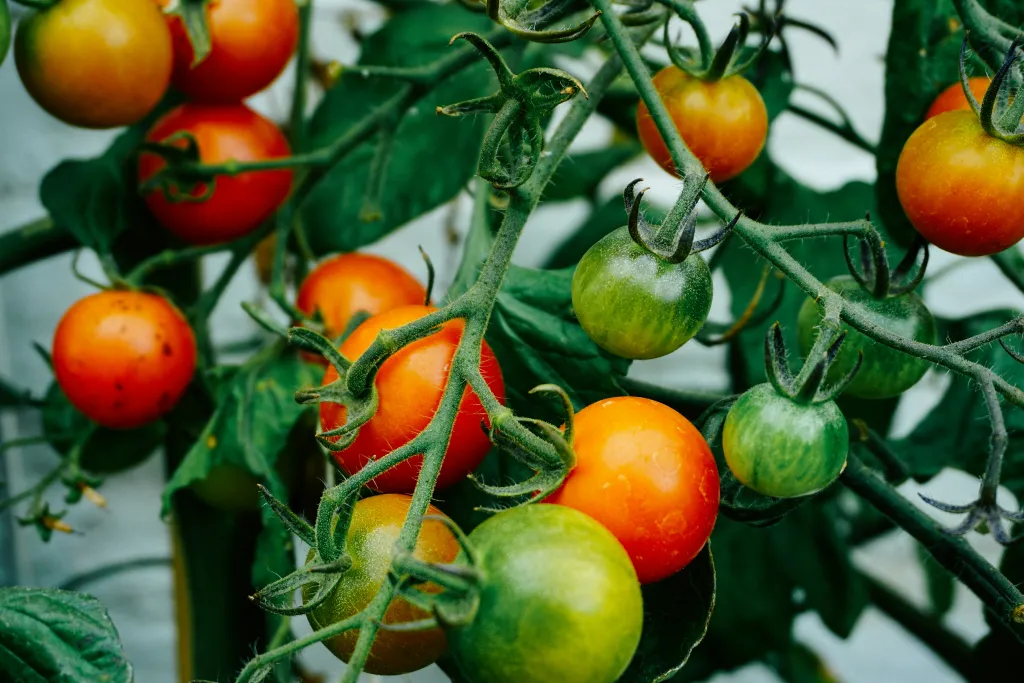
Explore the mysteries of green tomatoes inside—genetic mutations dictate pigment production, resulting in the unique hue. Factors like high chlorophyll levels and environmental stress play roles. Interruptions in the ripening process due to temperature swings or nutrient deficiencies can lead to the green surprise. Specific varieties like Green Zebra showcase this trait and bring antioxidant benefits. Keep an eye on storage conditions and stable temperatures to preserve tomato quality. Don’t be dismayed by green interiors, as they offer culinary versatility. Unravel the secrets behind this anomaly for a deeper understanding of your favorite fruit’s inner workings.
1. Genetic Mutation Impacting Color
Genetic mutations play a significant role in impacting the color development of tomatoes, leading to the unique phenomenon of green flesh inside certain varieties. These mutations can alter the expression of genes responsible for pigment production, resulting in the distinct green hue observed in the interior of these tomatoes. Tomato breeders have also intentionally selected for these mutations in certain varieties to create a visually striking appearance.
The genetic mutation impacting color in tomatoes is fascinating from a scientific standpoint. It showcases the intricate mechanisms underlying pigment formation and distribution within the fruit. Through selective breeding, breeders have been able to accentuate these mutations, giving rise to tomato varieties with vibrant green flesh inside. Despite the unconventional coloration, the green interior does not compromise the taste or nutritional value of the tomatoes.
2. Environmental Stress Factors Influence
When tomatoes undergo environmental stress factors such as temperature fluctuations or drought, their growth and maturation processes can be affected, leading to the development of green interiors. Understanding how stress impacts tomato growth is crucial as factors like cool nights below 55°F or compacted soil can contribute to the unusual green flesh inside tomatoes. By monitoring and addressing these environmental stressors, it is possible to prevent the occurrence of green gel and ensure proper ripening of tomatoes.
Stress and Tomato Growth
Environmental stress factors play a significant role in influencing the development of green gel inside tomatoes. When tomato plants experience stress due to factors like temperature fluctuations, drought, or nutrient deficiencies, their ability to uptake essential nutrients is compromised. This can lead to the formation of green patches or gel inside the tomatoes. Uneven watering practices and soil compaction can also contribute to stress in tomato plants, affecting their growth and maturation process. Cool nights below 55°F are another stressor that can result in green flesh inside the fruit. Inconsistencies in watering, such as alternating between drought and heavy rain, further stress the plants and impact their internal development. Additionally, pest damage from insects like whiteflies or stink bugs can cause stress on tomato plants, triggering the formation of green gel. Understanding these possible reasons for stress-induced green interiors in tomatoes is crucial for implementing measures to ensure optimal growth conditions.
Impact of Environmental Factors
Impacted by various environmental stress factors, tomatoes can exhibit green flesh inside as a result of disrupted maturation processes. Factors such as cool nights, with temperatures dropping below 55°F, can hinder the normal ripening of tomatoes, leading to green patches inside the fruit. This uneven maturation is a direct consequence of the plant’s response to the stress induced by the environmental conditions. Additionally, issues like compacted or excessively wet soil can impede the uptake of essential nutrients by the tomato plants, contributing to the development of green flesh inside the tomatoes. Insect damage from pests such as whiteflies or stink bugs can also play a role in causing immature patches within the fruit, resulting in the manifestation of greenness inside tomatoes. Understanding how these environmental factors influence the maturation process of tomatoes is crucial for growers to implement appropriate strategies to mitigate stress and ensure the production of fully ripe, healthy fruits.
Greenness Inside Tomatoes
Temperature fluctuations and nutrient deficiencies are key factors influencing the presence of greenness inside tomatoes, shedding light on the intricate relationship between environmental stressors and fruit maturation processes. The greenness inside tomatoes can be a result of various factors affecting the ripening process. Sometimes, certain tomato varieties naturally exhibit green gel inside even when fully ripe, adding to the complexity of understanding this phenomenon. Immature fruits or nutrient deficiencies can also contribute to the green flesh inside tomatoes, indicating a lack of complete ripening. Moreover, uneven ripening caused by environmental factors like drought, heavy rain, or cool nights can lead to green patches inside tomatoes, disrupting the uniform ripening process. Insect damage from pests such as whiteflies or stink bugs can further exacerbate the issue, creating green areas within the fruit. Understanding these influences is crucial for both agricultural practices and consumer awareness.
| Environmental Factors | Influence on Greenness Inside Tomatoes | Examples |
|---|---|---|
| Temperature Fluctuations | Disrupt ripening process, leading to green areas | Drastic day-night temperature changes |
| Nutrient Deficiencies | Result in incomplete ripening, causing green flesh | Lack of essential minerals like potassium |
| Uneven Ripening | Creates green patches inside tomatoes | Drought, heavy rain, cool nights |
3. Ripening Process Interruption
When the ripening process of tomatoes is disrupted, it can result in green flesh inside the fruit. This interruption can occur due to various factors such as sudden temperature changes, environmental stress, or nutrient deficiencies. In some cases, tomatoes picked prematurely may also exhibit green interiors. To encourage the ripening of green tomatoes, placing them in a paper bag can help trap ethylene gas, a natural plant hormone that aids in the ripening process. The darkness and warmth inside the bag simulate ideal conditions for the tomatoes to mature properly. While green tomatoes are safe to eat, they might lack the full flavor and sweetness of fully ripe ones. Allowing them to ripen indoors can enhance their taste. To prevent the occurrence of green flesh in tomatoes, maintaining consistent watering schedules and providing adequate nutrition to the plants is crucial in ensuring a successful ripening process.
4. High Levels of Chlorophyll Presence
High levels of chlorophyll present in tomatoes with green interiors contribute to their distinct coloration. Chlorophyll, a vital pigment for photosynthesis in plants, not only impacts the visual appeal but also suggests potential health benefits. Contrary to common assumptions, tomatoes displaying green interiors due to chlorophyll may still possess desirable characteristics and flavors.
Chlorophyll’s Color Impact
The presence of abundant chlorophyll in tomatoes can significantly impact the coloration of their flesh, resulting in green interiors. Chlorophyll, the pigment responsible for the green color in plants, plays a crucial role in determining the color of tomato flesh. Varieties with higher levels of chlorophyll can display green interiors even when fully ripe, contrary to the expected red color on the outside. Environmental factors and genetic makeup influence the concentration of chlorophyll in tomatoes, leading to variations in color. Understanding the impact of chlorophyll on tomato coloration provides insights into why some tomatoes have green flesh inside. This phenomenon highlights the intricate relationship between chlorophyll levels and the appearance of fruits, showcasing the diversity in tomato characteristics based on chlorophyll content. Further research into the mechanisms governing chlorophyll presence in tomatoes can shed light on the factors influencing fruit color and quality.
Health Benefits Potential
Tomatoes with elevated levels of chlorophyll inside offer a range of potential health benefits due to their unique composition.
- Nutritional benefits: Green tomatoes, rich in chlorophyll, are packed with essential nutrients like vitamin C, vitamin K, and potassium. These nutrients play a crucial role in supporting overall health and well-being.
- Antioxidant properties: The chlorophyll present in green tomatoes provides powerful antioxidant properties, which can help combat oxidative stress in the body. Antioxidants are known for their ability to protect cells from damage caused by free radicals.
- Phytochemical content: Green tomatoes with high chlorophyll levels also contain a variety of phytochemicals. These plant-based compounds have been linked to various health benefits, including potential anti-inflammatory effects and a reduced risk of chronic diseases. Incorporating green tomatoes into your diet can be a tasty way to boost your intake of these beneficial phytochemicals.
Unripe Tomato Characteristics
Inside unripe tomatoes, the abundant presence of chlorophyll gives them their distinctive green coloration. This high concentration of chlorophyll is a result of the ripening process, where the breakdown of chlorophyll allows other pigments, such as lycopene, to develop and give ripe tomatoes their characteristic red hue. Due to their unripeness, green tomatoes may lack the sweetness and flavor associated with fully matured fruits. However, green tomatoes can be utilized in culinary uses to enhance flavors and textures. Allowing green tomatoes to ripen indoors can lead to taste development, making them more palatable for consumption. Despite their initial visual appeal, green tomatoes can be transformed into delicious dishes like fried green tomatoes or green tomato salsa, which highlight their unique flavor profile. By understanding the ripening process and utilizing green tomatoes effectively, you can explore a variety of recipe ideas that showcase the versatility of these unripe fruits.
5. Specific Tomato Variety Traits
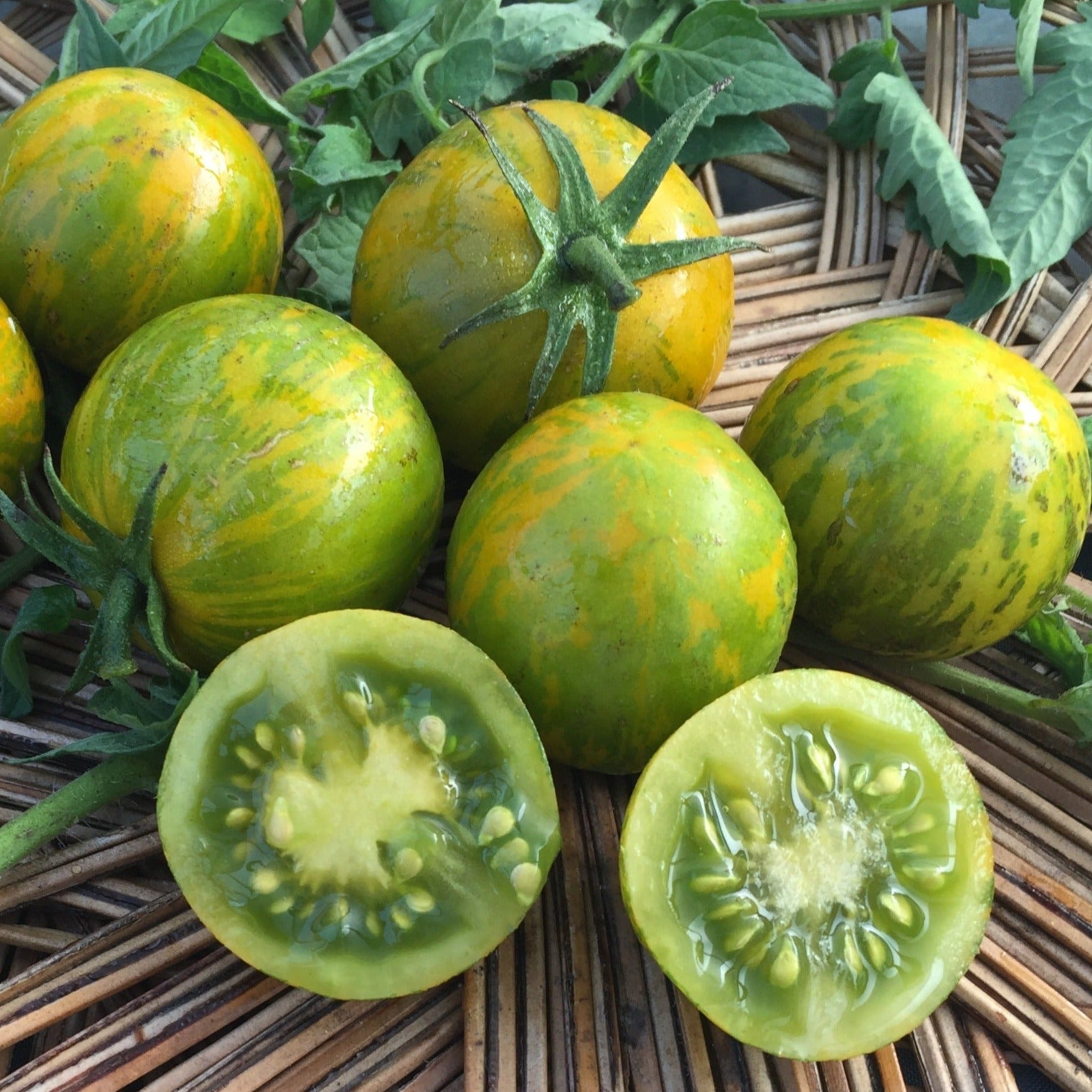
Among various tomato varieties, the unique trait of green flesh inside is notably exhibited in specific cultivars like Green Zebra and Aunt Ruby’s German Green.
- Flavor Profiles: Green-fleshed tomatoes have a distinct tangy flavor due to lower levels of lycopene compared to traditional red tomatoes. This tanginess can add a refreshing and unique taste to your culinary creations.
- Culinary Uses: These green-fleshed tomatoes are versatile in the kitchen, perfect for adding a pop of color and flavor to salads, salsas, and sauces. Their tangy taste can complement other ingredients in a dish, offering a delightful twist on classic recipes.
- Visual Appeal: The vibrant green color of the flesh inside these tomatoes not only makes them visually striking but also enhances the presentation of dishes. Chefs often use green-fleshed tomatoes to create visually appealing culinary masterpieces that stand out on the plate.
6. Temperature Fluctuations Effect
Temperature fluctuations play a significant role in determining the presence of green gel inside certain tomato varieties, impacting both their visual appearance and taste profile. Harvest timing is crucial as tomatoes picked prematurely and exposed to fluctuating temperatures, especially cold nights below 55°F, are more prone to developing green patches inside. Additionally, storage conditions play a vital role in preventing green gel formation. Sudden changes in temperature can lead to uneven ripening, hindering the tomatoes from fully developing their red color and resulting in green flesh inside. To mitigate this issue, it is essential to store tomatoes in stable temperature environments. When it comes to cooking methods, tomatoes affected by temperature fluctuations may still be edible despite the green gel inside. However, ensuring consistent temperatures during storage and avoiding extreme temperature shifts can help preserve the visual appeal and taste of tomatoes during cooking processes.
7. Nutrient Deficiency Manifestation
Nutrient deficiencies, such as magnesium or potassium, can be a significant factor in the manifestation of green flesh inside tomatoes.
- Soil Composition: The lack of essential nutrients in the soil, especially magnesium and potassium, crucial for tomato plant growth, can lead to green patches inside the fruit. When the soil lacks these nutrients, the tomatoes struggle to develop their typical red hue, resulting in green interiors.
- Nutrient Deficiency: Imbalanced soil pH levels can disrupt the availability of vital nutrients to the plants. This imbalance affects the uptake of magnesium and potassium, causing the tomatoes to exhibit green flesh internally. Ensuring a well-balanced soil composition with adequate levels of essential nutrients is crucial to prevent this phenomenon.
- Growth Patterns: The manifestation of green flesh inside tomatoes due to nutrient deficiencies is a clear indication of the plant’s struggles to undergo proper development. Monitoring the growth patterns of the plants and addressing any nutrient deficiencies promptly through soil amendments or fertilization can help produce healthier and fully ripened tomatoes. Conducting regular soil tests can pinpoint specific nutrient deficiencies, enabling targeted solutions for optimal plant health.