
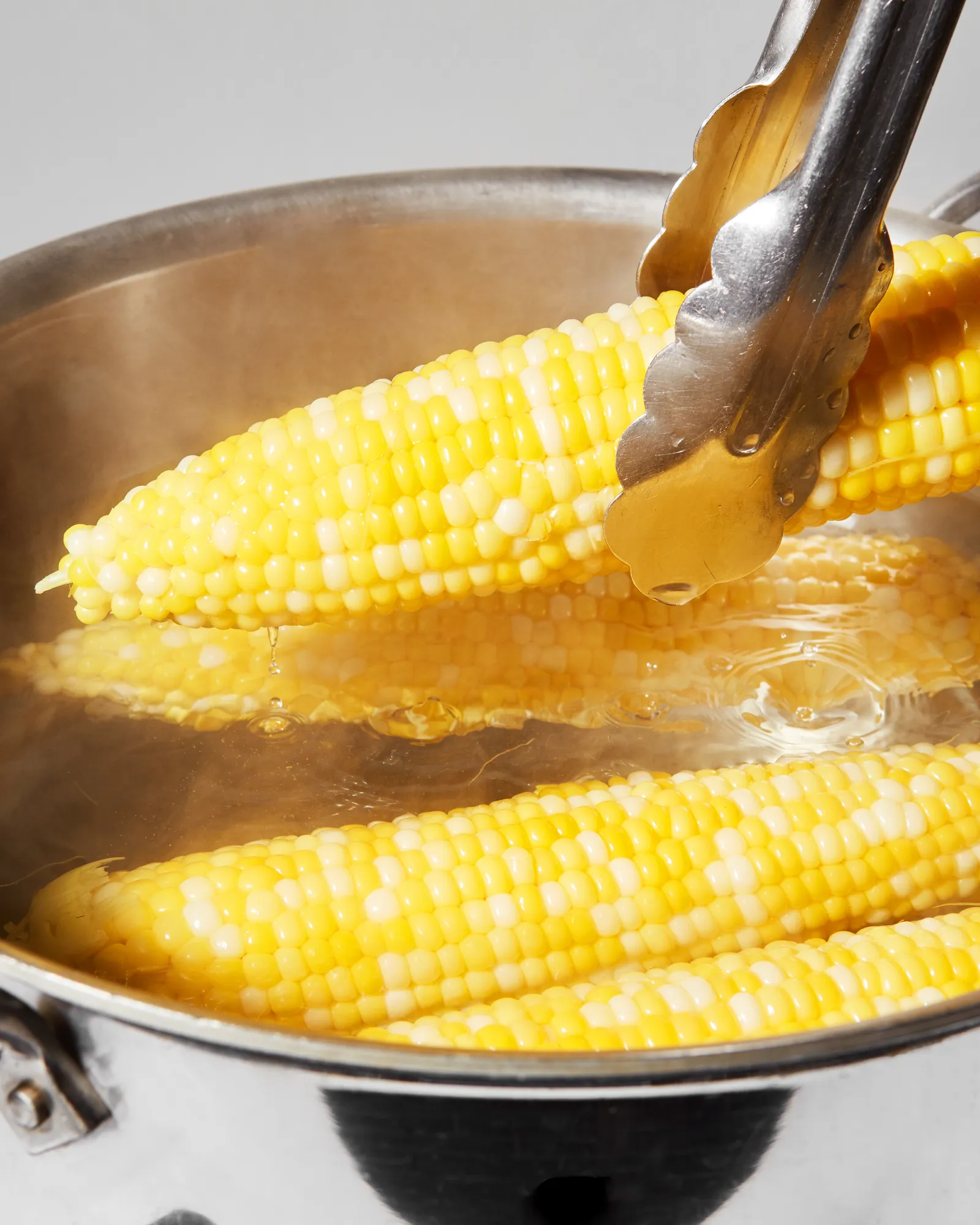
Boost your plant’s health with corn water! Enhance nutrient absorption, soil health, and root development. Increase flowering and fruit production while naturally deterring pests. Save money with cost-effective fertilization and contribute to sustainable gardening. Uncover these benefits and more to nurture your plants to their fullest potential.
1. Enhanced Nutrient Absorption
Enhanced nutrient absorption in plants can be significantly improved through the utilization of corn water, which contains starch and sugar essential for plant growth. The fermentation process of corn water enriches it with vital nutrients, making it a valuable resource for promoting lush plant growth. Diluted fermented corn water serves a dual purpose by preventing insect attraction while enhancing nutrient absorption in plants.
Direct application of fresh boiled corn water can have adverse effects on plant roots due to its concentrated nature. To avoid harm, it is crucial to dilute corn water before use. By incorporating diluted fermented corn water into your plant care routine twice a week, you can optimize the absorption of nutrients, resulting in healthier and more vigorous plant growth.
2. Improved Soil Health
You can improve the health of your soil by using corn water as a nutrient-rich soil amendment. The starch and sugar content in corn water can enhance microbial activity in the soil, promoting better nutrient uptake by plants. Additionally, corn water aids in increasing water retention in the soil, creating a more favorable environment for plant growth.
Nutrient-Rich Soil Amendment
Incorporating corn water into soil amendments significantly boosts the nutrient content, fostering improved soil health for optimal plant growth. Corn water enriches the soil with essential nutrients such as starch and sugar, acting as a natural liquid fertilizer that enhances soil vitality. This nutrient-rich soil amendment not only promotes healthier plant growth but also reduces the reliance on chemical fertilizers, making it a sustainable gardening practice.
To highlight the benefits of using corn water as a soil amendment, consider the following table:
| Nutrient Content | Impact on Soil Health |
|---|---|
| Starch and Sugar | Enhances nutrient levels in the soil, promoting robust plant growth. |
| Organic Compounds | Supports beneficial microbial activity, improving soil structure. |
| Natural Fertilizer | Reduces the need for synthetic fertilizers, minimizing environmental impact. |
Regular application of diluted corn water can prevent issues like yellowing leaves, leading to lusher foliage, vibrant blooms, and a flourishing garden ecosystem. By incorporating corn water into your gardening routine, you can create a nutrient-rich soil environment that nurtures healthy and thriving plants.
Enhanced Microbial Activity
Corn water for plants fosters enhanced microbial activity in the soil, contributing to improved soil health and nutrient absorption for optimal plant growth. When beneficial microbes are introduced into the soil through corn water application, they break down organic matter that would otherwise be left behind, enriching the soil with essential nutrients. This enrichment leads to a more nutrient-rich environment that can give your plants the necessary elements for their growth and development.
Moreover, the increased microbial diversity resulting from corn water usage boosts plant growth and resilience. These diverse microbial populations work synergistically to create a thriving ecosystem underground, supporting plant vitality. By incorporating corn water into your plant care routine, you are not only enhancing the microbial activity in the soil but also setting the stage for healthier plants in the next growing season. Consider utilizing corn water to maximize the benefits of microbial activity for your plants next time.
Increased Water Retention
Enhanced water retention in the soil due to the application of corn water contributes to improved soil health and hydration levels for plant roots. Boiled corn water, rich in nutrients and organic matter, has been shown to have water-absorbing properties that benefit soil moisture levels. When boiled corn water is applied to the soil, it helps the soil retain moisture more effectively, creating a favorable environment for plant roots to access water and essential nutrients. This increased water retention plays a vital role in ensuring that plants can withstand dry conditions and maintain optimal hydration levels.
Research indicates that the enhanced moisture levels in the soil resulting from boiled corn water application lead to healthier and more resilient plants. By promoting better water retention, boiled corn water positively influences plant growth and overall vitality. The improved soil health due to increased water retention from boiled corn water contributes to creating a supportive ecosystem for plant development.
3. Stronger Root Development
Stronger root development in plants is facilitated by the nutrient-rich composition of corn water. The root system benefits greatly from the growth enhancement properties of corn water. This natural solution provides essential nutrients such as starch and sugar, crucial for robust root growth. As roots develop and strengthen, plants experience improved nutrient absorption, leading to enhanced overall health and resilience. Moreover, strong roots play a vital role in helping plants withstand various environmental stressors, promoting stability and longevity. By incorporating corn water into your plant care routine regularly, you can witness the transformation of root systems into healthier and more resilient structures. This simple practice not only nurtures the roots but also fortifies the entire plant, ensuring its ability to thrive in fluctuating conditions. Embrace the power of corn water for your plants’ root development, and witness the remarkable benefits it brings to their vitality and strength.
4. Increased Flowering and Fruit Production
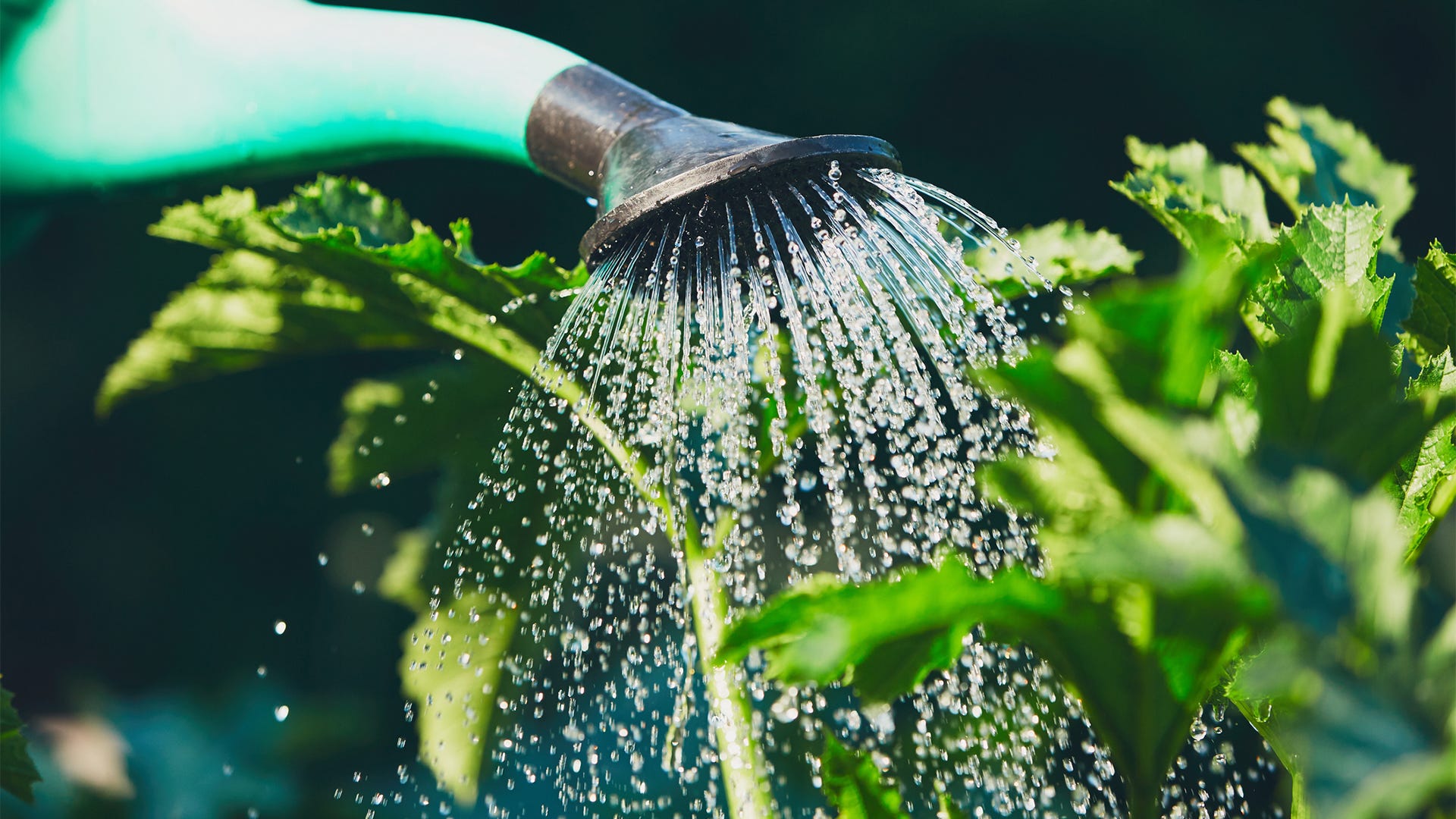
Using corn water as a natural fertilizer can enhance the health of your plants, leading to increased flowering and fruit production. The nutrients in corn water support pollination efficiency, resulting in healthier plant growth and abundant harvest yields. Regular application of diluted corn water can promote lush and vibrant plants, ultimately yielding more flowers and fruits.
Enhanced Pollination Efficiency
The application of corn water to plants can significantly increase both flowering and fruit production, thereby enhancing pollination efficiency. Increased flower production due to the nutrients present in corn water can attract more pollinators, leading to enhanced pollinator attraction and increased fruit set. The nutrients in corn water play a crucial role in the development of healthy flowers, which are essential for successful plant reproduction. Regular application of corn water contributes to improved plant reproduction by providing plants with the necessary starch and sugar content for stronger and more vibrant flowers. These stronger flowers not only look visually appealing but also serve a vital function in facilitating successful pollination. Overall, the use of corn water can positively impact the pollination process by promoting increased flower and fruit production, ultimately leading to improved plant reproduction outcomes.
Healthier Plant Growth
Corn water, a nutrient-rich liquid fertilizer obtained through fermentation, plays a pivotal role in promoting healthier plant growth, leading to increased flowering and fruit production. Improved resilience is a key benefit of using corn water, as the essential nutrients like starch and sugar provided by this fertilizer enhance the plant’s ability to withstand environmental stressors. Healthier foliage is another advantage, with the fermentation process creating a nutrient-rich solution that promotes lush growth and vitality in plants. Additionally, corn water aids in enhanced photosynthesis, ensuring that plants can efficiently convert light into energy for growth and development. By incorporating diluted fermented corn water into your plant care routine, you can prevent yellowing of leaves, boost flower fragrance, and improve the overall appearance of your plants. Remember to follow proper fermentation and dilution methods to maximize the benefits and avoid any potential harm to your plant roots.
Abundant Harvest Yields
Enhancing plant productivity with nutrient-rich liquid fertilizer can significantly boost flowering and fruit production. When utilizing corn water as a natural liquid fertilizer, plants benefit from increased pollinator attraction, leading to enhanced pollination rates and subsequently higher fruit yields. The essential nutrients present in corn water stimulate plant growth, resulting in bountiful harvests characterized by abundant fruits and flowers.
Plants watered with corn water exhibit improved resilience against diseases, ensuring better overall harvest quality. The starch and sugar content in corn water play a crucial role in promoting plant vigor, ultimately translating into healthier, more vibrant flowers and increased fruit production. Regular application of corn water provides plants with the necessary nutrients to thrive, contributing to sustained growth and optimal yield outcomes.
5. Natural Pest Deterrent
Utilizing fermented corn water as a natural pest deterrent offers a sustainable solution to safeguard your plants against harmful insects. This DIY application serves as a natural insecticide, providing an effective method for organic gardening enthusiasts to protect their plants. The fermentation process in corn water acts as a barrier, deterring pests from infesting your garden while also supplying essential nutrients for plant development. By using fermented corn water, you can reduce the risk of insect infestations without resorting to chemical pesticides, thus promoting a healthier ecosystem in your garden.
Diluting the fermented corn water with regular water before application ensures that your plants receive protection without compromising beneficial insects that contribute to a balanced garden environment. This eco-friendly approach not only wards off pests but also supports sustainable gardening practices. Embracing fermented corn water as a natural pest deterrent provides a safe and effective means to shield your plants from harm while fostering their growth naturally.
6. Cost-Effective Fertilization
To maximize the benefits of corn water for your plants, consider its role as a cost-effective fertilization method that offers essential nutrients for promoting healthy plant growth. DIY fertilization techniques like using corn water provide organic gardening benefits by offering a sustainable and natural approach to homegrown plant care. By recycling corn water, you not only reduce waste but also supply your plants with vital micronutrients present in this natural fertilizer.
Organic gardening enthusiasts appreciate the simplicity and effectiveness of using corn water as a nutrient source for plants. The starch and sugar content in corn water act as natural plant boosters, aiding in robust growth and development. Diluting fermented corn water before application is crucial to prevent root burning and ensure that your plants receive a balanced nourishment.
Incorporating corn water in your plant care routine can lead to healthier, more vibrant growth, making it a cost-effective and environmentally friendly choice for fertilizing your beloved plants.
7. Environmentally Sustainable Gardening
Recycling corn water for plants is a key practice in environmentally sustainable gardening. Water conservation is crucial in organic gardening, and utilizing corn water can significantly contribute to this endeavor. Not only does it help reduce water wastage, but it also serves as an eco-friendly practice by repurposing kitchen waste effectively. The nutrients present in corn water play a vital role in enhancing plant growth and vitality, promoting soil health and fertility in the process.
| Benefits of Recycling Corn Water for Plants |
|---|
| Water Conservation |
| Organic Gardening |
| Eco-Friendly Practices |