
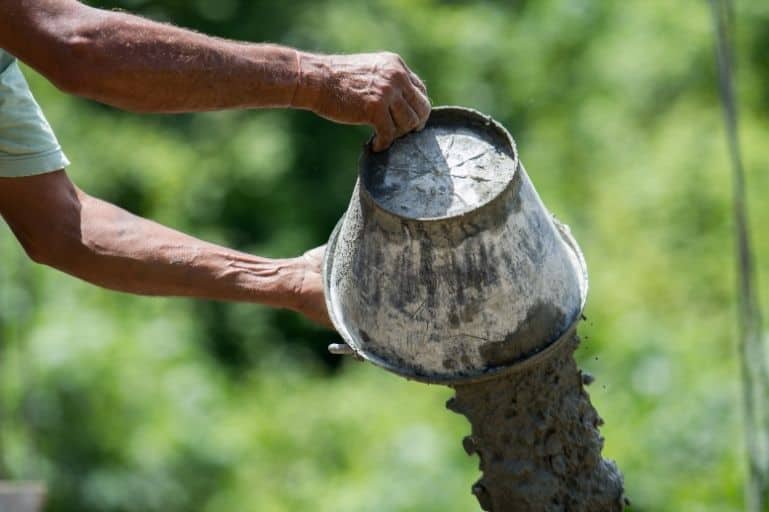
When concrete spills on grass, the high alkalinity quickly raises soil pH, jeopardizing plant health by restricting vital nutrient uptake and increasing the risk of iron deficiency. The liquid state of cement can form a crust, severely impeding airflow and nutrients, with potential harmful effects visible in just a few days as yellowing and wilting of grass. Immediate cleanup is essential; diluting the area with plenty of water and promptly removing residual cement can mitigate this. The sooner you act, the better the chances of minimizing damage. Understanding these steps thoroughly could unveil more on effective restoration tactics for your lawn.
Incident Overview
In a recent incident, a neighbor’s home remodeling project inadvertently caused a concrete spill on my lawn, totaling about a quarter yard of material due to a clogged hose connected to a concrete pumper.
The spill, primarily consisting of cement, raised immediate concerns about the potential alteration of soil pH levels. Concrete, being highly alkaline, can significantly increase the soil’s pH. Such a change disrupts the nutrient availability for the grass, potentially leading to long-term growth issues.
Notably, an increased soil pH can limit the uptake of essential nutrients like phosphorus and increase the risk of iron deficiency, as seen in overly alkaline conditions.
Recognizing the risks, the workers promptly initiated cleanup efforts to minimize the impact. This approach was essential in preventing the cement from fully integrating with the soil, which could have exacerbated the pH shift and posed more severe risks to the lawn’s health.
Grass Damage Assessment
Following the cleanup of the cement spill, I immediately turned my attention to assessing the damage to my lawn. I knew the concrete’s presence had likely altered the soil pH dramatically, creating a hostile environment for my grass.
To restore the lawn’s health, considering a balanced fertilization approach might be necessary to compensate for nutrient deficiencies and pH imbalances caused by the spill. Observing the affected areas, I noticed signs of distress like yellowing and wilting within just a few days. This rapid deterioration indicated severe pH disruption, which could hinder nutrient uptake and potentially lead to long-term growth issues.
I also considered the runoff, which may have spread the alkalinity further downhill, amplifying the damage. It was crucial to gauge the health of the specific grass species across my lawn to understand the full extent of the impact and strategize effectively for recovery.
Cleanup and Mitigation Strategies
Quick action is crucial when tackling a cement spill on grass to prevent lasting damage. If you’ve encountered wet concrete on your lawn, immediately start by breaking up and raking the spill to minimize its contact with the grass roots.
It’s vital to water the affected area thoroughly for several hours to help dilute the cement’s alkalinity and mitigate harm. Additionally, applying sulfur to the soil can neutralize pH changes and foster a healthier environment for grass to recover.
Implementing sustainable gardening practices can also aid in the recovery of your lawn by enhancing soil health and ensuring better conditions for grass regrowth.
To repair the damage, carefully match the grass seed to your existing lawn’s species for successful regrowth.
Don’t forget to implement erosion control measures, like placing sod, to protect the area from further runoff and promote recovery.
Community Responses and Advice
Having outlined the immediate cleanup steps for a cement spill on grass, let’s now explore how the community reacts and what advice they offer when faced with such incidents.
Community members stress the importance of swift action, noting that addressing a concrete spill promptly can significantly reduce damage to grass.
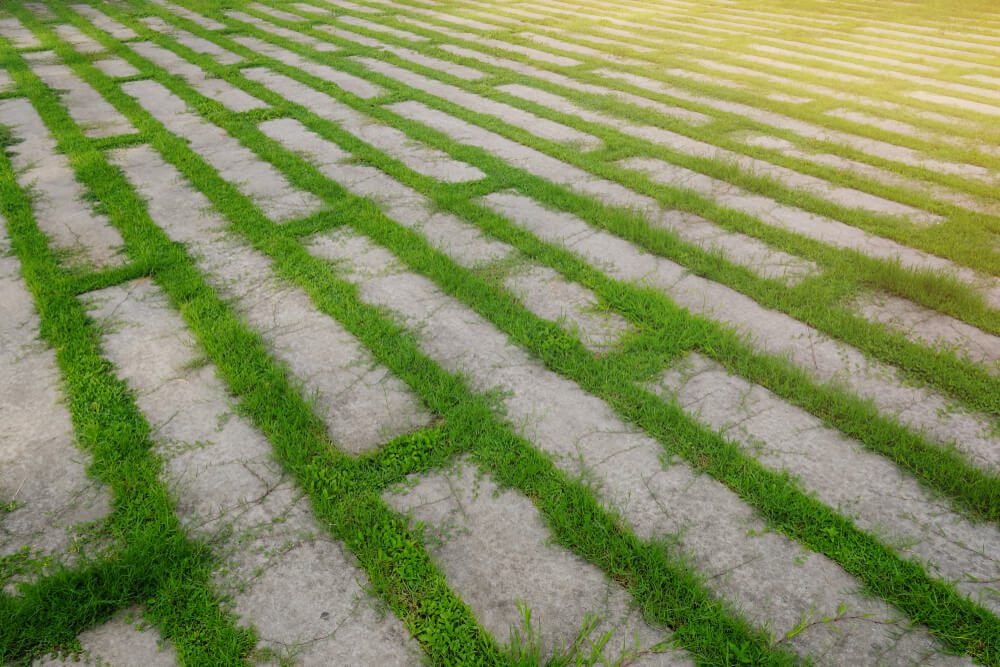
Innovative suggestions include repurposing the spilled concrete into decorative stepping stones, which not only recycles waste but also mitigates the impact on the landscape.
There’s a strong call for accountability; neighbors encourage open dialogue to ensure those responsible contribute to restoration efforts.
Additionally, preventive measures like using protective barriers during construction are recommended to safeguard green spaces.
Importantly, the consensus advises against acidic cleaning agents that could harm the grass, recommending gentle dilution and removal instead.
Tools and Products for Construction
Safety emerges as a paramount concern when selecting tools and products for construction.
Working with cement, which primarily contains calcium carbonate, can pose specific health risks if proper precautions aren’t taken.
Here’s a list of essential tools that ensure your construction tasks are safe and efficient:
- N95 Respirator: Protects against inhaling harmful dust particles during cement cutting or sanding.
- Festool Cordless Track Saw: Offers precise cuts, crucial for maintaining the integrity of construction projects.
- IR Camera: Detects air leaks in structures, promoting energy efficiency by assessing insulation needs effectively.
- Stabila Classic Level Set: Essential for ensuring structures are level and plumb, preventing future stability issues.
Don’t forget to wear nitrile work gloves to protect your hands from irritation and injury!
Effects of Cement on Grass
When cement spills on grass, it can significantly disrupt the lawn’s health by altering the soil’s chemical balance. The spill raises the soil’s pH levels, creating an environment too alkaline for grass to grow healthily.
Within just 2-3 days, the grass might begin to die due to hindered nutrient uptake. The high alkalinity of cement also causes chemical burns, which you’ll notice as yellowing and wilting grass because of reduced iron absorption.
Furthermore, liquid cement can solidify into a dense crust, severely restricting air, water, and nutrient flow to the grass. Over time, this crust makes it nearly impossible for the roots to recover, often leading to permanent damage if not addressed quickly.
Amount of Cement Required
In discussing the amount of cement detrimental to grass, it’s crucial to consider even minimal exposure. Here’s a detailed breakdown:
- Threshold Amount: Just 1.5mg to 3.8mg of cement per square meter can be enough to impact grass adversely due to high alkalinity.
- Chemical Reactions: The alkaline nature of cement spilled on grass triggers chemical reactions that distress and can kill the grass within days.
- Coverage Impact: Full coverage of grass with cement drastically accelerates the grass death process by increasing soil pH and reducing nutrient availability.
- Long-term Effects: Continuous alkaline exposure from cement leads to prolonged deterioration and eventual death of the grass in the affected areas.
Understanding these metrics helps in assessing the risk and potential damage when cement is spilled on grass.
Immediate Actions and Remedial Care
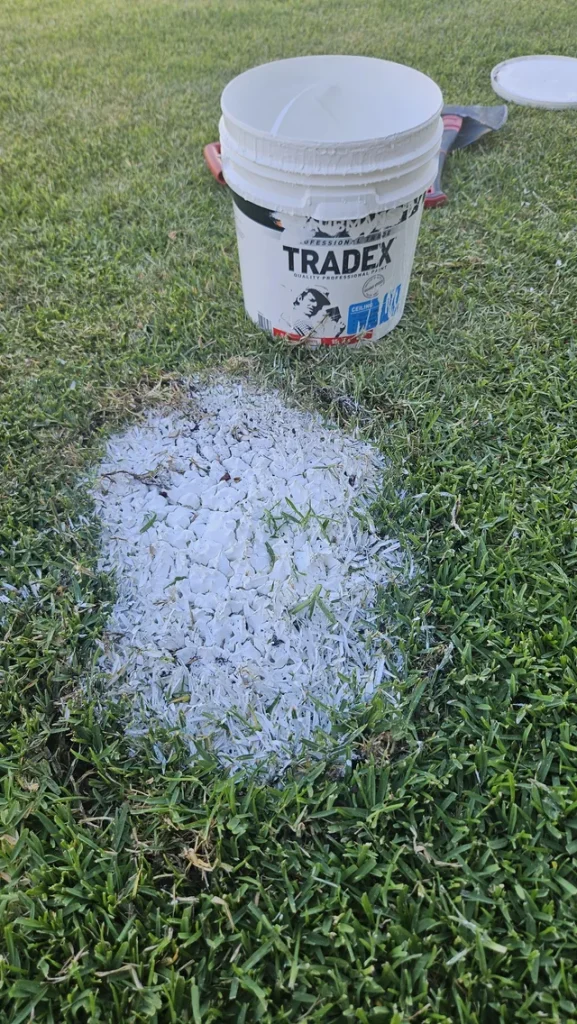
Quickly removing any excess cement is crucial to minimize its contact with grass, as even small quantities can be fatal within days due to its high alkalinity.
Once you’ve cleared the area, it’s paramount to rinse the affected spot thoroughly with water. This dilutes the chemicals, potentially saving your lawn from further damage.
If the cement has penetrated deeper, consider shoveling out 4-7 inches of the topsoil. This step helps remove contaminated soil and clears the way for fresh, healthy soil, which can significantly aid in grass recovery.
Afterward, testing the soil pH is essential; if it’s too alkaline, amending it will be necessary.
Keep a close eye on the grass, and if recovery stalls, replanting might be required.
Preventive Measures
Preventive measures are essential in safeguarding your grass from the potentially harmful effects of cement spills during construction projects. Here are some strategies you can deploy:
- Cover Sensitive Areas: Use plastic sheets or tarps to cover your grass, especially near the construction site, to prevent any accidental cement spills.
- Restrict Construction Zones: Keep construction activities away from grassy areas whenever possible to minimize the risk of damage.
- Temporary Grass Removal: Consider removing the grass in areas destined for cement pouring and replant it post-project to avoid long-term exposure to alkaline substances.
- Educate Your Team: Ensure that all workers and contractors are aware of the importance of careful cement handling and the procedures for quick cleanup in case of spills.
These steps will help protect your natural or artificial grass during construction activities.
Environmental Considerations
While we’ve considered how to protect grass from cement spills, it’s equally important to examine the broader environmental impacts of cement use.
Cement production is responsible for about 8% of global carbon emissions, underscoring its significant environmental footprint. When cement waste isn’t disposed of properly, it can contaminate soil, disrupting local ecosystems and damaging plant life, including lawn grass.
By adopting eco-friendly practices like recycling unused cement, we can drastically cut down on waste and minimize construction’s overall environmental impact.
It’s also crucial to be aware of and comply with local regulations on cement disposal to prevent harmful runoff, ensuring the health of our lawn grass and surrounding ecosystems remains intact.
Concrete Spill Cleanup Overview
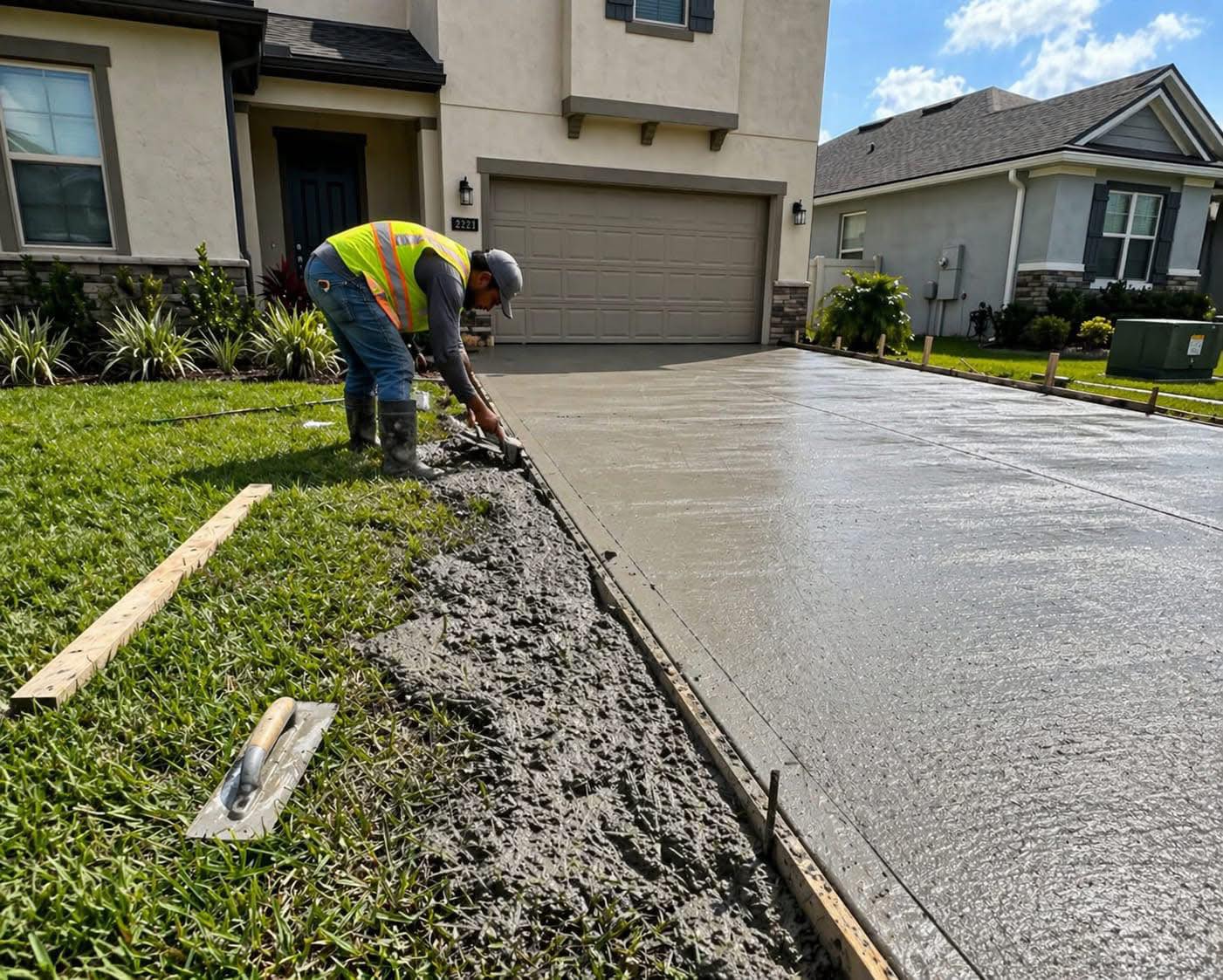
If you ever face a concrete spill, acting swiftly will make the cleanup process more manageable.
Here’s a structured approach to tackle this issue:
- Dilute Immediately: As soon as the spill occurs, dilute the area with plenty of water. This prevents the concrete from hardening quickly, which can make the situation worse over the next couple of weeks.
- Scrape Gently: Use a plastic putty knife to gently scrape up the softened concrete. Continuously add water while scraping to keep the concrete manageable.
- Brush Thoroughly: Employ a stiff-bristled brush to remove smaller particles and residue.
- Dispose Properly: Collect the scraped material in a separate bucket for disposal, ensuring it doesn’t affect the surrounding environment.
Removing Wet Concrete
After covering the basics of concrete spill cleanup, let’s focus on how to remove wet concrete from grass.
If you’re dealing with a large amount, act swiftly to mitigate the damage. Start by dousing the affected area with plenty of water. This dilutes the concrete, making it easier to manage. Use a plastic putty knife to gently scrape up the softened material. Keep the area moist by continuously adding water, which keeps the concrete workable and prevents it from setting.
Next, employ a stiff-bristled brush to remove any remaining residue. This ensures your grass isn’t harmed in the process.
Repeat the scraping and brushing until the area is thoroughly clean. Collect the debris in a separate bucket to avoid further contamination.
Handling Hardened Concrete
Despite best efforts to manage spills quickly, some concrete may harden before it’s removed, necessitating a more intensive cleaning approach.
When you’re dealing with hardened concrete on your grass, it’s crucial to follow a specific procedure to minimize damage:
- Apply a Concrete Remover: Start by generously applying a product like Fuze Products Concrete Remover. Let it soak for 5-10 minutes.
- Break It Up: Use a stiff-bristled brush or a hammer chisel to carefully break up the hardened concrete.
- Scrape Off Residue: Gradually remove the concrete from the top, adding more remover as needed.
- Rinse Thoroughly: After all the concrete is removed, cleanse the area with plenty of fresh water to remove any leftover residue or cleaning agents.