
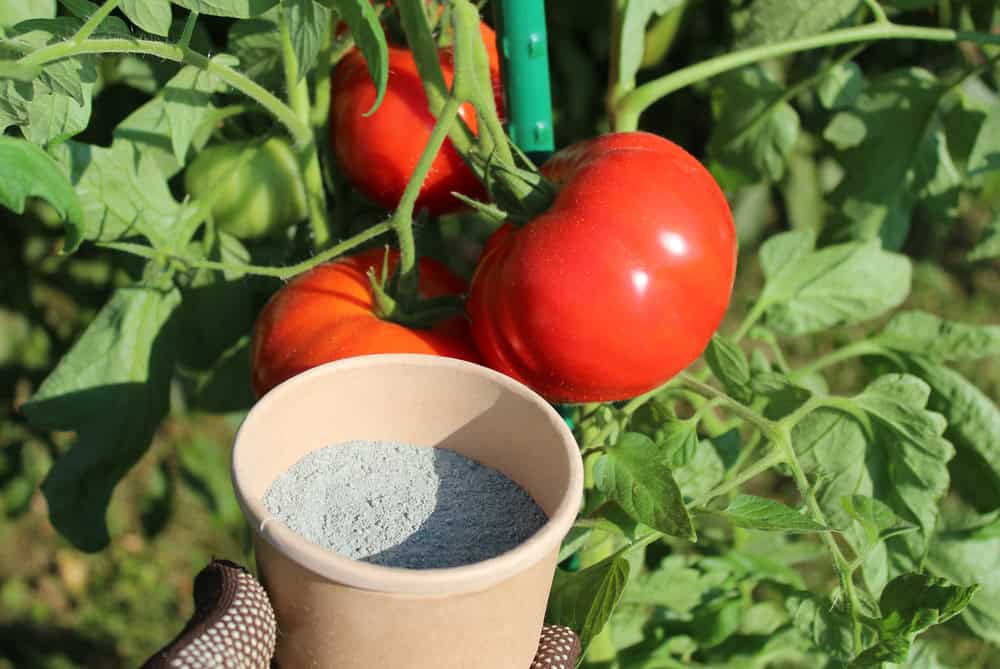
Enhance your tomato plants with bone meal, rich in phosphorus crucial for growth, root development, and robust fruit. Find improved flowering, fruit set, and long-term nutrient supply. Enjoy bigger, healthier tomatoes. Boost yield potential with steady nutrient supply and higher fruit quality. Create organic-rich, sustainable conditions promoting vigorous plant growth. Supply essential calcium, phosphorus, and nitrogen for balanced fruit development. Strengthen plant health, prevent issues, and support eco-friendly gardening practices.Unlock the full potential of your tomato plants with bone meal.
Importance of Phosphorous for Tomatoes
Phosphorus plays a crucial role in the healthy growth of tomatoes, supporting root development and overall plant vigor. In the soil, phosphorus is essential for the plant’s energy transfer, root formation, and overall metabolic processes. Without an adequate supply of phosphorus, tomato plants can exhibit stunted growth and underdeveloped flowers, impacting fruit production. Bone meal supplements the soil with phosphorus, promoting robust growth and fruit development in tomatoes. Additionally, phosphorus helps prevent blossom-end rot in tomatoes, ensuring the production of juicy and balanced fruits. Maintaining adequate phosphorus levels in the soil is crucial for enhancing soil health and supporting optimal growth of tomato plants. By providing the necessary phosphorus through bone meal, gardeners can ensure that their tomatoes receive the vital nutrient needed for healthy development and fruitful yields.
Enhanced Flowering in Tomato Plants
To enhance the flowering process in tomato plants, incorporating bone meal into the soil is beneficial due to its ability to increase phosphorus levels and support healthy blossom development. Bone meal fertilizer provides the necessary phosphorus that is crucial for robust flowering in tomato plants. Here are some key points to consider:
- Bone meal increases phosphorus levels in the soil, promoting flowering in tomato plants.
- Phosphorus from bone meal aids in the development of healthy blossoms on tomato plants.
- Enhanced phosphorus availability from bone meal leads to increased flower production in tomatoes.
- Proper phosphorus levels from bone meal support vigorous flowering and fruit set in tomato plants.
Increased Fruit Development
Curious about how bone meal can enhance fruit development in tomato plants? Bone meal plays a crucial role in increasing fruit development by providing essential phosphorus to tomato plants. Phosphorus is a key nutrient that supports healthy root growth, ultimately leading to more vigorous tomato plants capable of producing larger and juicier fruits. Insufficient phosphorus levels can result in nutrient deficiencies, stunting plant growth and reducing fruit yield. By incorporating bone meal into your tomato plant care routine, you can help prevent such deficiencies and maximize fruit production.
The gradual release of phosphorus from bone meal ensures a consistent supply of this vital nutrient, supporting sustained tomato growth and fruiting. This steady nutrient availability is particularly beneficial for promoting continuous fruit development throughout the growing season. By addressing the phosphorus needs of your tomato plants through bone meal application, you can encourage robust fruit development and enjoy a bountiful harvest of flavorful tomatoes.
:max_bytes(150000):strip_icc()/SPR-guide-to-fertilizing-tomatoes-7151680-01_3206-696696e1fdc347e99c4b2c3313137967.jpg)
Long-Term Phosphorous Supply
For ensuring a sustained and consistent supply of essential phosphorus to support healthy tomato growth and fruit development, bone meal serves as an effective long-term solution. Phosphorus is crucial for the overall development of tomatoes, and the slow-release nature of bone meal guarantees a steady provision of this vital nutrient to your plants over an extended period. Here are some key points to consider:
- Phosphorus Benefits: Bone meal provides a continuous supply of phosphorus, which is essential for root development, flowering, and overall plant vigor in tomatoes.
- Prevention of Blossom-End Rot: Adequate phosphorus from bone meal helps prevent blossom-end rot in tomatoes, ensuring better fruit quality.
- Consistent Supply: The slow-release properties of bone meal ensure a consistent and long-lasting provision of phosphorus to support sustained growth and development.
- Nutrient Balance: Using bone meal helps maintain a balanced nutrient supply, promoting optimal growth and higher yields in your tomato plants.
Healthier and Bigger Tomatoes
Bone meal’s contribution to healthier and bigger tomatoes is evident through its support for robust root development and enhanced fruit quality. The phosphorus provided by bone meal plays a crucial role in promoting plant growth, especially in tomatoes. This essential nutrient aids in root growth, allowing the plant to establish a strong foundation for absorbing water and nutrients efficiently. Additionally, phosphorus contributes to the development of juicy and balanced tomatoes, enhancing their overall quality.
Moreover, the calcium content in bone meal helps strengthen tomato stems, reducing the risk of issues like blossom-end rot. By fortifying the plant’s structure, calcium ensures that the tomatoes receive proper support as they grow, ultimately leading to healthier fruits. With bone meal’s support for root development and nutrient absorption, tomatoes grown with this organic fertilizer tend to be larger, more robust, and less prone to common issues, resulting in a bountiful harvest of high-quality produce.
Higher Yield Potential
Achieving a higher yield potential in tomato cultivation can be facilitated by the essential phosphorus supply provided by bone meal, supporting robust plant growth and increased flower production. When you add bone meal, an organic fertilizer rich in plant nutrients, to your soil, you are setting the stage for a bountiful tomato harvest. Here’s how bone meal can help you achieve higher yields:
- Enhanced Phosphorus Levels: Bone meal boosts phosphorus levels, crucial for root development and flower production, ultimately leading to larger, healthier tomatoes.
- Steady Nutrient Supply: The slow-release properties of bone meal ensure a continuous nutrient source, sustaining tomato growth over the entire season.
- Improved Fruit Quality: By incorporating bone meal, you can enhance the flavor, quality, and resilience of your tomatoes.
- Maximized Yield Potential: Utilizing bone meal in your tomato cultivation practices can result in a more robust harvest, maximizing the yield potential of your crop.
Benefits of Natural Fertilizers
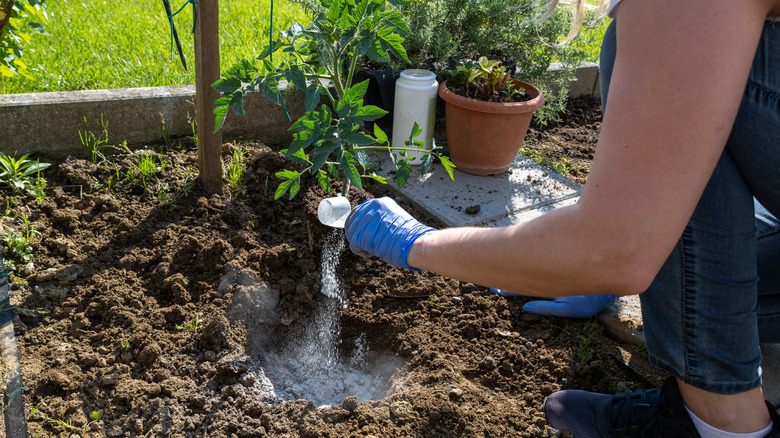
Boosting the nutritional content of your soil with natural fertilizers like bone meal can significantly enhance the health and productivity of your tomato plants. Bone meal, an organic fertilizer, serves as an excellent plant food for tomatoes due to its high phosphorus and calcium content, crucial elements for robust tomato growth. This natural fertilizer plays a vital role in preventing issues like blossom-end rot, supporting root development, and enhancing fruit production in tomatoes. Additionally, bone meal releases nutrients gradually into the soil, providing a sustainable source of nourishment for your plants over an extended period. By incorporating bone meal into your gardening routine, you can improve soil health, leading to more resilient and flavorful tomato harvests. The use of this organic fertilizer results in stronger stems, better fruit quality, and overall enhanced vitality of your tomato plants, making it a valuable asset in promoting the success of your tomato garden.
Specific Needs of Tomato Plants
To ensure optimal growth and productivity, tomato plants have specific requirements that must be met in their growing environment. Here are some key factors to consider:
- Soil pH Level: Tomatoes thrive in soil with a pH of 6.0-6.8, which is slightly acidic. Maintaining the correct pH level is crucial for nutrient uptake and overall plant health.
- Benefit from Bone Meal: Tomato plants benefit significantly from bone meal due to its phosphorus content. Phosphorus is essential for healthy growth, flowering, and fruit development in tomatoes. Bone meal also provides calcium, which strengthens stems and helps prevent blossom-end rot.
- Phosphorus Deficiency: A lack of phosphorus can lead to issues like a reduced number of blossoms in tomato plants. Supplementing with bone meal can help prevent phosphorus deficiency and promote optimal growth.
- Organic-Rich Conditions: Tomatoes prefer soil that is organic-rich. Bone meal, being an organic slow-release fertilizer, not only adds essential nutrients but also improves soil quality for tomatoes to thrive.
Sustainable Growth With Bone Meal
Enhancing sustainability in tomato growth can be effectively achieved through the strategic use of bone meal as a nutrient-rich fertilizer. When plants need vital nutrients like phosphorus and calcium to thrive, amending your soil with bone meal can provide long-lasting benefits. By using bone powder, you can ensure a gradual release of essential nutrients into the soil, supporting the healthy development of your tomato plants throughout the season.
To emphasize the advantages of using bone meal for sustainable growth, consider the following table:
| Benefits of Using Bone Meal | |
|---|---|
| 1. Provides essential nutrients | Calcium, phosphorus, and nitrogen support healthy plant growth. |
| 2. Enhances soil conditions | Improves soil structure and promotes beneficial microbial activity. |
| 3. Sustainable application | One-time per season application is generally adequate for the entire growth cycle. |
| 4. Prevents nutrient deficiencies | Helps prevent issues like blossom-end rot by supplying necessary nutrients. |
| 5. Supports overall plant health | Promotes vigorous growth and balanced fruit development. |

Nutrient-Rich Soil for Tomatoes
Amend your soil with bone meal to enrich it with essential nutrients like nitrogen, calcium, and phosphorus, creating a nutrient-rich environment crucial for promoting healthy tomato growth. When adding bone meal to your soil, consider the soil’s pH level to ensure optimal nutrient uptake by your tomato plants. Here are some key points to keep in mind:
- Balanced Nutrient Supply: Bone meal provides a balanced mix of nutrients, supporting overall plant health and growth.
- Prevention of Common Issues: Proper soil conditioning with bone meal can help prevent problems like blossom-end rot and a lack of blossoms in tomato plants.
- Phosphorus Boost: Bone meal supplements phosphorus, essential for robust root development and increased flower production in tomatoes.
- Long-Term Nutrient Release: The gradual nutrient release from bone meal ensures a consistent supply of essential elements for your tomato plants throughout the growing season.
Improved Plant Health
Boost the overall vitality of your tomato plants by incorporating bone meal into your soil regimen for improved plant health. In organic gardening, phosphorus plays a crucial role in enhancing plant health, and bone meal is a natural source of this essential nutrient. Phosphorus from bone meal is vital for promoting healthy root development in tomato plants, which in turn supports overall growth and vigor. The slow-release properties of bone meal ensure a steady and continuous supply of phosphorus to your tomatoes throughout the growing season, contributing to robust plant health.
Additionally, the calcium content in bone meal benefits tomatoes by reducing the risk of blossom-end rot and strengthening stems, leading to healthier and more resilient plants. Improved plant health resulting from bone meal application translates into increased fruit production, larger and juicier tomatoes, and enhanced disease resistance. By incorporating bone meal into your gardening routine, you can naturally boost the health and productivity of your tomato plants, ultimately yielding a more abundant and high-quality harvest.
Eco-Friendly Gardening Option
To further explore the eco-friendly aspects of incorporating bone meal into your gardening practices, consider the sustainable sourcing and production methods involved in creating this nutrient-rich soil amendment. When you use bone meal in your garden, you are opting for an environmentally friendly choice that supports sustainable practices in the food industry. Here are some reasons why bone meal is considered an eco-friendly gardening option:
- Derived from the livestock industry: Utilizing bone meal helps reduce waste by repurposing by-products from the meat industry.
- Low environmental impact: The production process of bone meal involves minimal processing and energy consumption, making it a sustainable choice.
- Supports soil health: The phosphorus content in bone meal helps enrich the soil, promoting healthy plant growth while reducing the need for chemical fertilizers.
- Long-lasting benefits: With its slow-release nature, bone meal provides nutrients gradually, ensuring sustained nourishment for your plants with minimal applications.