
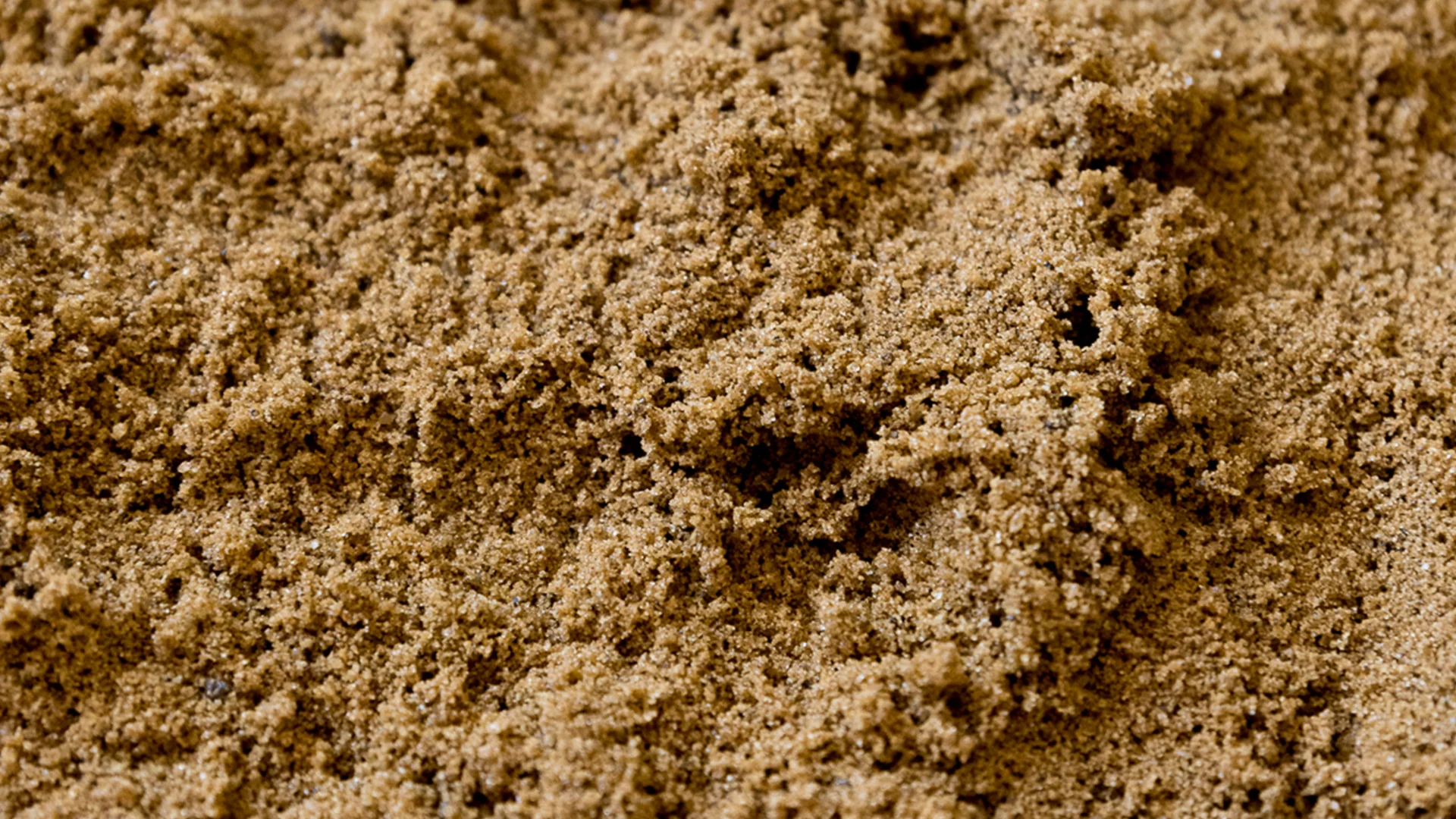
Horticultural sand, a valuable garden tool, aids in drainage, prevents compaction, and oxygenates soil for healthier roots. Its benefits include enhancing growth, aeration, and soil structure. By promoting water movement, avoiding waterlogged soil, and assisting root development, horticultural sand boosts plant vitality. Selecting the right sand type, free of impurities, can notably improve your garden conditions and plant health. Use it to enhance soil drainage in beds and pots, prevent root rot, and bolster overall plant health. Discover the many advantages of using horticultural sand to optimize your garden’s vitality and growth.
Benefits of Horticultural Sand
To understand the advantages of incorporating horticultural sand into your garden, it is crucial to recognize its multifaceted benefits for soil health and plant growth. Horticultural sand plays a vital role in improving soil quality by facilitating drainage, preventing compaction, and enhancing root penetration. When mixed with soil, the sand creates spaces that allow for better water movement, thus improving soil aeration and structure. This enhanced aeration benefits plant roots by providing them with the necessary oxygen levels for optimal growth.
Moreover, the use of horticultural sand in containers helps prevent soil compaction, allowing roots to expand freely and access the nutrients they need. The sand also serves as an ideal medium for seeds and cuttings, providing a stable environment for germination and initial growth. Additionally, horticultural sand contributes to maintaining the pH balance of the soil, which is essential for the overall health and success of your garden. Incorporating horticultural sand into your gardening practices can significantly improve soil conditions and promote healthier plant growth.
Soil Drainage Improvement
Improving soil drainage can be achieved effectively by incorporating horticultural sand into your gardening practices. Horticultural sand plays a crucial role in enhancing drainage by creating pathways for water movement and root expansion within the soil. Its gritty composition facilitates improved aeration, which helps prevent waterlogging and supports the development of healthy plant roots. When mixed with compost or clay soil, horticultural sand aids in breaking up compacted areas, thereby enhancing the overall soil structure.
Aeration Enhancement
Enhancing soil aeration through the incorporation of horticultural sand improves root growth and nutrient absorption for plants in the garden. Horticultural sand plays a crucial role in enhancing soil drainage by creating air pockets within the soil structure. This aeration aids in preventing soil compaction, ensuring that roots have access to vital oxygen. The improved oxygen levels promote the growth of a robust root system, enabling better nutrient uptake by the plants.
Additionally, the gritty texture of horticultural sand helps maintain optimal soil aeration levels, particularly in heavy or clay soils prone to waterlogging. By incorporating horticultural sand into your gardening practices, you can create a healthy root environment that fosters plant growth. This aeration enhancement provided by horticultural sand not only benefits the current plantings but also sets the foundation for long-term soil health and vitality in your garden.
Preventing Waterlogging
Utilizing horticultural sand in gardening effectively prevents waterlogging in heavy or clay soils by enhancing drainage capabilities. Clay soils, known for their poor drainage, can lead to waterlogging, suffocating plant roots. By incorporating horticultural sand into the soil, you can improve the soil structure, allowing excess water to drain away efficiently. The coarse texture of horticultural sand aids in creating air pockets within the soil, preventing compaction and facilitating water movement.
In clay soils, waterlogging not only hinders root growth but also promotes the development of diseases and root rot. Horticultural sand helps mitigate these issues by promoting a well-draining environment that is unfavorable for pathogens. This, in turn, encourages healthy root development and overall plant growth.
:max_bytes(150000):strip_icc()/SPR-substitute-horticultural-sand-in-seed-mixes-3972308-hero-dd2ba102052c49e2b7106f226c9a47f6.jpg)
Breaking Up Compacted Soil
Horticultural sand plays a crucial role in ameliorating compacted soil by restructuring the soil composition and fostering enhanced air and water circulation. When soil becomes compacted, its structure hinders root growth and limits the movement of essential nutrients and water. By incorporating horticultural sand into the soil, you can significantly improve its quality. The gritty texture of the sand helps create spaces within the soil, preventing compaction and allowing roots to penetrate more easily. This improved soil structure also enhances drainage and aeration, reducing the risk of waterlogging. Mixing horticultural sand with heavy or clay soils is especially beneficial, as it helps break up the soil particles and promotes better root development. By addressing issues related to compacted soil through the use of horticultural sand, you can create a healthier environment for your plants, ensuring optimal growth and productivity.
Root Growth Promotion
In promoting root growth, horticultural sand creates a well-draining environment essential for plant development. The gritty texture of horticultural sand plays a crucial role in preventing soil compaction, which can hinder root growth by making it difficult for roots to penetrate the soil. By using horticultural sand, you are providing plants with improved soil aeration, a key factor in supporting healthy root development and overall plant growth. The presence of horticultural sand in potting mixes is especially beneficial as it helps establish optimal conditions for root growth. When roots can easily penetrate the soil due to the addition of horticultural sand, they can access essential nutrients and moisture, leading to stronger and healthier plants. Therefore, incorporating horticultural sand in your gardening practices can significantly enhance root growth, ultimately contributing to the overall well-being of your plants.
Contaminant-Free Option
For a reliable and contaminant-free gardening option, consider incorporating a specially sourced and washed sand into your soil mix. Horticultural sand is meticulously processed to ensure it is free of contaminants, making it an excellent choice for promoting plant health and enhancing soil quality. This lime-free sand is perfect for blending with composts, as its purity encourages aeration, drainage, and root growth in your garden beds.
The absence of impurities in horticultural sand not only prevents soil compaction but also fosters optimal conditions for plant growth. By using this contaminant-free sand, you can improve the overall structure of your soil, leading to healthier and more vigorous plants. Moreover, the reliability of horticultural sand makes it a preferred option for activities like sowing seeds, taking cuttings, and facilitating proper drainage in lawns and garden beds. Incorporating horticultural sand into your gardening practices ensures a clean and effective soil amendment solution.
Enhancing Soil Fertility
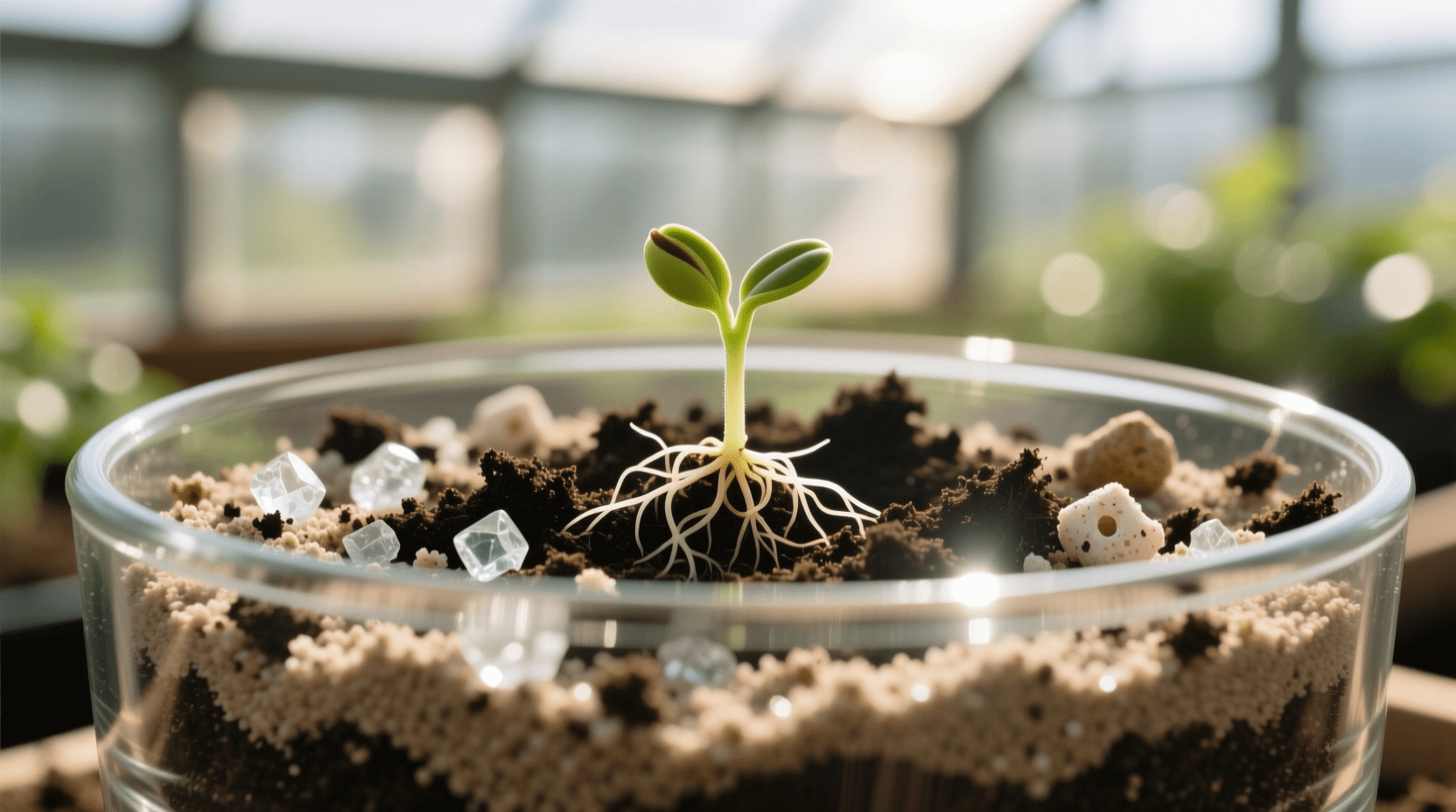
Enhancing soil fertility is crucial for optimizing plant growth and overall garden productivity. Horticultural sand plays a vital role in achieving this by enhancing the soil structure. The gritty nature of horticultural sand aids in improving drainage and aeration, creating an environment where roots can easily access nutrients. By incorporating horticultural sand into the soil, you can prevent compaction, a common issue that restricts root growth and nutrient absorption in plants. The improved soil structure resulting from the use of horticultural sand also facilitates root penetration, allowing plants to establish themselves more effectively.
Incorporating horticultural sand into your gardening practices can lead to healthier and more productive plants. This soil amendment helps create optimal conditions for root development, ultimately contributing to enhanced soil fertility. With better soil structure, plants can thrive and reach their full potential, making your garden more vibrant and abundant.
Choosing Horticultural Sand
Selecting the appropriate horticultural sand is crucial for optimizing soil structure and promoting healthy plant growth in your garden. When choosing horticultural sand, consider the following:
- Particle Size: Opt for horticultural sand with a mix of large and small particles to enhance soil drainage and aeration effectively.
- Composition: Look for horticultural sand made from crushed granite, quartz, or sandstone as they provide the necessary grittiness for soil improvement.
- Purpose: Ensure the sand is primarily intended for horticultural use, differentiating it from beach or playground sand, which may not offer the same benefits.
- Quality: Invest in high-quality horticultural sand to guarantee its effectiveness in preventing waterlogging and promoting healthy root development.
Different Sand Types
Understanding the distinctions between horticultural sand, sandbox sand, and builders sand is essential for making informed decisions regarding soil composition and plant health in your garden. Builders sand differs from horticultural sand in that it is coarser and less uniform, potentially containing impurities like rocks or clay. This type of sand is commonly used in construction projects for its strength and binding properties but may not be ideal for gardening due to its lack of uniformity and potential contaminants.
While horticultural sand is known for its large and small particles, providing excellent drainage and aeration for plant roots, builders sand may not offer the same benefits. It is crucial to consider the specific needs of your plants when choosing the type of sand to incorporate into your soil. By understanding the differences between these sand types, you can better gauge their effects on soil acidity, water permeation, and overall plant growth in your garden.

Proper Sand Application
When incorporating horticultural sand into your gardening practices, proper application techniques are essential for optimizing soil structure and plant health. To ensure you are applying horticultural sand correctly for the best results, follow these guidelines:
- Mixing Ratios: When aiming to enhance drainage, mix horticultural sand with compost at a ratio of 20-30g per liter. This ratio helps prevent waterlogging and promotes healthy root growth.
- Seeding and Cuttings: For sowing seeds or propagating cuttings, use a 1:3 ratio of horticultural sand to compost. This blend improves aeration around delicate roots, aiding in successful germination and rooting.
- Lawn Drainage: To improve soil structure and drainage in your lawn, create holes and apply a 4-6cm layer of horticultural sand. This technique allows excess water to drain efficiently, preventing waterlogged grass roots.
- Greenhouse Benches: Capillary benches in greenhouses benefit from the even distribution of horticultural sand. This promotes optimal drainage and water retention, ensuring plants receive the right amount of moisture.
Ideal Garden Conditions
To create ideal garden conditions conducive to optimal plant growth and health, consider the importance of proper soil composition and aeration. Horticultural sand plays a crucial role in achieving these conditions. It enhances soil drainage and aeration, preventing waterlogging in heavy or clay soils. This improved soil structure not only aids in root spread but also acts as a deterrent to pests like slugs and snails. Unlike play sand, which is smoother and finer, horticultural sand is specifically designed for gardening purposes, ensuring it won’t lead to soil compaction. Its coarser texture promotes better soil fertility and overall plant health. By incorporating horticultural sand into your garden, you are setting the foundation for a thriving and beautiful outdoor space. Remember, the right sand type can make a significant difference in the long-term success of your garden, so choose wisely.
Horticultural Sand Uses
Horticultural sand serves various practical purposes in gardening, making it a versatile ingredient for enhancing soil quality and plant growth. Here are four key uses of horticultural sand in garden soil:
- Improving Drainage: Due to its gritty nature, horticultural sand is excellent for enhancing soil drainage in garden beds and containers, preventing waterlogging and root rot.
- Mixing in Potting Soil: It is commonly added to potting mixes to improve aeration and drainage, creating a healthier environment for plant roots to thrive.
- Loosening Clay Soil: When mixed with heavy clay soil, horticultural sand helps break up compacted soil, allowing for better root development and water infiltration.
- Maintaining pH Balance: The lime-free composition of horticultural sand helps to regulate soil pH levels, preventing compaction and promoting optimal conditions for plant growth.
Maximizing Plant Health
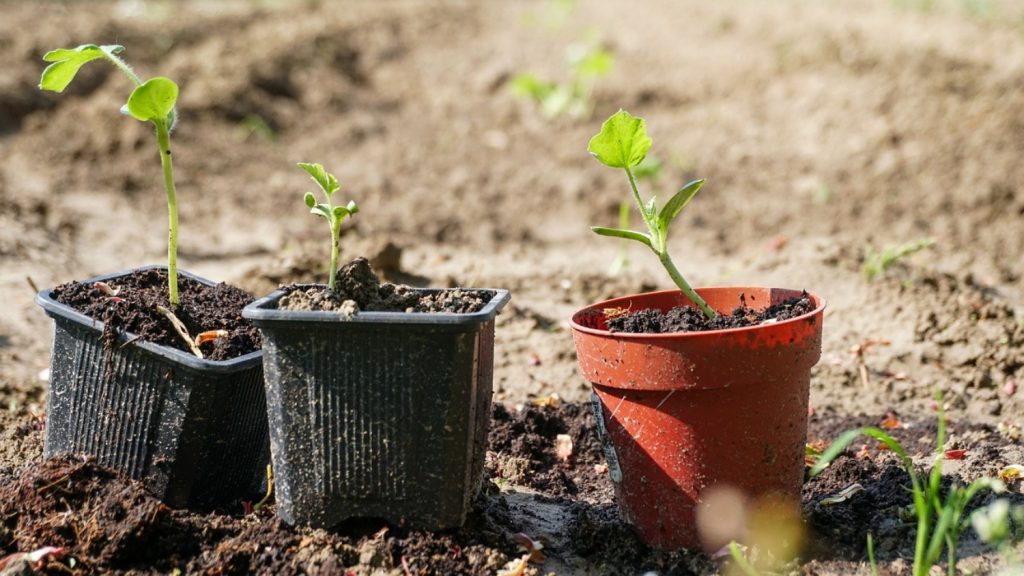
Enhance plant vitality and optimize growth by strategically maximizing the health of your plants through the application of horticultural sand in your gardening practices. Horticultural sand plays a crucial role in plant health by improving soil drainage compared to regular sand. Unlike regular sand, horticultural sand prevents soil compaction, ensuring roots have access to essential oxygen and nutrients for optimal growth. Its gritty texture creates pathways for air and water movement within the soil, facilitating healthy root development that is vital for overall plant vigor.
When it comes to container gardening, using horticultural sand can prevent waterlogging and root rot, which are common issues in confined spaces. The improved drainage provided by horticultural sand promotes healthier and more robust plants. Additionally, incorporating horticultural sand into soil mixes for seeds and cuttings creates an ideal environment for root establishment, enhancing the chances of successful propagation. By choosing horticultural sand over regular sand, you can significantly boost plant health and maximize growth potential in your garden.
Sand Selection Tips
Selecting the right type of sand for your gardening needs is essential to ensure optimal plant health and soil quality. When choosing sand for your garden, consider the following tips:
- Particle Size: Opt for horticultural sand with larger and sharper particles, as they aid in proper drainage compared to finer sands.
- Composition: Look for sand made from crushed granite, quartz, or sandstone, as these materials provide the necessary grit for soil aeration.
- Purity: Ensure the sand is free from contaminants and salts that could harm plants, especially if you plan to use it for container gardening.
- Application: Determine the purpose of the sand – whether it’s for improving drainage in heavy soils, mixing with compost for seed starting, or enhancing lawn health – to select the most suitable type.
Careful consideration of these factors will help you choose the right sand for your gardening projects, promoting healthy plant growth and vibrant gardens.