

In aquaponics, I often see it fail and fish die due to several critical issues. Managing water quality is key; if I don’t monitor pH and ammonia levels closely, the fish suffer. Overfeeding is another big problem, which leads to waste buildup and disrupts the balance. Stocking too many fish reduces oxygen and increases waste, making the environment toxic. I also make sure to cycle the system correctly and balance the plant-to-fish ratio to prevent crashes. Without regular maintenance, everything from disease prevention to environmental conditions can spiral out of control. Through careful attention to these details, I help ensure a thriving system. There’s plenty more to explore about maintaining stable conditions and ensuring the longevity of your aquaponics setup.
1. Inadequate Water Quality Management

Although maintaining optimal water quality in aquaponics systems may seem daunting, it’s crucial for ensuring the health of your fish. Regular testing of water quality parameters like pH, ammonia, nitrite, and nitrate levels is essential.
Fluctuations in these parameters can stress your fish, leading to compromised health and increased susceptibility to diseases in aquaponics. High ammonia levels are particularly toxic and can be lethal if not controlled through efficient biological filtration. This involves using beneficial bacteria to break down harmful compounds.
Additionally, consistent monitoring of nitrate levels is vital as they support robust plant growth while ensuring the ecosystem remains balanced, thus preventing nitrate buildup that could harm fish.
Also, keeping the pH levels within the optimal range of 6.5 to 7.0 is vital. Deviations from this range can stress fish, making them more prone to diseases.
It’s all about balancing these elements to prevent issues and sustain a healthy aquaponic environment.
2. Overfeeding and Waste Accumulation
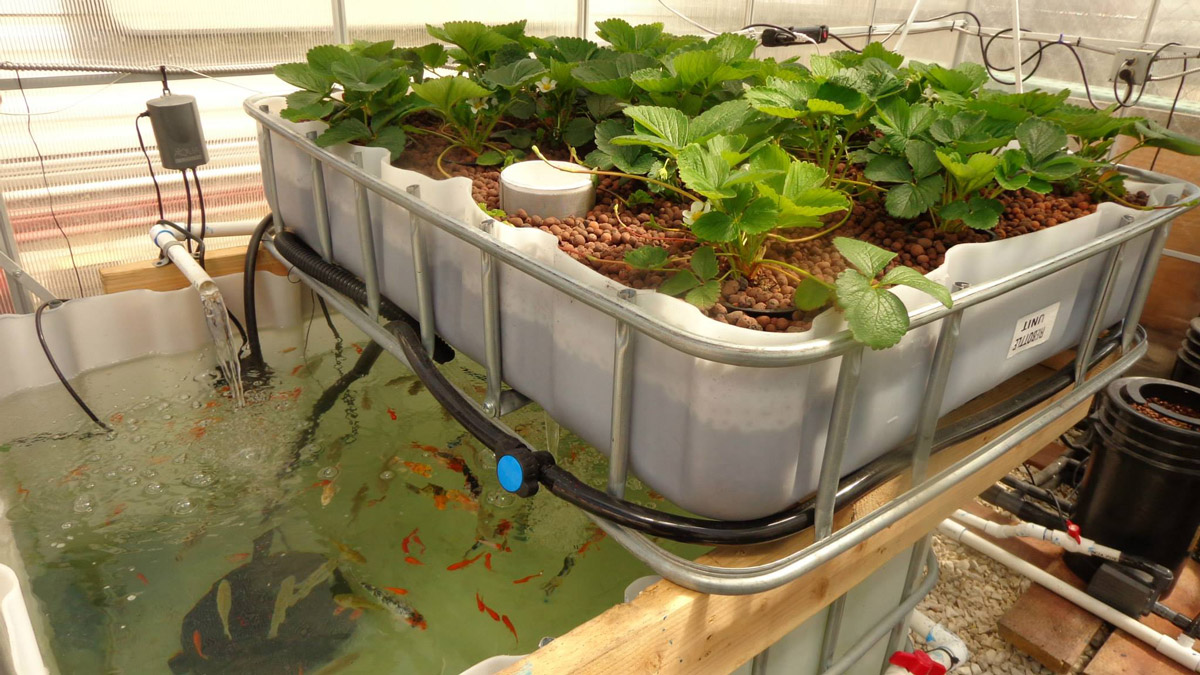
Overfeeding fish in an aquaponics system, though easily overlooked, is a primary contributor to waste accumulation that can destabilize your setup.
When I feed my fish more than they can consume in 5-10 minutes, the uneaten food sinks and decomposes, spiking ammonia levels in the fish tank water. This not only worsens water conditions but also heightens the risk of fish diseases.
High ammonia, reaching toxic levels around 4.0 ppm, is particularly dangerous. To combat this, I’ve learned it’s crucial to monitor ammonia regularly and adhere to a strict feeding schedule.
Implementing a routine to promptly remove any uneaten food also helps maintain the balance of my system, ensuring the health of my fish and the stability of the entire aquaponics environment.
Similarly, in lawn care, maintaining proper moisture levels and avoiding excessive watering can prevent the conditions that favor pest infestations, paralleling the need for balance in aquaponics.
3. Incorrect Fish Stocking Densities
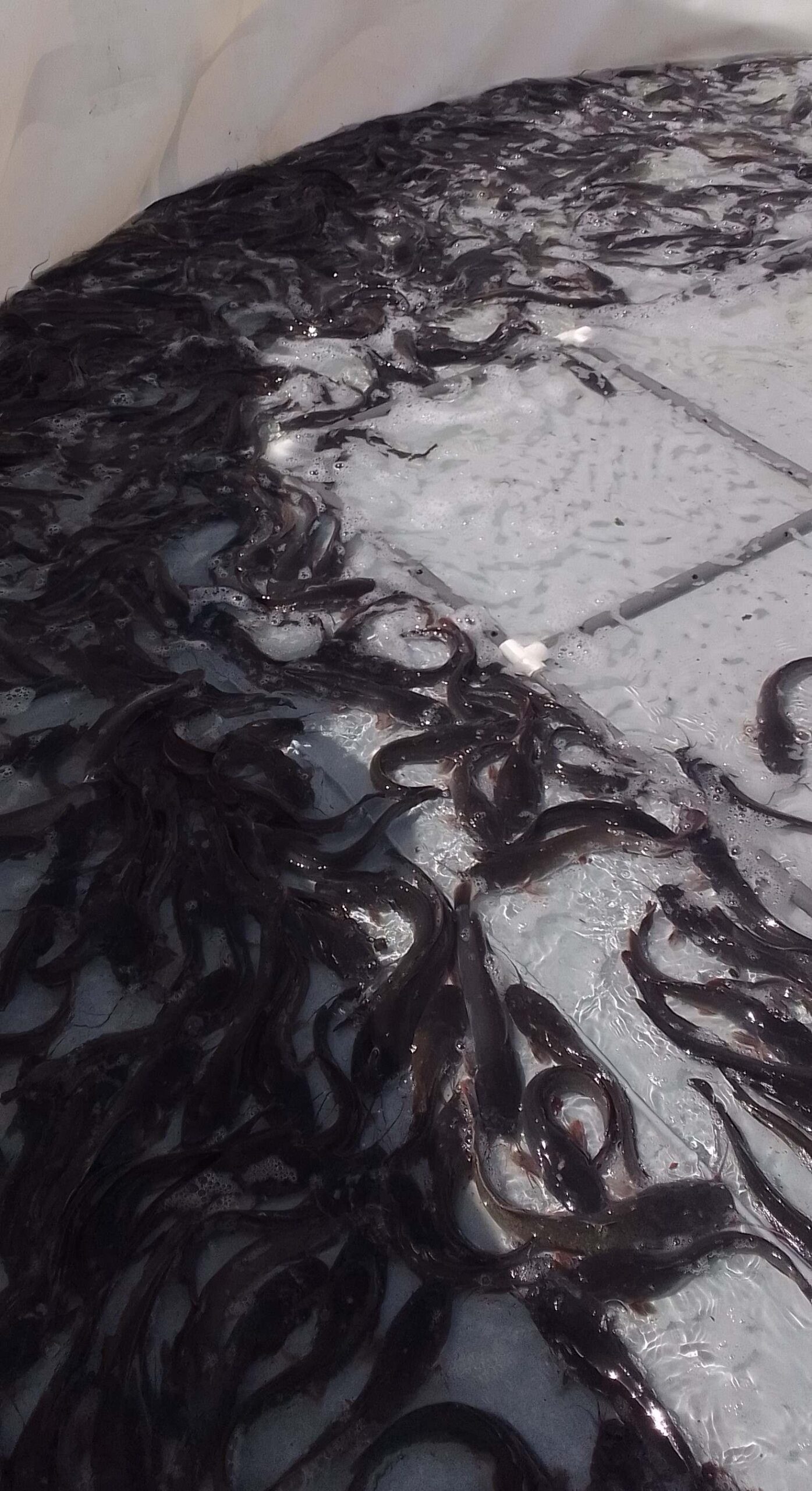
Why is it crucial to avoid overcrowding in your aquaponics fish tank? Incorrect fish stocking densities can lead to a cascade of issues. Overcrowding reduces oxygen levels and spikes waste production, notably increasing ammonia and nitrite levels, which are toxic to fish.
Regular testing of pH levels is crucial for aquatic organism health and plant nutrient uptake, ensuring that the water environment remains stable despite the high fish density. I recommend adhering to the guideline of two fish per eight gallons of water. This ensures each fish has enough space, supporting their health and minimizing stress.
Regularly performing a water test helps monitor these parameters closely. Additionally, selecting the right fish species and maintaining proper stocking densities are vital. Overlooking these aspects can lead to stressed, unhealthy fish displaying erratic swimming or lethargy—clear signs that something’s amiss in your system.
4. Poor System Cycling Practices
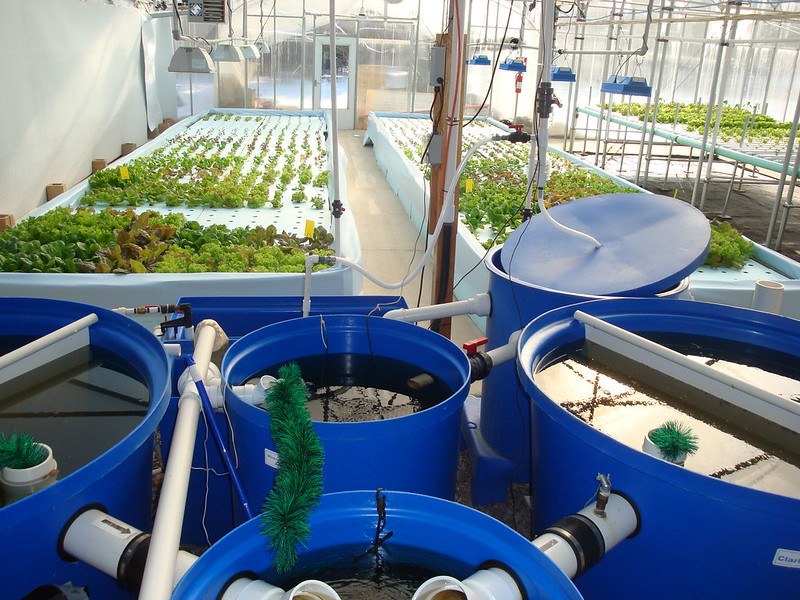
Before introducing fish to your aquaponics system, it’s essential to establish a stable bacterial colony to avoid high ammonia and nitrite levels that can be fatal.
Poor system cycling practices, such as rushing this phase or overfeeding, can spike these toxins, leading to fish mortality. In one case, ammonia levels hit nearly 4.0 ppm due to inadequate cycling, causing significant environmental shock and fish deaths.
To ensure fish health and prevent water quality issues, it’s critical to monitor water parameters regularly. Consistent ammonia testing is crucial for maintaining low levels below 0.5 ppm to ensure the safety and health of fish in the system.
Gradual introduction of ammonia sources, like small amounts of fish feed, can help in establishing beneficial bacteria effectively.
Skipping these steps or neglecting regular checks often results in toxic conditions, evidenced by lethargic fish suffering from nitrite poisoning.
5. Unbalanced Plant-to-Fish Ratios

How can one ensure that their aquaponics system remains productive and balanced?
To avoid unbalanced plant-to-fish ratios, it’s crucial to adhere to the recommended stocking density of two fish per eight gallons of water. Exceeding this can lead to water quality issues, such as elevated ammonia and nitrite levels, which compromise fish health and reduce nutrient availability for plants.
Maintaining a proper balance means your fish waste sufficiently nourishes the plants, while the plants effectively purify the water, creating a healthy environment for both plants and fish.
Regularly monitoring both fish health and plant growth is vital. This proactive approach helps you adjust as needed, ensuring your system doesn’t tip into an imbalance that could lead to system failure.
6. Inadequate Disease Prevention Measures

After ensuring a balanced plant-to-fish ratio, another key challenge in maintaining a productive aquaponics system is preventing disease. Inadequate disease prevention measures can lead to devastating outbreaks.
Regular monitoring of water quality is crucial. You need to keep an eye on pH, temperature, and dissolved oxygen to ward off stress and disease. Overcrowding in your fish tank should be avoided; it spikes ammonia levels and stresses your fish, making them prone to infections.
Always quarantine new fish for at least 45 days. This step ensures that diseases don’t sneak into your main setup. If an outbreak occurs, a salt bath can be a lifesaver, effectively combating parasites and bacterial infections.
7. Suboptimal Environmental Conditions

Maintaining optimal environmental conditions in your aquaponics system is crucial for the health and productivity of both plants and fish. Here are key factors to watch:
- Suboptimal Water Temperature: Different fish require specific temperature ranges; exceeding these can reduce oxygen availability and stress fish.
- Poor Water Quality: High ammonia or nitrite levels can cause lethargy or higher mortality. Regular monitoring is imperative.
- Inadequate pH Balance: Keep pH levels between 6.5 and 7.0 to avoid stressing your aquatic life.
- Insufficient Dissolved Oxygen Levels: Overcrowding or excessive organic waste can lead to hypoxia, endangering fish.
- Environmental Stresses: Sudden changes in water conditions can weaken fish immune systems, increasing susceptibility to fish disease in aquaponics.
8. Neglected Routine System Maintenance
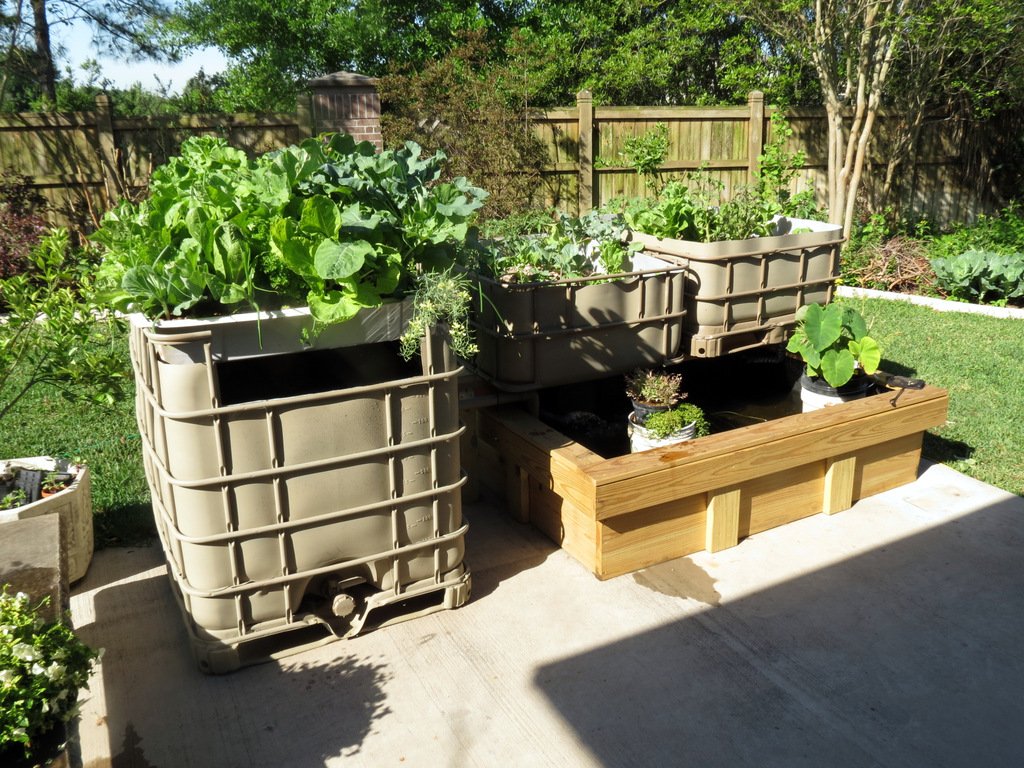
Neglecting routine system maintenance in your aquaponics setup can create a cascade of issues, severely impacting both plant and fish health.
If you don’t regularly monitor water parameters like pH, dissolved oxygen, and ammonia levels, you’re setting the stage for toxic conditions that stress your fish and can lead to high mortality rates.
Failing to remove uneaten food and debris contributes to harmful bacteria growth and spikes in ammonia, further exacerbating the problem.
Without routine checks on fish behavior and health indicators, such as lethargy or unusual swimming patterns, you’ll likely miss early signs of diseases, delaying crucial interventions.