

I’ve noticed that holes in cucumbers can be troubling, and they often stem from pests like cucumber beetles and slugs, or even fungal infections. The beetles, recognizable by their yellow-green bodies, not only create holes but also transmit bacterial wilt, while slugs, thriving in moist environments, chew irregular openings. To address these, I must use strategic placement of slug bait and regular applications of neem oil on my cucumbers. Additionally, proper garden hygiene and row covers are indispensable in combating this issue. Crucially, enhancing the air circulation around plants and maintaining well-draining soil are effective preventative measures. By implementing these targeted solutions, your garden has a better chance at flourishing with healthy cucumbers.
Identifying Cucumber Pests
To effectively combat the destruction caused by cucumber pests, it’s crucial to identify the culprits accurately. The primary offenders are often cucumber beetles and slugs.
Cucumber beetles, identifiable by their distinctive yellow-green bodies with black markings, not only create holes in cucumbers but also transmit bacterial wilt, a serious disease that can devastate your crop. Monitoring for these beetles early in the season is key to preventing widespread damage. Additionally, similar to lawn grubs, these pests are more active during certain seasons, making early detection and intervention crucial.
Meanwhile, slugs, which thrive in moist conditions, leave behind shiny trails and irregular holes in the fruit. Using slug bait strategically placed around your plants can significantly reduce their numbers.
Accurately identifying these pests and understanding their impacts are essential steps in protecting your cucumbers from serious harm.
Common Insect Culprits
Building on our understanding of the pests that threaten cucumber plants, we now focus on the common insect culprits responsible for significant damage.
Slugs, prevalent in the Pacific Northwest, ravage cucumbers by consuming both immature and mature fruits. Their activity spikes in moist conditions, often exacerbated by improper irrigation practices.
Cucumber beetles are another formidable foe, active from June through September. They not only scar the fruit but also transmit bacterial wilt, compounding their threat.
To prevent these pests, it’s essential to avoid using Dawn as a repellent, as it can harm the plants and is ineffective against such insects. Effective management includes handpicking these beetles and applying neem oil extract, which serves as a natural deterrent.
Additionally, implementing row covers can shield cucumbers from beetles and other pests like pickleworms, thereby preventing the establishment and spread of these invaders within your garden.
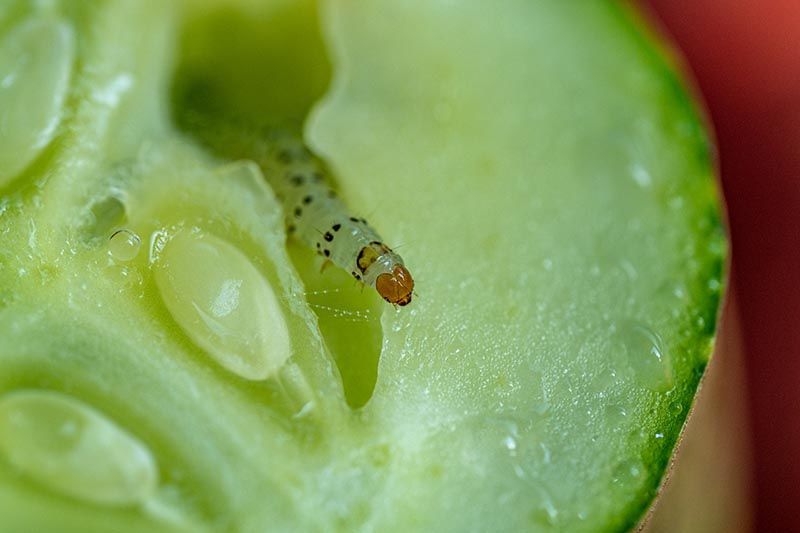
Fungal Infections Explained
Fungal infections pose a significant threat to cucumber plants, leading to issues such as holes and sunken spots on fruits.
Here’s how to manage these challenges effectively:
- Ensure Good Air Circulation: Strategically space plants and prune excess foliage to prevent moisture buildup.
- Remove Covers: Overhead covers can trap moisture, creating an ideal environment for fungal pathogens. Remove these during wet conditions.
- Destroy Any Damaged Fruit: Infected cucumbers should be removed and destroyed to prevent spread.
- Consistent Irrigation Practices: Avoid overwatering and ensure the soil has proper drainage to reduce excess moisture.
Proper soil structure also plays a crucial role in managing water retention and ensuring that roots penetrate deeply without waterlogging, which can exacerbate fungal issues.
– Use Resistant Varieties: Opt for cucumber varieties that are less susceptible to fungal diseases, enhancing overall plant health.
Effective Pest Management
Managing pests effectively is crucial for maintaining the health and productivity of cucumber plants. Regular inspections help me catch early signs of pests like holes in leaves, which indicate potential issues.
I follow Clemson University’s recommendations for cultural controls such as crop rotation and proper spacing to discourage pest breeding and enhance air flow around my cucumbers.
To combat cucumber beetles and pickleworms, I’ve found applying organic treatments like Neem oil or Pyrethrin weekly during peak seasons to be highly effective.
Additionally, using physical barriers such as row covers protects the young plants, yet allows for necessary pollination later.
I also monitor soil moisture carefully, avoiding over-irrigation to prevent creating a habitat attractive to slugs, which are another cause of holes in cucumbers.

Preventive Gardening Practices
Implementing consistent irrigation practices is key to maintaining the health of cucumber plants and preventing the formation of holes caused by stress-related susceptibility to pests and diseases.
Here are some preventive gardening practices that can help:
- Regular Garden Maintenance: Weed regularly and remove debris to minimize habitats for pests like slugs and striped cucumber beetles.
- Use Row Covers: Protect young plants with row covers to block moths and reduce pickleworm damage.
- Promote Air Circulation: Space plants properly to ensure good air flow, reducing moisture buildup and fungal infections.
- Well-Draining Soil: Employ soil amendments to enhance drainage, preventing root rot and other moisture-related issues.
- Timely Irrigation: Water consistently to avoid stress that makes plants vulnerable to damage.
Choosing Resistant Varieties
While consistent irrigation and proper garden maintenance play significant roles in protecting cucumber plants, selecting the right varieties can further bolster your garden’s defenses against pests and diseases.
Opting for resistant varieties specifically bred to counter common pests like cucumber beetles and pickleworms not only mitigates risk but also enhances yield. Fast-maturing types such as Baby cucumbers mature in just 46 days, reducing exposure to pests.
Additionally, prioritizing disease-resistant varieties combats threats like bacterial wilt effectively. Integrating companion planting with these selections can boost overall plant health and natural pest deterrence.
Always select pathogen-free seeds and tailor your choices to local conditions to optimize resistance and performance in your cucurbit crops.
Community and Resources
Knowledge sharing within local gardening communities offers indispensable insights and practical advice on managing pests that target cucumbers. Engaging with these groups not only enhances your pest management strategies but also deepens your overall gardening knowledge.
Here’s how you can leverage community resources effectively:
- Join Local Gardening Clubs: Exchange tips and tricks with experienced gardeners.
- Utilize Online Platforms: Websites like eXtension.org provide expert advice and educational materials.
- Participate in Master Gardener Programs: Gain comprehensive training on cucumber pest issues.
- Subscribe to Gardening Newsletters: Stay updated on the latest cucumber gardening trends and solutions.
- Download Free Gardening eBooks: Access a wealth of practical solutions and innovative ideas for your garden.
Tapping into these resources empowers you to tackle cucumber pests more effectively.