

When watering plants with pool water, never overwater to avoid root rot. Keep edible plants safe from chlorine by not using pool water. Water early or late to prevent leaf burn due to high temperatures. Check soil pH and moisture levels for ideal conditions. Manage chlorine levels to prevent root damage by diluting with tap water. Use a 1:1 or 1:3 ratio of pool water to tap water for proper hydration. Apply water to plant roots, not leaves, to avoid chlorine harm. Address any negative plant reactions promptly for healthier plants. Explore more tips for thriving plants with pool water.
1. Overwatering With Pool Water

To avoid detrimental effects on your plants, never consistently overwater them with pool water. Overwatering plants with pool water can lead to waterlogged soil, suffocating plant roots and causing root rot. This occurs because excessive water from pool water can wash away essential nutrients in the soil, affecting plant growth and health. Moreover, creating stagnant conditions in the soil through overwatering with pool water promotes the growth of harmful pathogens and diseases, further endangering your plants.
Signs of stress may become evident in your plants if consistently overwatered with pool water. These signs include wilting or yellowing leaves, indicating that the plants are struggling to cope with the excess moisture. To prevent such issues, it is crucial to monitor soil moisture levels diligently and adjust watering frequency accordingly. By doing so, you can maintain optimal plant health and avoid the pitfalls associated with overwatering plants with pool water.
2. Watering Edible Plants With Pool Water
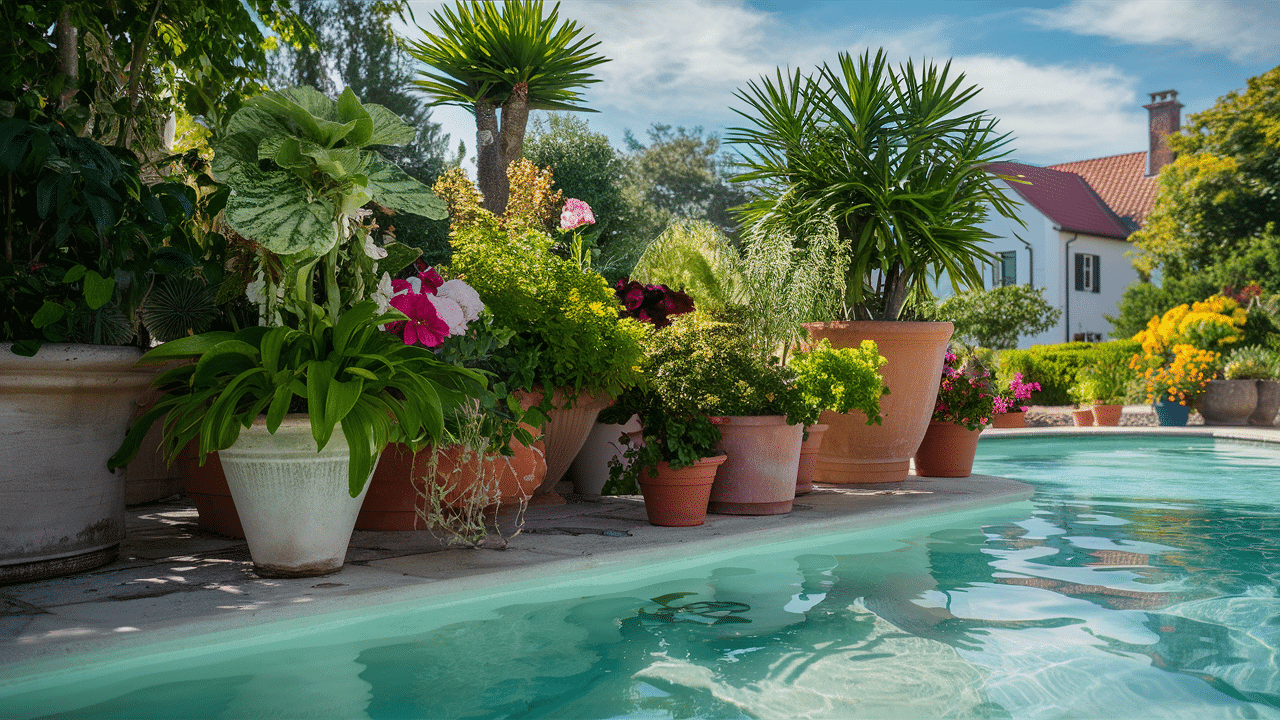
When watering edible plants, it is crucial to refrain from using pool water due to the potential absorption of chlorine and chemical residues. Chlorine left in pool water can be harmful if ingested through edible plants, potentially exposing you to chlorine and chemicals when consuming the fruits or vegetables. Not only can chlorine remnants affect the taste of the produce, but they can also compromise its safety. To ensure the well-being of your edible plants and your health, it is highly recommended to opt for clean, chlorine-free water for irrigation purposes.
| Reason for Not Using Pool Water for Edible Plants | Potential Consequences |
|---|---|
| Chlorine Residues | Harmful if ingested |
| Chemicals Present | Exposure to harmful substances |
| Effect on Taste | Altered flavor of produce |
3. Watering During the Hottest Part of the Day
Avoid watering your plants with pool water during the hottest part of the day. High temperatures can lead to rapid evaporation, causing water loss and potential leaf burn. Opt for early morning or late evening watering to ensure optimal absorption and plant health.
Timing Matters
During the hottest part of the day, watering plants with pool water can lead to rapid evaporation and potential burn on plant leaves. The combination of intense sunlight and chlorine in the pool water can have adverse effects on your plants. High temperatures during midday can stress plants, making them more vulnerable to damage from the chemicals in the pool water.
To avoid these issues, it is essential to time your watering schedule wisely. Opting to water your plants with pool water during the early morning or late evening when temperatures are cooler is a better choice. This allows the plants to absorb the water more effectively and reduces the risk of chlorine-related problems. By avoiding watering during the peak heat hours, you can optimize plant growth and minimize the chances of chlorine burn. Proper timing can make a significant difference in the health and vitality of your plants when using pool water for watering.
Optimal Watering Times
Watering your plants with pool water during the hottest part of the day can result in excessive evaporation and stress on your plants due to high temperatures. To ensure the health and hydration of your plants, it is essential to water them at the optimal times. Here’s why watering during the hottest part of the day is not recommended:
- Water Loss: High temperatures increase the rate of evaporation, leading to water loss before it can benefit your plants.
- Plant Stress: Plants can experience stress when watered during peak heat hours, affecting their growth and overall health.
- Effectiveness: Watering your plants in the cooler morning or evening hours is more effective in hydrating them as less water is lost to evaporation.
- Prevention: Avoid watering your plants with pool water during midday to prevent scalding or damaging their delicate leaves.
Sunlight and Watering
When watering plants with pool water during the hottest part of the day, be mindful of the potential risks associated with excessive evaporation and leaf damage caused by sunlight. Watering under direct sunlight can lead to rapid evaporation, preventing plants from effectively absorbing the moisture they need to thrive. Moreover, during peak sunlight hours, water droplets left on plant leaves can act as magnifying glasses, intensifying the sun’s rays and potentially causing burns on the foliage.
To avoid these issues, it is best to water your plants in the early morning or evening when temperatures are cooler. This allows the plants to absorb water more efficiently without the threat of evaporation or sun damage. By adjusting your watering schedule to coincide with milder temperatures, you can ensure that your plants receive adequate hydration without the stress of excessive sunlight. This simple adjustment can promote healthier plant growth and overall well-being.
4. Neglecting Soil Quality Monitoring
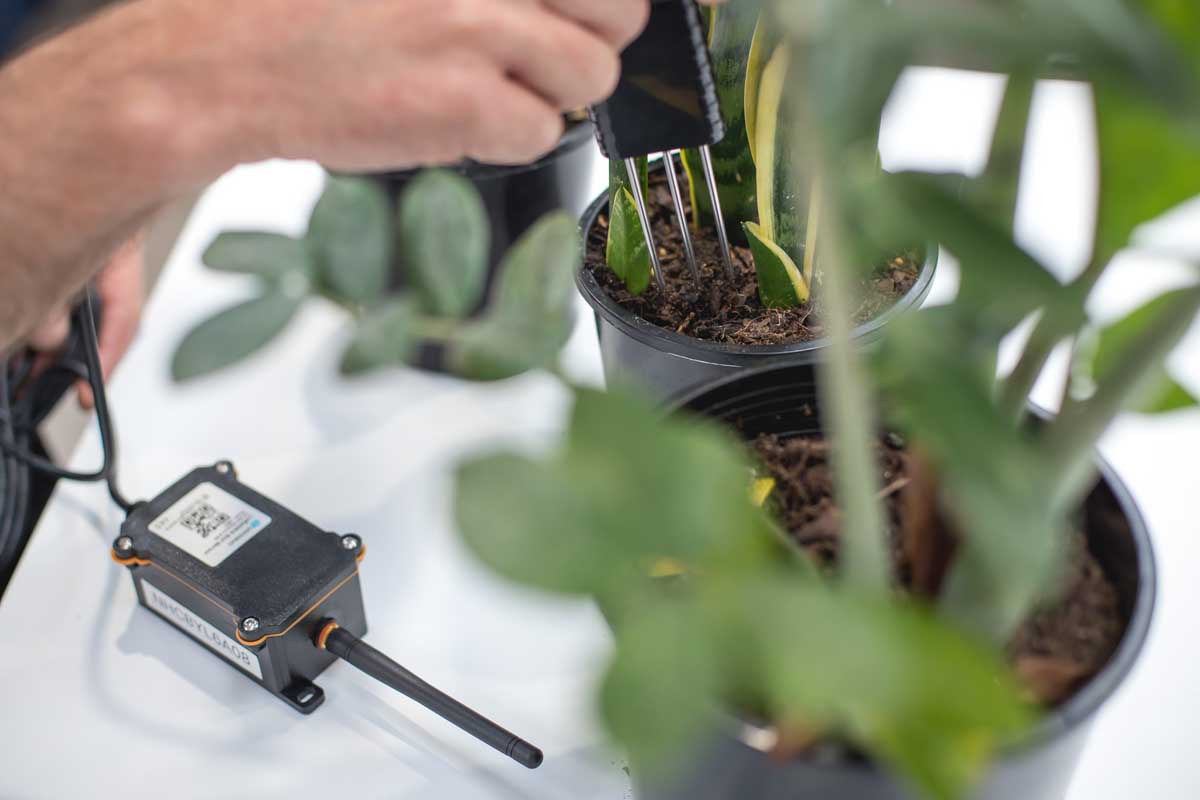
Regularly monitoring soil quality is crucial to prevent any negative impacts that pool water may have on your plants. Neglecting to assess the soil can lead to detrimental consequences for your plants’ health and growth. Here are four essential aspects of soil quality monitoring you should prioritize:
- Check Soil pH Levels: Ensuring the soil pH is within the optimal range is vital to prevent imbalances that could hinder plant growth.
- Monitor Soil Texture and Moisture: Regularly checking these factors will help you maintain the ideal conditions for your plants to thrive.
- Conduct Soil Tests: Periodic soil testing allows you to evaluate nutrient levels and make necessary adjustments to support healthy plant growth.
- Prevent Issues: Neglecting soil quality monitoring may result in poor plant health and growth problems, highlighting the importance of consistent assessment and care for your soil.
5. Using Pool Water With High Chlorine Levels

High chlorine levels in pool water can harm your plants by damaging their roots and inhibiting growth. This can manifest as leaf burn and wilting, impacting the overall health of your plants. Diluting pool water with tap water can help reduce chlorine levels, safeguarding your plants from these harmful effects.
Chlorine Levels Impact Plants
Utilizing pool water with elevated chlorine levels can have detrimental effects on plants, causing root burns and soil health issues. High chlorine levels in pool water can lead to plant wilting, stunted growth, leaf burn, and yellowing. These visible symptoms indicate that the plants are being negatively impacted by the excess chlorine present in the water. Additionally, soil microorganisms crucial for plant health can suffer due to the harsh effects of elevated chlorine levels. Monitoring and adjusting chlorine levels in pool water is essential to prevent damage to both plants and soil. By ensuring that chlorine levels are within the appropriate range, you can safeguard your plants and maintain a healthy soil environment for optimal growth. Remember, healthy plants start with the right balance of nutrients and watering practices, so be mindful of the chlorine levels in your pool water to avoid detrimental impacts on your garden.
Harmful Effects on Soil
Excessive chlorine in pool water can significantly impact the health and fertility of the soil, essential for supporting plant growth. When pool water with high chlorine levels is used for watering plants, it can harm the crucial soil microbes responsible for breaking down organic matter and providing essential nutrients to plants. The excessive chlorine can disrupt the delicate balance of beneficial microorganisms in the soil, leading to a decline in soil fertility over time. Prolonged exposure to pool water with high chlorine levels can also negatively affect the soil structure, making it harder for plants to establish healthy root systems and access water and nutrients.
Furthermore, the toxic effects of chlorine in the soil can damage plant roots and stunt their growth, ultimately impacting the overall health and development of the plants. This can manifest as nutrient deficiencies and hindered growth in the long term. Therefore, it is crucial to be mindful of the harmful effects of using pool water with high chlorine levels on the soil when watering your plants.
Tips for Dilution Ratios
Consider diluting pool water with tap water in varying ratios to adjust chlorine levels for safe plant watering. When dealing with pool water with high chlorine levels, it’s crucial to follow specific dilution ratios to prevent harm to your plants. Here are some tips to help you effectively dilute pool water for plant irrigation:
- 1:1 Ratio: Use a 1:1 ratio of pool water to tap water to lower chlorine levels and minimize the risk of damaging your plants.
- 1:3 Ratio: For pool water with high chlorine concentrations, dilute it with tap water at a 1:3 ratio to reduce the chlorine content and protect your plants from potential harm.
- Adjust Based on Chlorine Levels: Always adjust the dilution ratios based on the chlorine levels present in the pool water to ensure that your plants receive the right amount of hydration without chlorine damage.
- Higher Chlorine, Greater Dilution: Remember that higher chlorine levels in pool water may necessitate greater dilution ratios to maintain plant health during watering sessions.
Following these dilution guidelines can help you make the most of using pool water for plant irrigation while keeping your greenery healthy and thriving.
6. Applying Pool Water Directly on Leaves
Using pool water directly on plant leaves can be detrimental due to the potential damage caused by chlorine exposure. Chlorine in pool water can harm plant foliage, leading to leaf burn, wilting, or discoloration. When pool water comes in direct contact with plant leaves, it can impede essential processes like photosynthesis and nutrient absorption, affecting the overall health of your plants. To safeguard your plants from these negative effects, it is crucial to avoid spraying pool water on their leaves. Instead, focus on applying pool water to the roots of the plants. By watering the roots directly, you can minimize the risk of chlorine damage to the leaves and promote healthier growth. Remember, while pool water can be repurposed for watering plants, it is essential to do so in a manner that prioritizes the well-being of your green companions.

7. Ignoring Plant Reactions to Pool Water
Failing to observe and address plant reactions to pool water can result in detrimental consequences for their health and growth. When plants exhibit negative responses to pool water, it is essential to take immediate action to prevent further damage and promote their well-being. Here are four key reasons why ignoring plant reactions to pool water is risky:
- Stunted Growth: Pool water that is not suitable for plants can impede their growth and development.
- Wilting: Plants may wilt if they are not receiving adequate nutrients or if the pool water is causing harm.
- Discoloration: Leaves turning yellow or brown could indicate that the pool water is negatively affecting the plant.
- Stress Signs: Stress signals like drooping leaves or leaf loss suggest that the plant is struggling with the pool water’s composition.