

If plant roots are showing, consider these five strategies to address the issue and boost root health. First, repot into a larger container, choosing one 2 inches wider to allow for proper growth. Loosen the root ball gently and add fresh, well-draining soil to fill gaps. Second, massage the root ball to loosen soil and trim any overgrown roots for optimal nutrient absorption. Third, use high-quality potting mix for essential nutrients and improved soil structure. Fourth, establish a consistent watering routine, checking moisture levels regularly. Lastly, watch for signs of stress, prune roots when necessary, and provide adequate space for growth.
1. Repotting Into Larger Container
:max_bytes(150000):strip_icc()/SPR-how-to-repot-a-plant-8629819-hero-80bbacf16f1449a8bbbabf5ddbd87e10.jpg)
When fixing plant roots showing, consider repotting into a larger container to promote healthy root growth and overall plant vitality. Repotting a plant with exposed roots into a larger container is crucial for providing ample space for the roots to spread out and establish a strong foundation. By transferring the plant to a bigger pot, you are enabling the roots to access more nutrients, water, and oxygen, which are essential for supporting robust plant growth.
Choose a pot that is approximately 2 inches larger in diameter than the current one to ensure that the plant’s root system has enough room to grow comfortably. Gently loosen the root ball before placing it in the center of the new container, making sure to fill in the gaps with fresh, well-draining soil to support the roots effectively. This process not only helps prevent overcrowding but also encourages the roots to expand and thrive in the new environment.
Remember to water the plant thoroughly after repotting to aid in the adjustment process and promote healthy root development. By repotting into a larger container, you are setting the stage for a flourishing and vibrant plant.
2. Loosening Root Ball and Trimming

To promote healthy root growth and prevent overcrowding in the pot, gently loosen the root ball and trim excessively long roots during the repotting process. Proper care during this step is crucial for the overall health and vitality of your plant’s root system.
Here are three essential steps to follow when loosening the root ball and trimming roots:
- Loosening the Root Ball: Gently massage the root ball with your hands to loosen the soil and free up compacted roots. This process helps prevent root binding and encourages new root growth into the surrounding soil.
- Trimming Excessively Long Roots: Identify any roots that are excessively long or circling the root ball. Use clean, sharp scissors or pruning shears to trim these roots back to a healthy length. Trimming roots not only prevents overcrowding but also stimulates the growth of new feeder roots for improved nutrient absorption.
- Promoting Nutrient Absorption: By aerating the root system through loosening and trimming, you enhance nutrient absorption and water retention capabilities. This ensures that your plant receives the essential resources it needs for healthy growth and development.
3. Using Fresh Potting Mix
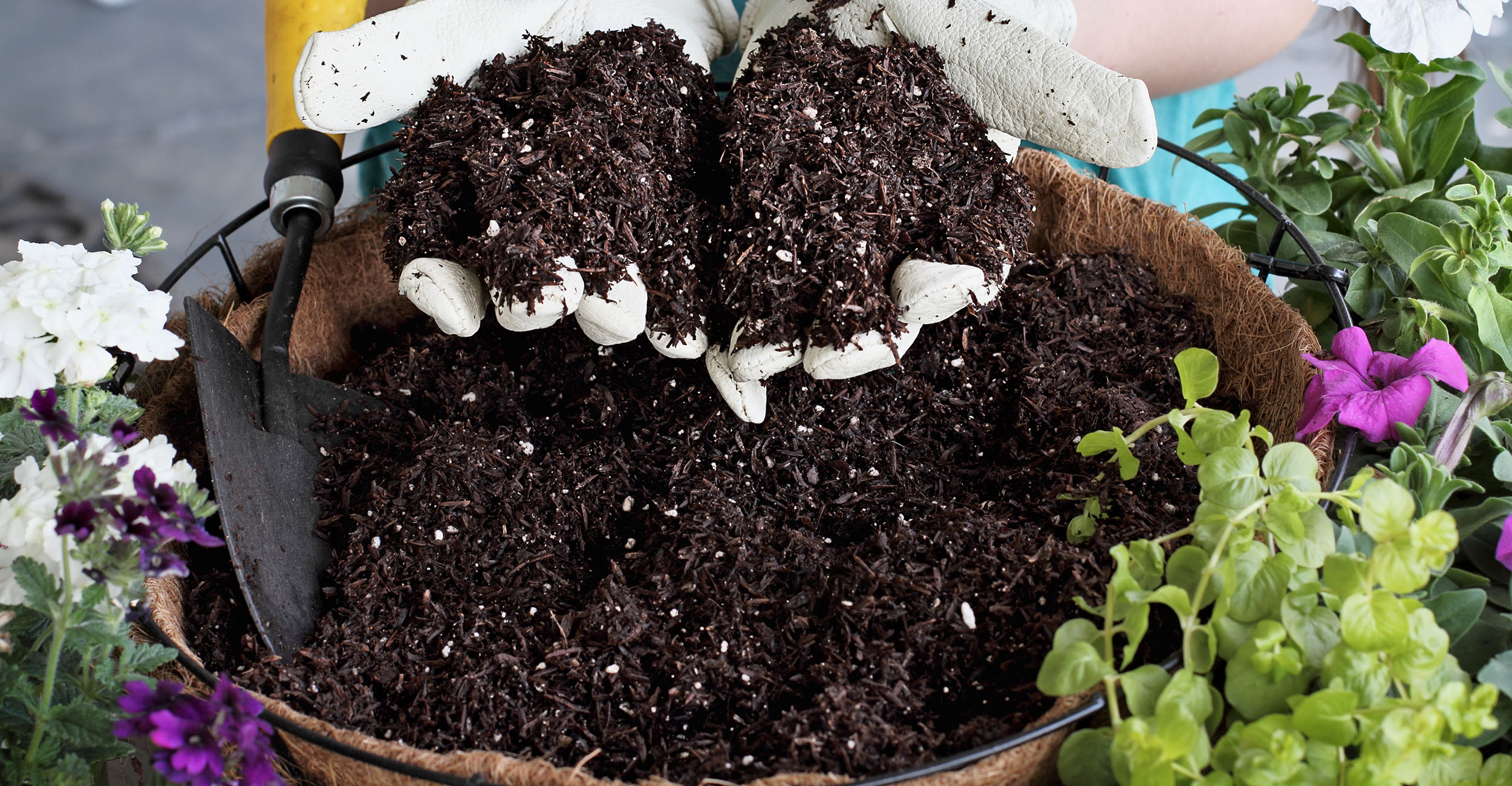
Loosening the root ball and trimming roots sets the groundwork for healthy growth, creating a prime environment for your plant to benefit from using fresh potting mix. When repotting a plant, the quality of the potting mix plays a crucial role in its overall health. Opt for a high-quality potting mix to provide essential nutrients and improve soil structure around the roots. This fresh mix aids in proper aeration and drainage, facilitating root development and preventing issues like root rot.
4. Thoroughly Watering After Repotting

After repotting a plant with exposed roots, ensuring thorough watering is essential for promoting healthy root growth and helping the plant establish in its new environment. Here’s how you can effectively water your plant after repotting:
- Watering Schedule: Develop a consistent watering schedule to ensure the plant receives adequate moisture without being overwatered. Monitor the soil moisture levels regularly to adjust the watering frequency as needed.
- Deep Watering Technique: Water the plant deeply but ensure proper drainage to prevent waterlogging. Deep watering encourages the roots to grow downwards in search of moisture, promoting a stronger root system.
- Moisture Check: Conduct regular moisture checks by inserting your finger into the soil to gauge its dryness. Water the plant thoroughly when the top inch of the soil feels dry to the touch, ensuring the roots receive the necessary hydration to establish effectively.
5. Monitoring for Stress and Prevention

Regularly monitoring your plants for signs of stress is crucial to catch any root issues early and prevent potential problems. Keep an eye out for wilting, yellowing leaves, and stunted growth, as these can indicate root problems. To prevent root-bound conditions, ensure you select appropriate pot sizes, repot plants when necessary, and check roots during repotting for any signs of overcrowding. Pruning roots when needed is essential to maintain healthy growth and prevent root-bound situations. By monitoring your plant’s growth, you can ensure that the roots have enough space to spread and grow properly, leading to improved nutrient absorption, better water retention, enhanced plant growth, increased resilience to stress, and a longer plant lifespan.
| Signs of Stress | Prevention of Root-Bound Conditions | Pruning Roots |
|---|---|---|
| Wilting, yellowing leaves | Select appropriate pot sizes | Maintain healthy growth |
| Stunted growth | Repot plants when necessary | Prevent root-bound situations |
| Overcrowded roots | Check roots during repotting | Ensure proper growth |