

If your plant is growing sideways, seven shocking reasons could be at play. Inadequate light exposure may cause elongation and sideways growth. Weak stem structure from genetics, light, or watering can lead to the slanted growth. Overwatering may suffocate roots and hinder nutrient absorption. Limited root space could also trigger sideways growth, a sign for repotting. Imbalanced nutrient levels or inadequate fertilization may stunt proper upward growth. Look out for pests, diseases, and environmental stress factors like temperature swings which affect plant health. Understanding these factors is key to correcting the sideways growth of your plant.
Insufficient Light Exposure

How does insufficient light exposure contribute to the sideways growth of plants? Light intensity plays a crucial role in plant growth, affecting processes such as photosynthesis and hormone regulation. When plants do not receive adequate light intensity, they may exhibit sideways growth as they elongate in search of more light. Additionally, light duration is equally important for plants to maintain upright growth patterns. Insufficient light duration can disrupt the plant’s circadian rhythms, leading to abnormal growth behaviors like leaning or tilting.
To address the issue of insufficient light exposure, rotating your plants regularly can help ensure all sides receive an equal amount of light, promoting more balanced growth. Supplemental lighting, such as grow lights, can also be used to provide additional light when natural light is lacking. By optimizing both light intensity and duration, you can help your plants grow upright and maintain strong, vertical structures, avoiding the pitfalls of sideways growth caused by inadequate light exposure.
Weak Stem Structure

Weak stem structure in plants can lead to leaning or sideways growth, often resulting from a lack of support for upright development. Factors such as genetics, light exposure, and watering practices can contribute to this issue. To address weak stem structure effectively, consider the following:
- Stem Support: Providing stakes or trellises can offer the necessary support for the stem, helping the plant maintain an upright position.
- Training Techniques: Regular pruning and training can help strengthen the stem and encourage more stable growth, preventing leaning or sideways development.
- Upright Growth Promotion: By implementing support structures and training methods, you can promote upright growth and enhance the stability of the plant’s stem structure.
Taking proactive measures to strengthen the stem of your plant can improve its overall health and appearance. By addressing weak stem structure promptly, you can encourage healthier, more stable growth patterns.
Overwatering Consequences
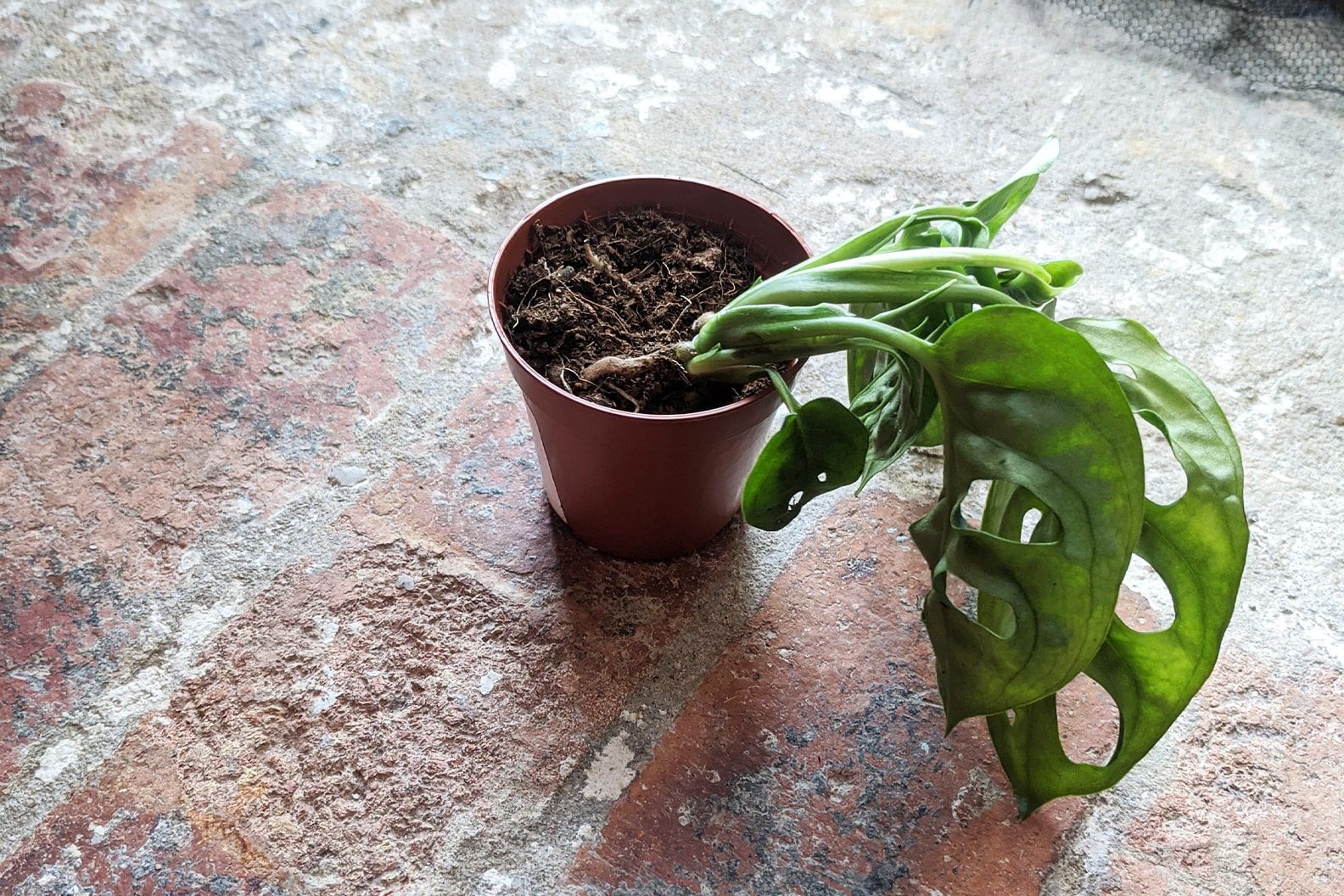
When you overwater your plant, the excess water can lead to root rot, damaging the roots and hindering their ability to absorb nutrients effectively. This damage can stunt the plant’s growth potential and weaken its structure, making it more prone to bending and leaning to the side. To prevent these consequences, it is crucial to adjust your watering habits and allow the soil to dry out between waterings to promote a healthier root system and overall plant growth.
Excess Water Damage
Excessive watering can significantly damage a plant’s root system and impede its ability to grow upright. Improper watering practices and inadequate drainage can lead to waterlogged soil, suffocating the roots and hindering nutrient absorption. This can result in a cascade of negative impacts on the plant’s health and structural integrity. Here are some consequences of excess water damage:
- Root Suffocation: Waterlogged soil restricts oxygen flow to the roots, diminishing their ability to function optimally.
- Nutrient Absorption Impairment: Soggy conditions hinder the roots’ capacity to absorb essential nutrients and water efficiently.
- Structural Weakness: Overwatering can cause leaves to turn yellow and drop off, weakening the plant’s structure over time.
Root Rot Risks
Overwatering poses a significant risk of root rot for plants, leading to the decay of roots due to excessive moisture accumulation. When roots are constantly submerged in waterlogged soil, they become deprived of oxygen, creating an ideal environment for fungal infections. These pathogens thrive in wet conditions, attacking the already weakened roots and further impeding the plant’s ability to uptake essential nutrients. Root pruning, a method where affected roots are trimmed back to healthy tissue, can sometimes salvage the plant if caught early. However, if root rot has progressed significantly, it may be challenging to save the plant. Fungal infections associated with root rot can spread rapidly, causing irreversible damage. To mitigate the risks of root rot, it is crucial to practice proper watering techniques, ensuring the soil has adequate drainage and allowing it to dry out between waterings. Additionally, monitoring the plant for symptoms of root rot and taking immediate action can help prevent the condition from escalating.
Stunted Growth Potential
To understand the stunted growth potential caused by overwatering, it is crucial to recognize the detrimental effects of excess moisture on plant roots. Overwatering can lead to stunted growth in plants by causing root rot and hindering nutrient absorption. Here are some key points to consider:
- Suffocation of Plant Roots: Excess water in the soil can suffocate plant roots, depriving them of oxygen and essential nutrients necessary for growth.
- Disruption of Growth Hormones: Overwatering can disrupt the balance of growth hormones in plants, leading to stunted growth and a lack of vigor.
- Impact of Genetic Factors: Genetic factors play a crucial role in a plant’s ability to withstand overwatering. Some plant varieties may be more susceptible to stunted growth under high moisture conditions due to their genetic makeup.
Inadequate Root Space

Insufficient root space in a plant’s container can lead to sideways growth as it struggles to establish a stable foundation for upright development. When the pot size restricts the root system’s natural expansion, the plant may begin to lean to one side in search of more room to grow. This phenomenon occurs because the limited root space hinders nutrient absorption and water intake, prompting the plant to redirect its growth towards areas where resources are more accessible.
To better understand the implications of inadequate root space, let’s look at the following table:
| Issue | Consequence | Solution |
|---|---|---|
| Restricted pot size | Limits root system expansion, leading to sideways growth | Repot in a larger container |
| Hindered nutrient absorption | Impairs overall plant health and growth potential | Ensure adequate fertilization |
| Reduced water intake | Increases the risk of dehydration and nutrient deficiencies | Monitor watering frequency and amount |
Imbalanced Nutrient Levels

When essential nutrients like nitrogen, phosphorus, or potassium are lacking in your plant’s environment, the consequences can be severe. Stunted growth and leaning tendencies are common signs of nutrient deficiencies that must be addressed promptly. Monitoring and adjusting nutrient levels through proper fertilization is key to ensuring your plant grows upright and healthy.
Nutrient Deficiency Impact
Imbalanced nutrient levels in plants can profoundly impact their growth and structural development, leading to sideways growth patterns as a result. Nutrient deficiency consequences can manifest in various ways, affecting the plant’s overall health and appearance. Here are some impacts of nutrient imbalances on posture and development:
- Stunted Growth: Nutrient deficiencies like nitrogen, phosphorus, or potassium can hinder the plant’s ability to grow vertically, causing it to redirect growth sideways in search of essential nutrients.
- Poor Structural Development: Insufficient nutrients can weaken the plant’s structural integrity, making it more prone to bending or leaning to compensate for the lack of support.
- Asymmetrical Growth Patterns: Plants experiencing nutrient deficiencies may exhibit uneven growth, with some parts growing faster or slower than others, leading to a lopsided appearance and sideways orientation.
Understanding the effects of nutrient imbalances on plant growth is crucial for identifying and addressing deficiencies to promote healthier, upright growth and prevent sideways development.
Correcting Nutrient Imbalance
To correct nutrient imbalances in plants, it is essential to conduct a soil test to assess the current nutrient levels accurately. Soil fertility plays a crucial role in plant health, as imbalances can lead to issues like sideways growth. Once deficiencies are identified, targeted fertilizer application becomes necessary to restore proper nutrient levels. Nutrient absorption by plants is dependent on various factors, including soil pH and the availability of essential elements like nitrogen, phosphorus, and potassium. Adjusting the soil pH to the optimal range for the specific plant species can enhance nutrient uptake, promoting upright growth and overall plant vigor.
Regular monitoring and adjustment of nutrient levels through fertilization and proper watering are essential practices to prevent sideways growth and maintain plant health. By addressing imbalanced nutrient levels promptly and providing the necessary elements for healthy growth, you can help your plants thrive and develop in the desired upright direction.
Pests and Diseases Impact

Pests and diseases play a significant role in causing your plant to grow sideways by weakening its structure and disrupting normal growth patterns. When left unchecked, these factors can severely impact the health and development of your plant. Here’s how they can affect your plant:
- Pest Prevention: Insects like spider mites or aphids can attack your plant, sucking out vital nutrients and weakening its structural integrity. This can lead to the plant leaning or growing sideways as it struggles to support its own weight.
- Disease Management: Diseases such as root rot or fungal infections can compromise the root system’s ability to absorb nutrients effectively. This nutrient deficiency can result in stunted growth and sideways development as the plant tries to compensate for the lack of essential elements.
- Disruption of Growth Patterns: Pest infestations and diseases can disrupt the plant’s natural growth patterns, causing it to grow irregularly and sideways in an attempt to survive. Proper identification and prompt treatment are crucial in preventing further damage and promoting upright growth in your plant.
Environmental Stress Factors
When faced with environmental stress factors, your plant may exhibit signs of sideways growth as it reacts to these external pressures. Temperature fluctuations can impact plant growth significantly. Sudden changes in temperature, especially extreme heat or cold, can stress the plant, leading to irregular growth patterns such as sideways growth. High temperatures can cause excessive transpiration, affecting the plant’s ability to uptake nutrients and water properly, resulting in stunted growth and the plant leaning to one side. On the other hand, low temperatures can slow down metabolic processes, affecting the plant’s overall development and potentially causing it to grow sideways in search of more favorable conditions.
Moreover, humidity levels play a crucial role in plant growth. Inconsistent humidity levels can stress the plant, affecting its ability to regulate water uptake and transpiration. High humidity can lead to fungal diseases and rot, weakening the plant’s structure and causing it to grow unevenly. Conversely, low humidity levels can result in water loss through transpiration, leading to wilting and potentially causing the plant to lean or grow sideways in an attempt to optimize water retention. Monitoring and maintaining stable temperature and humidity levels are essential to prevent environmental stress factors that contribute to sideways growth in your plant.