

To ensure your Swiss chard thrives, avoid planting it near spinach, beets, potatoes, cucumbers, and dill. Spinach draws pests like leaf miners and aphids, risking infestations. Beets can spread diseases that both plants are susceptible to, impacting growth. Potatoes attract pests and diseases that harm Swiss chard and compete for nutrients. Cucumbers have different needs and could hinder Swiss chard growth. Dill inhibits Swiss chard’s development and reduces yield. Choose compatible companions to promote your Swiss chard’s health and productivity.
1. Spinach: A Pest Magnet

Avoid planting spinach near Swiss chard as it can attract pests like leaf miners and aphids, leading to increased pest pressure on both plants. Spinach, although a nutritious vegetable, can act as a magnet for harmful insects, making it less than ideal when interplanted with Swiss chard. This close proximity can result in a higher risk of infestations, requiring more attention and potential chemical interventions to control the pest population.
Additionally, the susceptibility of both spinach and Swiss chard to diseases like downy mildew and leaf spot further emphasizes the importance of keeping these plants separated in the garden. By avoiding planting spinach near Swiss chard, you can minimize the risk of diseases spreading between the two crops, promoting the overall health of your garden.
Consider opting for other companion plants like carrots or beans to interplant with Swiss chard instead. These alternatives can help deter pests naturally, reducing the reliance on chemical treatments and creating a more balanced ecosystem in your garden. By being mindful of companion planting choices, you can cultivate a thriving garden with healthier Swiss chard plants.
2. Beets: Disease Risk
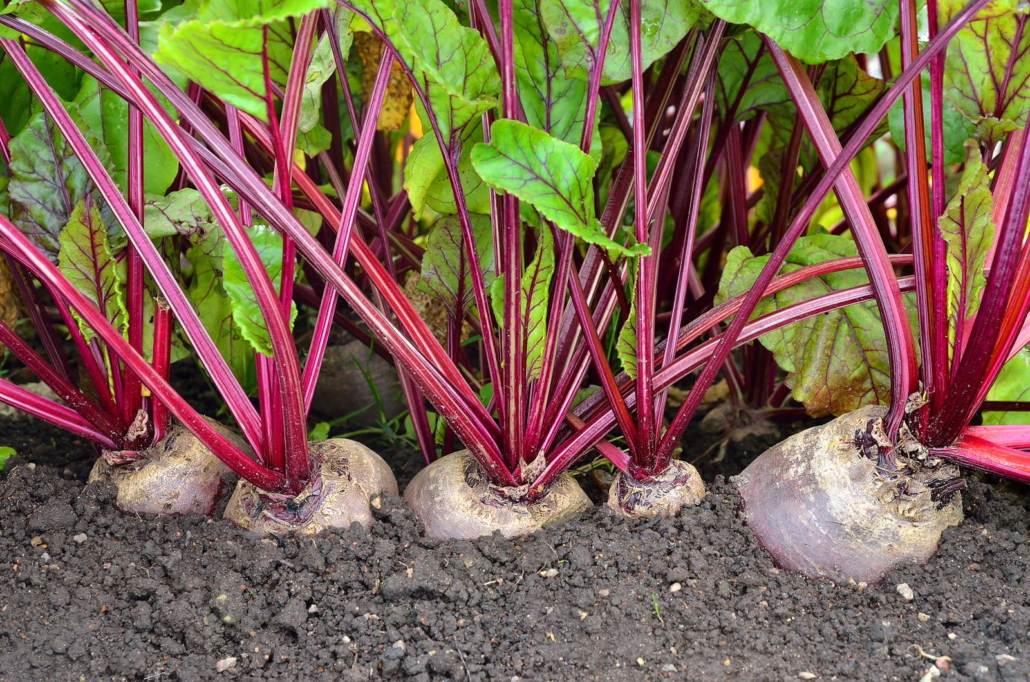
How can planting Swiss chard near beets potentially increase the risk of disease transmission? Both Swiss chard and beets, belonging to the Chenopodiaceae family, are susceptible to fungal diseases like Cercospora leaf spot. When these plants are in close proximity, the risk of diseases spreading increases, with powdery mildew and downy mildew being common concerns. By avoiding planting Swiss chard near beets, you can minimize the chances of cross-contamination and the development of shared pests. To ensure the health of your crops, it is advisable to maintain a distance between Swiss chard and beets in your garden. By implementing this simple practice, you can promote better growth conditions for both plants and reduce the need for chemical interventions, ultimately enhancing the overall wellbeing of your garden.
3. Potatoes: Pest Concerns

Planting Swiss chard near potatoes can lead to increased pest infestations due to their shared susceptibility to pests like aphids, flea beetles, and leafhoppers. These pests can easily transfer between the two crops, causing harm and reducing yields. Furthermore, both Swiss chard and potatoes are prone to common diseases such as leaf spot and blight, which can spread rapidly when grown in close proximity. The nutrient competition between the root systems of chard and potatoes further exacerbates the issue, resulting in stunted growth and overall poor performance for both plants. To avoid these pest concerns and ensure the optimal growth of your Swiss chard, it is advisable to keep them separate from potatoes in the garden. By selecting more compatible companion plants, you can help safeguard your Swiss chard from potential pest infestations and diseases, promoting a healthier and more productive garden environment.
4. Cucumbers: Caution Advised
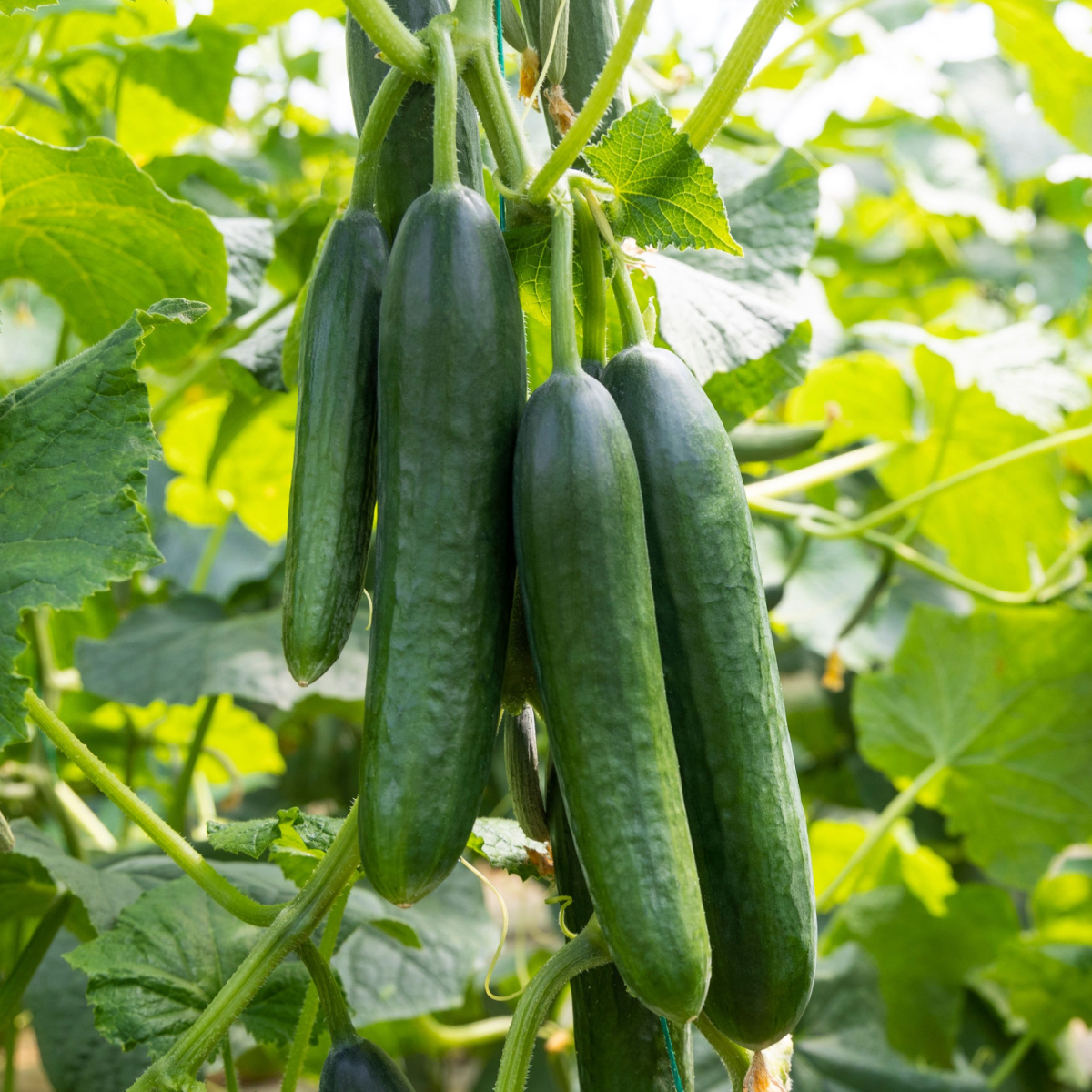
When considering companion planting for Swiss chard, exercise caution with cucumbers due to potential challenges in nutrient competition and differing growth requirements. Cucumbers and Swiss chard have distinct soil and water needs, which can lead to growth challenges if planted together. Additionally, cucumbers are prone to downy mildew, a disease that can spread to chard if they are in close proximity. The aggressive growth of cucumbers may overshadow the chard, affecting its development. To avoid these potential issues, it is recommended to keep cucumbers and Swiss chard separated in the garden to ensure optimal growth for both plants.
| Cucumbers and Swiss Chard | |
|---|---|
| Compete for Nutrients | Different Growth Requirements |
| Downy Mildew Potential | Soil and Water Needs Conflict |
| Overshadowing Issue | Separation for Optimal Growth |
5. Dill: Not Ideal Companion
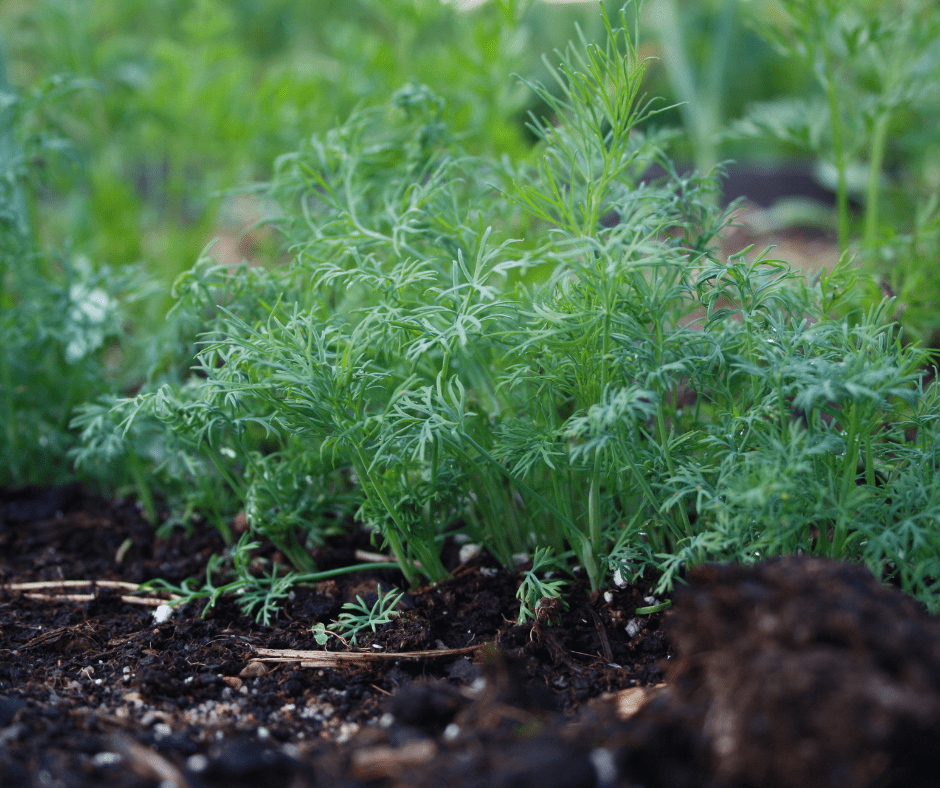
Avoid planting dill near Swiss chard as it can hinder the growth and productivity of the chard due to substances released by the dill. Dill is not an ideal companion for Swiss chard as it has the potential to inhibit the growth of the chard plant. The substances emitted by dill can impede the development of Swiss chard, leading to stunted growth, reduced yields, and overall poor health of the crop. To ensure the optimal growth of your Swiss chard, it is best to steer clear of planting dill in close proximity. By avoiding this combination, you can prevent potential hindrances that may arise from the negative interactions between dill and Swiss chard. Selecting more compatible companion plants will contribute to the flourishing health and vitality of your Swiss chard in the garden, allowing it to thrive without any unnecessary setbacks.