

Discover the captivating Ruby-throated Hummingbird, the only common species in Massachusetts with striking red throats in males and white throats in females. Their unique behaviors include chattering sounds and nesting with spider webs. Planting native tubular flowers can attract them to your garden. Then, meet the petite Calliope Hummingbird, North America’s smallest bird with an iridescent throat patch and forked tail. This species thrives in diverse habitats and showcases elaborate courtship displays. The mesmerizing world of Massachusetts’ hummingbirds awaits with many more fascinating details to explore.
1. Ruby-throated Hummingbird Overview

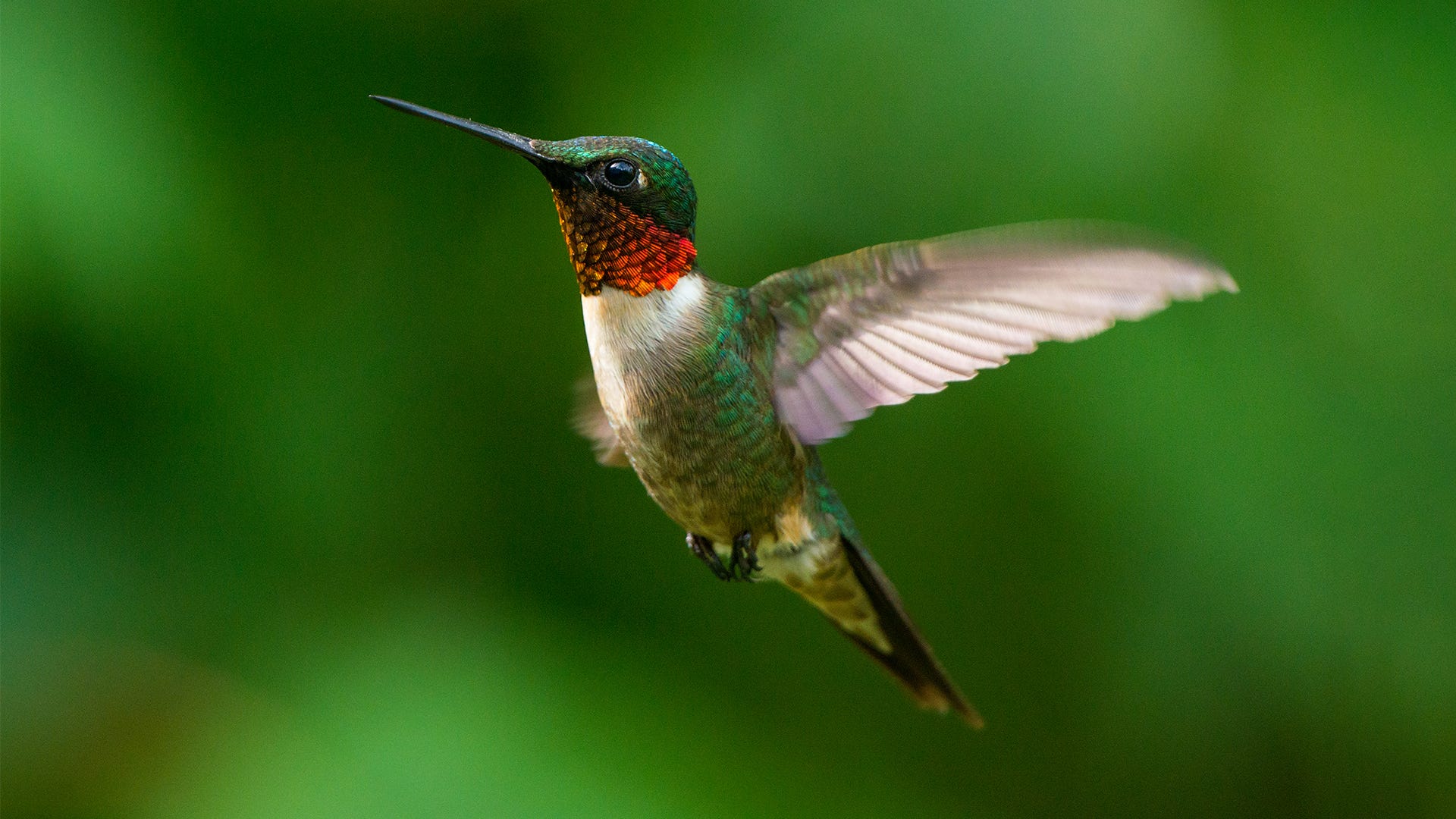
The Ruby-throated Hummingbird, a vibrant and distinctive species found in Massachusetts, is recognized for its striking physical characteristics and remarkable migratory behavior. This species is the only hummingbird commonly seen in the state, with males displaying bright red throats, black chins, and iridescent green backs, while females are duller with white throats and green streaks. Ruby-throated Hummingbirds exhibit an impressive migration pattern, flying to Mexico and crossing the Gulf of Mexico during their seasonal movements.
To attract these mesmerizing birds to your garden, consider putting out nectar feeders and planting native tubular flowers. These feeders provide a vital food source for Ruby-throated Hummingbirds, who primarily feed on nectar to fuel their high-energy lifestyle. By creating a hospitable environment with suitable food sources, you can increase the chances of spotting these tiny wonders in your backyard. Additionally, listen for their distinctive chattering chee-dit sounds and keep an eye out for their intricate nests constructed using spider webs.
Ruby-throated Hummingbird Identification

Identifying Ruby-throated Hummingbirds can be achieved by observing their distinct physical characteristics and unique behaviors.
- Red Throats and Black Chins: Males boast vibrant red throats that shimmer in the sunlight, contrasting with their iridescent green backs. Additionally, they sport black chins that further accentuate their striking appearance.
- Female Features: Females, on the other hand, exhibit a more subdued color palette, with white throats and subtle green streaks adorning their bodies. This distinction in coloration between the sexes aids in their identification.
- Nectar Feeders: Ruby-throated Hummingbirds are known as nectar feeders, meaning they primarily subsist on the sweet liquid found in flowers. To attract them, consider placing nectar feeders in your garden filled with a solution of sugar and water.
- Distinct Behaviors: These hummingbirds are not only visually distinct but also exhibit unique behaviors such as producing chattering chee-dit sounds and constructing nests using spider webs. These behaviors can further aid in their recognition.
Ruby-throated Hummingbird Range Map
Observing the Ruby-throated Hummingbird range map reveals key migration patterns and habitats crucial for understanding their distribution. These tiny birds undertake an impressive journey during migration, flying from their breeding grounds in eastern North America, including Massachusetts, to wintering grounds in Central America. The range map highlights their migration route, showcasing a remarkable nonstop flight over the Gulf of Mexico.
Below is a table detailing the Ruby-throated Hummingbird’s migration range:
| Migration Range | Key Features |
|---|---|
| Breeding Grounds | Eastern North America |
| Wintering Grounds | Central America |
| Notable Flight Path | Nonstop over Gulf of Mexico |
Understanding these migration patterns is crucial for conservation efforts and further research on these fascinating birds. By providing suitable stopover habitats and protecting their migratory routes, we can help ensure the Ruby-throated Hummingbird’s continued survival.
Attracting Ruby-throated Hummingbirds
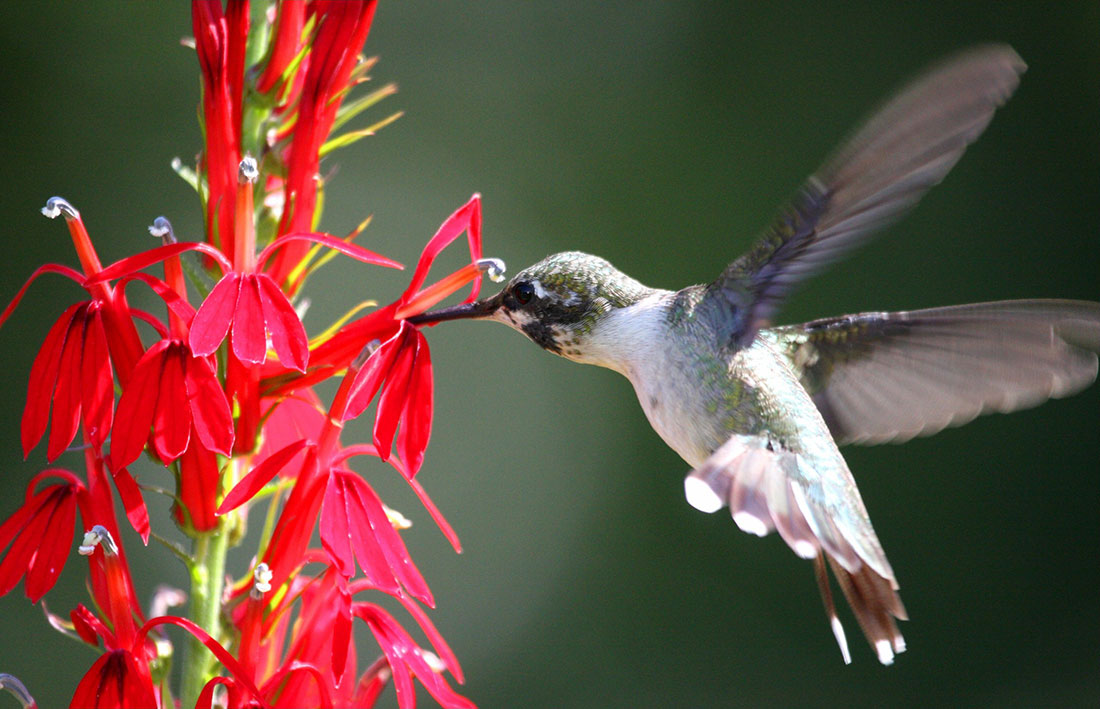
To attract Ruby-throated Hummingbirds to your yard, consider setting up nectar feeders and planting native tubular flowers preferred by these tiny birds.
- Nectar Feeders: Place multiple nectar feeders around your yard, ensuring they are clean and filled with a solution of four parts water to one part white granulated sugar. Change the nectar every 2-3 days, especially in hot weather, to prevent fermentation or mold growth.
- Native Plants: Opt for native plants like bee balm, cardinal flower, and trumpet vine that produce tubular flowers. These flowers are rich in nectar and are ideal for attracting Ruby-throated Hummingbirds due to their shape and nectar content.
- Location: Position your feeders and plants in a way that provides some shelter and perching spots for the hummingbirds. They prefer areas with nearby trees or shrubs where they can rest between feedings.
- Maintenance: Regularly clean your feeders and remove any spoiled nectar or debris around the plants to maintain a healthy environment for the Ruby-throated Hummingbirds.
Ruby-throated Hummingbird Fun Facts
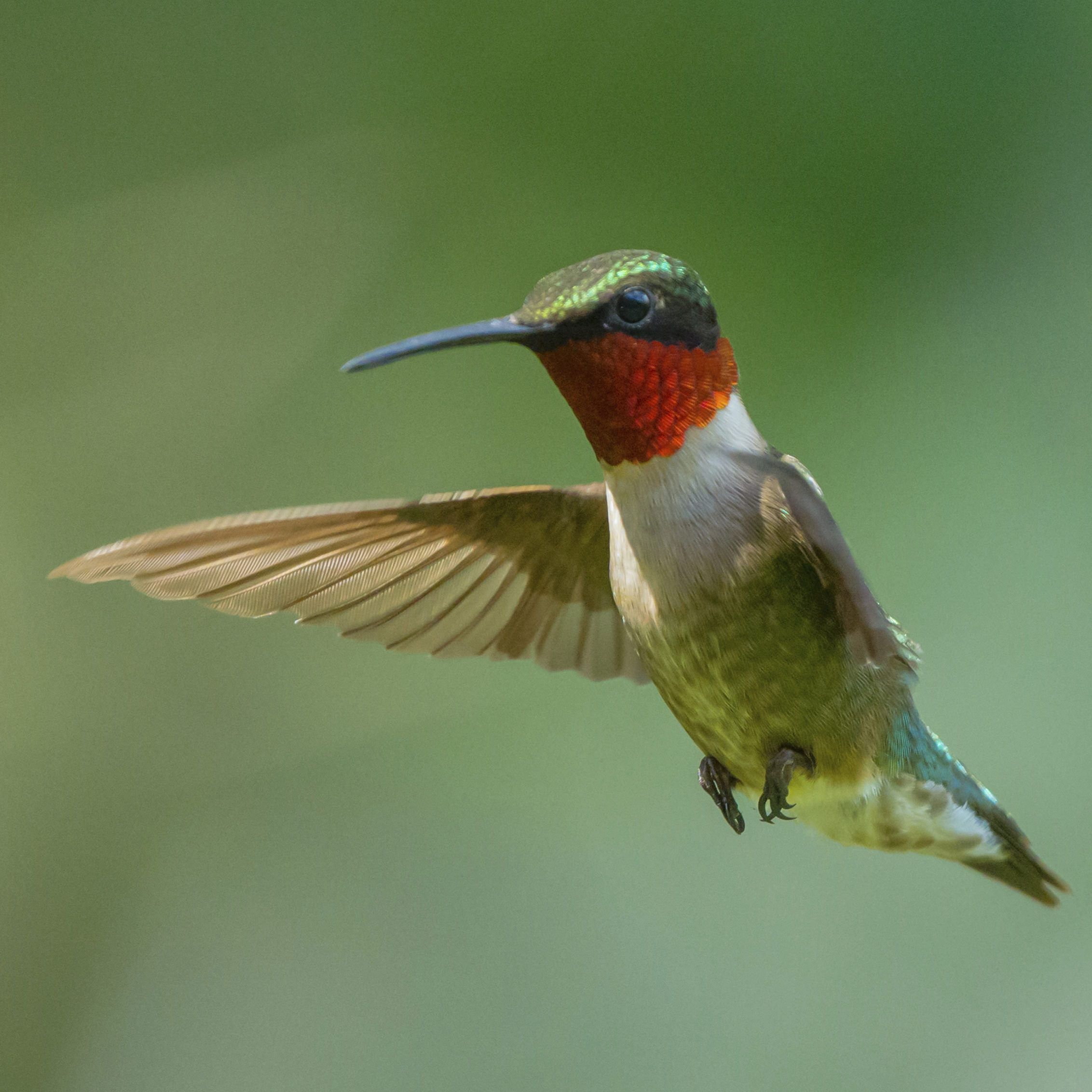
Ruby-throated hummingbirds exhibit vibrant red throats in males and more subdued colors in females, distinguishing them as the only commonly observed species in Massachusetts. The male ruby-throated hummingbird’s iridescent red throat, known as a gorget, plays a vital role in attracting mates and defending territory. To attract these enchanting creatures to your garden, consider placing nectar feeders filled with a solution of four parts water to one part sugar. Additionally, planting native species like trumpet creeper, bee balm, or cardinal flower, which offer tubular flowers rich in nectar, can provide a natural food source for these tiny birds.
During migration, these remarkable birds embark on an arduous journey to Mexico, crossing the vast expanse of the Gulf of Mexico. Ruby-throated hummingbirds are known for their distinctive chattering chee-dit sounds and intriguing nest-building behavior, using spider webs to secure their delicate creations. Detailed range maps highlight their migration patterns, showcasing the impressive feat of these diminutive avian travelers as they head south for the winter.
2.Rufous Hummingbird Overview

Rufous Hummingbirds, known for their striking copper-orange backs in males and green backs in females, are a rare sight in Massachusetts, typically spotted along the Pacific Coast and Rocky Mountains during migration.
- Migration Route: These tiny birds undertake one of the longest migration routes of any bird species, traveling from their breeding grounds in Alaska all the way down to Mexico. Their incredible journey covers thousands of miles and showcases their remarkable endurance.
- Aggressive Behavior: Rufous Hummingbirds are not just known for their beauty but also for their feisty and territorial nature. They exhibit aggressive behavior, often chasing away other birds at feeders and defending their feeding territories vigorously. This behavior is a survival mechanism, ensuring they have access to enough food during their demanding migration.
- Distinctive Appearance: The male Rufous Hummingbirds’ vibrant copper-orange plumage and the females’ brilliant green backs make them easily distinguishable from other hummingbird species. These colors play a crucial role in courtship displays and mating rituals.
- Feeding Preferences: To attract Rufous Hummingbirds, provide sugar water feeders or plant nectar-filled flowers in your garden. However, be prepared to witness their spirited interactions with other hummingbirds, adding excitement to your birdwatching experience.
Rufous Hummingbird Identification

The distinct markings of bright copper-orange backs on males and green backs on females serve as key identifiers for Rufous hummingbirds. These striking colors make them easily distinguishable from other hummingbird species. Rufous hummingbirds are known for their remarkable migration pattern along the Pacific Coast and Rocky Mountains, where they travel long distances. During migration, they emit chipping notes as they move from one region to another, showcasing one of the longest bird migrations. To attract Rufous hummingbirds, consider using sugar water feeders or planting nectar-filled flowers in your garden. However, be cautious as they can exhibit aggressive behavior, especially when defending their territory or food sources. In Massachusetts, sightings of the Rufous hummingbird are rare, with these vibrant creatures typically only passing through during their migratory journey.
| Key Identifiers | Description |
|---|---|
| Males | Bright copper-orange backs |
| Females | Green backs |
| Migration Pattern | Along Pacific Coast & Rocky Mountains |
Rufous Hummingbird Range Map

A detailed range map illustrates the migratory journey of Rufous Hummingbirds from their breeding grounds in the Pacific Northwest to their wintering areas in Mexico.
- The Rufous Hummingbird’s migration pattern is remarkable, covering thousands of miles from their northern breeding grounds to their southern wintering areas.
- The range map shows the specific route these tiny birds take, passing through the western United States and down into Mexico.
- Rufous Hummingbirds are known for their agility and speed during migration, often traveling alone rather than in flocks like some other bird species.
- Understanding the Rufous Hummingbird’s range map can help researchers track their movements, study their habitat preferences, and aid in conservation efforts to protect their migratory routes.
This map not only highlights the incredible journey of the Rufous Hummingbird but also serves as a valuable tool for conservationists and bird enthusiasts to appreciate and protect these amazing creatures.
Attracting Rufous Hummingbirds

To attract Rufous Hummingbirds to your area, consider providing sugar water feeders or planting nectar-filled flowers to cater to their aggressive nature and distinctive migration patterns. Rufous Hummingbirds, known for their vibrant copper-orange backs in males and green backs in females, are territorial and require ample food sources. Setting up multiple feeders can help reduce competition and provide sustenance for these aggressive rufous hummingbirds. Their long migration routes, spanning from the Pacific Coast to the Rocky Mountains, make them fascinating visitors during their journey.
The red coloration of the Rufous Hummingbirds not only aids in attracting mates but also serves as a warning to potential predators. By incorporating feeders that have red accents or using red nectar, you can further entice these beautiful birds to frequent your yard. Remember, these hummingbirds are rare in Massachusetts, so creating a welcoming environment with suitable feeders and nectar sources can increase the likelihood of spotting them during migration seasons.
Rufous Hummingbird Fun Facts

With one of the longest bird migrations spanning up to 3,900 miles from Alaska to Mexico, Rufous Hummingbirds showcase remarkable endurance and navigation skills. Here are some fun facts about Rufous Hummingbirds:
- Distinctive Appearance: Males of the Rufous Hummingbird species exhibit bright copper-orange backs, while females display green backs, allowing for easy gender differentiation.
- Aggressive Behavior: These hummingbirds are notorious for their aggressive and territorial nature. They vigorously defend their feeding territories and are known to chase off other hummingbirds that dare to invade their space.
- Communication through Chipping Notes: Rufous Hummingbirds communicate with each other using distinctive chipping notes. These vocalizations play a crucial role in establishing dominance, courtship rituals, and territorial boundaries.
- Migration Patterns: Although Rufous Hummingbirds are rarely seen in Massachusetts, they typically migrate along the Pacific Coast and Rocky Mountains, making their presence known through their vibrant colors and feisty behavior.
Black-chinned Hummingbird Rarity
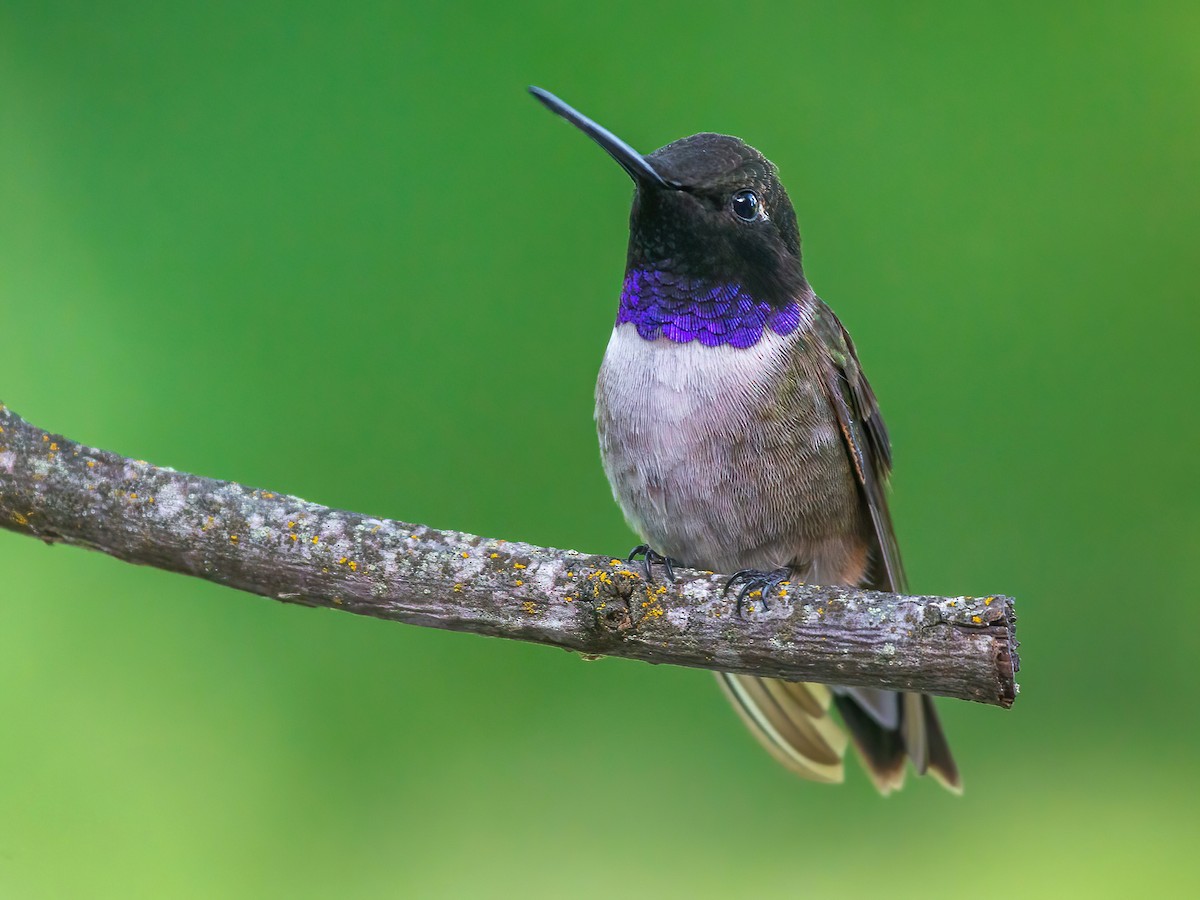
Rarely seen in Massachusetts, the Black-chinned Hummingbird is typically found in western regions of the United States. These petite birds, with their metallic green bodies and iridescent violet throats in males, and green caps in females, are a rare sight on the East Coast. The Black-chinned Hummingbird can be identified by its distinctive purple throat and a white spot behind its eyes. Due to their rarity in Massachusetts, attracting Black-chinned Hummingbirds to the area may prove challenging. However, if one were to be spotted in Massachusetts, it would undoubtedly be a rare and exciting find for birdwatchers and nature enthusiasts alike. The scarcity of sightings of the Black-chinned Hummingbird in Massachusetts adds to the allure of these already captivating creatures, making any potential encounter with them even more special and noteworthy. Observing these hummingbirds in an uncommon location like Massachusetts would be a remarkable event for those lucky enough to witness it.
Black-chinned Hummingbird Fun Facts

Black-chinned Hummingbirds display remarkable iridescent colors that distinguish males and females within the species. These hummingbirds are a rare sight in Massachusetts, typically found in the western regions of the United States. Here are some fun facts about the Black-chinned Hummingbird:
- Distinctive Plumage: Males exhibit metallic green bodies and shimmering iridescent violet throats, earning them the name “Black-chinned.” Females, on the other hand, feature green caps, creating a visible contrast within the species.
- Identification Features: One of the key identifiers of the Black-chinned Hummingbird is its unique purple throat and a distinctive white spot located behind the eyes, aiding birdwatchers in recognizing this species.
- Feeding Preferences: Attracting these hummingbirds to your backyard may involve using specific nectar feeders or planting nectar-filled flowers that they favor, ensuring a suitable habitat for them to visit.
- Rare Sighting: Spotting a Black-chinned Hummingbird in Massachusetts would be a thrilling experience due to their usual range, making it a noteworthy event for bird enthusiasts in the area.
Calliope Hummingbird Rarity
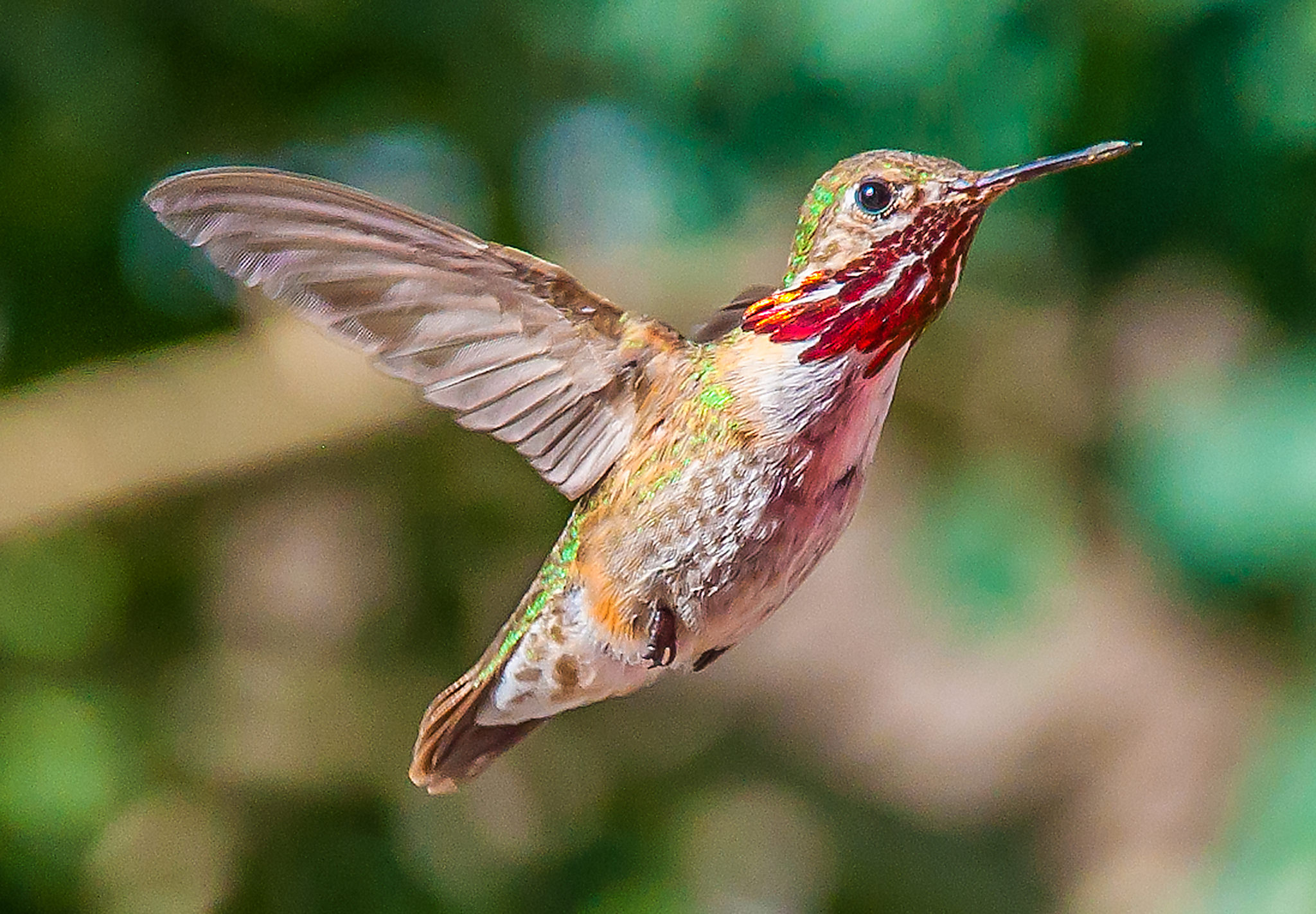
Observing the Calliope Hummingbird’s rarity in Massachusetts presents a unique opportunity for bird enthusiasts to witness its striking appearance and unusual migration patterns. In the state of Massachusetts, sightings of the Calliope Hummingbird are rare occurrences, with only occasional glimpses during their migratory journeys. The males of this species are particularly distinctive, sporting vibrant magenta markings on their throats and green backs. This coloration sets them apart from other hummingbird species commonly found in the region.
Calliope Hummingbirds follow a unique migration route along the western United States, making their appearance in Massachusetts even more remarkable. To increase the chances of attracting these elusive birds, setting up sugar water feeders or cultivating native plants with tubular flowers can be beneficial. However, it is essential to be cautious of their territorial behavior, especially when attempting to lure them into view.
The rarity and beauty of the Calliope Hummingbird make any sighting in Massachusetts a memorable and special experience for avid birdwatchers.
Calliope Hummingbird Fun Facts
![Calliope hummingbirds are the smallest birds in the US, weighting only 2-3 grams! They feed on nectar and help pollinate many species of flowering plants [OC] : r/Awwducational](https://i.redd.it/jb2035u2mt991.jpg)
The Calliope Hummingbird, being the smallest bird species in North America, showcases fascinating and unique characteristics that set it apart from its avian counterparts. Here are some fun facts about this remarkable bird:
- Size: Measuring only 3 inches in length, the Calliope Hummingbird is incredibly tiny compared to other bird species.
- Coloration: Males boast striking magenta-red throat feathers, while females exhibit white throats with green speckles, making them a visually stunning species.
- Flight Sound: These hummingbirds have a distinctive high-pitched buzz during flight, a unique characteristic that distinguishes them from other birds.
- Migration: Calliope Hummingbirds breed in the Pacific Northwest and migrate to Mexico for the winter when the migration begins, showcasing their remarkable endurance and adaptability to changing environments.
These facts highlight the intriguing nature of the Calliope Hummingbird, from its physical attributes to its behavioral patterns.