
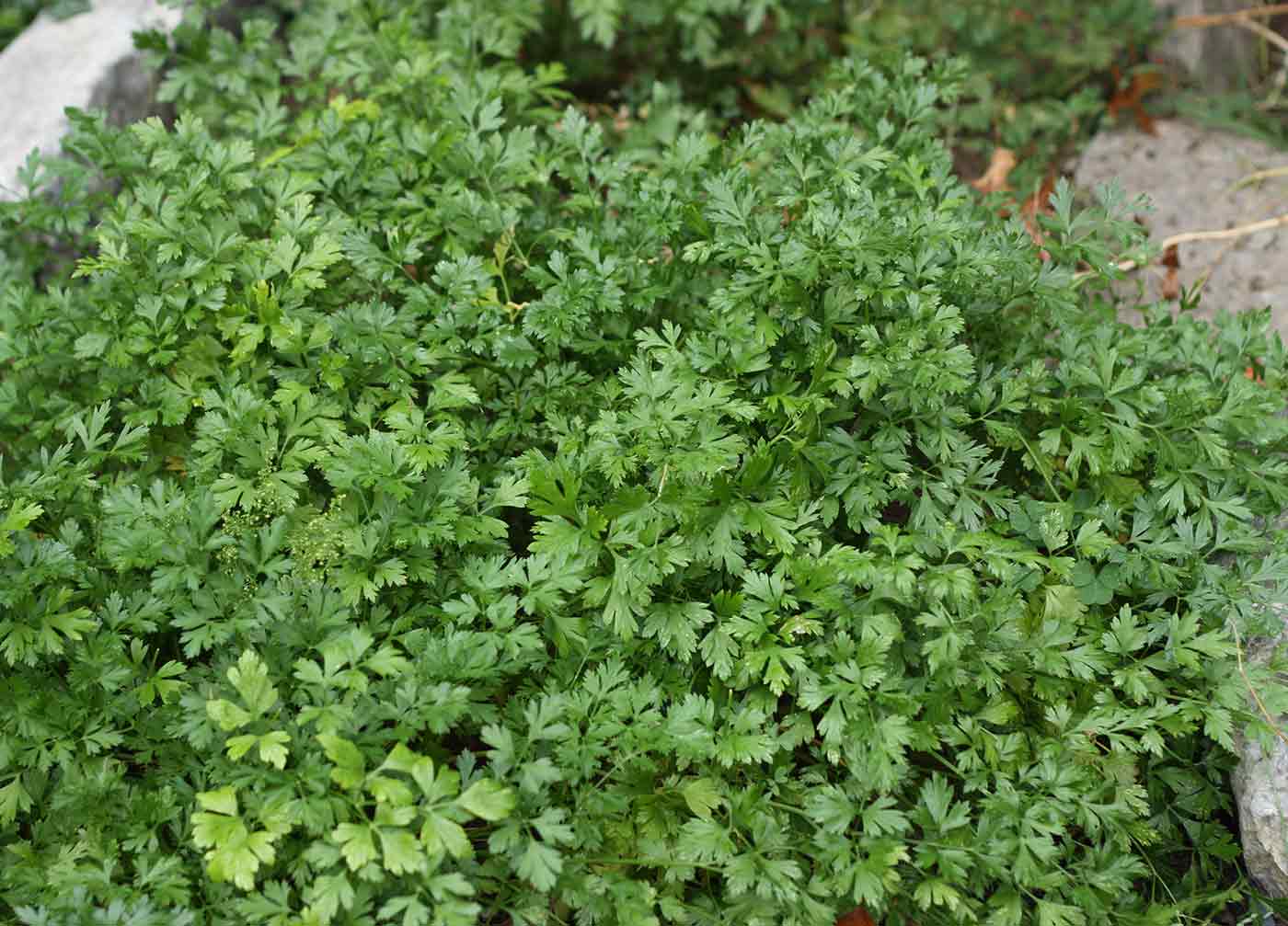
When planting cilantro, consider these 11 best companion plants for optimal results: Anise intensifies flavor and growth; basil thrives in cool weather and enhances your herb garden aesthetically. Beans and peas boost cilantro health by fixing nitrogen and providing shade. Dill, if planted apart in summer, complements cilantro’s growth and flavor. Swiss chard optimizes space and soil health with cilantro. For a balanced ecosystem, grow cilantro with tomatoes or yarrow to improve growth and pest management while adding diversity to your garden. Knowing how these plants work with cilantro is key to a bountiful and harmonious garden.
1. Anise
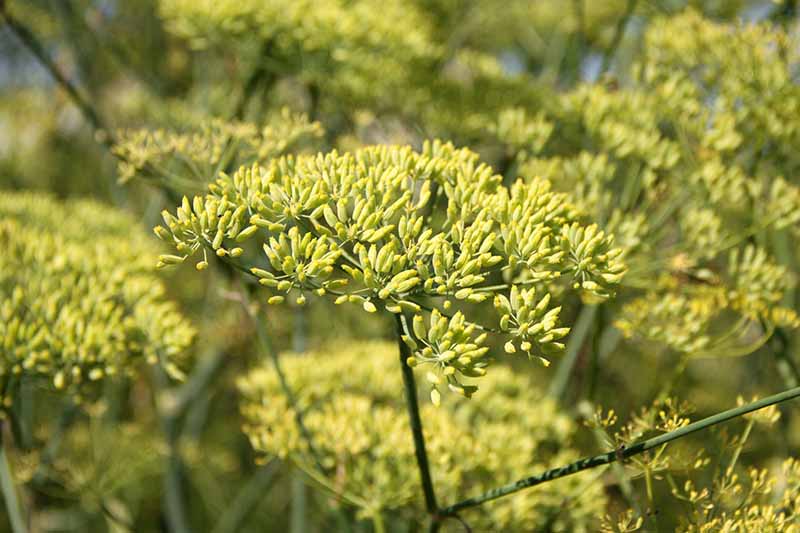
Anise frequently enhances the flavor profile of cilantro in various dishes due to its licorice-like taste. When considering companion planting, anise stands out as a perfect match for cilantro, not just for their flavor combination but also for their growing needs. Both herbs require similar conditions to thrive, making them ideal companions in container gardens or larger herb beds. The mutually beneficial relationship between anise and cilantro goes beyond taste enhancement; it also boosts their growth potential. When grown near each other, anise and cilantro support one another, resulting in healthier plants. This partnership extends to the kitchen, where the combination of these herbs can significantly improve the taste of roasted dishes and baked goods. By planting anise alongside cilantro, you not only create a harmonious garden but also elevate the culinary experience with a dynamic duo that enhances each other’s flavors effortlessly.
2. Basil

Basil, a versatile herb with similar growing requirements to cilantro, serves as an excellent companion plant for cultivating a flourishing herb garden. Both basil and cilantro thrive in cool weather, making them perfect companions for a bountiful herb harvest. These herbs are suitable for small-space or urban gardens, such as balcony gardens and windowsill herb gardens, adding a fresh touch to your culinary creations.
| Benefits of Basil as a Companion Plant | ||
|---|---|---|
| 1. Thrives in cool weather | 2. Suitable for urban gardens | 3. Tolerates light shade |
| 4. Enhances herb gardens visually | 5. Perfect for culinary use | 6. Complements cilantro growth |
Planting basil alongside cilantro not only adds visual interest to your garden but also provides an abundant supply of fresh herbs for your culinary adventures. Enjoy the convenience of having these two herbs together, creating a harmonious and productive herb garden.
3. Beans and Peas
:max_bytes(150000):strip_icc()/companion-plants-for-garden-peas-2540054-20-fb40c6775e0d4fb3a852f5f764c55462.jpg)
Beans and peas, when strategically planted alongside cilantro, play a vital role in enhancing the growth and health of this herb. These legumes are known for their ability to fix nitrogen in the soil, which is crucial for improving soil health and nutrient availability for cilantro. By growing beans and peas near cilantro, you can support its leafy growth and help it develop lusher leaves. The shade provided by beans and peas can also be beneficial in slowing down cilantro bolting, especially during hot weather. Additionally, planting cilantro in the shade of legumes like beans and peas can enhance microbe diversity in the soil, creating a more balanced ecosystem in your garden. This symbiotic relationship between beans, peas, and cilantro fosters a harmonious environment that benefits all plants involved, making it a wise choice to companion plant these together for a thriving garden.
4. Brassicas
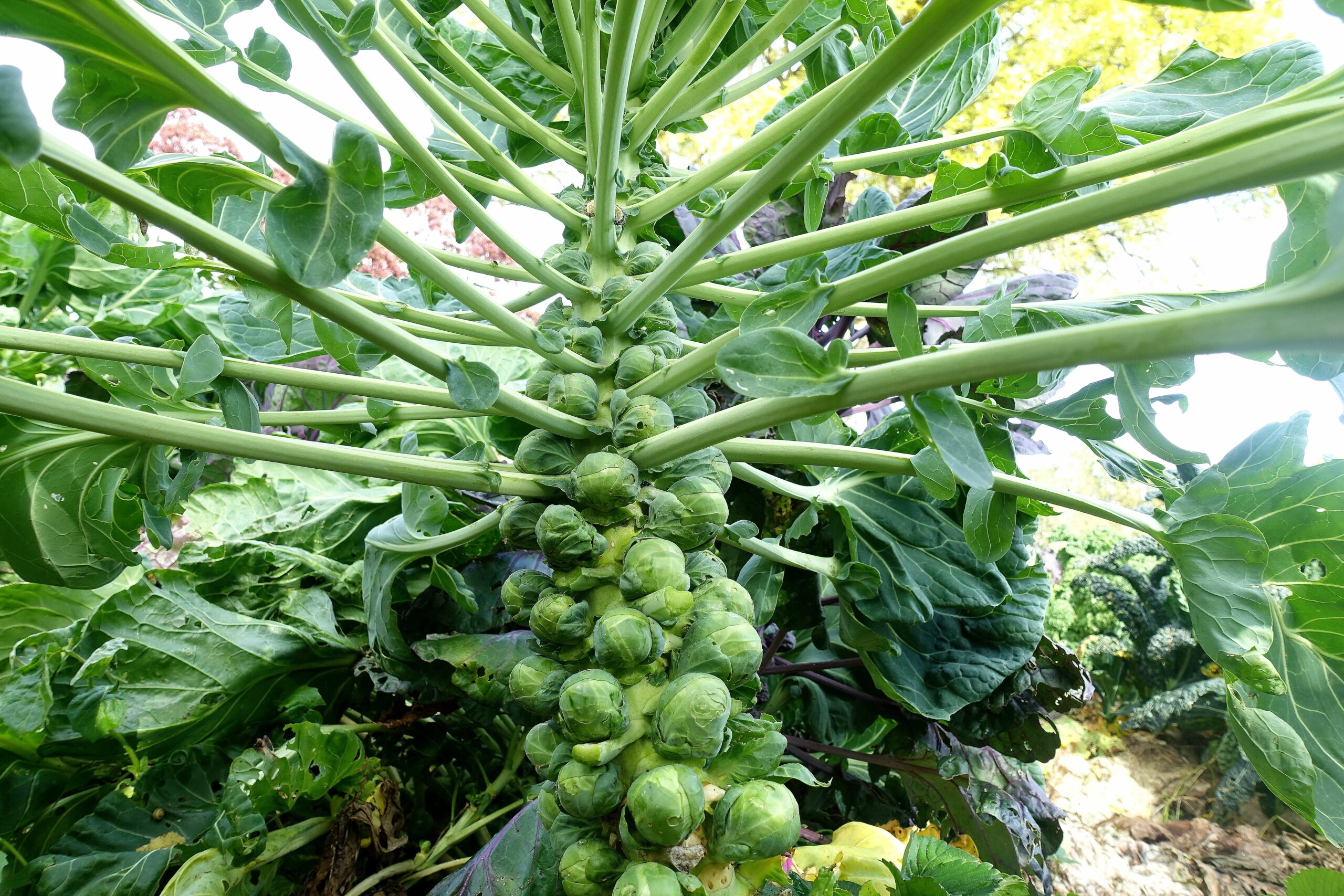
Planting cilantro alongside brassicas like broccoli, Brussels sprouts, and cabbage can significantly benefit your garden ecosystem. When you pair these vegetables with cilantro, you create a harmonious environment that promotes growth and deters pests naturally. Here are some key points to consider:
- Natural Pest Repellent: Cilantro emits a strong aroma that helps repel common pests that often target brassicas, reducing the need for chemical interventions.
- Beneficial Insects Attraction: The blooms of cilantro attract beneficial insects like ladybugs and lacewings, which feed on harmful pests that can damage brassicas.
- Enhanced Garden Health: Through companion planting, cilantro and brassicas form a symbiotic relationship that not only protects the vegetables but also contributes to the overall well-being of your garden.
5. Dill

When considering companion plants for cilantro, dill emerges as a favorable choice due to its harmonious growing requirements and complementary attributes. Dill and cilantro share similar growing conditions, thriving in moist, rich soil and full sun to light shade. By planting dill alongside cilantro, you can enhance each other’s growth, streamlining gardening tasks while providing fresh herbs for culinary use. It’s important to note that dill and cilantro should not be planted together in the summer months, as dill tends to bolt in hot weather. Whether in container gardens or larger herb beds, dill’s licorice-like flavor adds a distinctive touch that pairs well with cilantro. Consider adding dill to your garden to enjoy the benefits of this herbaceous companion plant alongside your cilantro for a flavorful and thriving herb patch.
6. Lettuce

In cool weather, lettuce complements cilantro as an ideal companion in your garden bed. When planting these two together, you create a harmonious environment that benefits both plants. Here are some key points to consider:
- Natural Pest Deterrent: Lettuce and cilantro planted near each other act as natural pest repellents, reducing the need for harmful chemicals and creating a healthier garden ecosystem.
- Enhanced Growth and Flavor: The close proximity of lettuce and cilantro enhances the growth and flavor of both plants. They work together to support each other’s development, resulting in tastier and more robust harvests.
- Space-Efficient and Soil Health: Combining lettuce and cilantro is not only space-efficient but also promotes soil health. This duo maximizes your garden bed’s potential, allowing you to enjoy a bountiful yield while keeping your soil rich and fertile.
7. Parsley
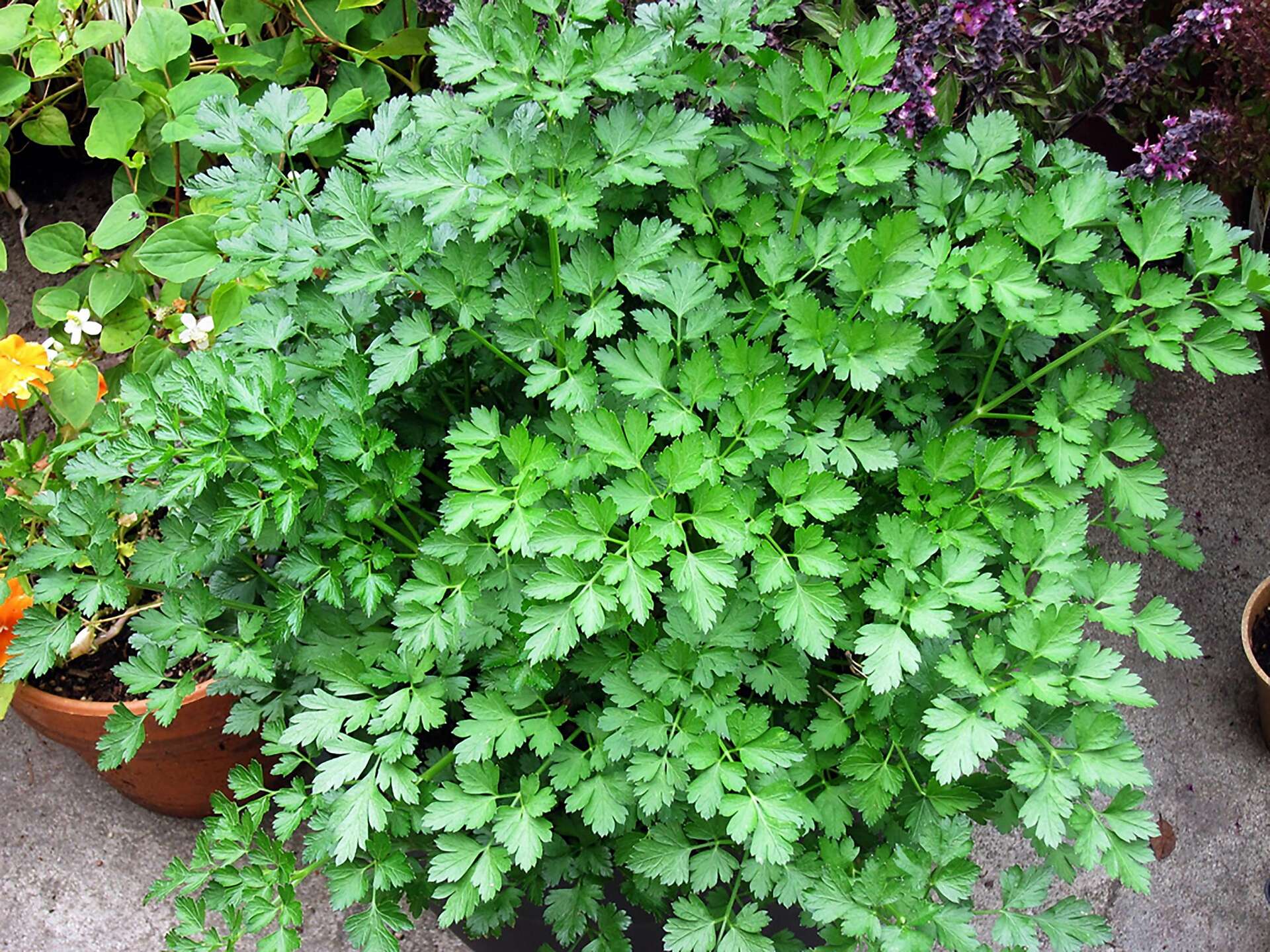
To continue enhancing your garden bed’s biodiversity and herb yield, consider the compatibility of parsley with cilantro as a suitable cool-weather companion plant. Parsley, a cool-weather herb similar to cilantro, can be a great addition to your herb gardens. While cilantro thrives better in cooler temperatures, parsley is more robust in warmer weather, providing a balanced growth dynamic when planted together. One of the advantages of pairing these two herbs is that parsley has a longer harvesting period and is less likely to bolt in the summer months, ensuring a steady fresh herb supply.
| Parsley Companion Planting with Cilantro | |
|---|---|
| Benefits | Considerations |
| – Enhances biodiversity | – Requires regular watering |
| – Extends harvesting period | – Watch out for pests |
| – Provides fresh herb supply | – Trim regularly for growth |
| – Simplifies gardening tasks | – Protect from extreme heat |
| – Suitable for herb gardens | – Harvest leaves selectively |
8. Sweet Alyssum

Consider incorporating Sweet Alyssum into your garden bed as a natural pest control companion for cilantro, attracting beneficial insects and enhancing both plants’ growth. Sweet Alyssum, with its purple and white flowers, not only adds ornamental appeal but also serves a vital role in protecting cilantro from pests. Here are a few reasons why Sweet Alyssum is an excellent companion plant for cilantro:
- Beneficial Insects: Sweet Alyssum attracts beneficial insects like ladybugs, which prey on harmful pests that may damage cilantro plants.
- Natural Pest Control: By planting Sweet Alyssum near cilantro, you create a natural barrier against pests, reducing the need for chemical pesticides.
- Shade and Growth Support: The presence of Sweet Alyssum provides shade for cilantro, helping to regulate soil temperature and moisture levels, promoting healthy growth for both plants.
Integrating Sweet Alyssum alongside cilantro not only enhances the visual appeal of your garden but also contributes to a thriving and pest-resistant ecosystem.
9. Swiss Chard
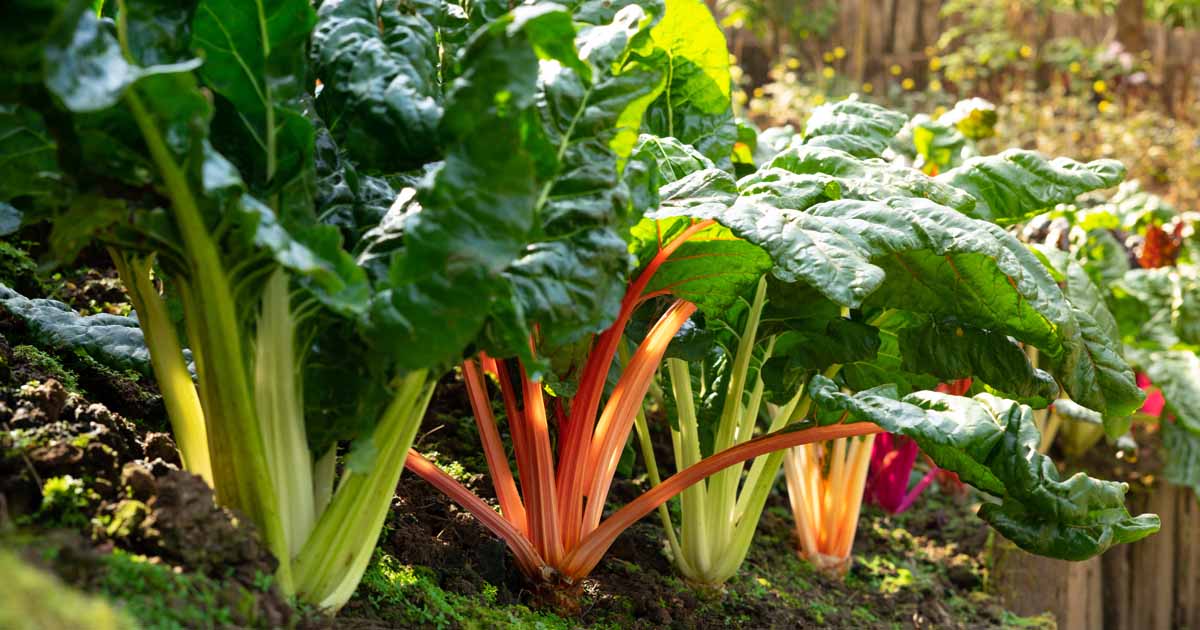
Integrating Swiss chard with cilantro in your garden provides a synergistic relationship that optimizes space, enhances soil health, and deters common pests, creating a harmonious and productive growing environment. Swiss chard, thriving in cooler weather, complements cilantro perfectly in companion planting arrangements. By planting these two together, you efficiently utilize garden beds, maximizing the yield from limited space. Swiss chard not only benefits from cilantro’s ability to attract beneficial insects like ladybugs and lacewings but also aids in maintaining soil health by preventing nutrient depletion. This duo forms a natural barrier against pests such as aphids and spider mites, promoting a balanced ecosystem where each plant contributes to the overall well-being of the garden. Embracing Swiss chard as a companion to cilantro not only fosters a healthy coexistence but also ensures that your garden remains vibrant, pest-resistant, and productive, providing you with an abundance of fresh produce throughout the seasons.
10. Tomatoes
:max_bytes(150000):strip_icc()/GettyImages-1299586597-43e9ec9cc137432d870eb9e53004cd7d.jpg)
Maximizing the benefits of companion planting, pairing cilantro with tomatoes in your garden can lead to improved growth and pest management for both plants. When integrating tomatoes alongside cilantro, consider the following:
- Symbiotic Relationship: Cilantro’s pest-deterring properties benefit tomatoes by keeping harmful insects at bay, promoting a healthier environment for both plants to thrive.
- Proper Spacing: Ensure adequate distance between cilantro and tomatoes to prevent competition for resources such as sunlight, water, and nutrients, fostering optimal growth conditions for each plant.
- Garden Health: The combination of cilantro and tomatoes contributes to a balanced ecosystem, where the aromatic herb aids in deterring pests that might otherwise harm the tomato plants, promoting overall garden health and vitality.
11. Yarrow

When incorporating yarrow into your garden alongside cilantro, you enhance pest control and attract beneficial insects to promote a balanced ecosystem. Yarrow is a good cilantro companion as it attracts beneficial insects like ladybugs and hoverflies, providing natural pest control. The aromatic foliage of yarrow can also help keep pests away by masking the scent of cilantro. Additionally, the flowers of yarrow not only enhance the visual appeal of your garden bed but also attract beneficial insects, further aiding in pest management.
| Benefits of Yarrow as a Cilantro Companion |
|---|
| Attracts beneficial insects |
| Provides natural pest control |
| Enhances garden aesthetics |
Incorporating yarrow near cilantro not only offers natural pest control but also adds diversity to your garden, creating a more sustainable and thriving environment for your plants. Consider planting yarrow alongside cilantro to enjoy the benefits it brings to your garden ecosystem.