

Explore the world beneath your feet with these four types of white worms found in soil. Meet the tiny but vital Pot Worms, working hard to enrich the soil with essential nutrients. Watch out for the larvae of Fungus Gnats, indicators of overwatering and poor drainage that can harm plant roots. Beware of the destructive White Grubs, disrupting plant growth and attracting predators. And keep an eye out for Wireworms, slender pests munching on plant parts. Each plays a unique role in the soil ecosystem!
1. Pot Worms (Enchytraeids)
Pot worms, also known as enchytraeids, are small white worms commonly found in moist, organic-rich soil. They are essential for maintaining a healthy soil ecosystem as they aid in breaking down organic matter, enriching the soil with nutrients. These worms are often present in potting soil used for indoor plants and garden beds. Pot worms thrive in nutrient-rich soil due to their ability to consume organic content effectively. Their presence indicates a well-balanced and organic-rich environment, beneficial for plant growth.
Pot worms play a crucial role in improving soil structure by aerating the soil and enhancing drainage. They are harmless to plants and contribute positively to composting processes by accelerating the decomposition of organic matter. Identifying pot worms in your soil is a positive sign of a thriving ecosystem. By creating a favorable environment for pot worms, you are fostering a healthy and sustainable soil environment for your plants.
2. Larvae of Fungus Gnats

Larvae of fungus gnats, small and worm-like in appearance, are a common presence in moist soil environments. These tiny white larvae feed on organic material in garden soil, potentially causing harm to plant roots. Easily identifiable by their dark heads and translucent bodies, they prefer moist soil conditions, making them indicators of overwatering or inadequate soil drainage. To help you recognize these larvae, here is a comparison table:
| Features | Larvae of Fungus Gnats |
|---|---|
| Color | White |
| Head | Dark |
| Body | Translucent |
| Habitat Preference | Moist soil |
To manage larvae of fungus gnats, it’s crucial to improve soil drainage and reduce excess moisture. Implementing strategies like using sticky traps and introducing beneficial nematodes can help control their population effectively. Keep a close eye on your plants and soil moisture levels to prevent these pests from causing further damage.
3. White Grubs
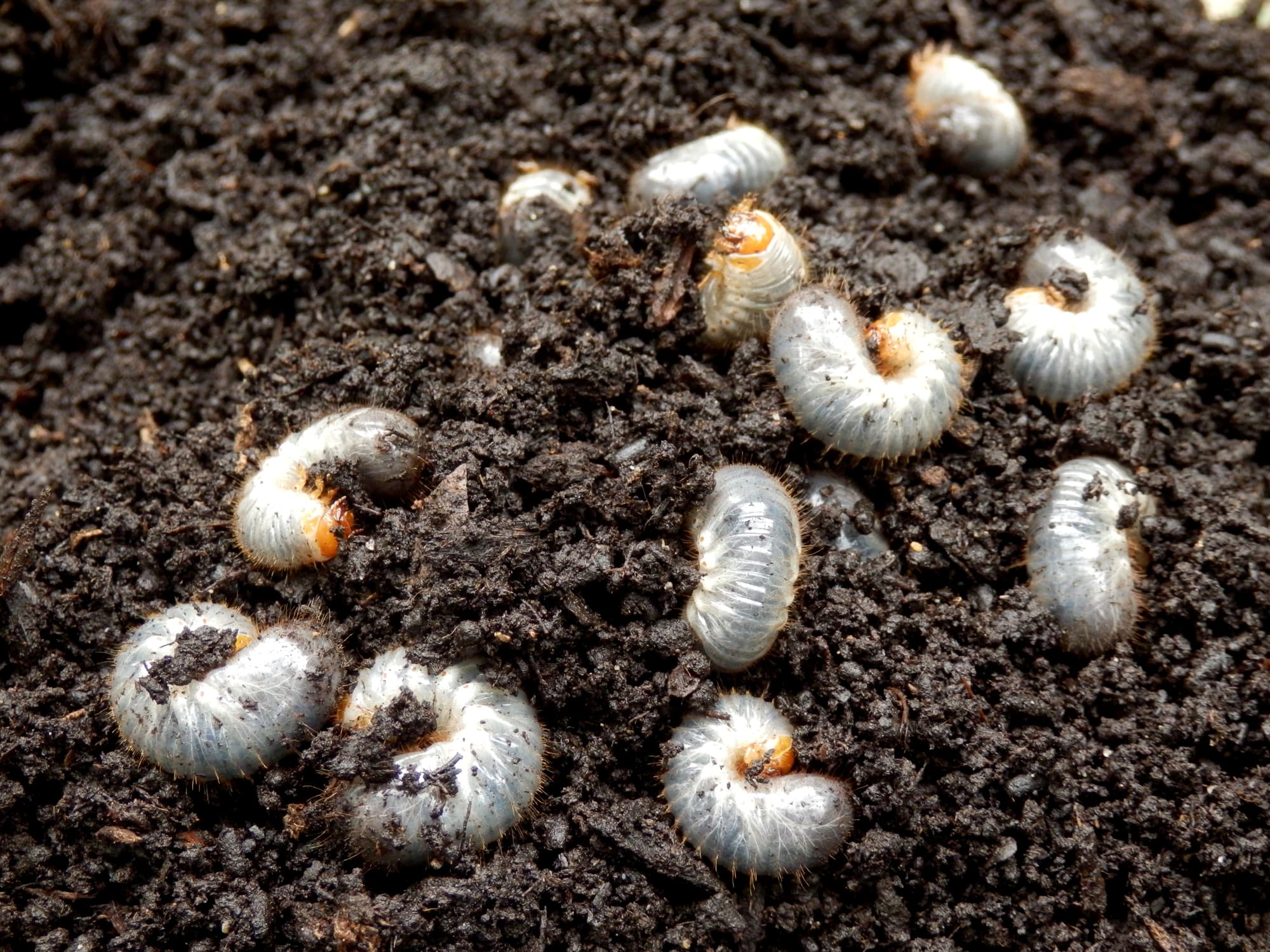
White grubs, C-shaped larvae that feed on plant roots and organic matter in the soil, are a common pest that can cause significant damage to plant health. These voracious larvae target the root system of plants, disrupting the absorption of water and essential nutrients, leading to wilting and stunted growth. The damage inflicted by white grubs can weaken plants, making them more susceptible to diseases and environmental stressors.
In addition to harming plants directly, white grubs can attract predators such as birds and mammals that dig up the soil in search of these larvae. To mitigate white grub infestations, it is crucial to monitor soil moisture levels and ensure adequate aeration, as overly wet or compacted soil can create favorable conditions for these pests to thrive.
Prevention methods include introducing beneficial nematodes or employing chemical treatments to control white grub populations. By taking proactive measures to manage white grubs, gardeners and farmers can safeguard their plants’ health and productivity.
4. Wireworms
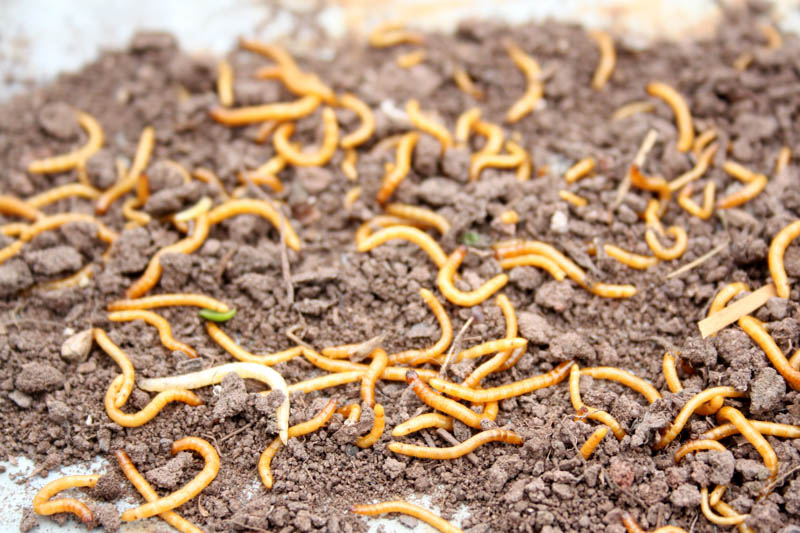
Slender and yellowish-brown with hard bodies, wireworms are soil-dwelling pests that pose a threat to plant health through their feeding habits. These pests, in their larval stage as the offspring of click beetles, have three pairs of legs and a distinct, elongated shape. Wireworms can be detrimental to your garden by creating an environment where they feed on plant roots, seeds, and underground stems. Their feeding activities can lead to significant damage, causing stunted growth and plant wilting.
When wireworm infestations occur in the soil, plants become vulnerable to their voracious appetites. These pests are particularly problematic for root crops and can persist in the soil for several years, making them a persistent threat to your garden’s health. To combat wireworm infestations, proper soil management practices and the use of targeted pesticides may be necessary to protect your plants from these destructive pests.