

Discover the world of clear worms in soil. From Transparent Roundworms with needle-like stylets to Microscopic Soil Nematodes feeding on bacteria, these creatures play key roles in soil health. Slender Threadworms thrive in organic-rich settings, creating silk-like webs. Hairlike Soil Worms and Clear Ribbon Worms hunt using silk webs, benefiting decomposition. Tiny Glass Worms, Colorless Soil Roundworms, and Long Transparent Nematodes have distinct traits from burrowing to slime trails. Thin Invisible Worms aerate soil and decompose organic matter. Learn how these worms impact your ecosystem and plants.
1. Transparent Roundworms
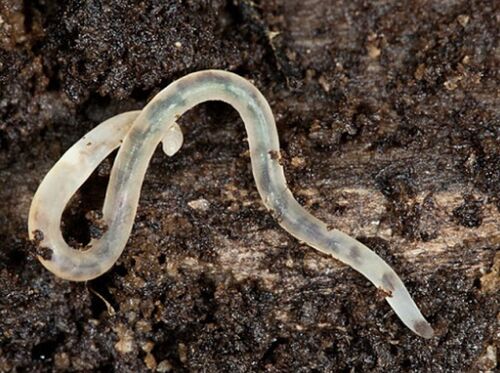
Transparent roundworms found in soil, often identified as nematodes, can play a significant role in the health of plants and the overall ecosystem. Among these nematodes, plant-parasitic nematodes are a crucial subgroup that can have both beneficial and detrimental effects. These clear worms possess a needle-like stylet that they use for feeding on plant roots. Unfortunately, their feeding behavior can lead to root damage, causing stunted growth and reduced plant health.
Managing plant-parasitic nematodes is essential for maintaining healthy plant populations. By monitoring soil health and identifying nematode types through soil analysis, farmers and gardeners can effectively control nematode populations. Additionally, beneficial nematodes can be utilized as biological control agents to tackle pest insects in the soil, offering a natural and eco-friendly pest management solution.
Understanding the role of plant-parasitic nematodes in the soil ecosystem is crucial for sustainable agriculture practices and promoting plant health. By implementing proper management strategies, such as utilizing beneficial nematodes and monitoring soil health, you can maintain a balanced nematode population and promote thriving plant growth.
2. Slender Threadworms
Slender threadworms, often measuring several millimeters in length, are notable for their slim and elongated bodies. These worms favor moist environments rich in decaying plant material, making them particularly common in potted plants and garden beds. Observing their slender form and habitat preferences can offer valuable insights into managing their presence in the soil.

Length of Slender Worms
The length of slender threadworms in soil can range from a few millimeters to several centimeters, influenced by various factors such as species, age, and environmental conditions. Slender threadworms, belonging to the Nematoda phylum, typically exhibit a slender and elongated body that aids in their movement through soil. Below is a table showcasing the length variability observed in these organisms:
| Length (mm) | Description |
|---|---|
| 2-5 | Typically observed in younger threadworms |
| 5-10 | Common length range for adult slender worms |
| 10-15 | Some species may reach this length when mature |
| 15-20 | Longer slender worms in favorable environments |
| 20+ | Uncommon, but possible in certain species |
Understanding the length variations of slender threadworms is crucial for differentiating them from other soil-dwelling organisms and provides insights into their development and ecology.
Habitat Preferences
In soil habitats, slender threadworms thrive in damp, organic-rich environments where they actively feed on microscopic fungi and bacteria for decomposition purposes. These nematode species have specific habitat preferences that cater to their survival and ecological role in soil ecosystems. Here are some key points about the habitat preferences of slender threadworms:
- Slender threadworms are completely transparent with a black head and visible intestines, allowing them to blend into their surroundings effectively.
- They create silk-like webs in the soil, aiding in their movement and ability to hide rapidly when disturbed.
- The presence of slender threadworms in soil may indicate favorable conditions that support their survival, such as adequate moisture levels and nutrient-rich organic matter.
- These worms prefer environments where microbial activity is high, as they rely on microscopic fungi and bacteria as their primary food source.
- Understanding the habitat preferences of slender threadworms can provide valuable insights into soil health and nutrient cycling processes within an ecosystem.
3. Microscopic Soil Nematodes
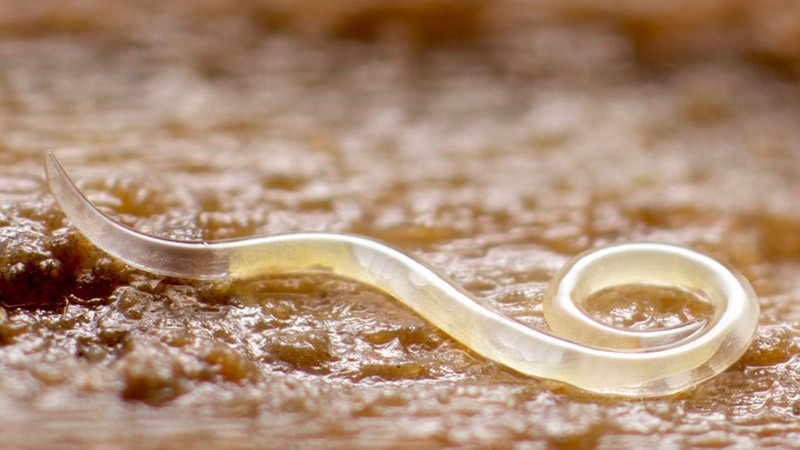
Microscopic soil nematodes, also known as roundworms, play a crucial role in the ecosystem by feeding on plant roots and decomposing organic matter. These tiny organisms can significantly impact soil health and plant growth by causing damage to root systems and transmitting diseases. Understanding their feeding habits and interactions with plants is essential for managing soil health and preventing agricultural losses.
Nematode Feeding Habits
Feeding on bacteria, fungi, algae, and other organic matter in the soil, soil nematodes play a crucial role in nutrient cycling and soil health. Understanding nematode feeding habits is essential for managing their populations effectively. Here are some key points about nematode feeding habits:
- Nematodes primarily feed on bacteria, fungi, algae, and decaying organic matter, contributing to nutrient recycling in the soil.
- Some predatory nematodes consume other nematodes, protozoa, and small invertebrates, regulating their populations.
- Plant-feeding nematodes pose a threat to plant health by puncturing plant cells to extract nutrients, leading to root damage and reduced plant vigor.
- Nematodes can act as vectors for viruses and bacterial diseases, further compromising plant growth and development.
- By understanding the diverse feeding habits of nematodes, farmers and gardeners can implement targeted strategies to control nematode populations and minimize their detrimental effects on plant health.
Impact on Soil
Soil nematodes, particularly the microscopic varieties, play a vital role in maintaining soil fertility and overall ecosystem health through their diverse impacts on soil structure and nutrient cycling. These tiny organisms are essential for decomposing organic matter, releasing nutrients that are vital for plant growth. By aerating the soil, they create pathways for root growth, facilitating nutrient uptake by plants and improving overall plant health. Additionally, some soil nematodes act as natural pest controllers by preying on other soil-dwelling organisms, reducing the need for chemical interventions that can harm the environment.
However, not all soil nematodes have positive effects. Plant-parasitic nematodes, for example, can damage plant roots, leading to stunted growth and wilting. Monitoring soil nematode populations and types is crucial in implementing effective pest management strategies to mitigate the impact of these plant parasites and maintain soil health for sustainable plant growth.
4. Hairlike Soil Worms

Thin and transparent, the hairlike soil worms in your garden pots leave a distinctive slime trail on the surface. These types of nematodes are fascinating creatures that play a crucial role in the soil ecosystem. Here are some key facts about hairlike soil worms:
- Hairlike soil worms are thin and clear with segmented bodies, allowing them to move easily through the soil.
- They have a tiny reddish head that helps them in feeding on organic matter in the soil.
- These transparent worms are skilled at burrowing quickly into the soil to hide from predators or adverse conditions.
- Hairlike soil worms are commonly found in Thanksgiving cactus and basil pots, where they thrive in the organic-rich environment.
- They are known to create silk-like webs in the soil, which helps them in moving around and capturing their prey.
Understanding the behavior and characteristics of these hairlike soil worms can provide valuable insights into maintaining a healthy soil environment in your garden.
5. Clear Ribbon Worms
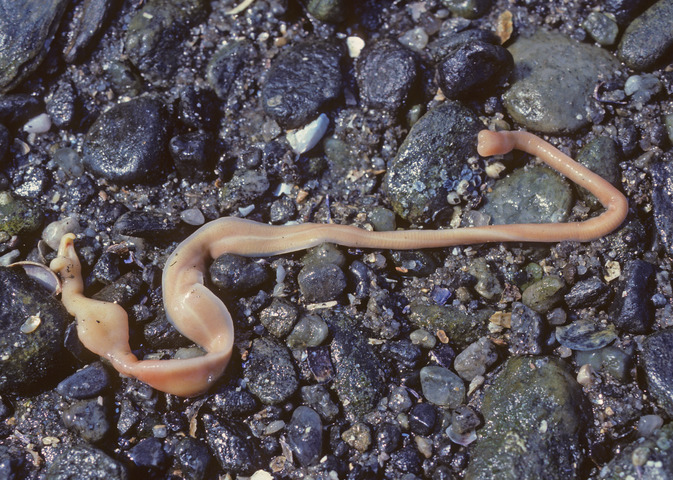
Transparent and slender, clear ribbon worms possess segmented bodies and are often spotted in soil and plant pots, leaving behind a telltale slime trail on the surface. These worms have tiny reddish heads and exhibit rapid burrowing behavior into the soil. Clear ribbon worms feed on organic matter present in the soil, actively contributing to the decomposition process. When feeding, they create intricate silk-like webs that aid in capturing their prey, often nematodes. The presence of clear ribbon worms in soil can indicate specific soil conditions, potentially impacting plant health. Monitoring their population levels is crucial, as an overabundance of these worms may disrupt the soil ecosystem balance. If you observe an increase in clear ribbon worms, consider evaluating your soil management practices to maintain a healthy environment for your plants.
6. Tiny Glass Worms

With their completely transparent bodies, black heads, and visible intestines, tiny glass worms are intriguing soil inhabitants that leave a distinctive slimy trail resembling Christmas tinsel. These fascinating creatures exhibit unique characteristics that set them apart from other soil-dwelling organisms. Here are some key facts about tiny glass worms:
- Transparency: The transparency of their bodies allows you to observe their internal organs, providing a mesmerizing view of their anatomy.
- Distinctive Trail: Their slimy trail, reminiscent of Christmas tinsel, is a visible indicator of their presence in the soil.
- Burrowing Behavior: Tiny glass worms are known for their rapid burrowing behavior, creating tunnels as they move through the soil.
- Silk-like Webs: These worms produce silk-like webs that can be seen in the soil, possibly aiding in their movement or resource gathering.
- Soil Indicators: The presence of tiny glass worms in the soil may suggest specific environmental conditions that support their survival, offering insights into the soil’s health.
If you encounter tiny glass worms in your soil, it is recommended to promptly remove them for further identification and assessment of any potential impact on plant life.
7. Colorless Soil Roundworms

Observing the soil-dwelling inhabitants closely, you may come across colorless soil roundworms, distinctive for their segmented bodies and reddish heads. These thin, clear worms are adept at burrowing quickly into the soil to evade predators. They leave behind a trail of slime on the soil surface as they move. Colorless soil roundworms are commonly found in pots containing plants such as Thanksgiving cactus and basil, where they feed on organic matter present in the soil. Despite their delicate appearance, these transparent worms are efficient in creating silk-like webs within their habitat.
| Characteristics | Behavior | Habitat |
|---|---|---|
| Segmented bodies | Burrow quickly | Pots with plants |
| Reddish heads | Leave slime trails | Rich in organic matter |
| Thin and clear | Feed on organic matter | Silk-like webs |
8. Long Transparent Nematodes

Long transparent nematodes, commonly encountered in soil environments, pose a threat to plant roots due to their harmful feeding habits. These nematodes have a slender, clear body with a distinct head and intestines. They leave a slimy trail on the soil surface and can burrow quickly into the ground. Here are some important facts about long transparent nematodes:
- They may impact plant health by feeding on roots and causing damage.
- Identification of these nematodes is crucial for effective management strategies.
- Monitoring soil moisture levels can help deter their activity.
- Implementing crop rotation practices can reduce nematode populations.
- Using organic amendments rich in beneficial microbes can help suppress nematode numbers.
Remember to take proactive measures to identify and control long transparent nematodes to safeguard the health of your plants and promote soil health.
9. Thin Invisible Worms

Thin invisible worms found in soil, such as potworms or enchytraeids, play a crucial role in the decomposition of organic matter. These transparent worms, though barely visible to the naked eye, contribute significantly to soil health by breaking down organic material. They are harmless to plants and aid in aerating the soil, facilitating nutrient availability for plant roots. However, an abundance of these thin, invisible worms could signal excessively wet or compacted soil conditions that may hinder plant growth.
To manage the population of potworms or enchytraeids, consider adjusting your watering practices to ensure the soil is not overly damp. Additionally, periodically turning the soil can help regulate their numbers. These worms thrive in moist, organic-rich environments, where they feed on microscopic fungi and bacteria. By maintaining a balanced soil environment, you can promote the beneficial activities of these thin, invisible worms while preventing any potential issues associated with their overpopulation.