

If you’ve spotted black eggs on your plant leaves, lace bugs, stink bugs, aphids, or other insects might be to blame. Lace bugs lay black eggs covered in a dark coating underneath leaves; stink bugs deposit barrel-shaped dark eggs in clusters. Aphids favor new growth areas for their black eggs laid in clusters. Other insects leave their pale eggs on leaves. To tackle this issue, prompt removal of egg clusters is essential, along with considering natural predation or using treatments like insecticidal soap. Understanding the specific insect infestation will help you address the problem effectively.
1. Lace Bugs Infestations
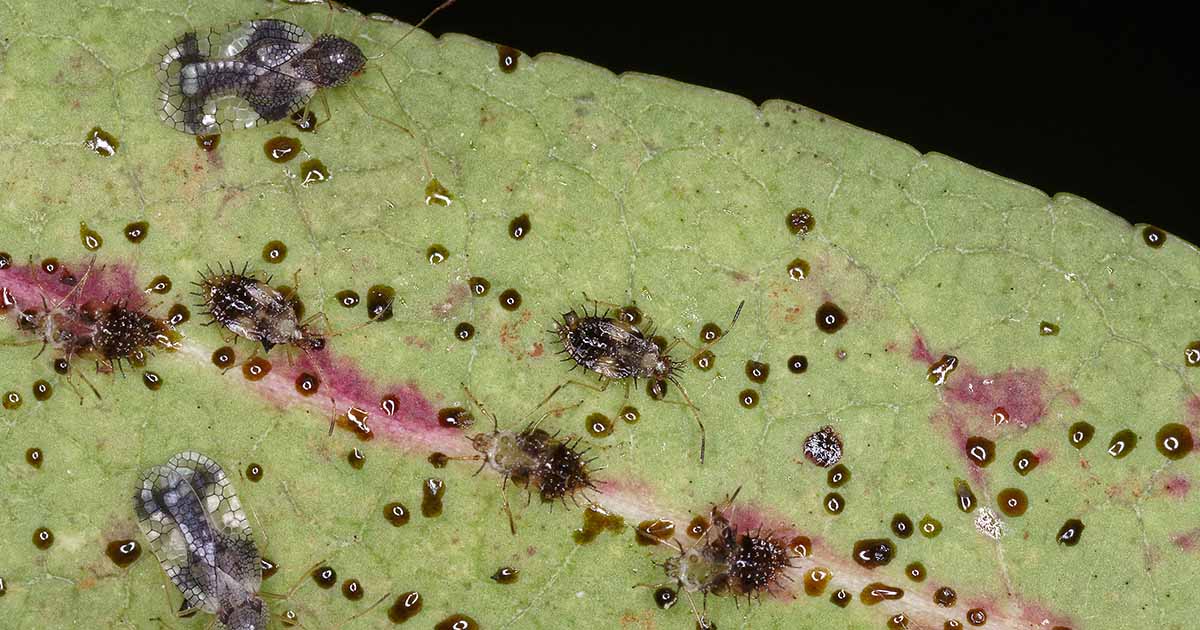
Lace bugs infestations pose a threat to plant health by sucking sap from leaves, with approximately 140 species in North America exhibiting specific preferences for host plants like azaleas and lantanas. These tiny insects, often found on ornamental plants, lay their black eggs on the underside of leaves. The black eggs, although initially pale, are coated with a dark substance for protection. This distinctive feature helps in identifying lace bug infestations.
To combat lace bugs, it is essential to monitor the undersides of leaves for their presence. When detected, consider using horticultural oil as a natural remedy to control their population. Nymphs, which hatch from these black eggs, should be addressed promptly to prevent further damage to the plant. By avoiding harsh pesticides, you can protect beneficial insects in the ecosystem while effectively managing lace bug infestations on your ornamental plants.
2. Stink Bugs Infestations

Among the various pests that cause damage to plants, stink bugs are notorious for laying clusters of barrel-shaped eggs on the undersides of leaves. These eggs are typically black or dark brown in color, making them easily identifiable to the keen observer. If left unchecked, stink bug eggs can hatch within 4-5 days, especially in warm weather conditions, leading to a potential infestation. Stink bugs, being agricultural pests, pose a significant threat to various crops by feeding on plant juices and causing damage to leaves.
To combat stink bug infestations, effective control measures are essential. Handpicking the eggs off the leaves can be a labor-intensive but efficient method, particularly for smaller infestations. Additionally, using insecticidal treatments labeled for stink bug control can help manage larger populations and prevent further damage to the plants. By being vigilant and proactive in addressing stink bug infestations, you can protect your plants from these destructive pests.
3. Aphids Infestations
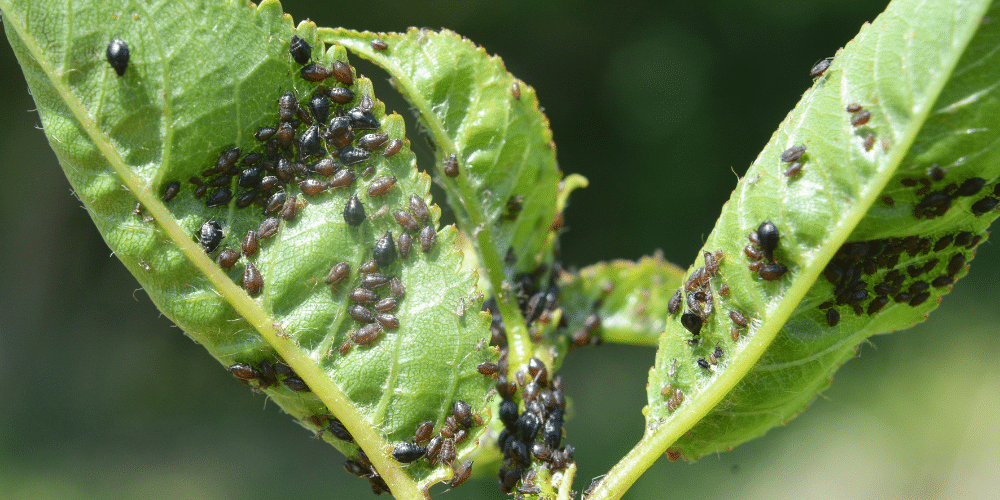
A common sight in gardens and agricultural settings is the presence of black eggs clustered near new growth and thorns, indicating a potential aphid infestation. Aphids, tiny insects, lay these black eggs on the underside of leaves, often in clusters, during the fall. These eggs overwinter, protecting the developing aphids from harsh weather conditions. As temperatures warm up in spring, the eggs hatch into nymphs that feed on plant sap, causing leaves to curl or distort. The hatched aphids can quickly reproduce, leading to significant damage if left unchecked.
To prevent aphid infestations, inspect the underside of leaves for clusters of black eggs and remove them promptly. Additionally, encouraging natural predators like ladybugs in your garden can help control aphid populations. By taking these proactive measures, you can protect your plants from the detrimental effects of aphids and ensure a healthier garden environment.
4. Other Insect Species Infestations

Inspecting and identifying various insect species infestations on plant leaves can help you effectively manage and prevent potential damage to your garden or agricultural crops. One common pest to look out for is lace bugs, which are tiny insects known for laying pale eggs covered in a dark substance on leaves. With approximately 140 species in North America, these bugs have specific plant preferences, such as azaleas for azalea lace bugs and lantanas for other species.
While lace bug infestations typically don’t cause severe harm to plant health, it’s crucial to address them promptly. Treatments like using insecticidal soap, neem oil, or a strong spray of water can help get rid of these pests. Additionally, practicing companion planting with plants that naturally deter lace bugs can be a preventative measure. Remember to pay attention to the little black eggs they leave behind, as addressing lace bugs in their nymph stage is essential for preventing damage.