

Birds chirp at night to attract mates, establish territories, and communicate with their flock. Mating calls signal readiness to reproduce and find suitable partners. Territorial defense involves warning intruders and protecting nesting sites through loud chirping. Environmental factors like light pollution disrupt sleep patterns and contribute to nocturnal vocalizations. Communication within the flock aids in coordination during migration and alerts to potential threats. In response to danger, chirping acts as a defense mechanism against predators. Understanding these reasons sheds light on birds’ behavior at night and their adaptation to various challenges.
1. Mating Calls
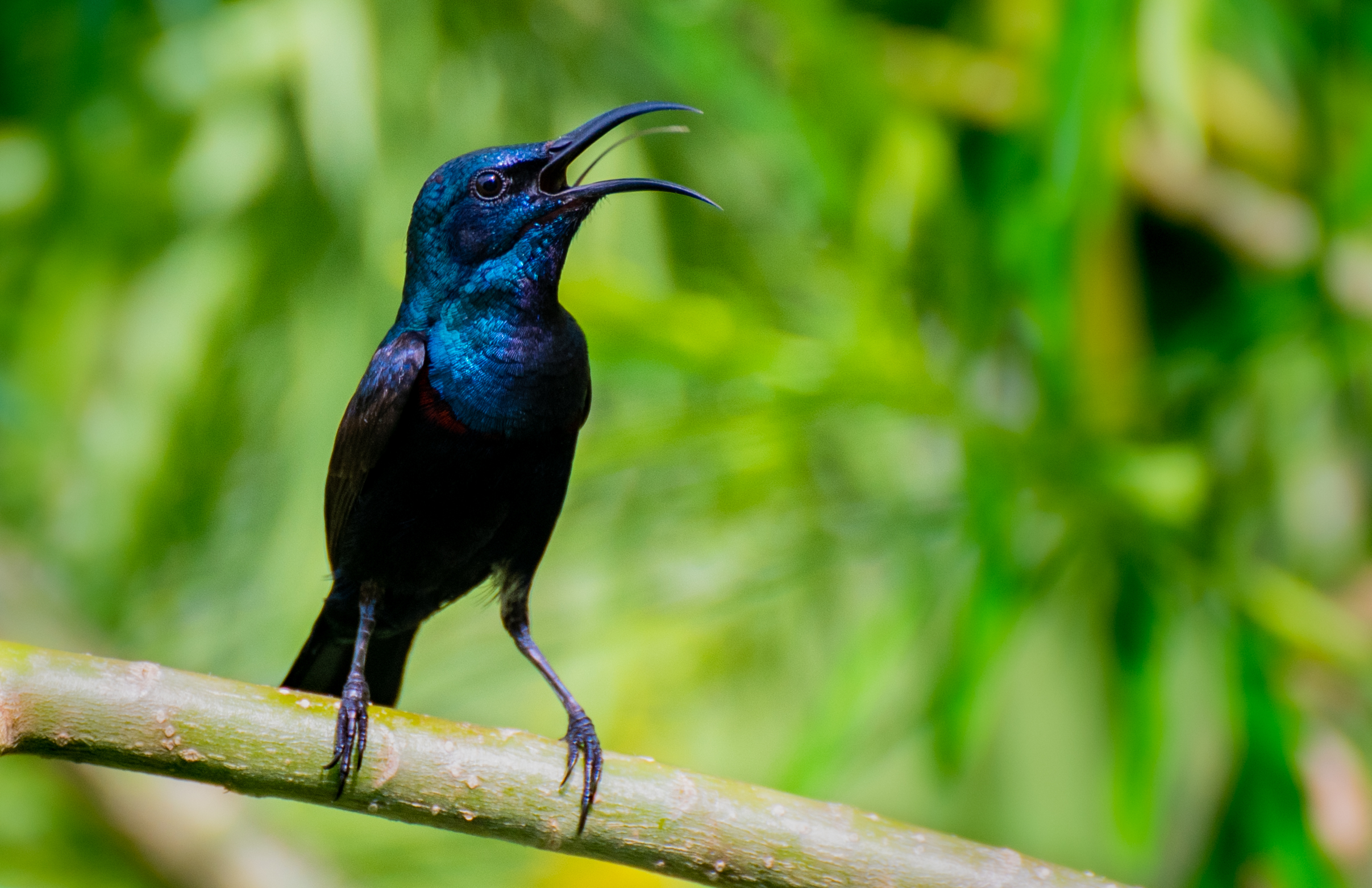
Why do birds chirp at night to attract mates through their loud and distinctive calls? During the mating season, male birds utilize night chirping as a strategy to attract a partner. This behavior is crucial during the breeding season as it helps establish breeding territories and find suitable mates. Birds sing at night to showcase their fitness and signal their readiness to reproduce. Each species has its unique mating calls tailored to their behaviors, ensuring effective communication with potential partners. By singing at night, birds tend to stand out from the background noise, allowing their songs to carry further distances. This can be particularly advantageous when trying to attract females amidst the songs of other birds. Ultimately, nighttime chirping serves as a powerful tool for male birds to increase their chances of successfully finding a mate and reproducing.
2. Territorial Defense

Birds utilize their loud chirping at night as a key strategy to establish and defend their territories from potential intruders. This behavior serves as a warning to intruders to stay away from their nesting sites, marking boundaries, and asserting ownership over their space. The act of chirping helps birds protect their resources and secure their nesting areas by deterring other birds from encroaching on their territory. Territorial disputes can escalate the intensity of night chirping as birds vocalize to defend their space. By establishing territory through vocalizations, birds communicate their presence and readiness to protect their nesting sites. This territorial defense mechanism is crucial for birds to maintain their space, resources, and ensure the safety of their offspring. The night chirping not only warns intruders but also acts as a signal of ownership, deterring potential threats and maintaining the integrity of their territory.
3. Environmental Factors
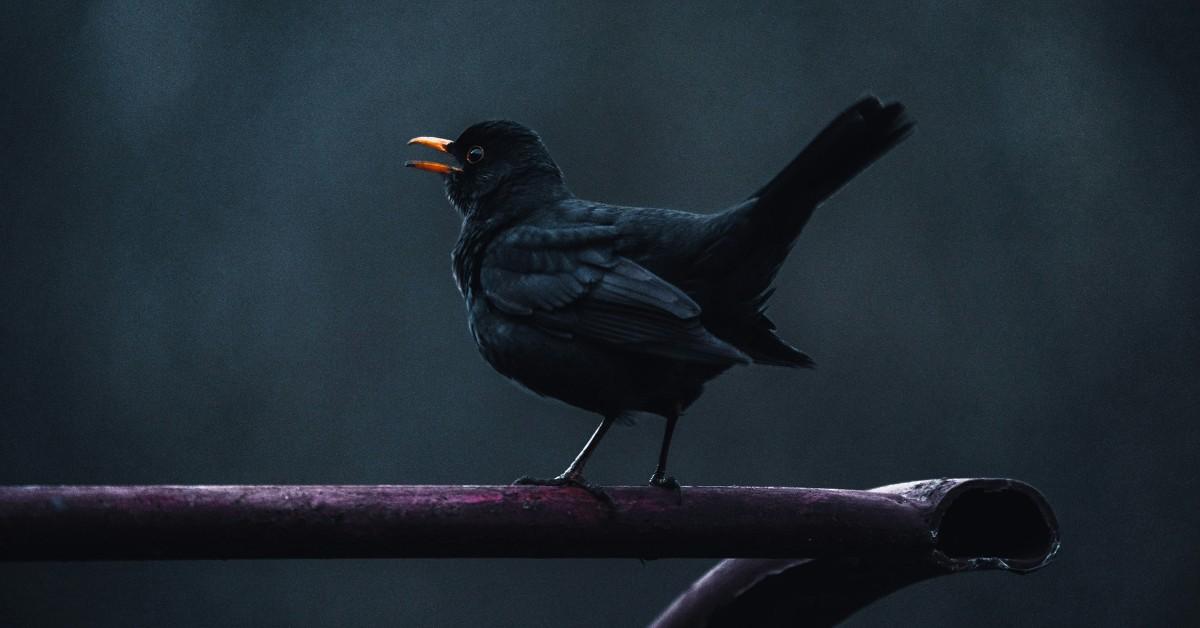
Urban lighting and light pollution can significantly impact birds, disrupting their natural rhythms and leading to increased nighttime chirping behaviors. Artificial lights in urban areas can confuse birds, affecting their ability to distinguish between day and night. This confusion can disrupt their sleep patterns and cause them to chirp during the night when they should be resting. Additionally, the constant presence of artificial lights can disorient birds, making them feel as though it is perpetually daytime, thus triggering their chirping behavior.
- Light pollution can disrupt birds’ sleep patterns, leading to increased nighttime chirping in urban areas.
- Loud noises and movements in urban environments can also disorient birds, causing them to chirp at night instead of resting.
- Disoriented birds may chirp all night as a response to the confusion caused by artificial lights and noise.
Understanding the influence of environmental factors like light pollution is crucial in managing and reducing birds’ nighttime chirping behaviors.
4. Communication With Flock

During migration, birds utilize nighttime chirping as a crucial mechanism for communicating and maintaining cohesion within their flock. Flight calls emitted by birds serve as a collaborative tool, helping them coordinate their movements and stay together during their journey. This collaborative communication ensures the safety of the flock, allowing them to navigate through unfamiliar territories with greater ease. By chirping at night, birds alert each other to potential dangers, enhancing their collective awareness and ability to respond swiftly to threats. This communication also plays a vital role in keeping the flock connected and aiding in their journey as a unified group. Through these vocal exchanges, birds establish a sense of unity and cooperation, enabling them to travel more effectively and securely during their migration. In essence, chirping at night is not merely a random act but a strategic form of communication that reinforces the bonds within the flock and promotes their collective success.
5. Response to Danger

When faced with potential threats, birds instinctively respond by chirping loudly to alert their counterparts in the surrounding area. This response to danger is a crucial aspect of their survival instinct. Here are some key points to understand how birds react when sensing predators or other threats:
- Warning Calls: Birds emit warning calls through their chirps to communicate the presence of danger to other birds in the vicinity.
- Defense Mechanism: Chirping loudly acts as a defense mechanism, deterring predators and increasing the chances of survival for the flock.
- Ultrasonic Repellers: In some cases, ultrasonic bird repellers can be used to discourage birds from excessive chirping in response to danger, helping to maintain a peaceful environment.
Understanding these responses to danger sheds light on the intricate ways in which birds communicate and protect themselves in the face of potential threats.
6. Breeding Season Behavior

Throughout the breeding season, birds chirp at night to attract mates and establish territories. Night chirping plays a crucial role in the mating behavior of birds, especially during the spring when they are actively seeking partners for breeding. Male birds utilize loud songs at night to signal their presence and fitness to potential mates. By vocalizing during the night, birds communicate their availability and readiness to breed, increasing their chances of finding suitable partners. Establishing territories through night chirping is essential for male birds to showcase their fitness and ability to provide resources for potential offspring. This behavior is driven by the natural instinct to reproduce and ensure the continuation of their species. As a result, during the breeding season, birds engage in increased vocalizations at night as they actively seek out partners and strive to secure breeding opportunities.
7. Nocturnal Feeding Calls

Some bird species utilize nocturnal feeding calls to communicate the discovery of food sources, signaling excitement and sharing information among their flock members. Nocturnal birds have evolved this behavior as a means of enhancing group feeding and survival in the darkness of night. Here’s how nocturnal feeding calls play a crucial role in the social dynamics of these birds:
- Reducing conflicts over food: Nighttime chirping helps birds reduce conflicts over food by alerting others to the presence of a new food source, promoting cooperative feeding rather than competition.
- Guiding flock members to food sources: Birds use their chirping to guide fellow flock members to food sources during nocturnal feeding, ensuring that all members benefit from the discovery.
- Facilitating social interactions: Excitement over finding food can trigger birds to chirp at night, facilitating social interactions and strengthening the bonds within the flock.
In essence, these nocturnal feeding calls are not just about food but also about fostering cooperation, communication, and unity among nocturnal bird species for their collective survival.
8. Nest Protection
Nest defense through nocturnal chirping plays a vital role in safeguarding the offspring and territory of birds from potential predators. Birds like the Northern Mockingbird use their nocturnal chirping as a warning signal to deter predators such as Barred Owls from approaching their nests. This protective behavior is essential for ensuring the safety and survival of baby birds. The loud and persistent chirping at night serves as a clear message to predators that the nesting site is occupied and defended.