
When I explore fast-growing commercial trees in India, I find numerous species that contribute significantly to the economy and environment. Notable examples include Neem, Indian Banyan, and Peepal, all recognized for their ecological benefits. Gulmohar and Amaltas are popular for their beauty and beneficial timber. Trees like Teak and Silver Oak are crucial for furniture industry, while Rubber and Acacia thrive in diverse conditions, supporting livelihoods. Each species plays a unique role in enhancing agricultural productivity and sustainability. By continuing to examine these trees, you’ll uncover more insights into their benefits and applications.
Neem

Recognizing the myriad benefits of neem, I find it fascinating how this fast-growing tree plays a crucial role in both environmental sustainability and economic development in India.
Neem’s cultivation enhances the environment by filtering air and preventing soil erosion. Its products, like neem oil and cake, combat pests while providing economic opportunities. Furthermore, its increasing demand for neem products in agriculture supports local entrepreneurship and sustainable farming practices. Additionally, neem’s ability to enhance soil health through its natural properties contributes to more productive agricultural practices.
These qualities underscore neem’s importance in promoting health, sustainability, and boosting the rural economy.
Indian Banyan

The Indian Banyan (Ficus benghalensis) stands out as a remarkable tree, much like the neem, with its unique characteristics and significant contributions to both the environment and local economies. Its vast canopy symbolizes strength and longevity in Banyan tree folklore. This tree aids in soil stabilization, supports diverse wildlife, and has medicinal uses in Ayurveda, emphasizing the importance of Banyan tree conservation and propagation efforts. Additionally, the large, spreading canopy can extend up to 100 meters in diameter, providing ample shade for both people and animals. The Indian Banyan thrives best in well-drained soil, which enhances its growth and resilience.
Peepal

Peepal trees (Ficus religiosa) are truly impressive, often towering up to 100 feet with their broad, spreading canopies that provide essential shade. Their heart-shaped leaves and unique branching pattern enhance their ecological role, offering habitat for diverse wildlife. Known for their medicinal benefits and cultural significance, Peepal trees exhibit remarkable adaptability, thriving in various soils while contributing to conservation and carbon sequestration efforts. Additionally, they are recognized as one of the most effective trees for absorbing and storing carbon dioxide, playing a significant role in combating climate change. Furthermore, planting Peepal trees can support biodiversity by creating habitats for local wildlife, thus fostering a healthier ecosystem.
Gulmohar

In the vibrant landscapes of India, Gulmohar trees (Delonix regia) stand out with their striking beauty and impressive size. I’ve found that their rapid growth—up to 5 feet annually—coupled with their lush, colorful flowers, makes them ideal for Gulmohar cultivation. Beyond aesthetics, the Gulmohar benefits include soil improvement and economic uses, such as timber and traditional medicine, enhancing both nature and livelihoods. Additionally, their role as a nitrogen-fixing plant enriches soil quality, further supporting agricultural practices in the region. Moreover, the balanced nutrition provided by their growth contributes to a healthier ecosystem, benefiting surrounding flora and fauna.
Amaltas

While exploring the beauty and utility of India’s trees, Amaltas (Cassia fistula) emerges as another remarkable species that captivates with its golden blossoms and ecological benefits. Its cultivation thrives in well-drained soil and sunny locations. The tree offers numerous amaltas benefits, including hard wood for crafting and medicinal properties. Flowering occurs in April-May and proper care ensures successful growth, making it an excellent choice for landscaping and urban areas.
Tamarind

One mightn’t realize the versatility of Tamarind (*Tamarindus indica*) until they explore its myriad applications and characteristics.
Beyond its culinary uses, tamarind benefits extend to traditional medicine and various industries. Additionally, tamarind is known for its high nutritional value, making it a valuable addition to diets around the world.
For successful tamarind cultivation, I recommend planting seeds in nutrient-rich soil, ensuring adequate sunlight, and implementing regular pruning.
This tree thrives in diverse environments, proving its resilience and economic potential.
Babool

Babool, known scientifically as Acacia nilotica, stands out as a remarkable tree species in India, notable for its resilience and multifaceted applications.
The Babool benefits include providing fodder, fuelwood, and timber, while its deep-rooting system supports drought survival. Additionally, its bark is rich in tannin used in leather tanning, making it economically important for various industries.
Babool cultivation enhances soil fertility and biodiversity, making it vital for ecological restoration and sustainable agriculture in challenging environments.
Amrood

Amrood, or guava (Psidium guajava L.), is a small semi-deciduous tropical tree that thrives in India’s diverse climates. I find guava cultivation fascinating due to its adaptability to various soils and temperatures. This tree produces nutrient-rich fruit high in vitamin C and other essential vitamins, making it a source of antioxidants. With proper care, it yields delicious fruits used in numerous culinary delights, highlighting its nutritional benefits.
Mahua
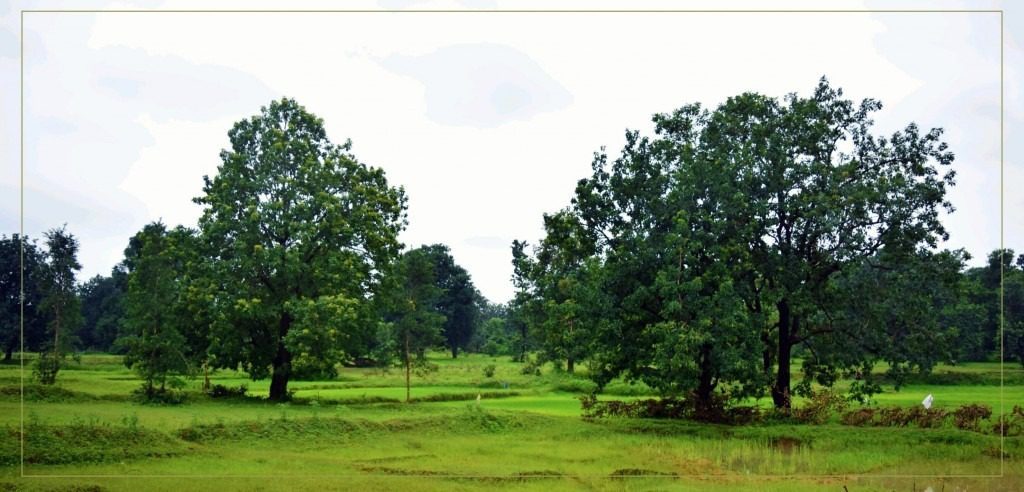
Mahua, also known as the butter tree, is an impressive tropical species that captures my interest due to its multifaceted benefits and adaptability.
With significant economic potential, mahua offers edible oil, medicinal properties, and diverse uses in local cuisine. The flowering period of mahua is from late February to the end of April, making it a vital resource during this time.
Its ecological role includes preventing soil erosion while attracting wildlife, and its cultural significance is profound among tribal communities, making mahua cultivation essential.
Nimboo
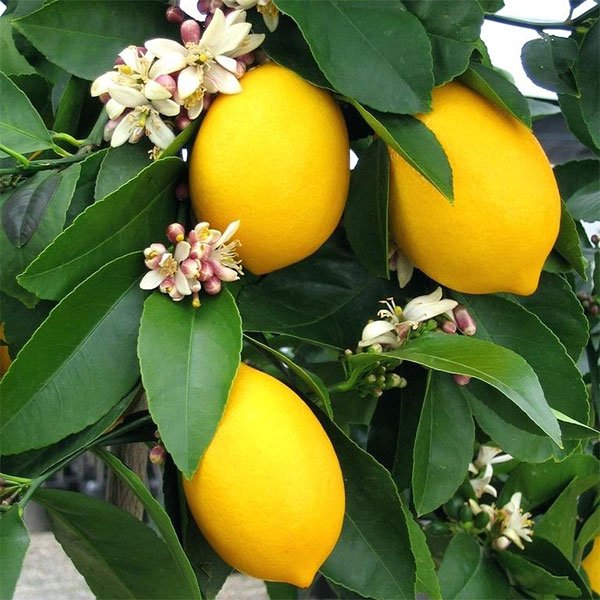
While exploring the diverse array of fast-growing commercial trees in India, I find the Nimboo tree particularly fascinating due to its remarkable adaptability and numerous benefits. Nimboo cultivation thrives in well-draining soil, requiring ample sunlight and regular watering. The tree’s continuous fruit production, unlike many other lemon varieties, air pollution reduction, and health benefits make it valuable, while its aesthetic appeal enhances gardens and landscapes beautifully.
Sagwan Tree

One tree that stands out in the realm of fast-growing commercial species in India is the Sagwan tree, known for its impressive height and valuable timber.
The sagwan benefits include durable, water-resistant wood ideal for furniture and construction.
For successful sagwan cultivation, it’s crucial to provide well-drained, fertile soil and full sun, ensuring young trees receive adequate water during dry spells.
Poplar Trees
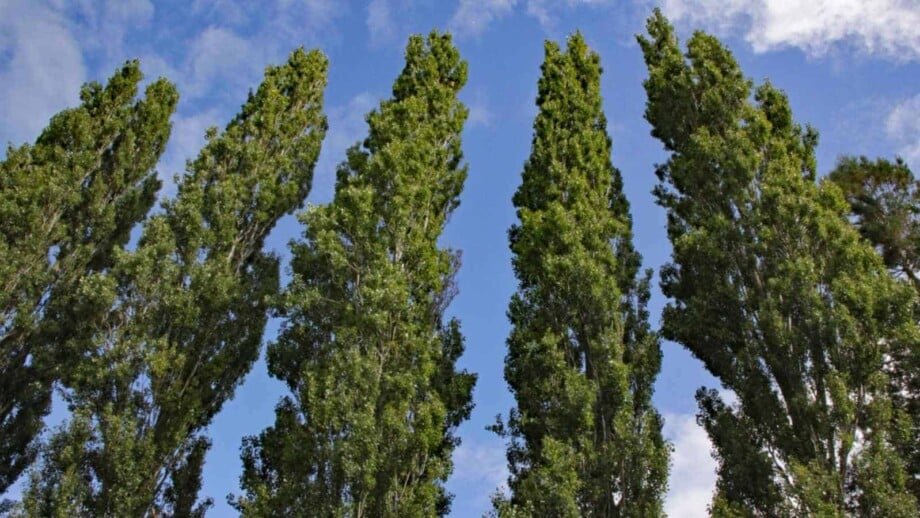
Poplar trees stand out as a vital component of India’s fast-growing commercial forestry sector, flourishing under specific environmental conditions. They thrive in temperatures from 5°C to 45°C and prefer fertile loamy soils.
For effective poplar propagation, I use stem cuttings, especially mini nodal types. With proper poplar cultivation techniques, farmers can profit significantly, making these trees essential for rural livelihoods and sustainable practices.
Eucalyptus Trees
Eucalyptus trees have become a cornerstone of commercial forestry in India, prized for their rapid growth and economic potential. Their exceptional growth rates, coupled with excellent soil adaptability, make eucalyptus cultivation economically viable.
However, I must consider the ecological impact, such as water requirements and genetic diversity concerns. Effective pest management and sustainable harvesting techniques are crucial to meet the rising market demand responsibly.
Melia Dubia Trees
Melia dubia trees represent a significant alternative in the realm of commercial forestry, particularly in India, where their rapid growth and versatility have gained attention.
The Melia dubia benefits include lightweight, durable wood that’s resistant to pests, making it ideal for furniture and construction.
With applications in plywood and veneer, these trees offer profitable returns in plantations, thriving across diverse environments.
Teak Trees
Teak trees, often regarded as one of the most valuable hardwood species, thrive exceptionally well in the tropical climates of India.
Their teak cultivation requires loamy soil and a dry tropical climate, ideally in regions like Madhya Pradesh and Kerala.
The durable teak wood, with its rich color and insect-resistant properties, is perfect for furniture and flooring, contributing significantly to the economy.
Silver Oak
When it comes to fast-growing commercial trees in India, Silver Oak stands out for its impressive height and rapid growth rate.
Its cultivation is beneficial economically, providing timber for furniture and construction.
Additionally, Silver Oak benefits the ecosystem by preventing soil erosion and enhancing fertility.
With a life span of up to 40 years, it’s a sustainable choice for agroforestry systems.
Rubber Tree
Rubber trees, or Hevea brasiliensis, are remarkable for their rapid growth and economic significance, making them a vital component of India’s agricultural landscape.
With a lifespan exceeding 100 years and optimal growth in humid tropical climates, rubber cultivation has a substantial economic impact.
India ranks fourth globally in natural rubber production, primarily from Kerala, supporting various industries and providing rural employment.
Acacia Tree
Following the impressive growth and economic value of rubber trees, I want to highlight another significant species in India’s commercial forestry: the Acacia tree.
Acacia plantations, particularly *A. auriculiformis* and *A. nilotica*, offer numerous Acacia benefits, such as fuelwood, timber, and gum production.
Their adaptability to diverse environments makes them ideal for reforestation and agroforestry systems, enhancing soil fertility and supporting local economies.