
Florida boasts 19 varied palm trees, enhancing both its ecology and aesthetics. The Cabbage Palm stands resilient, thriving in diverse conditions, while the Dwarf Palmetto is a slow grower that attracts pollinators. I admire the majestic Royal Palm for its beauty and wildlife support. The opulent Queen Palm adds elegance to any landscape, and the drought-tolerant Windmill Palm impresses with its unique form. Fast growers like the Mexican Fan Palm and striking Bismarck Palm cater to your landscaping needs. Discover more about these remarkable species that thrive in Florida’s unique climate, enriching both gardens and natural habitats.
Cabbage Palm

The resilience of the cabbage palm, or Sabal palmetto, is a testament to its adaptability and significance in Florida’s landscape. For optimal cabbage palm care, ensure it receives well-drained soil and is tolerant of various conditions. Its edible immature leaves are extensive, perfect for coastal landscaping, street plantings, and buffer strips, while also supporting local wildlife with its fragrant flowers and nutritious fruits. Additionally, incorporating organic matter into the soil can improve nutrient retention and overall tree health.
Dwarf Palmetto

Thriving in a variety of environments, the dwarf palmetto (Sabal minor) is a versatile palm that captures attention with its unique charm. I appreciate its slow growth and adaptability, making dwarf palmetto cultivation easy in diverse landscapes. The benefits include its tropical aesthetic, salt and drought tolerance, and appeal to pollinators, enriching gardens while requiring minimal care. Additionally, its fragrant flowers appear in summer, attracting beneficial pollinators to the garden. The dwarf palmetto can also be utilized in remembrance gardens to create a peaceful and reflective atmosphere.
Scrub Palmetto
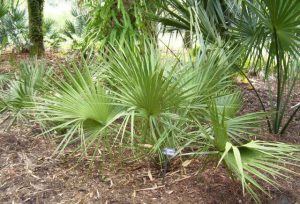
While the dwarf palmetto showcases a unique charm in various landscapes, the scrub palmetto (Sabal etonia) offers its own distinctive qualities, particularly suited for Florida’s diverse ecosystems. I recommend using direct planting techniques with seeds for better survival rates. This palm thrives in well-drained soils and provides vital wildlife benefits, attracting butterflies and bees with its flowers while producing edible fruit for local fauna. Additionally, the scrub palmetto is an important component of Florida’s ecosystem, contributing to the overall health of the environment. Its nectar-rich blossoms not only support local pollinators but also enhance biodiversity in the area.
Royal Palm

Growing majestically in Florida’s landscapes, the royal palm (Roystonea regia) is a stunning example of tropical elegance.
For optimal royal palm care, ensure it’s watered regularly and fertilized annually. These palms thrive in well-drained soil and provide significant ecological benefits, offering habitat for wildlife. Additionally, incorporating organic sources of nitrogen into the soil can enhance their growth and overall vitality.
Culturally, they symbolize beauty and are cherished in Caribbean traditions, underscoring their royal palm significance.
Cayman Thatch Palm
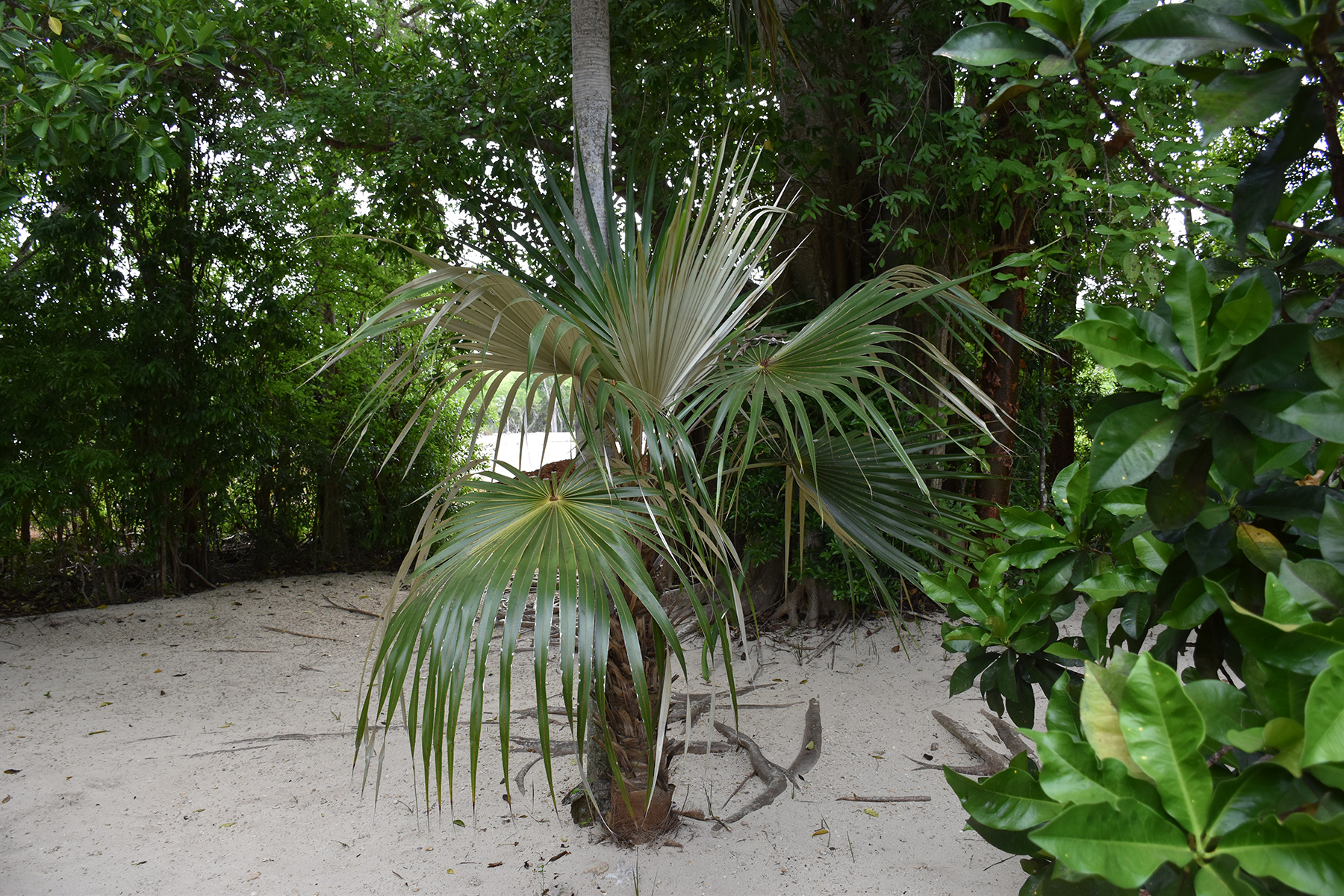
The Cayman thatch palm (Coccothrinax barbadensis) captivates with its slender, clustered trunks and large, deeply lobed leaves that boast a vibrant green hue.
Thriving in its native Cayman habitat, this palm offers numerous benefits, including salt tolerance, making it ideal for coastal landscaping.
It grows slowly, reaching heights of 20-30 feet, and enhances outdoor spaces with its striking appearance and resilience.
Silver Palm
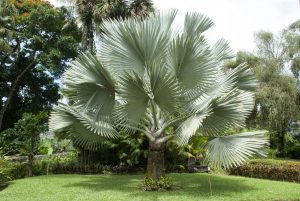
After exploring the Cayman thatch palm, it’s intriguing to consider the Silver Palm (_Coccothrinax argenta_), another remarkable species native to Southern Florida.
Its silvery-gray leaves enhance landscape design while providing vital wildlife habitat.
With slow to moderate growth, it thrives in well-drained soils and tolerates cold down to 25°F.
Maintenance tips include minimal pruning and occasional fertilization for optimal health.
Coconut Palm

While considering iconic tropical plants, the Coconut Palm (_Cocos nucifera_) stands out for its impressive stature and versatility.
Reaching heights of up to 100 feet, this palm thrives in sandy soils along coastal areas.
In addition to its culinary uses, coconut cultivation promotes coconut health through its nutrient-rich water.
Regular maintenance, including watering and pruning, ensures its continued growth and productivity.
Canary Island Date Palm
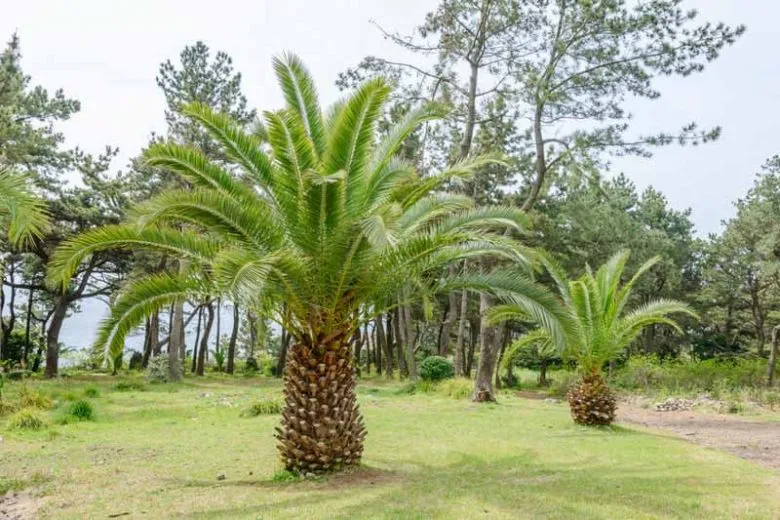
When considering the diverse array of palm species in Florida, the Canary Island Date Palm (_Phoenix canariensis_) captures attention with its majestic presence and unique characteristics.
This stately palm can reach heights of 60 feet, showcasing a crown of feathery, pale green leaves. It thrives in full sun and well-drained soil, making it a popular choice for landscaping and public spaces.
Bismarck Palm

The Bismarck Palm (_Bismarckia nobilis_) stands out in Florida’s diverse palm landscape with its striking silvery-blue leaves and robust stature.
Growing up to 60 feet tall, it thrives in full sun and well-drained soil, boasting moderate to high drought tolerance.
Its symmetrical crown enhances landscape design, while its shade and wind resistance make it a valuable addition to any outdoor space.
Mexican Palm Tree

Often admired for its towering height and distinctive fan-shaped fronds, the Mexican Fan Palm (_Washingtonia robusta_) serves as a striking presence in Florida landscapes.
With a fast growth rate and preference for well-drained, fertile soil, it thrives in full sun.
Maintenance includes regular watering and pruning.
Be mindful of pests like palm weevils to ensure its health and ornamental value.
Sylvester Date Palm
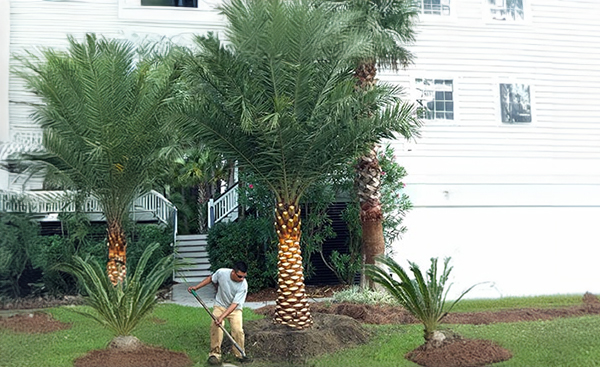
Elegance defines the Sylvester Date Palm (_Phoenix sylvestris_), a majestic species native to India and Southeast Asia that has found a thriving home in Florida.
For optimal sylvester date palm care, ensure it gets full sun and well-drained soil. The benefits are numerous; it enhances landscapes, provides shade, attracts wildlife, and requires low maintenance.
Regular pruning and moderate watering promote its health and beauty.
Florida Thatch Palm

Florida Thatch Palm (_Thrinax radiata_) stands out among the diverse flora of Florida due to its slender grey trunk and striking dark green fan leaves that can reach up to three feet in length. This palm thrives in USDA Zones 10a to 11, offering drought tolerance and shade benefits. Its wildlife habitat supports birds and insects, making it ideal for landscape design with minimal palm care. Additionally, the Florida Thatch Palm is known for its effective soil stabilization, which helps prevent erosion in coastal areas.
Pindo Palm
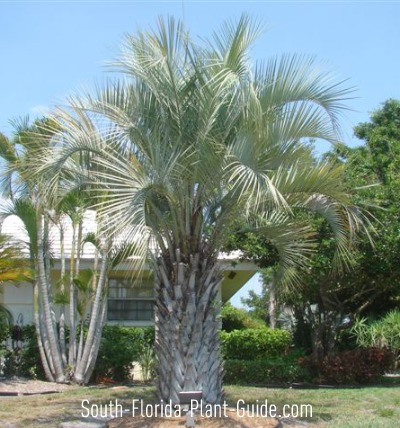
The Pindo Palm (_Butia capitata_) captures attention with its stunning silvery blue to light green fronds that gracefully arch downward. Among its pindo palm benefits are its edible berries and aesthetic appeal in landscaping. For optimal pindo palm care, ensure well-draining soil, minimal irrigation, and seasonal fertilization. Minimal care is required to maintain its health, making it an excellent choice for many gardeners. Prune dead fronds, and protect the trunk during extreme cold for a thriving palm.
Needle Palm
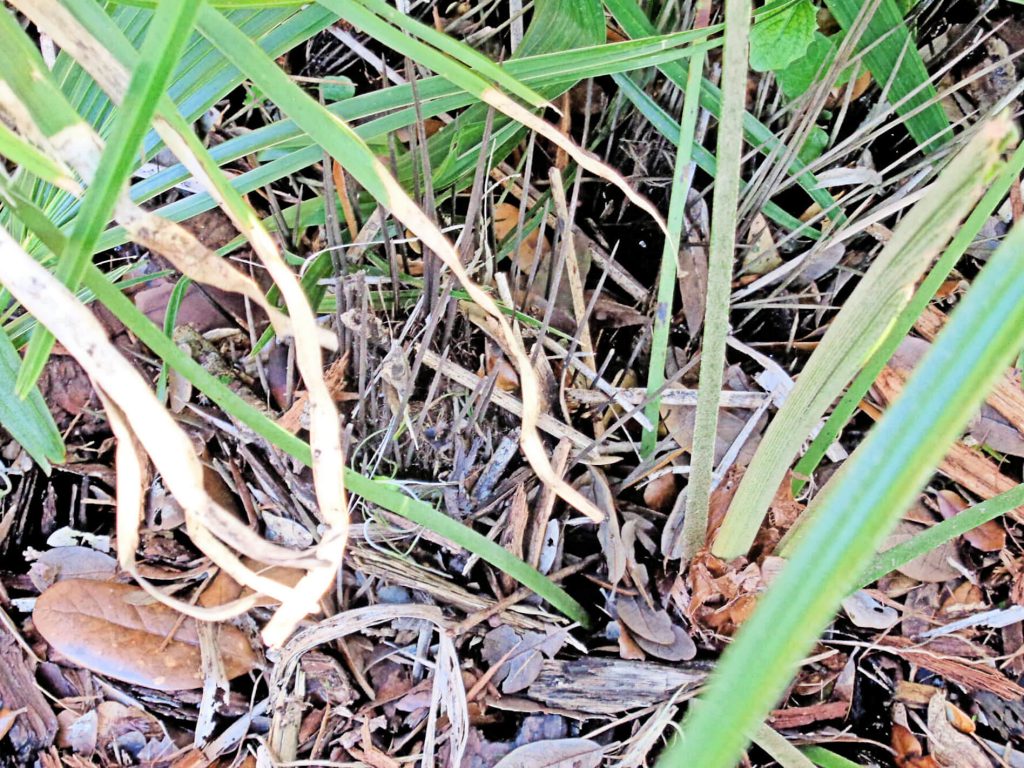
Admiring the Needle Palm (_Rhapis humilis_) reveals its unique charm as a slow-growing, shrubby palm that thrives in diverse environments. This hardy plant flourishes in needle palm habitats ranging from partial shade to well-draining soils. Additionally, it is important to note that the Needle Palm is considered endangered in the wild, highlighting the importance of cultivation for its preservation. For optimal needle palm care, I recommend regular watering until established and using a palm-specific fertilizer twice yearly to ensure vibrant growth and resilience.
Saw Palmetto
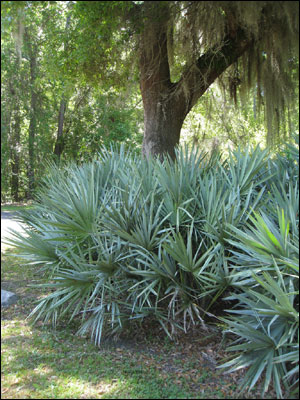
Growing across various landscapes, the Saw Palmetto (_Serenoa repens_) stands out as a resilient and adaptable palm native to the Southeastern United States. This slow-growing, multi-trunked palm thrives in sandy soils and offers significant ecological benefits, serving as a food source for wildlife. Berries serve as food for mammals and birds, making it an important contributor to local biodiversity. With proper Saw Palmetto cultivation, including sunlight and moderate watering, it can enhance gardens while providing essential habitat.
Windmill Palm
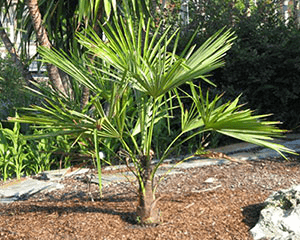
Windmill Palm (_Trachycarpus fortunei_) captures attention with its unique appearance and adaptability, making it a popular choice for Florida landscapes. For effective windmill palm care, I ensure it gets regular watering and occasional fertilization. Its uses include providing shade and enhancing aesthetics. This palm thrives in various soils, tolerates drought, and withstands cold, making it a resilient landscape choice. Additionally, it is hardy in zones 8A–11, which allows it to flourish in a variety of climates.
Queen Palm
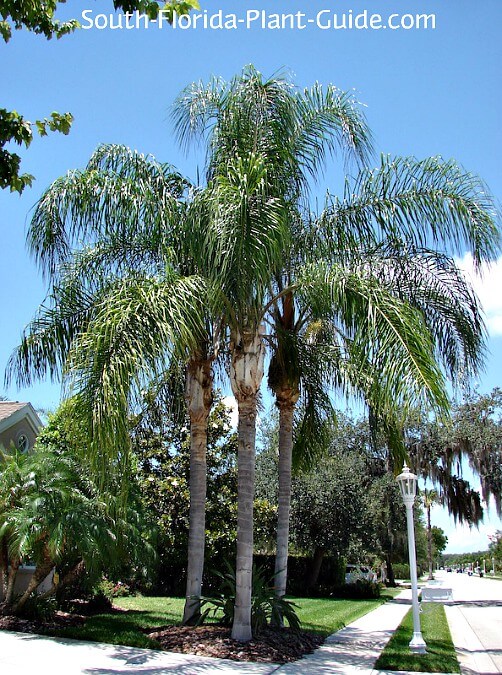
The Queen Palm (_Syagrus romanzoffiana_) stands out in Florida’s landscapes with its elegant stature and lush foliage. Its smooth gray trunk and long, glossy fronds enhance landscape design beautifully. To thrive, it needs full sun, ample moisture, and regular fertilization. Moderately cold hardy, it can also tolerate the climate conditions typical of Florida, making it a resilient choice for many homeowners. Keep in mind maintenance tips, like pruning dead fronds and ensuring well-drained, acidic soil, to keep this palm looking its best.
Foxtail Palm

Embracing the beauty of the Foxtail Palm (_Wodyetia bifurcata_) can transform any Florida landscape with its striking appearance and adaptability. For effective foxtail palm care, ensure well-draining soil and regular watering. These palms thrive in full sun or partial shade. Additionally, they are moderately drought-tolerant once established, making them a resilient choice for Florida gardens. In foxtail palm landscaping, plant them at least 8 feet from structures to accommodate their expansive fronds and enhance visual appeal.
Chamaedorea Palm
After exploring the captivating Foxtail Palm, it’s time to turn our attention to the Chamaedorea Palm, a versatile and elegant choice for both indoor and outdoor settings in Florida.
With various Chamaedorea varieties, proper care involves maintaining humidity and filtered light.
These palms, known for their stunning aesthetics, require attention to pests and thoughtful propagation for optimal growth and maintenance.