

If you’re seeking fast-growing trees for shade, I recommend considering the Red Maple, which can grow up to 2 feet annually, and the Silver Maple, the fastest, achieving 3 to 7 feet each year. The Empress Tree stands out with a staggering growth rate of up to 15 feet. Meanwhile, the Tulip Poplar and Weeping Willow both thrive in moist soils and boast significant heights. Nuttall Oak and Japanese Zelkova also adapt well to urban settings. All of these options provide excellent shade in a short time, and more insights await you on tree selection and care.
Red Maple
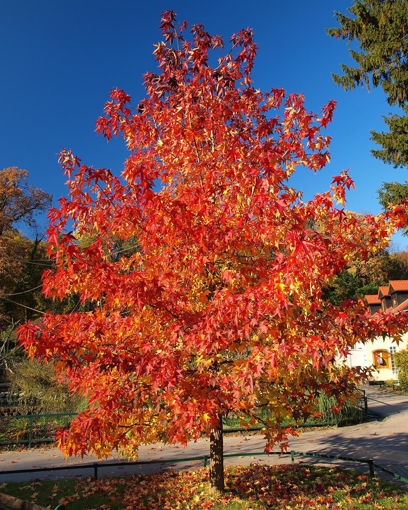
When considering fast-growing trees for shade, the red maple stands out due to its impressive growth characteristics and adaptability. With growth rates of up to 2 feet annually, it’s perfect for urban environments. Red maple benefits include its tolerance to poor soil and pollution. For optimal red maple care, ensure it receives adequate light and moisture to thrive in various habitats. Additionally, this species is known for its ecological importance as it attracts pollinators like native bees and honey bees, contributing to local biodiversity. Furthermore, it can thrive in well-draining soil, which is essential for its root health and overall growth.
Tulip Poplar

The tulip poplar, known for its rapid growth and striking appearance, is an excellent choice for those seeking a fast-growing shade tree. With a growth rate of 2-3 feet per year, its tulip poplar benefits include a majestic height and attractive foliage. For optimal tulip poplar care, ensure it receives full sun and adequate moisture, promoting its vigorous growth and beautiful blooms. This tree thrives in mesic forests, making it well-suited for areas with deep, moist soils. Additionally, planting in well-draining soil ensures that the roots develop properly, which is crucial for the tree’s long-term health and growth.
Weeping Willow

With its elegant, arching branches, the weeping willow stands out as a fast-growing option for those looking to enhance their landscape with a beautiful shade tree. This tree can grow 3 to 4 feet annually, thriving in moist soils. For optimal weeping willow care, regular pruning is essential to manage its weak wood. Additionally, ensuring proper soil aeration can significantly enhance the health of the tree’s root system. The benefits include attracting butterflies and controlling erosion effectively, making it an excellent choice for supporting specialized bee species.
Nuttall Oak

In just a few years, the Nuttall Oak can transform your landscape into a vibrant habitat, providing ample shade and support for local wildlife. Growing 2-4 feet annually, it boasts deep lobed leaves and reddish-brown acorns that offer significant acorn benefits to squirrels, ducks, and deer. This tree thrives in various soils and is drought-tolerant once established, making it an excellent choice for your yard. Additionally, the Nuttall Oak is recognized for its large size and shade-providing attributes, which further enhances its appeal in any landscape. Maintaining optimal soil pH can greatly benefit the growth and overall health of the Nuttall Oak.
Japanese Zelkova

While the Nuttall Oak offers a robust habitat for wildlife, the Japanese Zelkova stands out as an attractive and versatile option for shade in urban landscapes.
With its drought tolerance and varying cultivars, such as ‘Green Vase’, it adapts well to different environments. Large deciduous tree provides ample shade and enhances the aesthetic value of any garden.
I appreciate its rapid growth, resistance to pests, and striking fall colors, making it a great choice for any garden.
Northern Catalpa
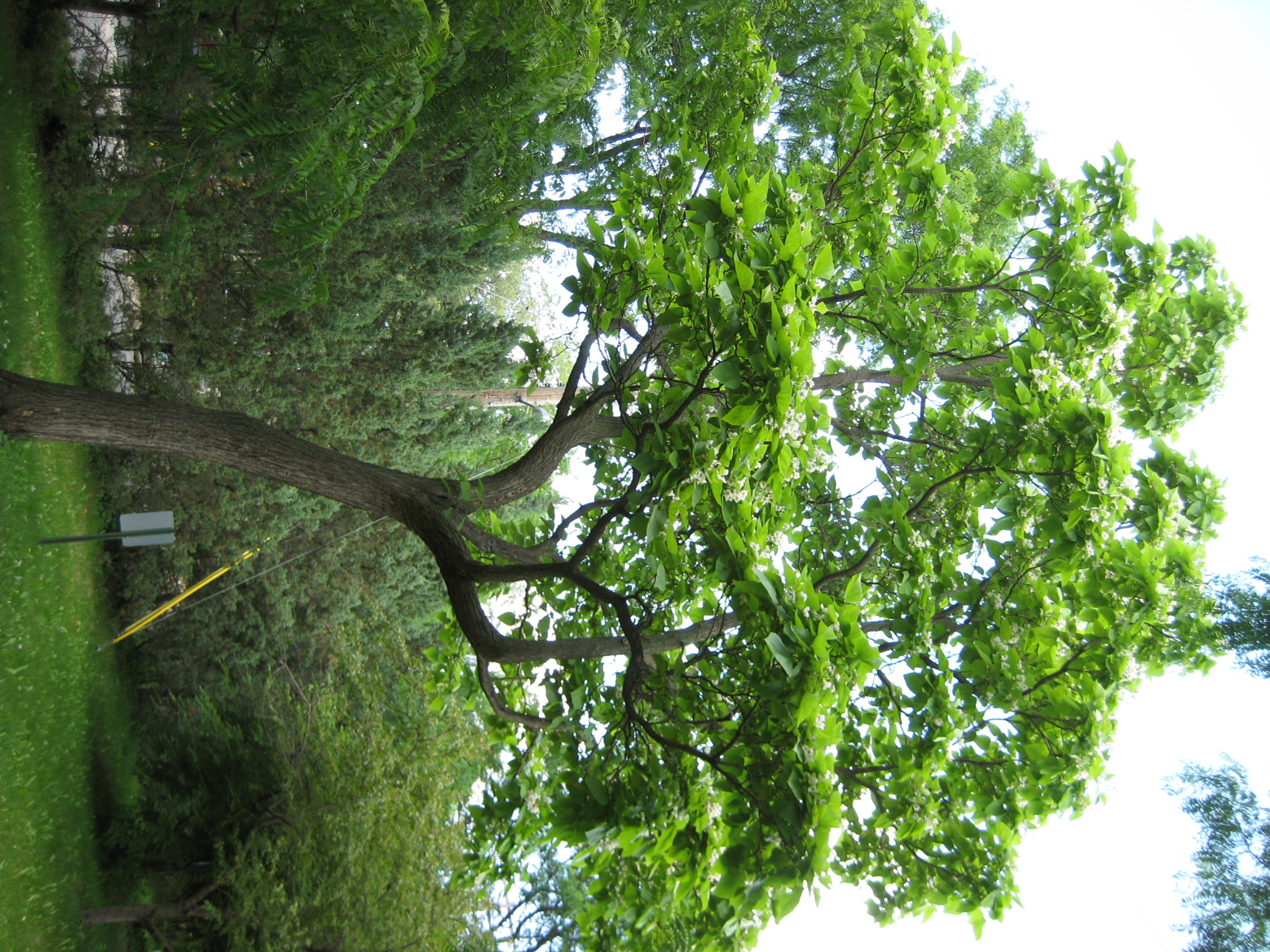
The captivating beauty of the Northern Catalpa makes it an excellent choice for providing shade in both residential and urban settings.
Growing 40-70 feet tall, it thrives in various soils and prefers full sun. The Northern Catalpa is also known for its moderate tolerance to road salt, making it suitable for urban environments.
Effective catalpa care includes regular pruning to manage size and mitigate issues from catalpa pests like verticillium wilt.
Its striking flowers attract pollinators, enhancing your landscape’s ecological value.
Eastern White Pine
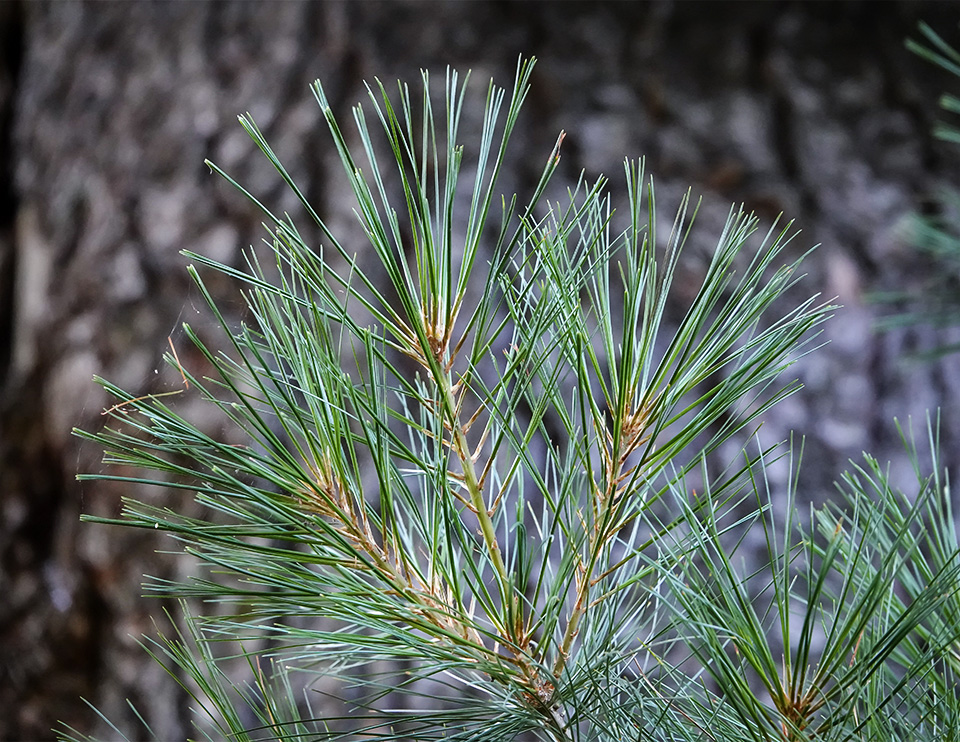
Eastern White Pine, known for its impressive growth rate, can add significant height to your landscape, reaching up to 100 feet or more. To ensure optimal Pine health, provide well-drained, acidic soil and full sun. Regular maintenance includes monitoring for pests like the White Pine Weevil. Additionally, the tree is considered a signature tree of the Adirondack Mountains, showcasing its ecological importance. Its broad crown offers excellent shade benefits, enhancing any landscape design beautifully.
Green Giant Arborvitae

If you’re looking for a fast-growing tree that provides excellent shade, consider the Green Giant Arborvitae.
It can grow 3 to 5 feet annually, reaching heights of 30 to 60 feet. Its pyramidal shape enhances landscape design, while minimal tree maintenance is needed due to its uniform growth. Good drought resistance once established makes it a resilient choice for various climates.
Ensure well-drained soil and full sun to maximize its impressive growth potential.
Dawn Redwood

While many mightn’t realize it, the Dawn Redwood is an excellent choice for those seeking a fast-growing shade tree. This tree boasts a growth rate of 3-5 feet annually, with minimal care required. Its adaptability to various soils and urban conditions provides significant dawn redwood benefits. To ensure healthy growth, prioritize full sun exposure and maintain moist, well-drained soil for best results. Additionally, this tree is a large, conical-shaped tree that can reach heights of 70 to 100 feet.
Sun Valley Maple

When considering fast-growing shade trees, the Sun Valley Maple stands out for its impressive growth rate and aesthetic appeal. This tree showcases sun valley characteristics like vibrant green foliage in summer and stunning fall colors. For optimal sun valley care, ensure moist, well-drained soil and minimal pruning. With its dense canopy, it provides excellent shade while being adaptable to various environmental conditions, making it a great choice for planting in city parks.
River Birch
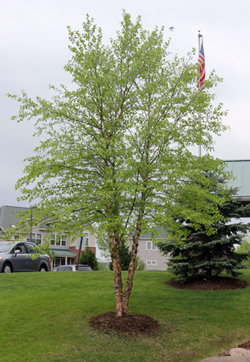
The River Birch offers a striking alternative to the Sun Valley Maple for those seeking a fast-growing shade tree.
Growing 1 ½ to 2 feet annually, it reaches heights of 30 to 60 feet.
With proper river birch care, like ensuring moist, well-drained soil, you’ll enjoy river birch benefits, such as erosion control and resistance to pests, while enhancing your landscape’s beauty.
Silver Maple
Silver Maple is one of the fastest-growing shade trees available, capable of adding an impressive 3 to 7 feet in height each year under optimal conditions.
The silver maple benefits include rapid growth and wildlife attraction.
However, its drawbacks are significant; weak wood makes it vulnerable to damage, and vigorous roots can disrupt nearby structures, requiring careful placement and maintenance.
Empress Tree
While Silver Maple is known for its rapid growth, the Empress Tree takes this to an entirely new level, boasting an astonishing growth rate of up to 15 feet each year.
The empress tree benefits include exceptional carbon absorption and minimal maintenance, making it ideal for cultivation.
With its dense canopy, this tree quickly provides shade while being resilient in diverse conditions.
Black Locust
Black Locust stands out as a fast-growing tree that can reach heights of 60-80 feet with a spread of 25-30 feet.
Its rapid height growth thrives in full sun and well-draining soil. The tree adapts to various soil types and exhibits urban tolerance and pollution resistance.
Notably, it reproduces through root suckering, forming interconnected groves, while its bark features deep furrows.
Leyland Cypress
After exploring the Black Locust, let’s consider another impressive species for quick shade: the Leyland Cypress.
This fast-growing tree can reach heights of 50-70 feet, growing 3-4 feet annually.
For optimal Leyland Cypress maintenance, ensure well-draining soil and regular pruning.
Be mindful of Leyland Cypress diseases, like Seiridium Canker, especially in heavily pruned areas.
Proper care promotes healthy growth and structure.
Fastigiate Sweetgum
The Fastigiate Sweetgum stands out as an excellent choice for those seeking a quick-growing tree that offers both height and an elegant, narrow profile.
With its columnar growth, it can reach up to 60′ tall while spreading only 8′.
It’s moderately drought tolerant, but I’ve found it thrives best in moist, well-drained soils, showcasing vibrant fall colors that enhance any landscape.
Hybrid Poplar
If you’re looking for a tree that offers rapid growth and versatility, the Hybrid Poplar might be the perfect fit.
It can grow 5-8 feet per year, reaching heights of 40-90 feet.
Hybrid Poplar benefits include providing shade, privacy, and wildlife habitats.
For successful hybrid poplar planting, choose spring or fall, place them 10 feet apart, and ensure proper watering.
Red Oak
During its early years, the Red Oak establishes itself as a fast-growing tree, typically adding 1-2 feet in height annually.
It thrives in acidic, well-drained soils, providing significant red oak benefits, like supporting wildlife with its acorns.
However, proper red oak maintenance is essential to prevent issues like oak wilt, ensuring its longevity and continued growth for shade and aesthetic appeal.
Quaking Aspen
Following the impressive growth of the Red Oak, the Quaking Aspen (*Populus tremuloides*) stands out as another remarkable option for shade.
Its fast growth, reaching up to 80 feet, makes it ideal for quick coverage. Through aspen propagation, this tree enhances ecosystems, supporting over 500 species.
Additionally, its ability to thrive in varied soils provides significant environmental benefits, making it a valuable addition to any landscape.