
As I strolled through my healing garden, the vibrant colors and delicate fragrances of each flower whispered tales of ancient remedies and natural healing. From the robust Echinacea to the calming Chamomile, each bloom held its own unique power waiting to be unleashed. The synergy of these 17 medicinal flowers not only adds allure to the garden but also serves as a testament to the potent healing properties nature has to offer. One can only wonder what other secrets lie within these blossoms, waiting to be unraveled…
Echinacea

Echinacea, also known as coneflower, is a powerhouse medicinal flower for your healing garden. Its potent medicinal properties can help boost the immune system, reducing the risk of colds by 35%.
This vibrant plant not only adds beauty to your garden with its cone-shaped flowers but also attracts beneficial pollinators, supporting biodiversity and ecosystem health.
Harvesting both the roots and aerial parts allows you to make infusions and tinctures, utilizing Echinacea’s antioxidant-rich components that combat infections and reduce inflammation.
To thrive, plant Echinacea in well-drained soil and full sun, ensuring successful seed germination with cold-stratification.
Including Echinacea in your garden not only enhances its visual appeal but also provides a natural and effective way to support your immune system.
Lavender
:max_bytes(150000):strip_icc():format(webp)/lavender-farm-50_preview-2000-75d20bf456d745bd9f8a6542683c2943.jpg)
With its soothing aroma and versatile uses, lavender is a must-have addition to any healing garden.
Lavender, known for its medicinal properties, isn’t only great for relaxation and improving sleep quality but also offers benefits for the skin. This fragrant herb can be used to treat minor cuts and burns due to its antiseptic qualities.
Incorporating lavender into your garden can provide you with a natural remedy for skin issues and create a calming atmosphere. Consider growing varieties like Hidcote or Munstead for their strong scent and ease of cultivation.
Additionally, brewing lavender tea from the flowers can aid in soothing digestive problems and enhancing overall wellness.
Embrace the healing powers of lavender in your garden for both mind and body benefits.
Marshmallow

Incorporating marshmallow, also known as Althaea officinalis, into your healing garden can provide a range of medicinal benefits. This plant, with its soothing mucilage content, is a valuable addition for treating various health issues.
Here are some key points to consider:
- Soothes Irritated Throats: Marshmallow is great for alleviating throat irritation and coughs.
- Promotes Digestive Health: It has been historically used for digestive problems like gastritis and IBS.
- Supports Urinary and Respiratory Systems: Beneficial for conditions such as cystitis and persistent coughs.
- Versatile Remedies: Marshmallow can be consumed in teas or tinctures, offering flexibility in herbal treatments.
Adding marshmallow to your healing garden can provide a natural remedy for various ailments.
Goldenrod

If you’re looking to expand your healing garden with a versatile and beneficial herb, consider adding Goldenrod.
Goldenrod’s bright yellow flowers have been used in herbal medicine to treat urinary infections like nephritis and cystitis. This plant contains saponins that combat fungal overgrowth, making it ideal for maintaining urinary health.
Additionally, infusions made from goldenrod can soothe sore throats and ease congestion due to its anti-inflammatory properties.
Historically, goldenrod has been a go-to natural remedy for allergies, particularly hay fever, offering relief from respiratory symptoms.
By planting native flowers like goldenrod, you also support local bee populations which are vital for the ecosystem.
Harvesting the flowers and leaves to make teas or tinctures provides a natural option to support overall health during cold and flu seasons.
Add this powerhouse herb to your garden for a dose of herbal goodness!
Calendula

When considering the versatility and benefits of herbs to cultivate in your healing garden, Calendula stands out as a must-have addition.
The vibrant orange and yellow flowers of Calendula aren’t only beautiful but also packed with medicinal properties.
Here are some key points to highlight the benefits of this remarkable herb:
- Calendula flowers are used to treat skin conditions such as sunburns, rashes, and minor wounds.
- The flowers can be harvested and dried for teas, tinctures, and topical preparations.
- Calendula is easy to grow and self-sows annually, ensuring a fresh supply of flowers.
- Rich in antioxidants, Calendula supports skin health and promotes healing naturally.
Rosehip

For those seeking a natural boost to their immune system and skincare routine, Rosehip is a powerhouse worth considering. This fruit of the rose plant is packed with vitamins, especially vitamin C, which is essential for immune function and skin health.
Historically used as a supplement during WWII and popular in Europe for making jams and teas, rosehip is a versatile plant. Dried rosehip can be brewed into a tea that may help with cold and flu symptoms.
Its antioxidant-rich content makes it great for improving skin elasticity and reducing wrinkles. The essential fatty acids in rosehip seeds are believed to aid in healing and reducing inflammation.
Incorporating rosehip into your routine can be beneficial for both your health and skincare needs.
Yarrow
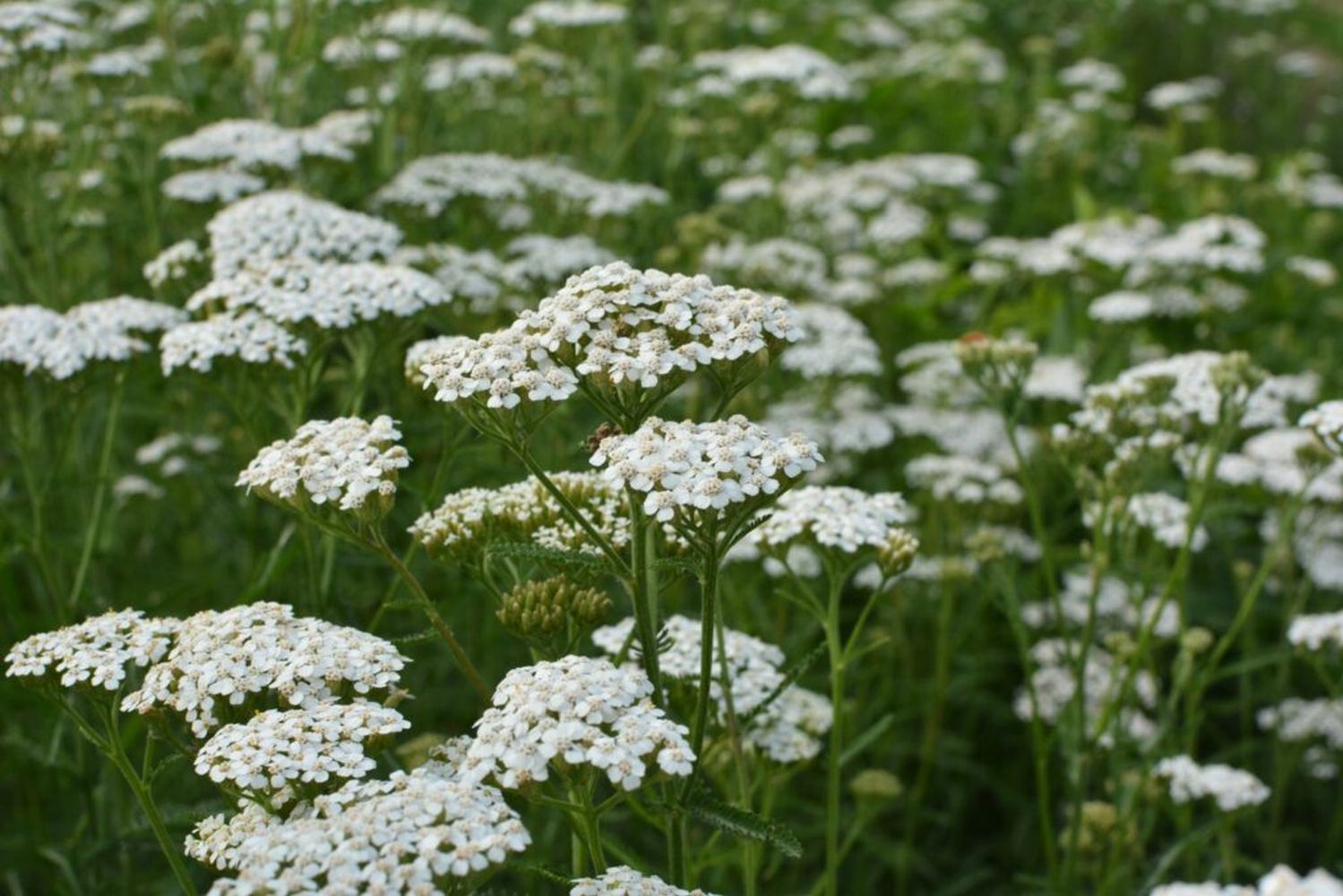
Yarrow’s versatility as a medicinal flower is truly remarkable. This plant, historically known as “herba militaris,” has been used for centuries to heal wounds and aid in various health issues.
Here are some key points about yarrow:
- Yarrow contains anti-inflammatory properties, making it beneficial for reducing heavy menstrual bleeding and soothing digestive problems.
- It’s commonly included in herbal remedies alongside peppermint and elderflower to boost the immune system, especially during cold seasons.
- Cultivating yarrow in your garden not only provides medicinal benefits but also attracts beneficial pollinators, enriching biodiversity.
- Harvest yarrow leaves to create teas or tinctures that can help with headaches, skin irritations, and other ailments.
Aloe Vera
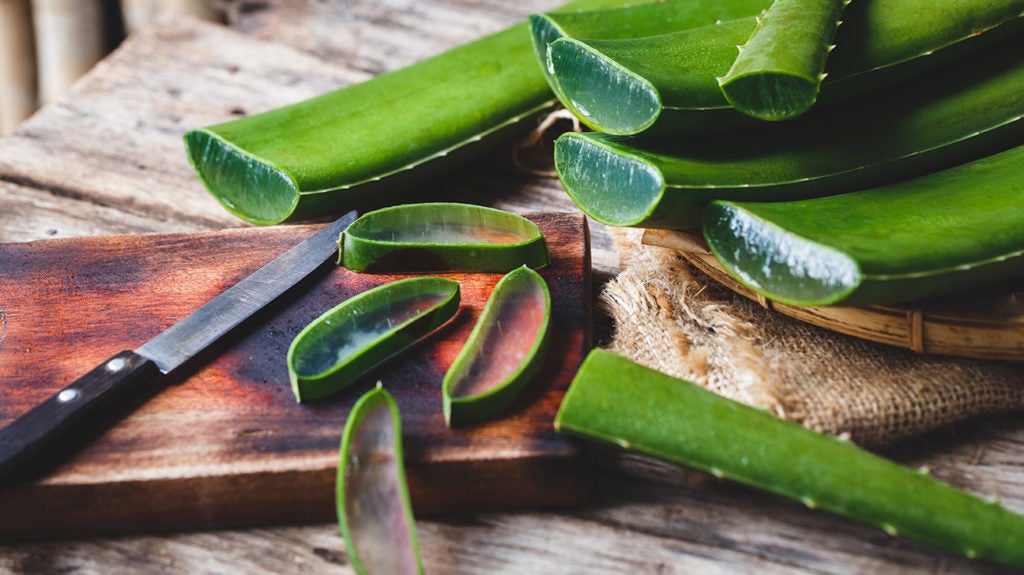
With its soothing gel and numerous medicinal properties, Aloe Vera stands out as a versatile plant that offers a range of benefits for both skincare and digestive health.
Aloe Vera is widely used for its skin hydration and moisturization properties, making it effective for soothing sunburn and eczema. The gel, easily harvested from the leaves, can be stored in the fridge for up to a week for topical use. Its anti-inflammatory properties help reduce skin irritation and redness.
Besides skincare, Aloe Vera can be consumed as a natural laxative, promoting digestive health.
Growing this plant at home is convenient, requiring minimal care while thriving in well-drained soil with plenty of sunlight.
Experience the healing properties of Aloe Vera in your garden today.
Garlic

Amidst the array of medicinal flowers for a healing garden, Garlic emerges as a powerhouse of health benefits. Garlic, scientifically known as Allium sativum, isn’t only a flavorful addition to dishes but also a potent healer.
Here are some key reasons why garlic is a must-have in your healing garden:
- Antimicrobial Properties: Garlic’s ability to combat bacterial and fungal infections makes it a natural antibiotic.
- Lower Blood Pressure: Regular consumption of garlic can help in reducing high blood pressure and improving cholesterol levels.
- Antioxidant Benefits: The active compound allicin in garlic provides antioxidant benefits, potentially reducing the risk of certain cancers.
- Versatile Usage: Whether raw or cooked, garlic offers valuable health benefits, with raw garlic packing a more powerful punch due to higher allicin levels.
Sage

Sage, with its rich history of medicinal and culinary uses, stands out as a versatile herb that offers a myriad of health benefits. This beautiful flowering plant not only adds charm to your garden but also serves as a natural remedy for various ailments.
Its antimicrobial properties make it a go-to for soothing sore throats and mouth ulcers. Additionally, sage has been long revered for its ability to aid in digestive health by alleviating bloating and indigestion.
Packed with potent antioxidants, this herb contributes to overall well-being. Don’t forget, while you’re enjoying the flavors sage adds to your cooking, you’re also benefiting from its medicinal properties.
Embrace the wisdom and clarity that sage brings, both culturally and medicinally.
Evening Primrose
When considering a healing garden, Evening Primrose emerges as a remarkable addition due to its versatile properties and numerous health benefits. This plant, with its medicinal qualities, is particularly beneficial for treating various skin conditions like eczema and acne.
Here are some key points to understand better:
- Evening primrose oil is rich in gamma-linolenic acid (GLA), which helps alleviate PMS and menopausal symptoms.
- The yellow flowers bloom from spring to summer and can be harvested for herbal infusions or tinctures.
- Thriving in well-drained soil and full sun, evening primrose is relatively easy to grow at home.
- Historically, it has been used for its anti-inflammatory properties, making it a valuable natural remedy for skin ailments.
Coriander
Evening Primrose showcases its healing prowess in the garden, and now we pivot to another beneficial plant: Coriander.
Coriander, also known as cilantro, offers more than just a burst of flavor in your dishes. Its leaves aren’t just for garnish; they’re used as a medicinal herb as well. The seeds of coriander are packed with antioxidants that promote overall health.
Growing coriander in your garden is a breeze, requiring well-drained soil and plenty of sunlight. Harvesting fresh leaves or dried seeds from your coriander plant can provide you with a range of health benefits.
From aiding digestion to potentially combatting microbes, coriander is a versatile herb that deserves a spot in your healing garden.
Ginkgo
Ginkgo, a remarkable tree with a rich history of medicinal use, offers a plethora of cognitive benefits that make it a valuable addition to your healing garden.
The medicinal flowers of ginkgo are known to alleviate anxiety and stress, promoting mental well-being and clarity.
Here are some key points to consider:
- Enhances cognitive function and memory retention.
- Supports improved blood circulation and brain health.
- Rich in antioxidants, aiding in overall health and combating oxidative stress.
- Available in various convenient forms for consumption.
When incorporating ginkgo into your healing garden, remember to exercise caution due to potential toxicity and interactions with certain medications.
Embrace the natural healing properties of ginkgo to nurture your mind and body.
Chamomile
Let’s dive into the soothing world of chamomile, a gentle yet powerful herb that holds a special place in the realm of natural healing.
Chamomile is a versatile plant with various medicinal uses. Whether brewed into a calming tea or crafted into a tincture, chamomile is renowned for its ability to promote relaxation and aid in sleep.
This herb’s antioxidants and anti-inflammatory properties make it an excellent choice for soothing skin irritations and rashes. Chamomile has historically been valued for its mild sedative effects, particularly in children.
Additionally, it can assist in digestive health by easing symptoms like bloating and indigestion.
Harvesting and drying chamomile flowers allow for their use in teas, infusions, or topical applications, making it a valuable addition to any healing garden.
Foxglove
Exploring the realm of medicinal plants, let’s delve into the intriguing world of foxglove, a striking flower known for its potent cardiac benefits.
Foxglove, a hardy perennial in Zones, has been used for centuries for its medicinal uses. Here are some key points to consider:
- Cardiac Benefits: Foxglove contains cardiac glycosides that can help manage heart conditions.
- Toxicity Warning: Careful dosing and monitoring are crucial to prevent poisoning.
- Biodiversity: The tall spikes of tubular flowers attract pollinators, enhancing garden biodiversity.
- Historical Use: Foxglove was historically used to treat various ailments, including dropsy, a symptom of heart failure.
Before considering foxglove for medicinal purposes, consult healthcare professionals to ensure safe usage.
St. John’s Wort
Moving from the discussion on foxglove’s cardiac benefits, our focus shifts to St. John’s Wort. This plant, known for its bright yellow flowers, is a valuable addition to any healing garden.
St. John’s Wort is said to help with mild to moderate depression and anxiety, with compounds like hypericin and hyperforin thought to play a role in its mood-lifting effects.
It’s a versatile plant to grow, as it can be used in teas, capsules, tinctures, and oils for various purposes like skin healing and mood enhancement.
However, it’s crucial to be cautious as St. John’s Wort may interact with certain medications, underscoring the importance of seeking advice from healthcare professionals before incorporating it into your wellness routine.