
As you plan your wildflower garden, choosing the right flowers is crucial for creating a thriving ecosystem in your outdoor space. Imagine a garden abuzz with pollinators and bursting with vibrant colors, all while requiring minimal maintenance. The 19 must-have flowers I’ve curated will not only elevate the beauty of your garden but also play a vital role in supporting biodiversity and ecological balance. Each flower has its unique charm and benefits, so why not take a closer look at how these selections can transform your outdoor oasis?
Butterfly Weed
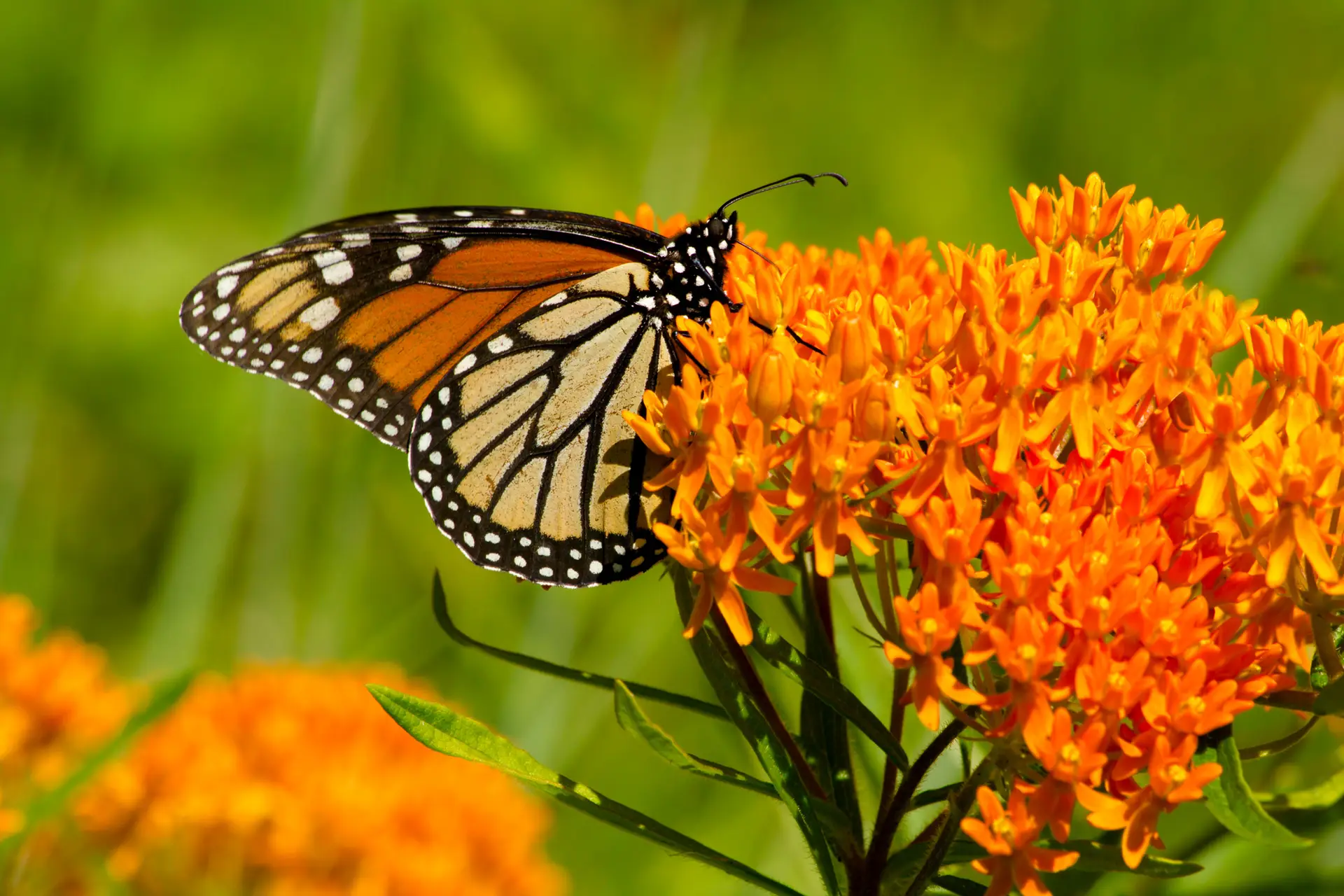
As a gardener looking to enhance your wildflower garden with vibrant colors and attract pollinators, Butterfly Weed is a must-have addition.
This native plant, also known as Asclepias tuberosa, thrives in full sun and well-draining soil, making it an ideal choice for low-maintenance gardens. Its striking orange flowers bloom from late spring to summer, attracting butterflies and other pollinators to your garden.
Not only does Butterfly Weed add beauty to your landscape, but it also plays a crucial role as a host plant for monarch butterfly larvae, supporting local butterfly populations.
Including plants like Butterfly Weed in your garden contributes to biodiversity maintenance and ecological health by providing essential resources for various pollinator species.
While it can be challenging to grow from seed, this drought-tolerant perennial is worth the effort for its ecological benefits and vibrant blooms.
Gaillardias

Adding Gaillardias, also known as blanket flowers, to your wildflower garden is a fantastic way to introduce vibrant colors and support pollinator populations.
These native wildflowers are easy to grow, thriving in full sun and well-drained soil. Gaillardias’ red, orange, and yellow blooms attract bees and butterflies, enhancing biodiversity in your garden.
Growing between 24-36 inches tall, they bloom from early summer to frost, providing a long-lasting display of color. Just as proper fertilization enhances grass health and density, incorporating Gaillardias can improve the overall vitality and aesthetic of your garden ecosystem.
Drought-tolerant once established, they require minimal watering, making them an eco-friendly choice. Their resilience and low-maintenance nature make them perfect for wildflower meadows and low-maintenance gardens.
Include Gaillardias in your garden to enjoy their beautiful blooms and the benefits they bring to your outdoor space.
Queen of the Prairie

To create a dynamic and enchanting wildflower garden, consider incorporating the majestic Queen of the Prairie. This perennial plant, known for its tall pink plumes that can reach up to 5 feet, is a stunning addition to any landscape.
With large, maple-shaped leaves and a preference for moist, well-drained soils, it thrives in rain gardens and naturalized areas. The Queen of the Prairie attracts a variety of pollinators, such as butterflies and bees, adding to the biodiversity of your garden.
Blooming from June to August, this hardy species provides vibrant color and a striking focal point in wildflower meadows. Using dead leaves as mulch can help maintain the moist soil conditions that the Queen of the Prairie loves, while also suppressing weeds and adding nutrients as they decompose.
Its robust growth and adaptability to different soil conditions make it a must-have for any wildflower enthusiast.
Black Eyed Susan

Incorporating the vibrant Black-Eyed Susan into your wildflower garden can add a pop of color and charm. This native species is a must-have for any wildflower enthusiast.
Here are some reasons why you should consider adding Black-Eyed Susan to your garden:
- Easy to Grow: Black-Eyed Susan is low-maintenance and can thrive in various soil types.
- Attracts Pollinators: This flower is a magnet for butterflies and bees, enhancing the biodiversity of your garden.
- Long Blooming Season: Enjoy its bright yellow petals from mid-summer to early fall, providing continuous color.
- Versatile Conditions: Thriving in full sun to partial shade, Black-Eyed Susan adapts well to different light levels in your garden.
Add this resilient beauty to your garden for a truly striking display!
Hardy Geranium

Wondering which wildflower will effortlessly brighten up your garden with vibrant hues and enduring beauty? Look no further than the Hardy Geranium.
This low-growing perennial, with its finely-cut foliage and striking electric magenta flowers, is a must-have for any wildflower garden. Blooming from late spring to early fall, it offers continuous color throughout the growing season.
Hardy Geranium is adaptable to various soil types and can thrive in both sunny and partially shaded areas, making it a versatile addition to your garden. Acting as an excellent ground cover, this plant spreads easily, suppresses weeds, and enhances the biodiversity of wildflower meadows.
Standing at about 12-18 inches tall, the Hardy Geranium attracts pollinators like bees and butterflies while promoting the ecological health of local environments.
Echinacea
The vibrant beauty of the Hardy Geranium sets the stage for a captivating wildflower garden, but now let’s turn our attention to the striking Echinacea, also known as coneflower.
- Wildflowers: Echinacea is a stunning addition to any wildflower garden, boasting large purple or pink flowers that attract bees and butterflies.
- Full Sun: Thriving in full sun, Echinacea requires at least six hours of direct sunlight daily, making it perfect for sunny garden spots.
- Seeds: Starting Echinacea from seeds can take 3 to 5 years to mature, but once established, it provides years of consistent blooms each summer.
- Low-Maintenance: Once mature, Echinacea is drought-tolerant, needing minimal watering and care, perfect for low-maintenance wildflower enthusiasts.
Lupine

Amidst the diverse array of wildflowers that can elevate the charm of your garden, Lupine stands out as a resilient and visually striking perennial native to North America.
This wildflower species, known scientifically as Lupinus perennis, boasts stunning flower spikes in shades of blue, purple, and occasionally white. With its deep tap roots, Lupine thrives in various soil types, making it an ideal choice for different wildflower meadows.
Blooming from late spring to early summer, Lupine not only adds beauty to your garden but also supports pollinators like bees and butterflies by providing essential nectar.
Furthermore, this Native American plant can enhance soil health by fixing nitrogen, enriching the fertility of the surrounding ecosystem.
Plant it in well-drained soil, and watch it grow to heights of 12 to 24 inches, adding vertical interest to your wildflower paradise.
Old Orange Daylily

With its vibrant orange blooms that bring a burst of color to any wildflower garden, the Old Orange Daylily (Hemerocallis fulva) is a resilient perennial that thrives in various conditions.
Here’s why you should consider adding this native beauty to your garden:
- Versatile Growth: Flourishes in sunny and partially shaded areas.
- Drought Tolerant: Thick roots store moisture, helping it withstand dry spells.
- Naturalizes Well: Spreads easily, ideal for wildflower meadows.
- Long Blooming Season: Enjoy its colorful display from late spring through early summer.
The Old Orange Daylily’s hardiness, adaptability, and stunning blooms make it a must-have for any wildflower garden enthusiast.
Daisies

Among the vibrant blooms that grace wildflower gardens, daisies stand out for their classic charm and pollinator-friendly allure. Shasta daisies, like the Leucanthemum x superbum variety, with their striking white petals, are a popular choice for creating a picturesque wildflower meadow.
These daisies, reaching up to 9 inches in height, thrive in sunny to partially shaded spots with well-draining fertile soil. Their ability to spread easily makes them perfect for naturalized areas within wildflower gardens.
Blooming from late spring to early summer, daisies offer a consistent burst of color and attract bees and butterflies, enhancing the biodiversity of your garden.
However, it’s essential to manage Oxeye daisies carefully, as they can become invasive in some regions.
Native Coreopsis
Native Coreopsis, a staple in wildflower gardens, adds a vibrant splash of color and ecological benefits to any landscape.
- Versatile and Resilient: Plains Coreopsis and Lanceleaf Coreopsis thrive in various soil types and are perfect for wildflower beds.
- Drought-Tolerant: These perennial beauties require minimal watering once established, making them ideal for regions with dry spells.
- Pollinator Magnets: Their bright yellow blooms attract bees and butterflies, enhancing biodiversity in your garden.
- Low Maintenance: With their preference for full sun and well-drained soil, Native Coreopsis can flourish effortlessly in your wildflower garden, providing colorful displays from late spring to early summer.
Additionally, their ability to self-seed ensures a natural and continuous growth cycle year after year.
Asters

Let’s now turn our attention to Asters, another fantastic addition to your wildflower garden.
Asters, perennial wildflowers like the New England Aster, are vital for attracting pollinators like bees and butterflies, promoting the ecological health of your garden.
These beauties prefer partial sun and well-drained soil, needing about four to six hours of direct sunlight daily to thrive.
With stunning hybrids such as the pink Aster Alma Potschke, they bring visual diversity to your garden.
Asters, with their resilience in various soil types, not only provide vibrant seasonal color but also contribute to the biodiversity and beauty of wildflower meadows.
Including Asters in your garden won’t only enhance its beauty but also support local pollinators.
Blanket Flower

Occasionally referred to as a “sunset in a flower,” the Blanket Flower is a striking addition to any wildflower garden.
Here’s why you should consider adding this beauty to your garden:
- Vibrant Colors: The Blanket Flower’s red and yellow petals bring a burst of color to any landscape.
- Low-Maintenance: Thriving in full sun and being drought-tolerant, Blanket Flowers are perfect for those seeking easy-care plants.
- Pollinator Magnet: Attracting bees and butterflies, these flowers help support pollinator populations in your garden.
- Easy to Grow: Blanket Flowers can be grown from wildflower seed, and their self-seeding nature allows them to spread naturally over time, creating a beautiful, thriving display without much effort.
Columbine
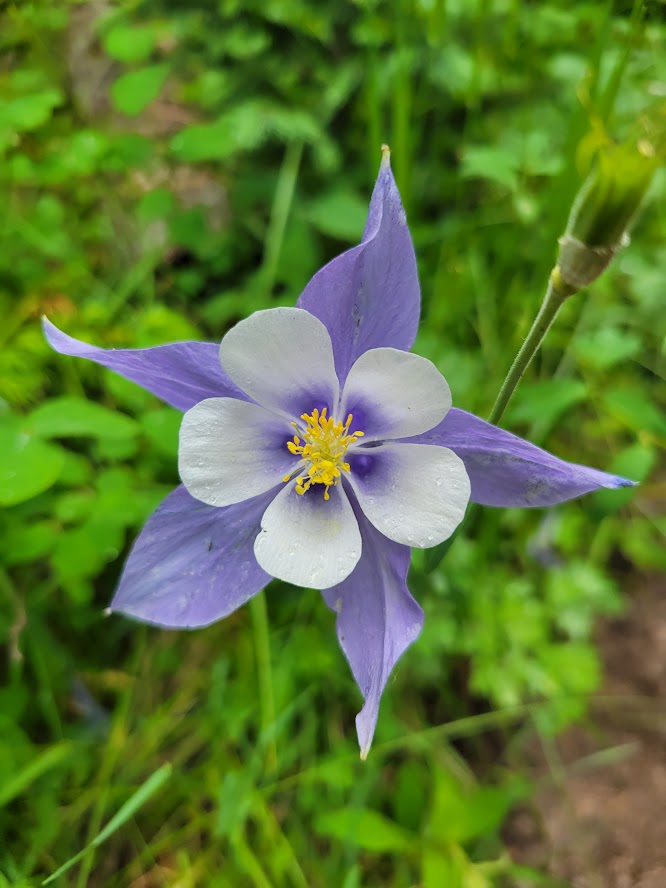
Exuding grace and charm, Columbine, scientifically known as Aquilegia canadensis, emerges as a captivating perennial flower native to North America and parts of Europe and Asia.
This stunning plant, standing at 36 inches tall, showcases unique spurred blooms in colors like red, yellow, and purple. Thriving in full or partial sun, Columbine is versatile in various garden settings, preferring well-drained soil to flourish.
A highlight of this flower is its ability to attract pollinators like hummingbirds, bees, and butterflies, contributing to a vibrant garden ecosystem. Ideal for woodland gardens or shaded areas, Columbine blooms from late spring to early summer, adding a splash of color to your landscape while supporting essential pollinators.
California Poppy

A staple in wildflower gardens, the California Poppy, scientifically known as *Eschscholzia californica*, is a vibrant annual flower native to North America.
Here are some key points about this beautiful flower:
- Vibrant Blooms: Known for its striking orange blooms, the California Poppy adds a pop of color to any garden.
- Sun Requirements: Thriving in full sun or partial sun, this flower is perfect for gardeners looking to brighten up sunny spots.
- Drought-Tolerant: Adaptable to various soil types, these poppies are ideal for gardens in need of low-maintenance, water-wise plants.
- State Flower of California: Symbolizing the beauty of the state, California Poppies aren’t only visually appealing but also attract essential pollinators like bees and butterflies.
Joe-Pye Weed

Nestled among the vibrant array of wildflowers, the Joe-Pye Weed stands tall as a striking perennial plant native to North America. It grows up to 7 feet high, boasting clusters of purple flowers that bloom from mid-summer to fall.
Thriving in full sun to partial shade, this plant prefers moist soil, making it perfect for waterside gardens. Joe-Pye Weed is a favorite for attracting butterflies, enriching the biodiversity of wildflower gardens.
Named after a Native American healer, its historical medicinal uses add to its allure. With its ability to spread through rhizomes, it effortlessly naturalizes garden settings.
For a touch of North American beauty that beckons butterflies, Joe-Pye Weed is a must-have in any wildflower garden.
Purple Coneflower
Standing proudly among the vibrant tapestry of wildflowers, the Purple Coneflower, scientifically known as *Echinacea purpurea*, is a standout perennial flower that graces wildflower gardens with its beauty and functionality.
- Attracts Pollinators: This flower is known for attracting pollinators such as butterflies and bees, making it an essential addition to any pollinator-friendly garden.
- Resilience: Purple Coneflower is highly resilient, thriving in a variety of soil types and conditions, and can tolerate drought once established.
- Height and Blooming: The plant typically grows between 24 to 48 inches tall and features large, daisy-like purple flowers that bloom from mid-summer to fall.
- Medicinal Uses: Historically, the Purple Coneflower has been used in traditional herbal medicine for its immune-boosting properties and to treat various ailments.
Shasta Daisy
With its cheerful white petals and sunny yellow centers, the Shasta Daisy (Leucanthemum x superbum) is a beloved perennial that brightens up any wildflower garden.
These daisies, growing to about 9 inches tall, thrive in full to partial sun and require well-drained fertile soil. Blooming from late spring to early summer, they attract pollinators like bees and butterflies, enhancing garden biodiversity.
Shasta Daisies are low-maintenance once established, tolerating dry conditions and spreading easily, making them perfect for naturalized areas.
Developed in the 1900s by horticulturist Luther Burbank, these hybrids have become a staple in American gardens for their resilience and beauty.
Add these lovely daisies to your garden for a splash of vibrant color and wildlife allure.
Wild Rose
Amidst the diverse array of flowers that thrive in wildflower gardens, the Wild Rose stands out for its delicate beauty and captivating fragrance.
If you’re looking to add a touch of elegance to your garden while attracting pollinators, the Wild Rose is a must-have. Here’s why:
- Native Beauty: The Wild Rose, scientifically known as *Rosa wild*, is native to North America, adding a touch of local charm to your garden.
- Height: These wildflowers can reach heights of 3 to 6 feet, creating a lovely backdrop in your garden.
- Sunlight Needs: Thriving in full sun to partial shade, Wild Roses require sufficient sunlight for optimal growth.
- Pollinator Paradise: Bees, butterflies, and other pollinators find Wild Roses irresistible, making your garden a hub of biodiversity.
Yarrow
The Wild Rose adds a touch of elegance and fragrance to any wildflower garden, attracting pollinators with its native charm and beauty.
Yarrow, scientifically known as Achillea millefolium, is a perennial plant valued for its medicinal properties and vibrant flowers. Growing between 2 to 4 feet tall, Yarrow’s feathery leaves are aromatic and drought-tolerant.
Blooming from late spring to early fall, it displays clusters of flat-topped flower heads in various colors like white, yellow, pink, and red.
Yarrow is pollinator-friendly, drawing bees and butterflies to your garden, supporting local ecosystems.
Thriving in well-drained soil and under full sun, this adaptable plant can bring both beauty and ecological benefits to your outdoor space.