
When I’m companion planting with cucumbers, I rely on a mix of 14 plants to boost growth and deter pests. I love using corn for vertical support and shade. Beans and peas enrich the soil with nitrogen, which cucumbers thrive on. Lettuce and spinach adapt well in cucumber shade, while marigolds repel harmful pests. I also plant radishes and beets for pest management, and garlic acts as a natural fungicide. Sunflowers attract pollinators and provide more support. Each plant plays a vital role in my garden’s ecosystem, and there’s so much more to explore for optimally pairing these plants.
Benefits of Companion Planting
Companion planting offers several significant benefits for growing cucumbers, and I find it fascinating how nature can work in harmony to enhance our gardens.
It provides natural pest control by using plants like marigolds and basil, which repel harmful insects. Additionally, nitrogen-fixing companions improve nutrient uptake, enriching the soil and promoting healthier cucumber growth, ultimately leading to a more productive garden. Incorporating diverse combinations of plants can also enhance overall garden resilience and yield. Moreover, the presence of beneficial soil inhabitants such as earthworms and dung beetles can further improve soil quality and fertility, creating an ideal environment for cucumbers.
Corn
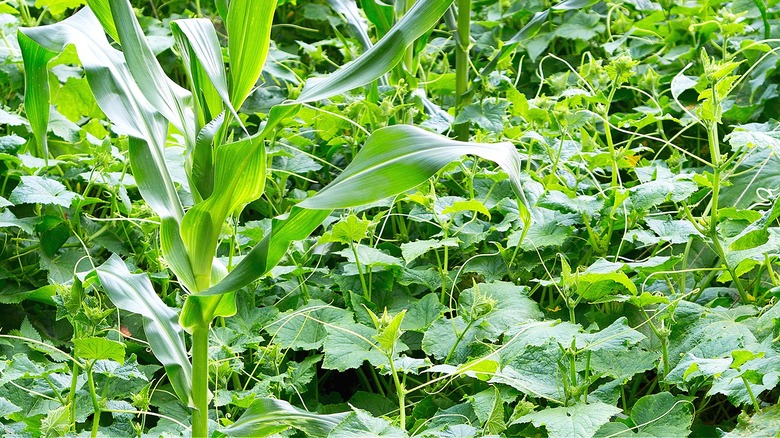
When planning a garden that includes cucumbers, incorporating corn can significantly enhance the overall health and productivity of both crops. Corn growth provides essential vertical support for cucumber vines, optimizing space utilization. The shade from tall corn stalks protects cucumbers in hot weather, while their sturdy structure supports larger fruits, ensuring a thriving garden with reduced pest issues and improved soil health. Additionally, the mutual benefit of these companion plants leads to healthier plants and better fruit quality.
Beans

Beans play a crucial role in enhancing the growth of cucumbers through their nitrogen-fixing ability. By planting various bean varieties alongside cucumbers, I ensure that the soil remains rich in nitrogen, benefiting these heavy feeders. This symbiotic relationship not only boosts yields but also promotes a balanced garden ecosystem. Additionally, beans help deter pests, enhancing overall plant health and resilience. Furthermore, sustainable agricultural practices can enhance the benefits of this relationship by promoting healthy soil management. Moreover, providing living trellises for cucumbers, beans can support their growth and help keep the fruit off the ground.
Peas
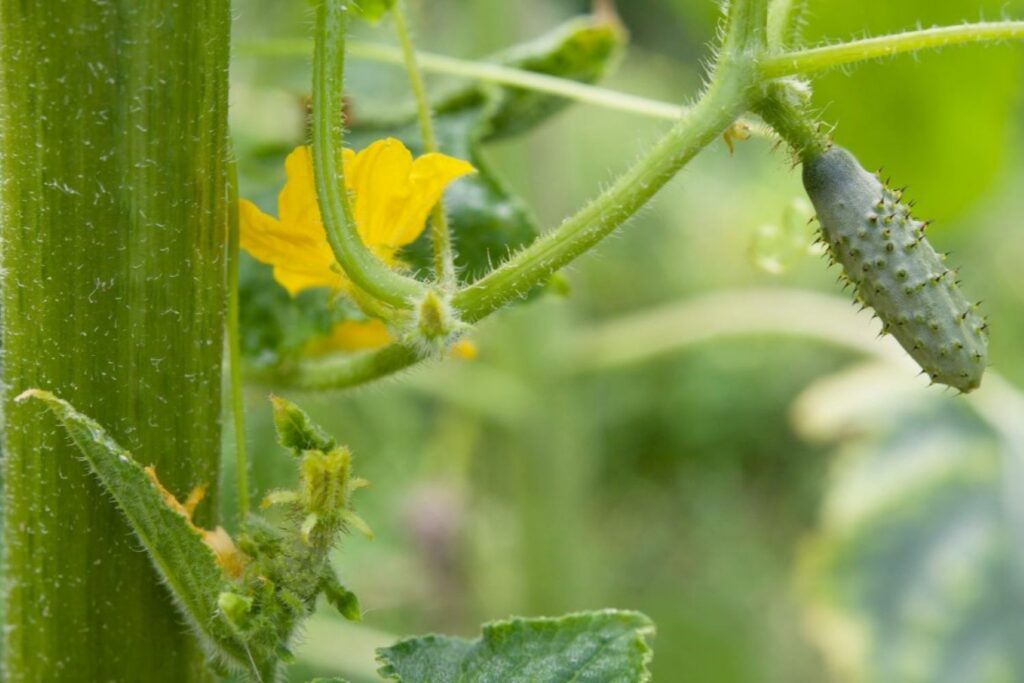
While exploring the benefits of companion planting, I’ve found that peas offer remarkable advantages for cucumbers. Their nitrogen fixation enhances soil fertility, benefiting nearby plants. The tendrils of peas intertwine with cucumber vines, providing mutual support, while they also help deter aphids. Planting them in early spring allows space for cucumbers later, ensuring optimal growth without significant competition. Additionally, this practice of nitrogen fixation contributes to healthier cucumber plants, ultimately improving yield.
Lettuce and Spinach
Building on the benefits of companion planting observed with peas, lettuce and spinach also make excellent partners for cucumbers. Various lettuce varieties thrive in the shade cucumbers provide, repelling pests like aphids. Spinach benefits similarly, enjoying cool conditions while sharing space efficiently. Both require consistent moisture and different nutrients, ensuring they flourish together without competition, enhancing the overall health of your garden. Additionally, the enhanced growth of neighboring plants can lead to a more productive garden ecosystem. Regularly monitoring soil health ensures that both cucumbers and their companions have access to adequate nutrients for optimal growth.
Onions
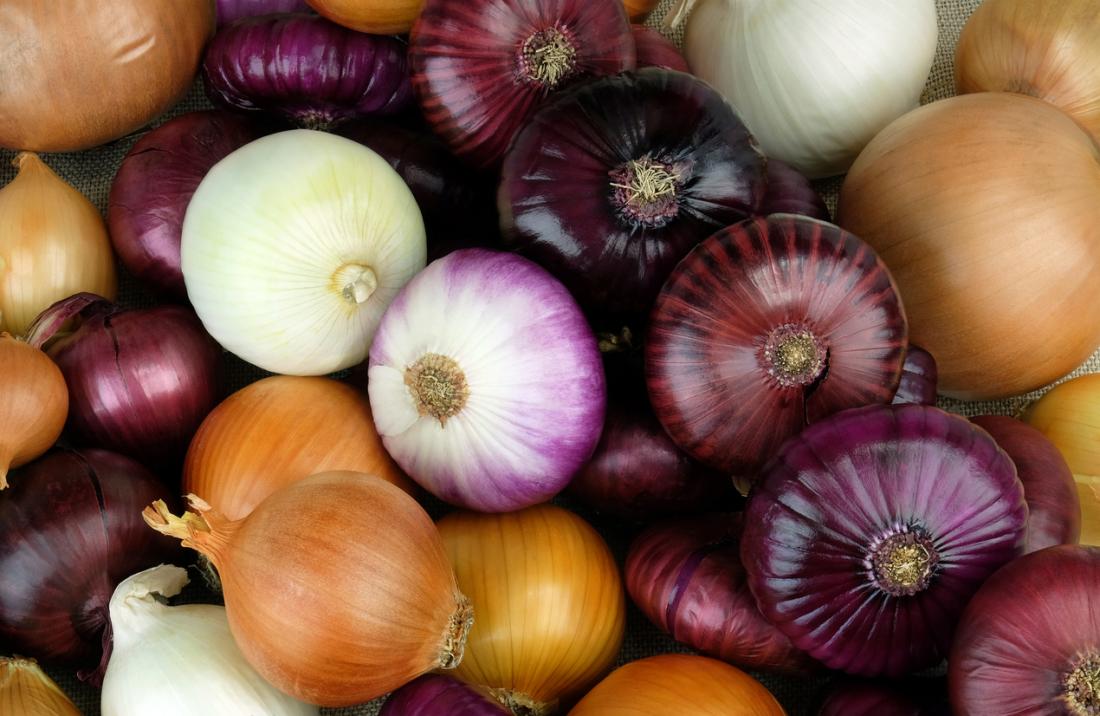
When I incorporate onions into my cucumber planting strategy, I often notice significant benefits for both crops.
The various onion varieties help promote cucumber seedling growth through beneficial root exudates, which enhance soil microbial diversity. Additionally, onions effectively deter onion pests that threaten cucumbers, creating a harmonious coexistence without competing for resources, ultimately leading to healthier plants and improved yields. This is evident as cucumbers near onions show healthier growth compared to those planted with other companion plants. Furthermore, planting onions can improve soil texture, which is crucial for ensuring proper drainage and aeration for both crops.
Basil

Basil can stunt cucumber growth and may interfere with their health due to its scent. While basil thrives in well-drained soil and full sun, it’s susceptible to pests like aphids. For better results, consider planting basil near tomatoes instead. Additionally, it’s important to note that cucumbers rank second in popularity among home garden vegetables, which makes finding suitable companions crucial for a successful garden.
Dill

Dill serves as an excellent companion plant for cucumbers, offering a range of benefits that enhance both pest management and overall plant health.
Through dill cultivation, I’ve noticed it attracts beneficial insects like ladybugs and parasitic wasps, which effectively control dill pests and cucumber beetles. Additionally, dill’s flowers invite pollinators, boosting cucumber productivity while improving soil health through aeration. Furthermore, dill attracts beneficial insects, which aids in natural pest control and creates a healthier growing environment for cucumbers.
Chervil

Chervil is a valuable companion plant for cucumbers, offering multiple benefits that enhance both pest control and plant growth.
Through chervil cultivation, I’ve found it effectively repels aphids, slugs, and whiteflies, protecting cucumbers from common pests. Additionally, it harmonizes with lettuce and radishes, improving their flavor and growth, contributing to a healthier garden ecosystem that benefits all plants involved. Companion planting creates a balanced ecosystem within the garden, further supporting the growth of cucumbers and their companions.
Oregano
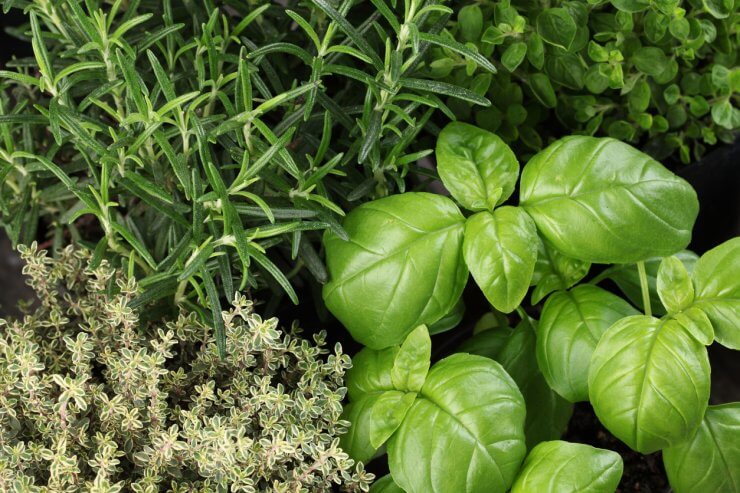
Oregano, a robust herb with aromatic leaves, serves as an excellent companion plant for cucumbers, offering a range of benefits that can significantly enhance your garden’s health and productivity. Oregano cultivation not only repels pests and fungal diseases but also improves cucumber flavor. Additionally, I love using oregano in recipes, knowing it enriches the soil and attracts beneficial insects to create a more balanced ecosystem.
Sunflowers

Sunflower varieties that don’t require staking provide natural support for cucumber vines. They also offer shade, attract pollinators, and enhance yield. Proper sunflower maintenance includes direct planting and ensuring they’re frost-free, making them an excellent choice for your garden. Additionally, sunflowers germinate best at 46-50°F, ensuring optimal growth conditions when planted at the right time.
Marigolds
While considering companion plants for cucumbers, marigolds stand out due to their multifaceted benefits.
These vibrant marigold varieties repel pests like cucumber beetles and attract beneficial insects, enhancing biodiversity. Additionally, companion planting helps in significantly boosting crop yield in your garden by creating a more balanced ecosystem.
For optimal marigold care, plant them 20-25 cm away from cucumbers in early spring.
Their roots also combat underground diseases, making them invaluable partners in your vegetable garden.
Radishes

When I think about effective companion plants for cucumbers, radishes emerge as a top choice due to their pest-repelling properties and quick growth cycle. Various radish varieties thrive in cool temperatures, allowing for successive sowing throughout the season. Their bushy tops shield the soil, reducing weeds and moisture loss, while their rapid radish growth enables multiple harvests before cucumbers fully mature. Additionally, the diverse planting of radishes creates a balanced ecosystem in the garden, enhancing overall health and pest management.
Beets
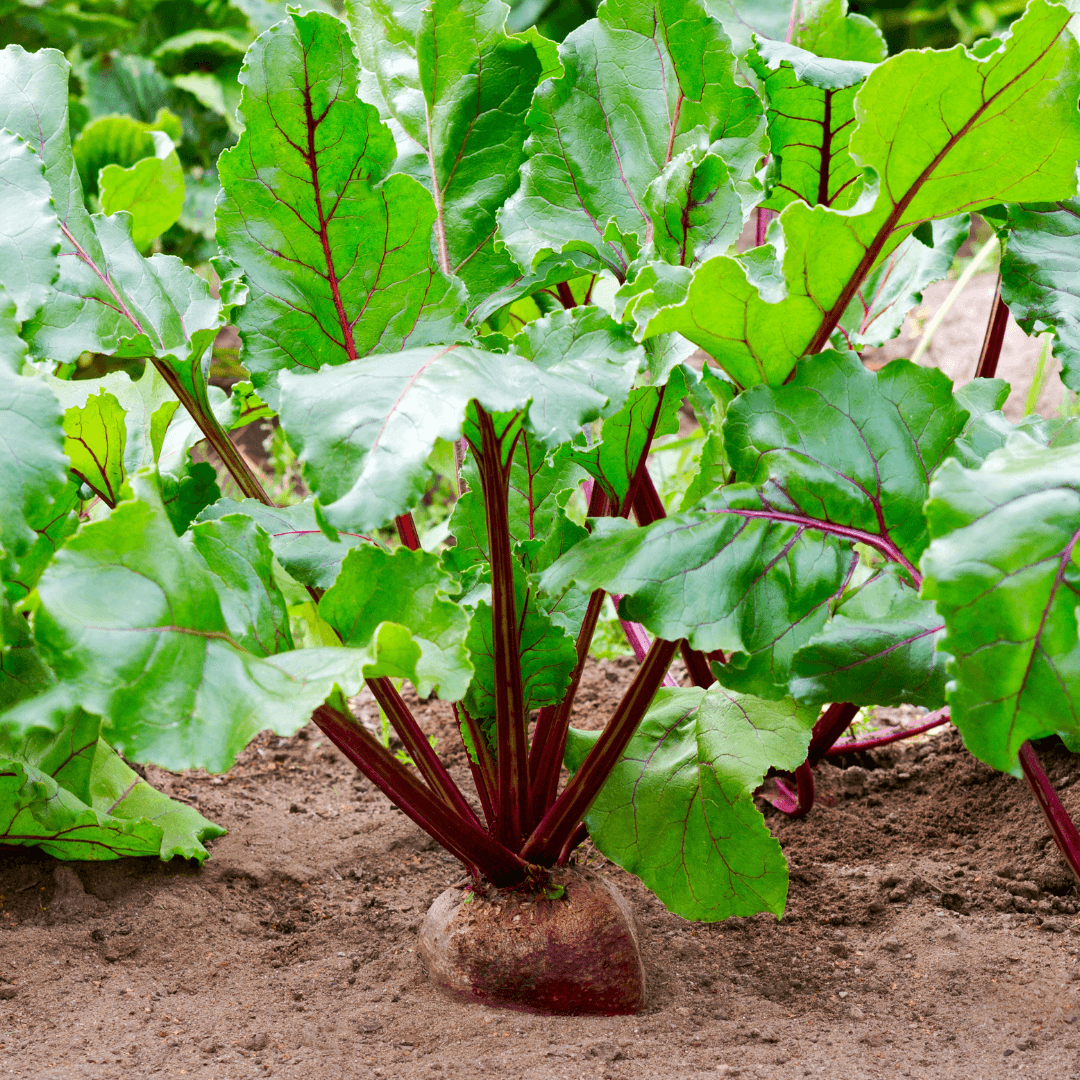
Cucumbers thrive alongside a variety of companion plants, and beets stand out as a valuable addition to the garden. Their ability to enhance beet soil health through nitrogen-fixing bush beans and moisture-retaining lettuce is impressive. Additionally, planting onions and carrots aids in beet pest control, repelling common nuisances. This synergistic relationship not only boosts productivity but also fosters a healthier garden ecosystem. Companion planting with beets can improve soil quality and nutrient content, contributing to the overall health of the garden.
Garlic
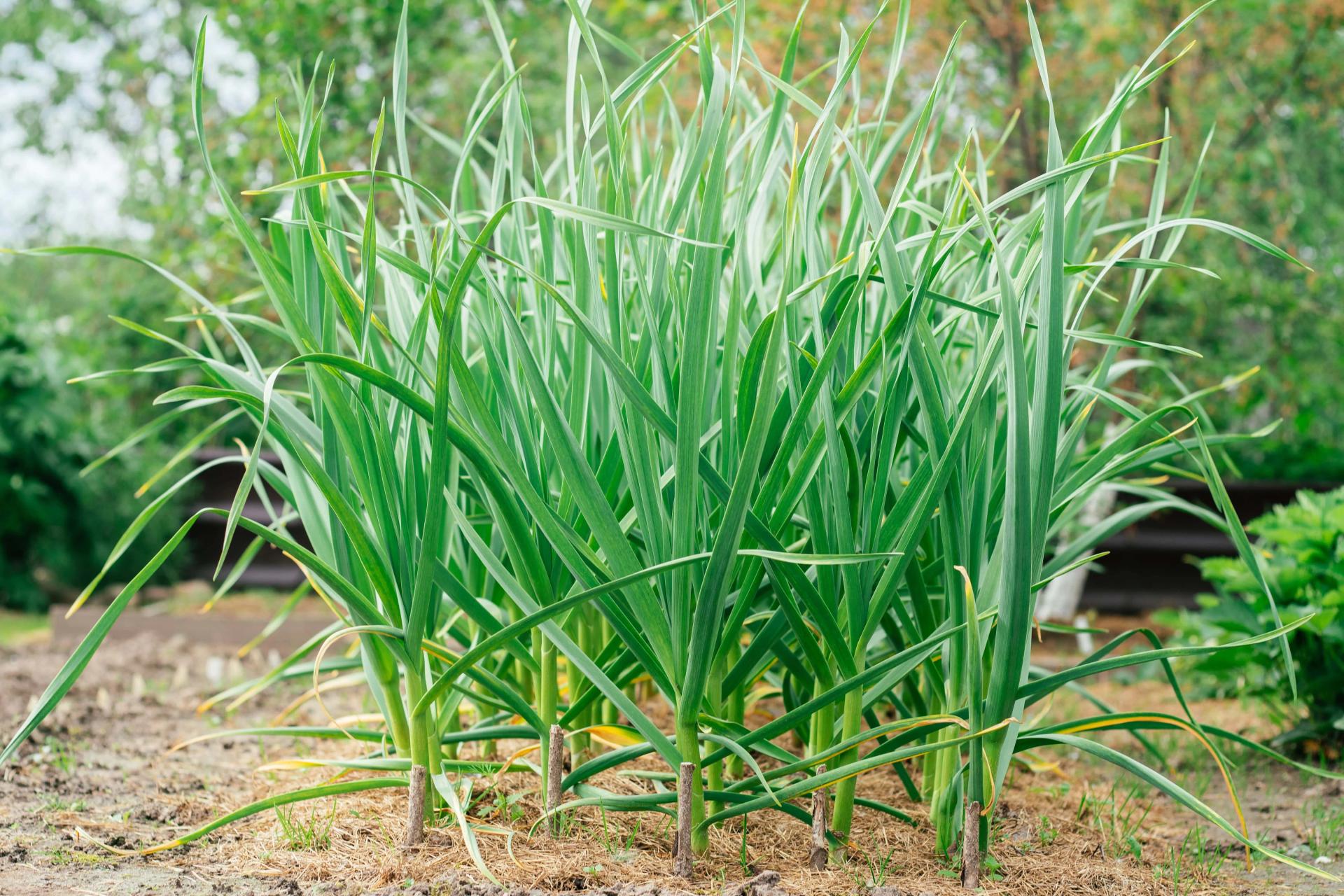
Garlic serves as an exceptional companion plant for cucumbers, enhancing both plant health and garden productivity. The garlic benefits include acting as a natural fungicide, repelling pests, and improving soil quality through sulfur compounds. When I’m garlic planting alongside cucumbers, I notice healthier crops with stronger growth, reduced disease risk, and efficient use of garden space, promoting a thriving ecosystem. Additionally, garlic enhances soil quality by releasing sulfur compounds, which can significantly reduce fungal infection risks in the garden.