
I’ve discovered 15 excellent companion plants for tomatoes that can boost their growth and health. Lettuce thrives in their shade, while sugar snap peas fix nitrogen in the soil. Asparagus helps repel nematodes, and crimson clover attracts beneficial insects. Garlic keeps spider mites and aphids at bay, and basil not only repels pests but also enhances tomato flavor. Oregano, parsley, chives, thyme, marigolds, sunflowers, nasturtiums, borage, comfrey, and lavender all support the ecosystem around your tomatoes. These plants encourage biodiversity and improve soil health, making your garden more resilient. Stick around to explore the specific benefits of each!
Lettuce
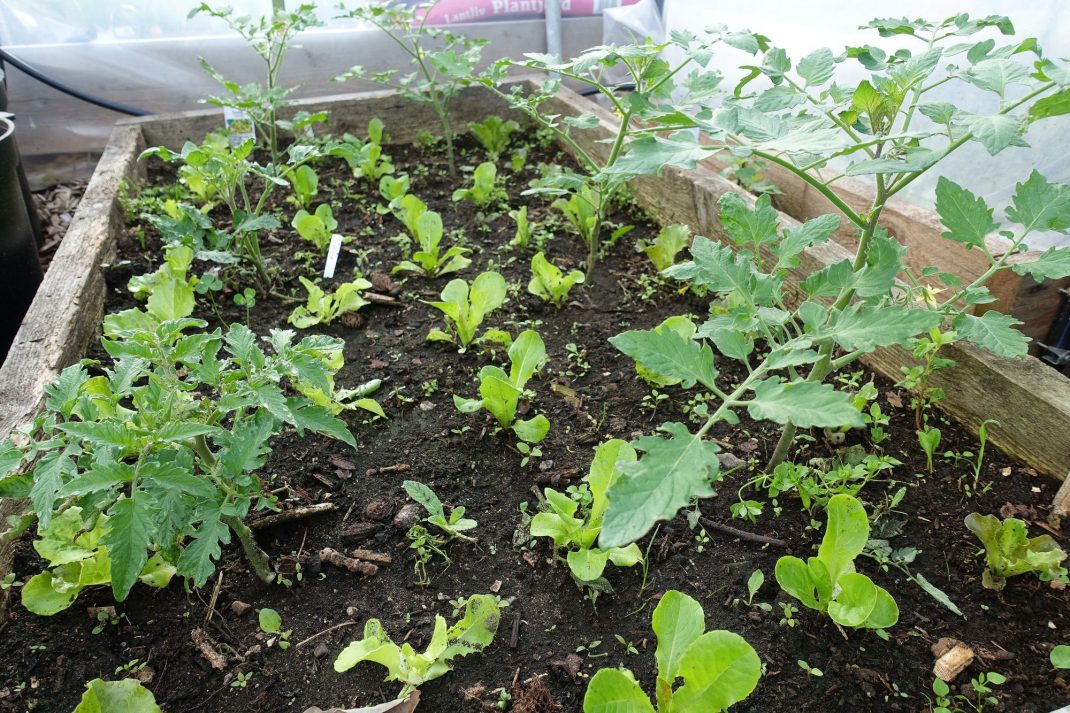
When I consider the benefits of planting lettuce with tomatoes, it’s clear that this combination not only enhances space efficiency but also fosters a healthier garden environment. Lettuce varieties thrive in the shade of tomato plants, keeping soil moist and cool. Plus, I can easily whip up fresh lettuce recipes, ensuring I maximize my harvest while minimizing weeds and pests in my garden. This companion planting strategy not only improves soil health but also encourages beneficial insect populations, creating a thriving ecosystem in my garden.
Sugar Snap Peas
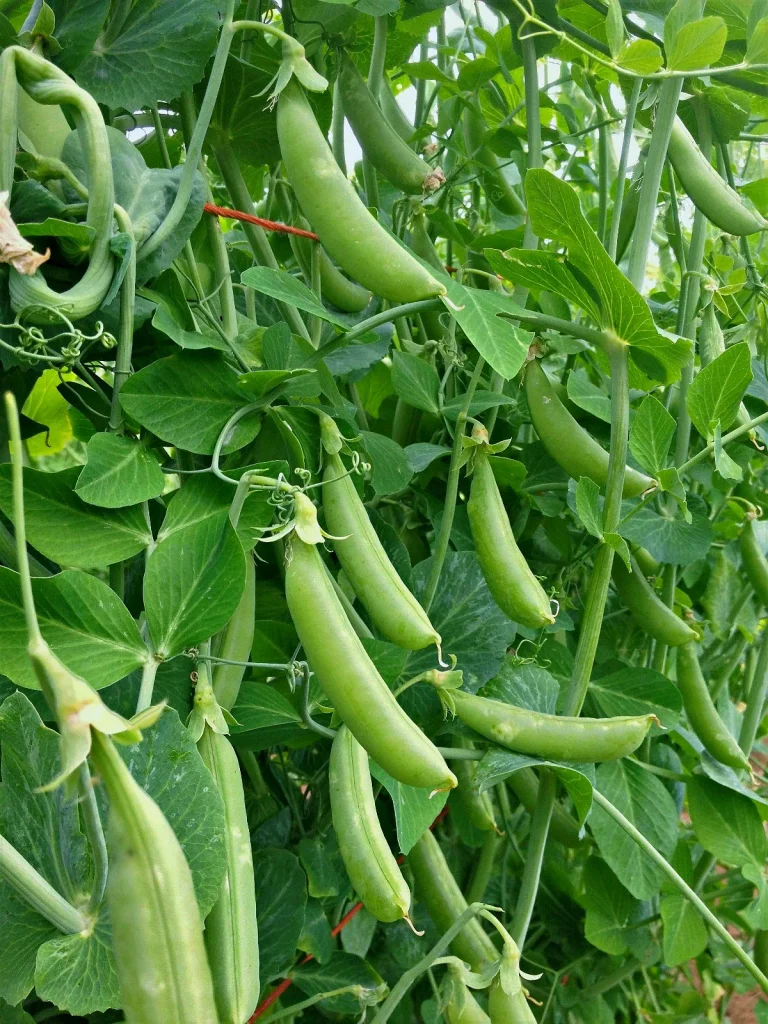
Sugar snap peas are an excellent companion for tomatoes, providing a symbiotic relationship that enhances garden productivity. Their nitrogen benefits enrich the soil, fostering tomato growth. I plant peas 4-6 weeks before tomatoes, optimizing temperature preferences. Adequate space for peas to cling without overcrowding is essential, as effective trellis management maximizes space as peas mature and are harvested before tomatoes, ensuring a continuous crop cycle while maintaining nutrient-rich soil.
Beets

Beets, despite their vibrant color and nutritional benefits, aren’t the best companions for tomatoes in the garden. Both require significant water, leading to competition. Their differing sunlight needs can stunt growth, and they share pests like corn earworm, complicating pest management. While beet nutrition is impressive, planting them with tomatoes may hinder both crops’ success. It’s best to keep them separate. Moreover, companion planting practices show that enhancing biodiversity can create a more balanced garden environment, which is challenging when these two plants are grown together.
Asparagus

Although asparagus may take a few years to establish itself, its long-term benefits as a companion plant for tomatoes are substantial. Asparagus repels nematodes that harm tomato roots, while the tomatoes deter asparagus pests like beetles. This symbiotic relationship enhances both plants’ health and yields. Additionally, asparagus provides shade during hot months, creating an ideal microclimate for tomatoes. The semi-permanent nature of asparagus means it can thrive alongside tomatoes for many years, contributing to a productive garden.
Crimson Clover

When I consider companion planting for tomatoes, crimson clover stands out as an excellent choice due to its myriad benefits. It provides nitrogen fixation benefits, enriching the soil while suppressing weeds through effective weed suppression strategies. Additionally, it attracts beneficial insects, enhancing pest control and pollination, making it a vital player in maintaining a healthy garden ecosystem around my tomato plants. Furthermore, incorporating crimson clover can significantly improve soil health, which directly supports the growth and resilience of tomato plants. This improvement in nutrient levels helps ensure that the tomato plants receive essential macronutrients necessary for optimal growth.
Garlic

Garlic serves as a powerful ally in the garden, particularly when planted alongside tomatoes. The garlic benefits include repelling spider mites and deterring pests like aphids. During garlic planting, I ensure they’re spaced at least 4 inches apart, enhancing soil health through sulfur release. This natural fungicide prevents diseases like powdery mildew, making garlic an essential companion for thriving tomato plants. Additionally, garlic’s ability to repel specific insects further enhances the overall health of the garden ecosystem. Furthermore, using garlic in the garden aligns with organic fertilizers principles, promoting a sustainable approach to pest management.
Marigolds

Integrating marigolds into your tomato garden can enhance both plant health and overall garden biodiversity. The marigold benefits include protecting tomatoes from root-knot nematodes and deterring pests like tomato hornworms. By attracting beneficial insects, marigold varieties contribute to a thriving ecosystem. Additionally, the pungent scent of marigolds may help repel other harmful pests, further supporting your tomato plants. Furthermore, planting marigolds can also increase crop yields by enhancing pollination services in your garden. Plant them 18-24 inches apart to maximize their protective qualities and ensure they complement your tomatoes effectively.
Basil

Although I often think of basil as a culinary staple, its role in companion planting with tomatoes is equally significant.
Certain basil varieties repel pests like hornworms and aphids, enhancing tomato growth. They thrive in similar conditions, needing sun and well-drained soil. Additionally, basil attracts bumblebees, which improves pollination for tomato plants and contributes to their overall health. Furthermore, by incorporating native plants alongside basil, you can create a more diverse ecosystem that supports both basil and tomato plant health.
Plus, basil attracts beneficial insects, creating a harmonious ecosystem that protects both plants from basil pests while boosting tomato flavor.
Oregano

Basil’s benefits in companion planting naturally lead to another herb that complements tomatoes remarkably well: oregano.
I’ve found that oregano attracts pollinators, repels pests, and prevents diseases, making it invaluable. Oregano care is simple; it thrives in similar sunlight and soil as tomatoes. Additionally, planting oregano nearby can enhance plant growth and improve the overall health of your tomato plants.
Plus, its delightful aroma enhances tomato flavor, creating a harmonious garden ecosystem that promotes biodiversity and resilience.
Parsley

Parsley is a remarkable herb that pairs beautifully with tomatoes in the garden. Its strong scent offers numerous parsley benefits, enhancing tomato plant health and flavor. Parsley attracts beneficial insects like hoverflies that prey on common tomato pests, such as aphids. Additionally, it helps break up heavy soils, improving growth conditions for tomatoes while naturally deterring harmful pests like hornworms. This herb also attracts beneficial insects, which further supports natural pest management in the garden.
Sunflowers
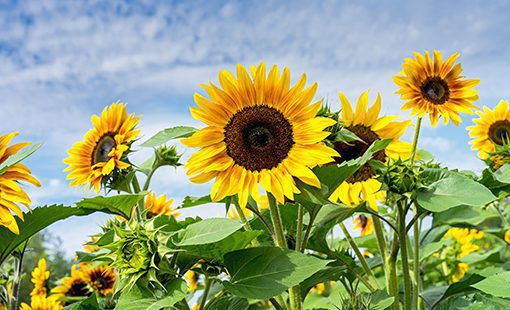
Sunflowers make an excellent companion for tomatoes, building on the benefits that herbs like parsley provide. Not only do sunflower varieties attract pollinators, enhancing fruit production, but they also serve as natural trellises for indeterminate tomato plants. Furthermore, sunflower benefits include pest deterrence and increased garden biodiversity, making them a valuable addition to your tomato garden. Additionally, sunflower roots improve soil health, benefiting tomato plants and promoting robust growth.
Lavender

Lavender offers a multitude of benefits as a companion plant for tomatoes, making it a worthy addition to any garden.
It attracts bumble bees, enhancing pollination and fertilization of tomato flowers. Additionally, lavender repels pests like flea beetles and white flies, reducing the need for chemicals. Its fragrant presence not only beautifies the garden but also promotes biodiversity while keeping lavender pests at bay. Companion planting with lavender can also lead to improved overall crop yield and diversity.
Rose

Roses can be a fantastic companion for tomatoes, offering unique benefits that enhance garden harmony. When practicing rose care, ensure proper spacing to avoid overshadowing and allow for trellises. Both thrive in slightly acidic, well-drained soil. Interestingly, tomatoes may protect roses from black spot due to solanine’s pesticidal properties, while regular checks for rose diseases are essential for maintaining plant health. This companion planting approach promotes healthier growth through mutual support.
Pumpkin

Although pumpkins and tomatoes can share similar growing conditions, careful consideration is essential when planting them together. While pumpkin growth can shade the soil and reduce weed competition, both plants face similar pests, like aphids, and diseases such as Fusarium Wilt. To minimize these risks, I recommend separating them to ensure they thrive without competing for nutrients and moisture. Additionally, regular fertilization is essential to replenish nutrients due to watering.
Beans
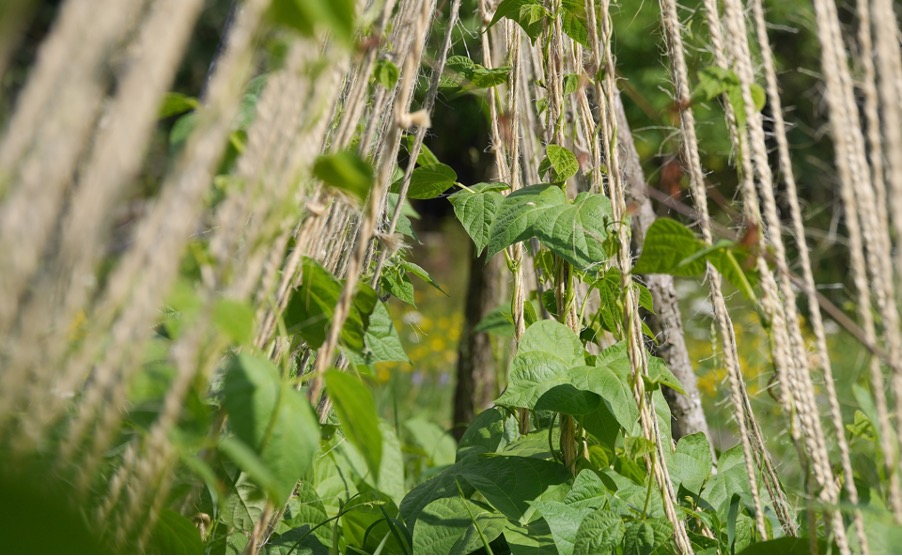
When considering companion planting for tomatoes, beans emerge as an excellent choice due to their unique ability to fix nitrogen in the soil. Bush bean varieties work well, planted around the edges to prevent shading. I recommend using soaking techniques for seeds to enhance germination. Beans enhance nitrogen levels, ensuring that the soil remains nutrient-rich for the tomatoes to thrive. For pole beans, ensure they’re spaced adequately behind tomatoes, promoting mutual growth while avoiding entanglement.