

When I think about companion plants for lavender, several come to mind for their benefits. Echinacea and Yarrow thrive in similar sunny conditions, attracting pollinators while providing drought tolerance. Rosemary and Sage naturally repel pests and invite beneficial insects. For added aesthetics, consider Sedum and African Daisy, both adding texture and color. Basil and Marigold not only enhance your garden visually but also deter harmful pests. Incorporating these plants fosters biodiversity, supports local wildlife, and optimizes health in your garden. There’s much more to explore about the specific benefits each plant brings, which can transform your gardening experience.
1. Echinacea

When considering companion planting, I find Echinacea to be an excellent choice alongside lavender due to their shared growing conditions and benefits. Echinacea varieties thrive in full sun, tolerate drought, and attract pollinators, enhancing garden biodiversity. This pairing not only provides vibrant summer blooms but also supports local wildlife, making it a visually appealing and ecologically balanced option for my garden. Additionally, Echinacea strengthens the immune system, which can complement the calming effects of lavender in herbal remedies. Furthermore, the presence of Echinacea can attract various bee species, supporting the overall health of pollinators in the garden.
2. Yarrow
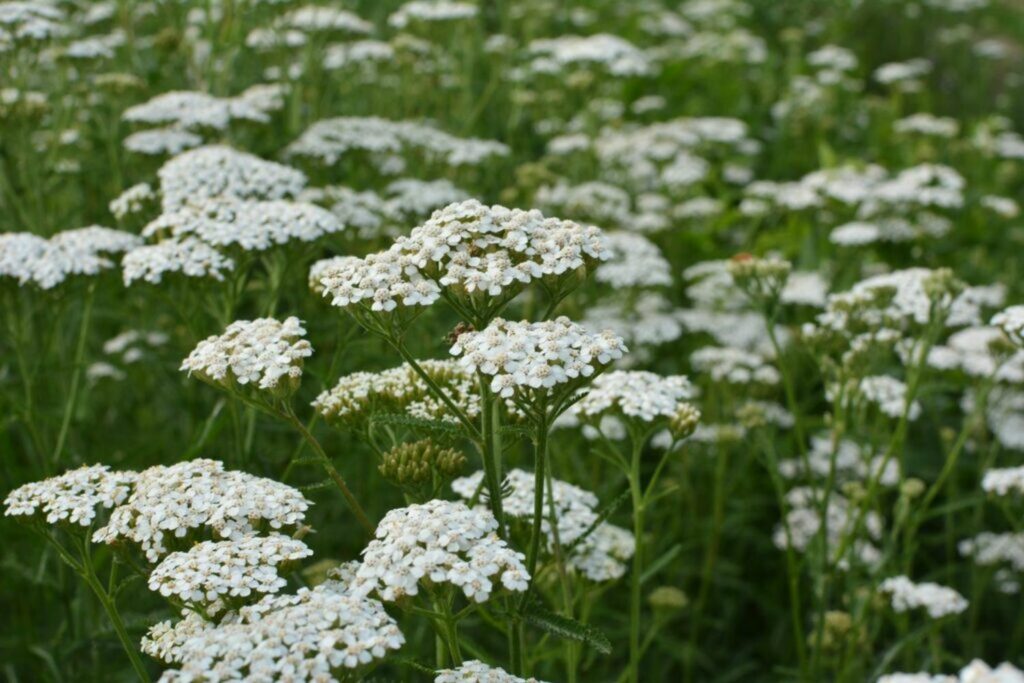
Although yarrow may often be overlooked, I’ve found it to be an exceptional companion plant for lavender, thanks to its compatibility in growing conditions and numerous benefits. Yarrow attracts beneficial insects, enriches the soil, and helps repel pests while requiring minimal maintenance. Additionally, its drought-tolerant nature makes it an ideal choice for xeriscaping alongside lavender. Just ensure it’s in full sun with well-drained soil, and water occasionally for optimal growth and health. Regular soil aeration can further enhance the benefits of companion planting by improving oxygen access to plant roots.
3. Rosemary

Rosemary is an excellent companion plant for lavender, offering a range of benefits that enhance both plants’ health and beauty in the garden. Both thrive in full sun and well-draining soil, simplifying rosemary care. Rosemary benefits include pest repellent properties and attracting pollinators, which can help protect plants from common pests like aphids and root maggots. This duo extends the flowering season, creating a vibrant, aromatic landscape while maximizing space efficiently in your garden. Additionally, their energetic relationships can lead to improved growth and resilience against pests.
4. Sedum

In the vibrant tapestry of companion planting, sedum stands out as a resilient partner for lavender. With various sedum varieties thriving in full sun and well-draining soil, their drought tolerance complements lavender beautifully. Additionally, sedum’s textured foliage contrasts nicely with lavender’s slender leaves, enhancing the overall aesthetic of the garden. Sedum maintenance is minimal, allowing it to flourish alongside lavender, extending garden color into autumn while deterring pests. Together, they create a visually appealing and balanced ecosystem, further benefiting from their drought-resistant plant choices that optimize care and reduce water needs.
5. African Daisy
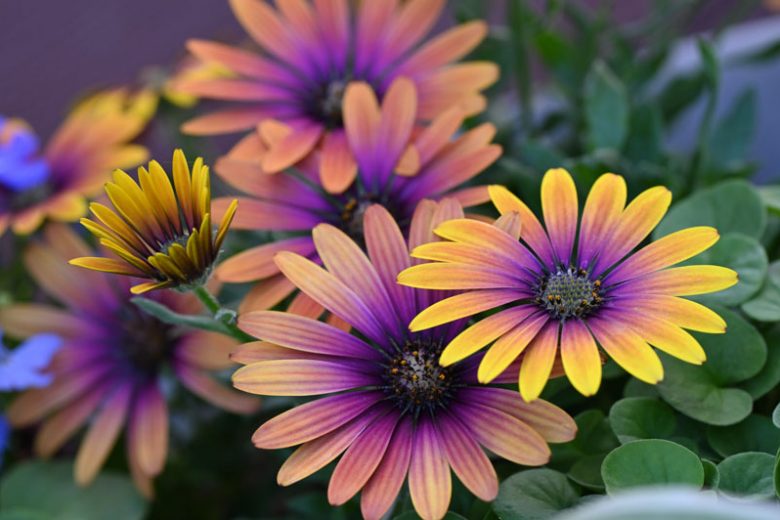
African daisies, with their vibrant blooms and hardy nature, make an excellent companion for lavender in any garden. They thrive in full sun and well-draining soil, requiring minimal care. Full sun is essential for both plants to flourish together.
I love the various African daisy varieties that bloom into fall, enhancing visual appeal while attracting pollinators.
Proper African daisy care involves weekly watering and ensuring good drainage, just like lavender.
6. Roses

While exploring companion planting options, I’ve found that roses pair beautifully with lavender, creating a dynamic and harmonious garden. Lavender attracts bees for pollination and repels pests like aphids, benefiting rose care. Both thrive in full sun and well-draining soil, but ensure to space them 2 to 3 feet apart. This combination not only looks stunning but extends the flowering season too. Additionally, the presence of ladybugs attracted to lavender provides natural aphid control, further enhancing the health of your roses.
7. Zinnia
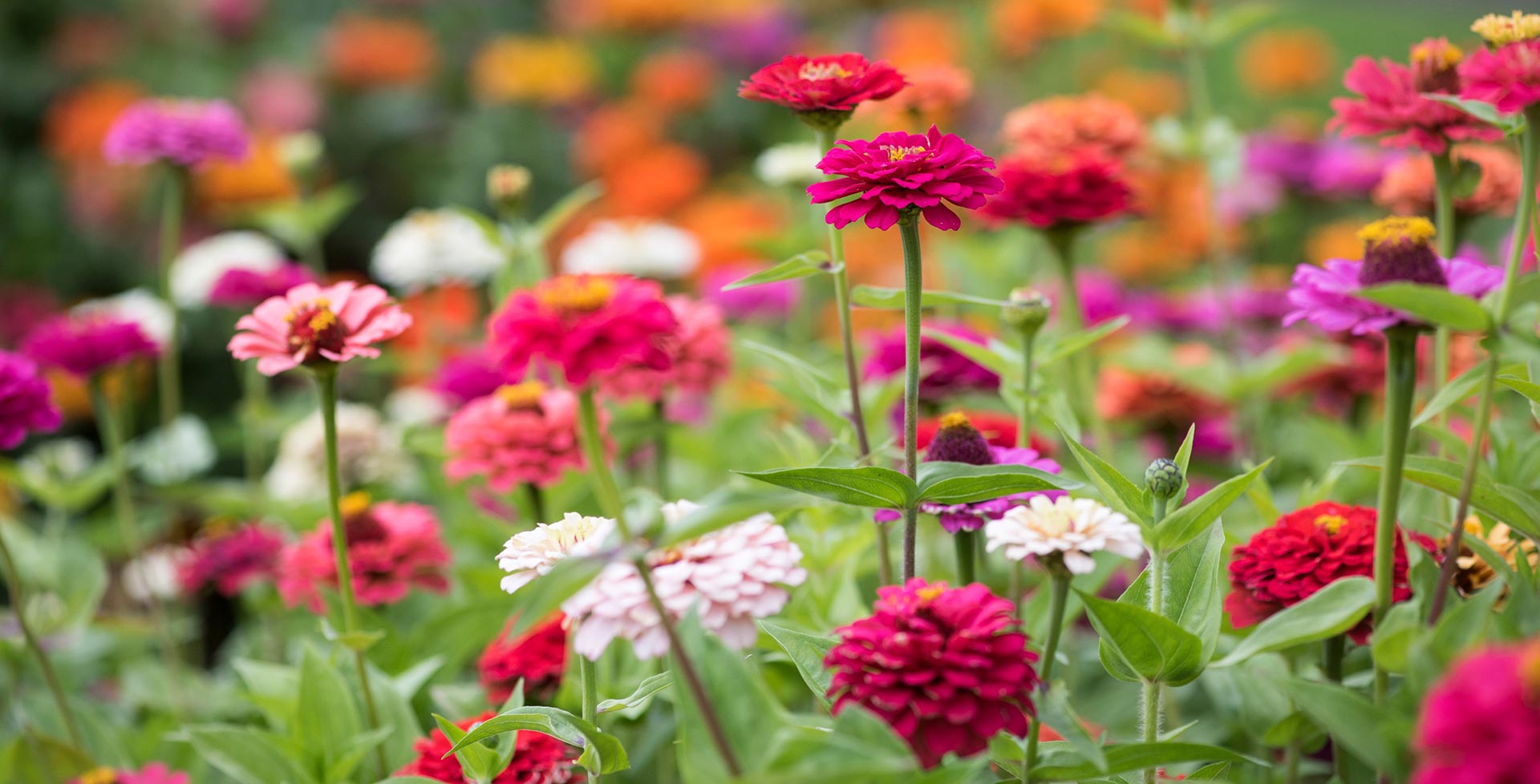
Zinnias are a fantastic choice for enhancing any garden, thanks to their vibrant colors and ability to attract beneficial pollinators. For optimal zinnia care, ensure they receive full sun and well-drained soil. With various zinnia varieties available, you can create stunning combinations alongside vegetables like tomatoes and peppers, boosting pollination and overall yield while adding aesthetic appeal to your garden space. Additionally, companion plants like marigolds can further enhance pest management and attract even more pollinators, leading to a healthier garden ecosystem.
8. Baby’s Breath

Baby’s Breath, with its delicate clusters of white blossoms, offers a striking contrast to the rich hues of lavender. For effective baby’s breath care, ensure full sun and well-drained, preferably alkaline soil. I recommend spacing plants about 10 inches apart. Baby’s Breath thrives in a range of growing zones (3-9), making it adaptable to various climates and conditions. With varieties that thrive in dry conditions, this low-maintenance companion not only enhances aesthetics but also helps suppress pests and cover dying stems.
9. Geranium

Geraniums make an excellent companion for lavender, offering both aesthetic and functional benefits to the garden. With their vibrant flowers and lush foliage, they provide contrasting visual appeal. For optimal geranium care, ensure they receive adequate moisture while sharing similar sunlight and soil preferences. Various geranium varieties, especially scented ones, effectively repel pests, enhancing the health of your lavender and surrounding plants. Additionally, both geraniums and lavender thrive in full sun conditions, making them perfect companions in your garden design.
10. Thyme
While many plants can coexist harmoniously in the garden, thyme stands out as a particularly beneficial companion for lavender.
Thyme benefits include pest control, repelling harmful insects and attracting pollinators. Additionally, thyme is drought-resistant, requiring less water than other herbs, which complements lavender’s water needs.
In terms of thyme care, it thrives in the same well-drained, low-fertility soil as lavender, making them perfect partners.
Together, they enhance each other’s growth while suppressing weeds effectively.
11. Oregano

Oregano benefits include repelling pests like aphids and enhancing growth through its allelopathic properties. Additionally, oregano’s strong aroma naturally repels pests while attracting beneficial insects. When considering oregano planting, I love interplanting it with lavender in well-drained soil and full sun. This combination not only improves soil health but also attracts beneficial insects and creates a vibrant garden ecosystem.
12. Sage

Sage stands out as an exceptional companion for lavender, thanks to their shared growing preferences and unique benefits. Sage varieties thrive in similar full sun and well-draining soil conditions. The pest control benefits of sage, such as repelling harmful insects, protect lavender. Together, they attract beneficial insects, enhancing pollination and creating a harmonious, fragrant garden that thrives without chemical intervention. Additionally, this pest control capability helps maintain a balanced ecosystem, further supporting the health of both plants.
13. Catnip

Building on the benefits of companion planting, catnip proves to be another excellent ally for lavender. Its pest-repelling properties complement lavender’s, deterring insects like mosquitoes and aphids. Additionally, the oil in catnip leaves is particularly effective against common pests that threaten both plants.
Both thrive in full sun and well-draining soil, making catnip care straightforward. Additionally, catnip enhances soil health, aerating it with its deep roots, while attracting beneficial pollinators, ensuring a thriving garden ecosystem.
14. Marigold

Marigolds, with their vibrant blooms and numerous benefits, make an excellent companion for lavender in any garden setting. They act as a marigold pest repellent, deterring harmful insects while attracting beneficial pollinators. Their bright colors not only enhance biodiversity but also provide stunning visual contrast next to lavender, creating an aesthetically pleasing environment while suppressing weeds and conserving soil moisture effectively. Additionally, their drought-tolerant nature contributes to overall garden health.
15. Basil

While exploring companion planting options, I’ve found that basil pairs exceptionally well with lavender in the garden. Basil benefits include pest control, as its fragrance repels aphids and whiteflies. Both thrive in full sun, making them ideal companions. Additionally, this combination provides a diverse ecosystem that attracts pollinators and improves soil health, creating a vibrant garden ecosystem. I love using basil in my recipes, and this combination not only enhances flavors but also attracts pollinators and improves soil health, creating a vibrant garden ecosystem.