

When I’m companion planting lettuce, I find that several plants work wonders together. Beets and carrots improve soil structure and suppress weeds. Radishes and turnips aerate the soil and deter pests. Tomatoes provide shade, preventing bolting, while cucumbers offer vertical space benefits. Beans enrich the soil with nitrogen, and spinach thrives under similar conditions. For pest control, I incorporate chives and marigolds, which attract beneficial insects and repel harmful ones. Each plant plays a vital role in boosting lettuce growth and garden health. If you’re intrigued, you’ll discover even more companion plants to explore soon.
1. Beets
:strip_icc()/bhg-plant-beet-garden-101976738-ac6a07ed011c4366a6398eaa3dcc4020.jpg)
Beets are an excellent companion for lettuce in the garden, providing numerous benefits that enhance both plants’ growth. Their different root depths prevent competition, while lettuce retains moisture for thirsty beet varieties. Additionally, beets help improve soil health by breaking up compacted soil, which supports the growth of nearby plants. This process contributes to microbial life thriving in the soil, further enhancing nutrient availability for both crops.
I love using beets in vibrant recipes, like salads or pickles, which highlight their earthy flavor. Together, these plants thrive, improving soil health and reducing weed issues efficiently.
2. Carrots

Although carrots are well-known for their deep roots and nutrient-rich benefits, they thrive even better when paired with companion plants like lettuce.
Lettuce maximizes garden space, as its shallow roots won’t compete with carrots. Additionally, it acts as a smother crop, helping suppress weeds and deter carrot pests, while both plants flourish in similar cool, moist carrot soil conditions. This companion planting reduces weed competition in gardens and enhances overall crop yield.
3. Parsnips

Parsnips, with their sweet, nutty flavor, are a fantastic addition to any garden, especially when paired with compatible companion plants. They provide excellent pest control by repelling aphids and other pests. Additionally, planting legumes like peas and beans alongside parsnips improves soil quality by fixing nitrogen. This symbiosis enhances both pest resistance and soil improvement, creating a thriving garden ecosystem. Diverse root structures from companion plants can also significantly enhance soil health and nutrient uptake, contributing to optimal plant growth in your garden.
4. Radishes
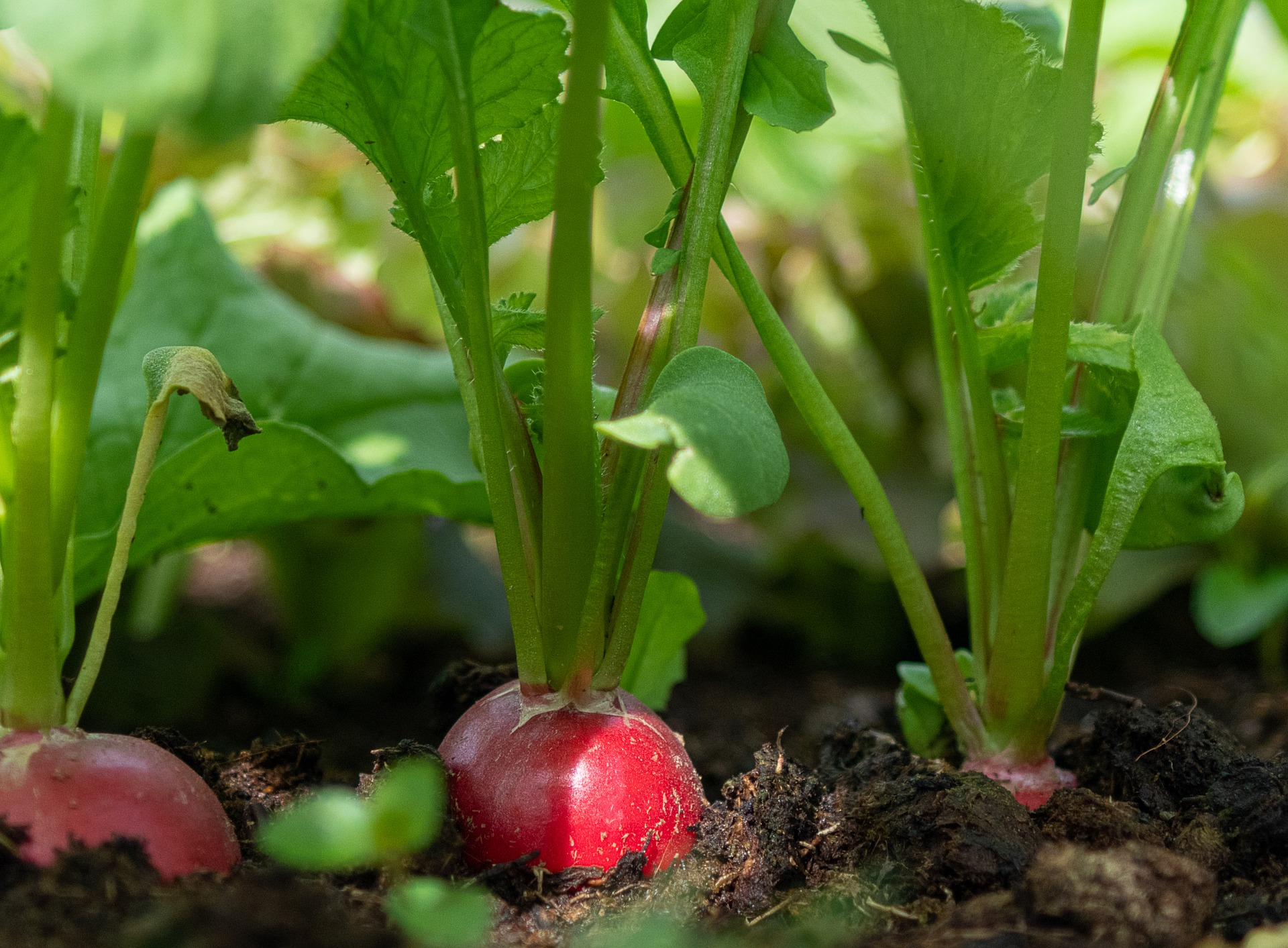
When you incorporate radishes into your garden alongside lettuce, you’ll quickly discover the numerous benefits they bring. Radish varieties mature in just three to four weeks, allowing for early harvests that reduce competition for nutrients. Their quick growth not only softens the soil but also repels pests, enhancing your lettuce’s health. Additionally, soil sampling can help you determine the nutrient needs of your garden, ensuring optimal growth conditions. Plus, radish nutrition offers vitamins that can boost overall garden vitality. Additionally, understanding plant safety for pets is crucial when selecting companion plants to ensure a healthy environment for your furry friends.
5. Turnips

Turnips serve as excellent companions for lettuce, offering a variety of benefits that enhance garden productivity. Their deep roots aerate the soil, improving nutrient distribution for lettuce. Plus, they act as an aphid repellent, protecting your crops. With numerous turnip varieties available, you can enjoy both fresh salads and delicious turnip recipes while maximizing your garden space efficiently. Additionally, companion planting with turnips can improve soil health through diverse nutrient needs, benefiting the overall garden ecosystem. This practice can also contribute to maintaining soil quality, ensuring optimal conditions for healthy vegetable growth.
6. Marigolds
Marigolds are a fantastic companion plant for lettuce, offering numerous benefits that can significantly enhance your gardening experience. They attract pollinators, repel pests, and reduce weed growth, all while conserving water and nutrients. Plus, marigold maintenance is easy since they thrive in various soil types and don’t aggressively compete with lettuce, allowing both plants to flourish harmoniously in your garden. Additionally, marigolds contribute to overall garden health by promoting a balanced environment that supports plant growth and pest management.
7. Chives

Chives benefits include repelling pests like aphids while enhancing growth and flavor. Their shallow roots won’t compete with lettuce, and they attract beneficial insects. Additionally, chives emit an onion-like aroma that acts as a natural deterrent against common pests, further protecting your lettuce crop. Plus, chives maintenance is minimal, thriving in various conditions and enriching soil health when composted.
8. Garlic
Garlic is an exceptional companion plant for lettuce, offering a range of benefits that enhance both plant health and garden productivity. Its garlic properties act as a pest repellent, deterring harmful insects and larger pests. Additionally, garlic is known to enhance soil health, which promotes robust lettuce growth. In terms of garlic cultivation, it grows compactly, allowing efficient use of space, while its sulfur compounds improve soil quality, promoting robust lettuce growth.
9. Mint

Mint serves as another valuable companion plant for lettuce, complementing the benefits that garlic provides.
Its mint varieties effectively repel slugs, aphids, and spider mites while enhancing soil moisture and aeration through extensive root systems. Additionally, mint can enhance pest control by deterring harmful insects that may threaten lettuce crops.
In mint cultivation, I find its ground cover reduces weeds, and its shade keeps soil cool, fostering a healthier ecosystem for my lettuce and other garden plants.
10. Dill
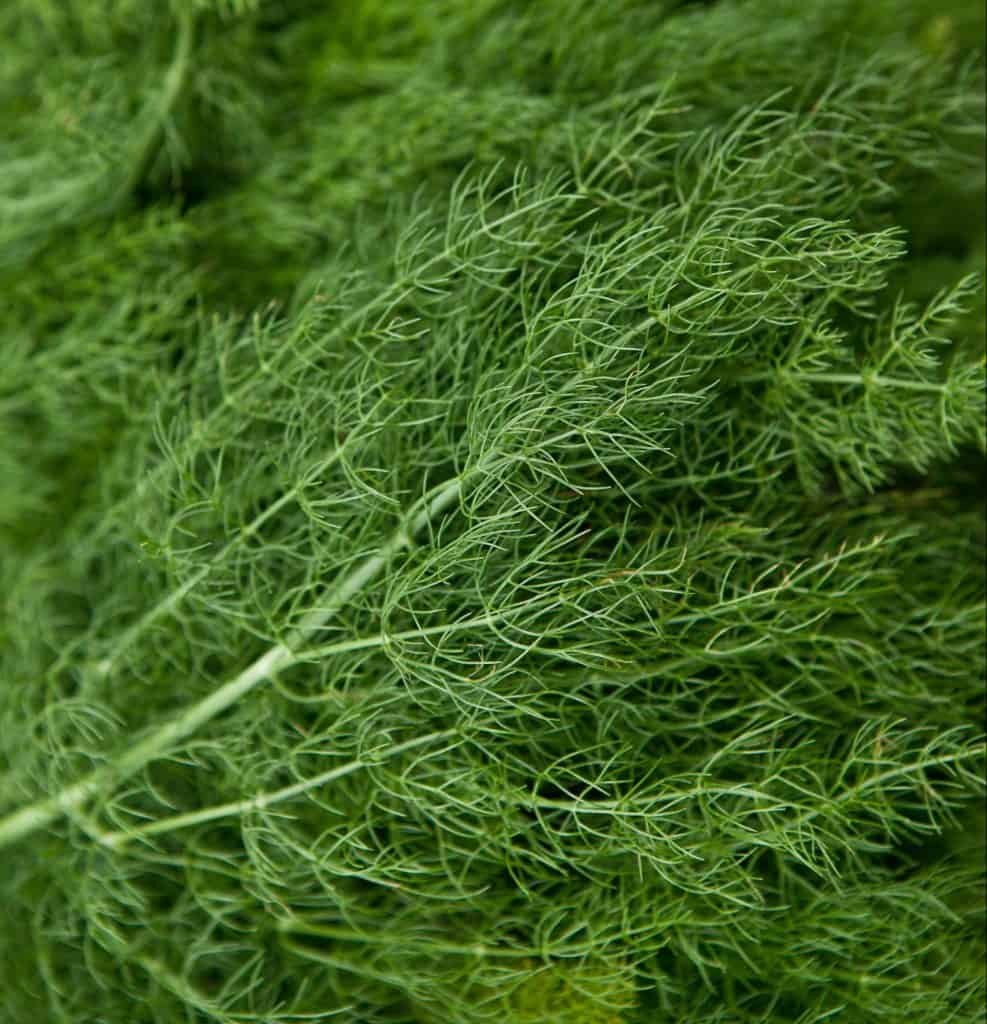
While exploring companion planting strategies, I find that dill proves to be an exceptional partner for lettuce.
The dill benefits include deterring pests like cabbage loopers and attracting beneficial insects, enhancing garden health. Companion planting with dill can lead to healthier and more productive gardens, promoting sustainable land resource use and ecological balance. Dill growing alongside lettuce optimizes space, as their cycles align perfectly. Together, they promote biodiversity, improve soil structure, and reduce the need for pesticides in my garden.
11. Broccoli

Although I often focus on individual crops, integrating broccoli into my lettuce planting strategy has proven to be highly beneficial. Broccoli benefits lettuce by providing shade, preventing bolting during hot afternoons. Additionally, it attracts beneficial insects that help control broccoli pests, like cabbage worms. This pairing optimizes space and moisture retention, ensuring both crops thrive together in harmony. Furthermore, this companion planting strategy can enhance overall garden health, creating a more resilient growing environment.
12. Cucumbers
:max_bytes(150000):strip_icc()/ms-planting-cucumbers-5e12118076a54b4a9e487c92b991de6a.jpg)
Integrating cucumbers into my lettuce planting strategy offers a multitude of advantages that enhance both crops’ growth and overall productivity. The non-interfering root systems prevent competition, while lettuce provides shade for flowering cucumbers. Plus, cucumbers serve as a natural trellis for lettuce. With these cucumber benefits, I optimize space and promote healthy lettuce growth, ensuring a thriving garden ecosystem. Additionally, this companion planting strategy can significantly reduce pest populations that threaten both crops.
13. Tomatoes

When I plant tomatoes alongside lettuce, I create a beneficial microenvironment that enhances the growth of both crops. The taller tomato varieties provide shade, preventing lettuce from bolting and retaining soil moisture. For optimal tomato care, I position them strategically to block intense sunlight. This combo allows me to harvest lettuce multiple times, maximizing my garden space effectively. Additionally, the companion planting of tomatoes and lettuce improves soil health and biodiversity in my garden.
14. Beans
:max_bytes(150000):strip_icc()/how-to-grow-green-beans-1403459-hero-530fc7f267ce44cf89415748b46d88b4.jpg)
Planting beans alongside lettuce not only enhances the growth of both crops but also enriches the soil, making it a smart choice for any garden. Beans provide nitrogen-fixing properties that benefit lettuce growth by improving soil nutrients. I recommend using bush bean varieties, as they don’t compete for space. For planting strategies, ensure you space them 30-40 cm apart and interplant lettuce between rows to maximize yields and suppress weeds effectively.
15. Spinach

Although spinach thrives alongside lettuce, understanding their compatibility can significantly enhance your garden’s productivity. Both prefer cooler weather and consistent moisture, allowing for shared resources without competition. This pairing not only improves soil health but also supports beneficial insects. Additionally, this combination can lead to enhanced overall plant vigor, resulting in a more resilient garden ecosystem. As I focus on spinach nutrition and plan for spinach harvesting, I appreciate how these plants create a vibrant, pest-resistant garden ecosystem.