
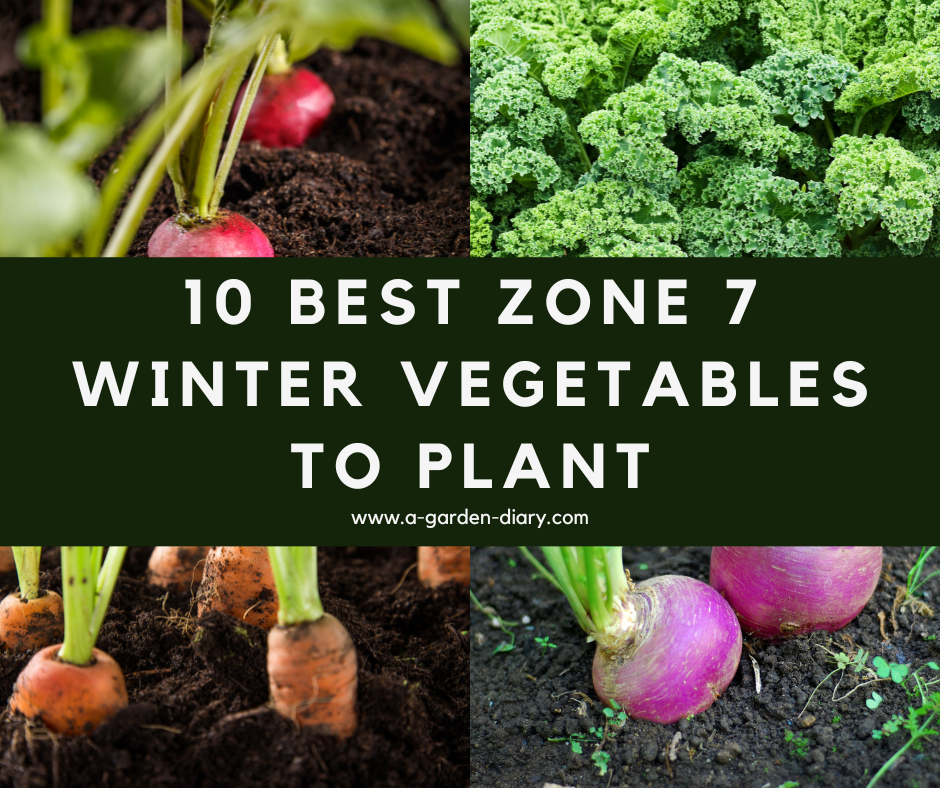
In Zone 7, I recommend planting kale, spinach, collards, carrots, beets, turnips, broccoli, Swiss chard, leeks, and radishes for a reliable winter garden. Kale and collards sweeten after a frost, enhancing their flavor, while spinach and Swiss chard can endure low temperatures with the help of row covers. Root vegetables like carrots, beets, and turnips thrive in well-drained, fertile soil and offer fresh yields before the deep winter sets in. Broccoli and leeks, protected with mulch and row covers, continue to flourish despite the frost. Don’t forget radishes for a quick harvest! Each vegetable has specific needs for optimal growth, so a bit more attention to their individual requirements will reward you with bountiful harvests throughout winter.
1. Planting Kale in Zone 7
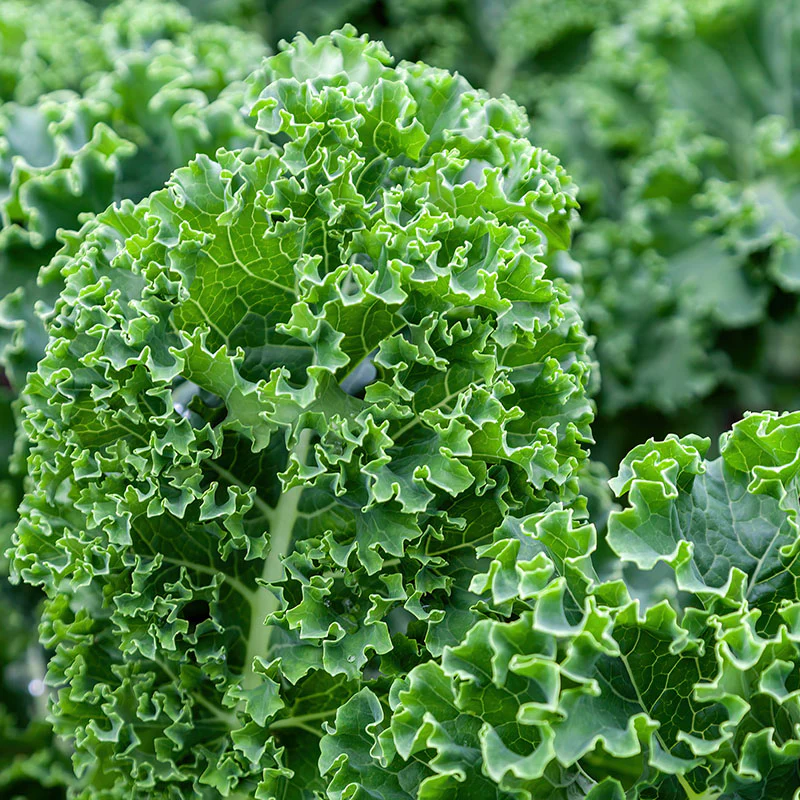
If you’re planning to grow kale this winter in Zone 7, late summer to early fall is your ideal planting window. Aim to get your seeds in the ground between mid-August and early September.
This timing leverages the cooler temperatures that kale thrives in, enhancing its growth and flavor, especially after a frost.
Make sure your garden bed has well-drained soil, ideally enriched with compost, to encourage healthy kale plants. These growing conditions help fend off pests and diseases.
Don’t forget about regular watering; despite the cooler weather, kale needs consistent moisture to produce those lush, hearty leaves.
With these tips, your winter gardening efforts should yield a bountiful kale harvest ready to enhance your winter meals.
2. Growing Spinach in Winter

While many plants struggle with frost, spinach thrives in the chilly temperatures of Zone 7 winters, making it an excellent choice for your garden. As a cold-hardy crop, spinach can be sown as late as mid-October, enduring temperatures down to 20°F.
It prefers a sunny spot with well-drained soil rich in organic matter. This setup maximizes growth during the shorter days of the growing season. Ensure the soil stays moist, as spinach seeds germinate best in cool conditions, usually sprouting within 7 to 14 days.
Utilizing row covers not only guards against frost but also helps trap heat and moisture, boosting growth. Remember, regular harvesting of mature leaves promotes continuous new growth, providing fresh spinach all winter long.
3. Best Practices for Collards

Plant collards in Zone 7 during late summer to early fall to ensure a robust winter harvest. These leafy greens thrive in the cooler temps and aren’t shy about a little frost. In fact, they sweeten up a bit after a cold snap!
Make sure they’re in well-drained, fertile soil, as soggy conditions aren’t their cup of tea. Space them 18 to 24 inches apart—this gives them room to spread out and breathe.
Don’t forget regular watering, especially if it’s dry, but keep it balanced to avoid waterlogged roots. For a steady supply of greens, try succession planting every few weeks until the frost dates approach. You’ll be thankful for the continuous bounty through the winter months.
4. Tips for Cultivating Carrots

Carrots, a root vegetable favorite, are perfectly suited for the crisp conditions of Zone 7 winters. To ensure a successful winter harvest, sow seeds directly into well-drained, loose soil from late summer to early fall.
It’s crucial to thin the seedlings to 2-4 inches apart, allowing each carrot enough room for adequate root development. Regular watering is key; aim to keep the soil moist but not soggy, watering about once a week. This prevents the roots from becoming woody.
Additionally, applying mulch around your carrot plants will help retain soil moisture, suppress weeds, and protect the roots from cold snaps. Harvest your carrots when they’re about 1/2 inch to 1 inch in diameter for the best flavor and texture.
5. Beets Planting Guide

In Zone 7, you can start sowing beets from mid-March through early August to take advantage of their optimal growing conditions.
For a successful garden plan, ensure your soil temperature ranges between 50°F and 85°F. Space your beet seeds about 2-4 inches apart in rows that are 12-18 inches apart. This spacing helps in maintaining your garden and allows beets to grow without competition.
Ensure your soil is well-drained and enriched with plenty of organic matter. Aim for a soil pH between 6.0 and 7.0.
Regular watering is crucial; strive to provide about 1 inch per week, especially during dry spells, to promote robust root development.
Harvest your beets when they’re about 1.5 to 3 inches in diameter for the best flavor and tenderness.
6. Sowing Turnips in Cold

As temperatures drop, sowing turnips in Zone 7 offers a fantastic opportunity to enjoy fresh, sweet vegetables throughout the winter. If you’re looking to maximize your garden’s output, turnips are a top choice due to their resilience in cold temperatures.
Start by sowing turnip seeds directly into well-prepared soil with a pH between 6.0 and 7.0, ideally from late summer to early fall. Space them 2-4 inches apart to ensure they’ve room to grow.
Winter planting isn’t just about putting seeds in the ground; it includes careful garden maintenance. Keep the soil consistently moist to aid germination and consider applying mulch to protect the emerging plants from freezing temperatures.
You’ll find that the cold even sweetens the turnips, enhancing their flavor.
7. Cultivating Broccoli in Frost

Following turnips, another great option for your Zone 7 winter garden is broccoli. This frost-tolerant vegetable thrives in cooler temperatures and can withstand lows down to 20°F.
When planting, opt for cold-resistant varieties like ‘Winterbor’ or ‘Arcadia’, which are bred for harsh conditions. Ensure they’re sown in well-drained soil, enriched with compost to maintain a pH between 6.0 and 7.0.
Adding a layer of mulch around your broccoli can retain moisture, suppress weeds, and protect roots from sudden temperature drops.
Despite the cold, keep an eye out for pests such as aphids and cabbage worms. I recommend using row covers to safeguard your plants from frost and pests, securing your winter harvest.
8. Growing Swiss Chard Outdoors

Planting Swiss chard in your Zone 7 garden offers a robust, frost-tolerant crop ideal for winter harvesting. As a versatile winter vegetable, Swiss chard thrives when planted in late summer, ensuring a steady yield through colder months.
For optimal growth, choose a spot with well-drained soil, enrich it with compost, and space your plants 6 to 12 inches apart. This leafy green not only survives light frosts but becomes sweeter and more flavorful after exposure.
Remember to water regularly, especially during dry spells, but avoid overwatering to prevent root rot.
To harvest, simply cut the outer leaves at the base, allowing the inner leaves to continue growing for multiple harvests throughout the winter.
9. Winter Care for Leeks
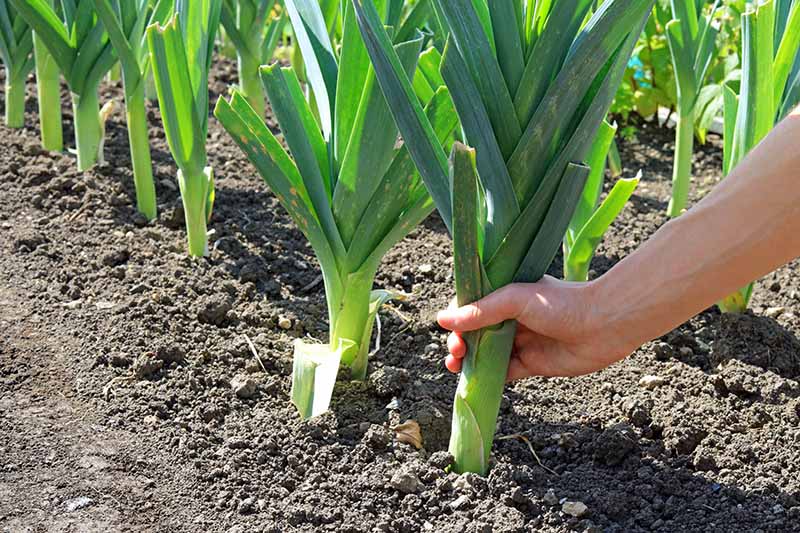
To ensure your leeks thrive through the winter in Zone 7, start by planting them in well-drained, fertile soil enriched with compost.
Choose a planting date in late summer to early fall, as leeks mature in about 100-120 days and can withstand frost. Regularly check your garden beds for pests like onion maggots and use organic controls if necessary.
As colder weather approaches, apply a thick layer of mulch around the leeks. This helps retain soil moisture and protects them from freezing temperatures.
You can harvest leeks throughout the winter. Gently pull them from the ground as needed, ensuring they remain a flavorful addition to your winter meals despite the cold.
10. Radishes: Quick Harvest Crops

If you’re looking for a quick and satisfying addition to your winter garden, consider planting radishes. As quick harvest crops, radishes grow rapidly, typically maturing in just 25 to 30 days.
Sow them in Zone 7 from late summer to early fall to ensure they thrive in cooler temperatures. These veggies prefer well-drained, fertile soil with a pH between 6.0 and 7.0.
Opt for varieties like ‘Cherry Belle’ or ‘French Breakfast’ to suit your taste and size preferences. Plant radishes directly in your garden or raised beds, spacing seeds about 1 inch apart.
Be sure to harvest them when they reach the desired size to avoid a woody texture and overly strong flavor.