

When planting basil, consider companions like tomatoes, peppers, chives, and marigolds. These plants not only enhance basil flavors but also deter pests. Parsley, cilantro, garlic, and dill are excellent allies for health and biodiversity in your garden. Marjoram, oregano, nasturtium, lettuce, and carrots further enrich the ecosystem, offering flavor and protection. Each pairing brings unique benefits, creating a balanced and thriving garden environment.
1. Tomatoes
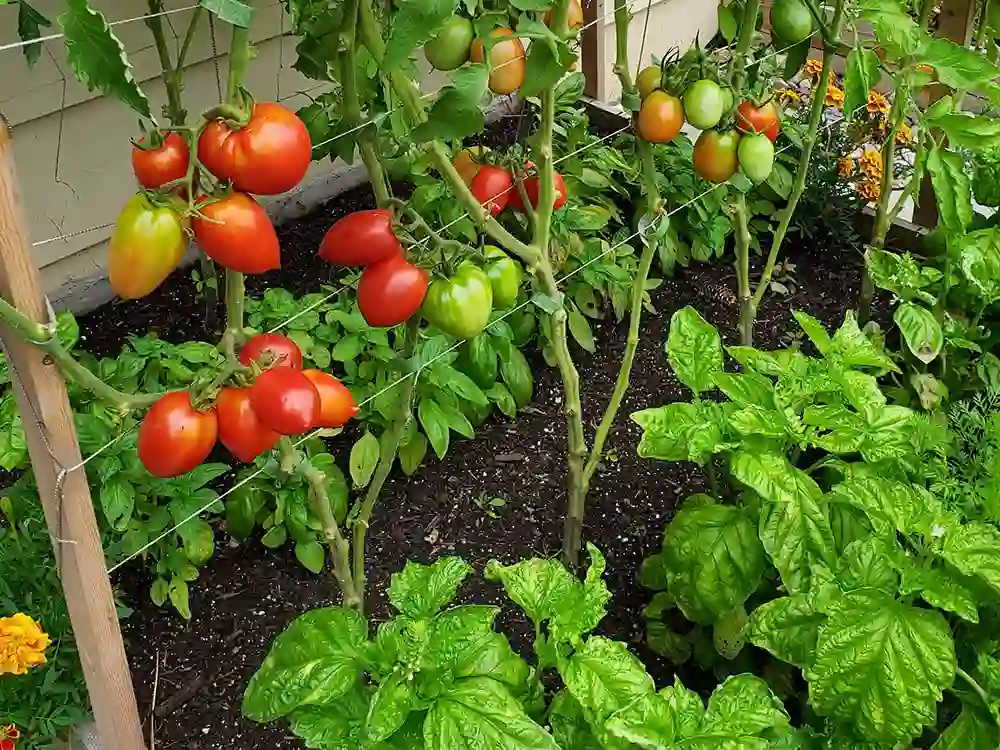
When planting basil as a companion for tomatoes, consider the specific varieties that pair exceptionally well together. Basil and tomatoes have a long-standing reputation for enhancing each other’s flavors in the vegetable garden. Certain tomato varieties like Roma, Burnley Surecrop, and Mortgage Lifter are known to complement basil perfectly, creating a harmonious relationship that not only results in flavorful produce but also potentially improves the health and yield of both plants. The aromatic properties of basil also play a role in deterring pests that commonly affect tomato plants, making it a valuable addition to your garden. By strategically planting basil alongside tomatoes, you not only enhance the flavor of your harvest but also help to keep pests at bay, leading to a more bountiful and thriving garden overall. So, next time you’re planning your vegetable garden, remember the benefits of pairing basil with tomatoes for a successful and delicious growing season.
2. Peppers
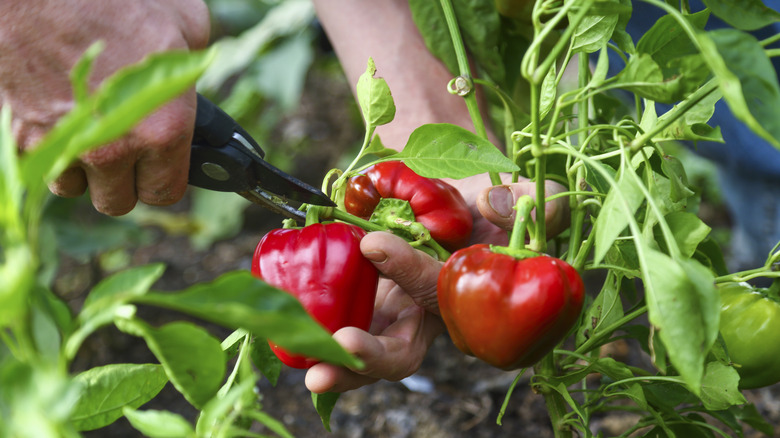
Peppers, being excellent companions for basil, thrive in similar growing conditions that promote their mutual benefits in the garden. When you interplant basil with peppers, you not only create an aesthetically pleasing garden bed but also a more productive one.
- Pest Deterrence: Planting basil near peppers can help deter common pests such as aphids, spider mites, and hornworms, protecting both plants naturally.
- Enhanced Flavor: The aromatic qualities of basil can enhance the flavor of peppers when grown together, resulting in more flavorful and robust harvests.
- Ideal Growing Conditions: Both basil and peppers thrive in full sun and well-drained soil, making them ideal companions that support each other’s growth and development.
3. Chives

Basil’s compatibility with chives extends beyond their shared preference for full sun and well-drained soil. Chives, as companion plants for basil, offer more than just a conducive growing environment. These slender green herbs not only enhance the flavor of basil when combined in culinary creations like pesto, salads, and pasta dishes but also act as natural pest repellents. Planting chives near basil can help ward off unwanted guests such as aphids, Japanese beetles, and carrot rust flies, ensuring a healthier basil crop.
Moreover, the partnership between chives and basil goes beyond the kitchen. Both plants attract beneficial insects like hoverflies and parasitic wasps, which contribute to a balanced and thriving garden ecosystem. By interplanting chives and basil, you not only create a visually appealing herb garden but also establish a symbiotic relationship that benefits both plants. So, consider including chives alongside your basil to enjoy a more robust and flavorful herb garden while supporting a natural pest management system.
4. Marigolds
:max_bytes(150000):strip_icc()/ms-companion-planting-getty-7bf2f8b2d00644ffaaebfb22353790ef.jpg)
Marigolds serve as valuable companions to basil in the garden, offering natural pest-repelling qualities and soil-enhancing benefits. When planted alongside basil, marigolds play a crucial role in maintaining a healthy garden ecosystem. Here are some key reasons why marigolds are excellent partners for basil:
- Pest Repellent: Marigolds are known to repel pests such as nematodes, aphids, and whiteflies, safeguarding the basil plants from potential damage.
- Soil Health: These vibrant flowers contribute to soil health by suppressing harmful nematodes and enriching the soil with organic matter as they break down, creating a more fertile environment for basil to thrive.
- Natural Pest Control: The strong scent of marigolds acts as a natural deterrent for harmful insects while attracting beneficial ones, promoting a balanced ecosystem that supports the growth of basil.
Pairing marigolds with basil not only enhances the garden’s aesthetics but also fosters a healthier and more productive growing environment.
5. Parsley

When considering companion plants for your basil in the garden, Parsley (Petroselinum crispum) stands out as a versatile herb that offers both culinary and gardening benefits. Parsley thrives in full sun and well-draining soil, making it an ideal companion for basil with similar sunlight and moisture requirements. This herb, suitable for USDA Hardiness Zones 2-11, complements basil well, enhancing garden biodiversity and providing natural pest control benefits.
Integrating parsley with basil not only adds aesthetic value but also promotes a healthy garden ecosystem. The aromatic foliage of parsley not only enhances the flavor of dishes but also attracts beneficial insects like ladybugs and hoverflies, which aid in pest control by preying on harmful garden pests. By planting parsley alongside basil, you create a mutually beneficial environment that supports both plants’ growth while naturally managing pests. Embracing parsley as a companion plant to your basil can elevate your garden’s productivity and sustainability.
6. Cilantro

Integrating cilantro with basil in your garden provides a harmonious pairing of herbs that thrive in similar growing conditions and complement each other both in the garden and in culinary applications. Cilantro, with its unique flavor, not only enhances the taste of dishes when combined with basil but also contributes to the overall health of your garden through companion planting. Here are some key points to consider:
- Flavor: Cilantro’s fresh and citrusy taste pairs exceptionally well with the sweet and peppery notes of basil in various recipes, adding depth and complexity to your culinary creations.
- Hoverflies and parasitic wasps: Planting cilantro near basil can attract beneficial insects like hoverflies and parasitic wasps, which help control pests naturally, promoting a balanced ecosystem in your garden.
- Biodiversity: The combination of basil and cilantro in your garden not only enhances the biodiversity of plant species but also improves the overall health of your garden by creating a more resilient and dynamic environment.
7. Garlic

Planting garlic alongside basil in your garden provides numerous benefits, including pest repellent properties and enhanced flavor profiles for culinary use. Garlic acts as a natural pesticide, repelling pests such as aphids, spider mites, and whiteflies that can harm basil plants. The strong scent of garlic confuses and deters these insects, protecting your basil crop. Moreover, interplanting garlic with basil can create a symbiotic relationship where both plants thrive.
When used together in recipes, garlic and basil complement each other, enhancing the overall flavor of dishes. The natural compounds in garlic not only protect basil from pests but also contribute to the unique and robust taste that basil is known for. By strategically planting garlic near basil, you not only ensure a healthier garden but also elevate the culinary experience with more flavorful and aromatic herbs at your disposal. Embrace this natural partnership in your garden to enjoy the benefits of this dynamic duo.
8. Dill

Consider incorporating some dill plants into your garden alongside basil to benefit from their mutual advantages. Dill serves as a beneficial companion plant for basil, attracting beneficial insects like predatory wasps and hoverflies that help keep pest populations in check. The strong scent of dill acts as a natural pest deterrent, repelling common basil pests such as aphids, spider mites, and cabbage loopers, thus protecting your basil plants.
When used together in culinary dishes, planting dill near basil can enhance the flavor profile of both herbs, creating a delicious fusion of tastes. Both dill and basil share similar growing conditions, thriving in full sun and well-drained soil. By interplanting dill with basil, you can establish a diverse and harmonious garden ecosystem that promotes overall plant health and productivity, making it a rewarding combination to cultivate in your garden.
9. Marjoram
Incorporating marjoram alongside basil in your garden presents an opportunity to enhance both the flavors and benefits of these companion herbs. Marjoram, also known as Origanum majorana, is a delightful addition to any herb garden. This aromatic herb, like basil, thrives in similar growing conditions, preferring full sun and well-draining soil. Marjoram’s sweet and mild flavor complements basil’s peppery notes, making them a perfect pair for culinary creations.
Not only does marjoram contribute to the sensory experience of your garden with its fragrant leaves, but it also offers practical benefits. This herb is not only easy to grow in containers or in the ground, but it also attracts beneficial insects that can help protect your basil plants from pests.
In Mediterranean cuisine, marjoram is a staple herb, often used in tomato dishes, stews, and marinades. By planting marjoram alongside basil, you not only create a visually appealing herb garden but also ensure a bountiful harvest of aromatic herbs that can elevate your culinary adventures.
10. Oregano

When cultivating basil in your garden, pairing it with oregano can provide a beneficial and aromatic addition to your herb collection. Oregano, a perennial herb suited for USDA Hardiness Zones 3-10, thrives in full sun and well-drained, acidic to neutral soil. Its aromatic leaves are popular in Italian and Mediterranean cuisines, adding a savory touch to dishes. Here are some key points to consider:
- Beneficial Insects: Oregano acts as a versatile companion plant, attracting beneficial insects like bees and predatory wasps that help control pest populations in your garden.
- Flavor Enhancement: Growing oregano alongside basil can enhance the flavor of both herbs, creating a dynamic and flavorful combination for your culinary endeavors.
- Mutually Beneficial: The partnership between basil and oregano fosters a mutually beneficial garden environment, promoting increased biodiversity and natural pest control mechanisms.
11. Nasturtium

Pairing basil with nasturtium can create a beneficial and visually appealing combination in your garden space. Nasturtiums, known for their vibrant flowers and peppery leaves, serve as excellent companion plants for basil. These hardy plants thrive in full sun and well-drained soil, making them adaptable companions in a wide range of climates, from USDA zones 2-11. When planted near basil, nasturtiums act as natural pest repellents, deterring harmful insects while attracting beneficial ones that help protect your garden. The edible flowers of nasturtiums not only add a pop of color to your garden but also serve as a flavorful addition to salads and various dishes. Additionally, the colorful blooms of nasturtiums can function as trap crops, diverting pests away from basil and other plants, thus promoting a healthier garden ecosystem. Consider adding nasturtiums alongside your basil to enhance both the aesthetic appeal and the pest management of your garden.
12. Lettuce
:max_bytes(150000):strip_icc()/how-to-grow-lettuce-getty-5348e204ce4948808dc6e88c7d7b2379.jpg)
Enhancing the growth of lettuce plants, basil serves as a beneficial companion that aids in pest control and pollination in your garden. When interplanted with lettuce, basil attracts hoverflies and parasitic wasps, which act as natural enemies to common lettuce pests, providing an effective form of biological control. The aroma of basil also acts as a deterrent to onion thrips, carrot rust fly maggots, and radish maggots, safeguarding your lettuce crop from potential damage.
- Basil attracts hoverflies and parasitic wasps, which help control pests in the garden.
- The fragrance of basil deters common lettuce pests like onion thrips and carrot rust fly maggots.
- Basil flowers support pollination not only for lettuce but also for other plants in close proximity, contributing to a healthier garden ecosystem.
13. Carrots

Interplanting basil with carrots can create a mutually beneficial relationship, enhancing the growth and pest resistance of both crops. Carrots serve as excellent companions for basil, aiding in deterring pests like aphids and spider mites. The strong aroma of basil acts as a natural pest repellent, masking the scent of carrots and making it challenging for pests to locate them. Additionally, when harvested together, the combination of carrots and basil can enhance the flavor of both crops.
Both carrots and basil share similar growing requirements, including well-drained soil and ample sunlight. This makes them ideal companions in the garden, as they can thrive alongside each other without one outcompeting the other for essential resources. Moreover, growing basil near carrots can attract beneficial insects like ladybugs, which help control common pests that may affect carrots, further promoting a healthy and thriving garden ecosystem. By planting basil alongside carrots, you can create a harmonious environment that benefits both plants.