

As a seasoned gardener in Zone 9, I highly recommend planting kale, spinach, carrots, beets, garlic, onions, broccoli, peas, cabbage, and cauliflower to enrich your winter garden. These plants not only survive but thrive in cooler temperatures and bring essential nutrients and flavors to your table. Kale and broccoli, for example, become sweeter with frost, while garlic requires the cold to develop robust flavors. Managing these crops involves ensuring well-draining soil and utilizing row covers to shield them from harsh frost. Exploring more about these plants will uncover specific tips and methods to maximize your winter harvest.
1. Kale: Hardy and Nutritious
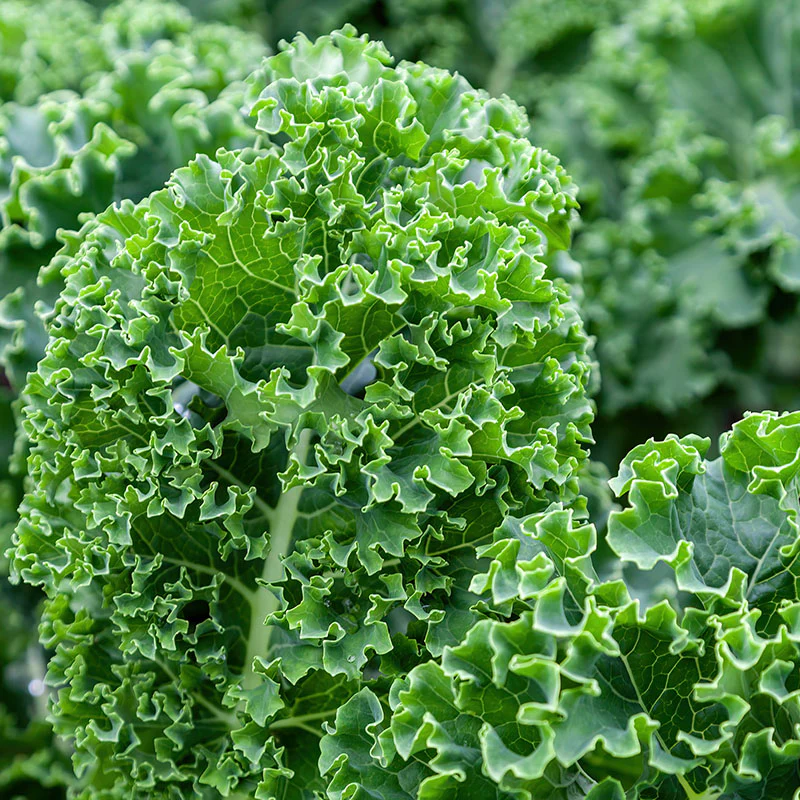
Kale, a resilient member of the cabbage family, truly excels during the cooler months in Zone 9. As a top choice among winter vegetables, it thrives in cool weather, tolerating light frosts that actually enhance its flavor.
Rich in vitamins A, C, and K, kale stands out not only for its nutritional value but also for its robust growth in colder conditions. Ideal for the cut-and-come-again method, it allows you to harvest leaves while ensuring continued growth by leaving the central point intact.
For those of us in Zone 9, starting seeds of varieties like ‘Winterbor’ and ‘Dwarf Blue Curled’ in late summer prepares a garden for a nutrient-rich harvest through the winter, making kale an indispensable cool weather crop.
2. Spinach: Cool Season Favorite
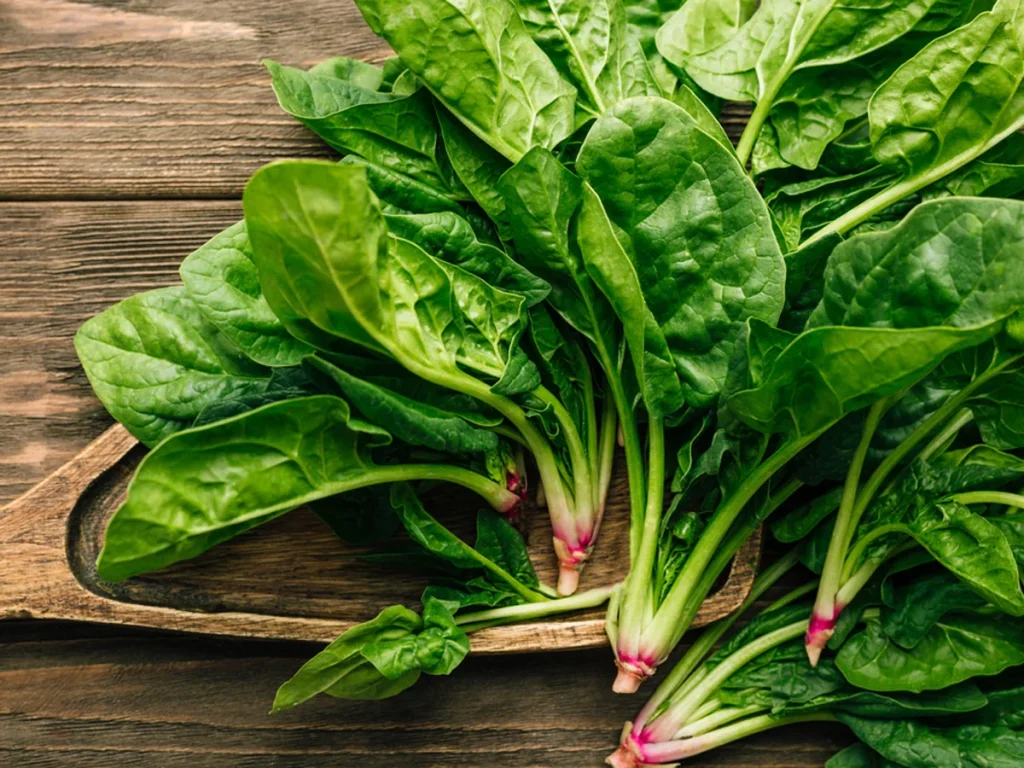
Amidst the chill of Zone 9 winters, spinach emerges as a formidable contender in the garden. As a nutrient-rich leafy green, spinach thrives in the cooler temperatures, ideally between 40°F and 70°F. This cool season crop adapts well to the mild cold, allowing for direct seeding from late fall.
You can expect a harvest in just 6 to 8 weeks, making it a quick and rewarding grow. To maximize yield, incorporate well-draining, fertile soil enriched with organic matter. Regular, balanced watering is crucial to avoid waterlogging yet maintain necessary moisture levels.
For a steady supply, practice succession planting by sowing seeds every few weeks. Spinach’s versatility in dishes from salads to soups makes it invaluable in your winter garden.
3. Carrots: Sweet Winter Crop
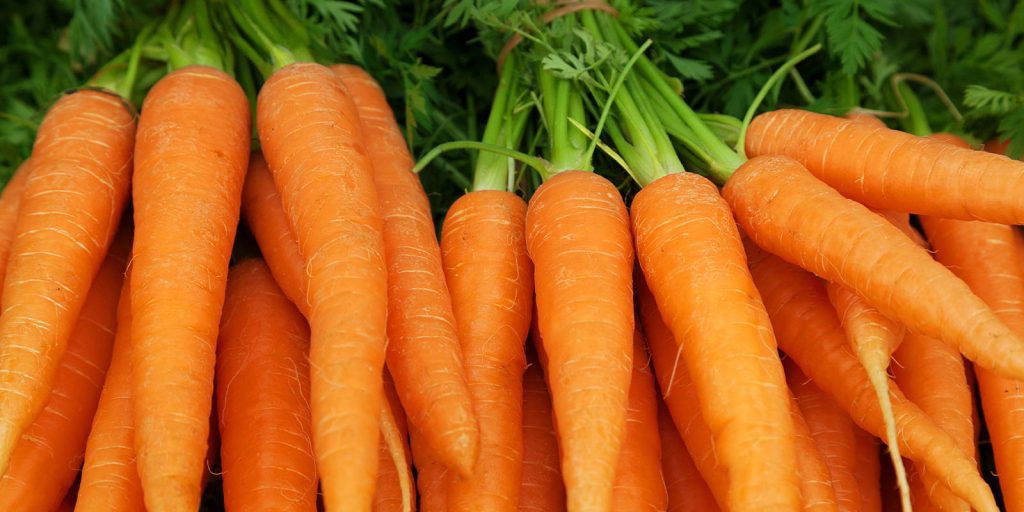
After exploring the robust characteristics of spinach for winter gardens in Zone 9, we now turn our attention to another remarkable cool-season crop: carrots.
Thriving in cooler temperatures between 40-70°F, carrots are ideally planted in late winter for a spring harvest. These root vegetables favor well-draining soil, rich in organic matter, and germinate within 14-21 days if soil temperatures hover around 60°F.
Notably, carrots’ flavor intensifies with cold exposure, yielding sweeter roots. Varieties like Nantes and Imperator are excellent for Zone 9, producing delectable, long roots.
To shield your carrot crops from frost, consider using row covers to maintain a warmer microclimate and protect plants during unexpected cold snaps.
4. Beets: Vibrant and Versatile

Beets, with their vibrant roots and versatile greens, are an excellent choice for winter gardening in Zone 9. Thriving in cooler temperatures, these cool season veggies can be sown from late fall to early spring.
They flourish in well-draining soil that’s rich in organic matter, with an optimal pH between 6.0 and 7.0. Harvesting beets can occur in about 50-70 days depending on the variety, allowing you a continuous bounty throughout the winter.
Both the nutrient-rich roots and greens are edible, packed with folate, manganese, vitamins A, and C, enhancing your winter diet. To shield young plants from frost, consider using row covers, which also help to slightly raise the ambient temperature, promoting better growth.
5. Garlic: Robust Winter Flavor
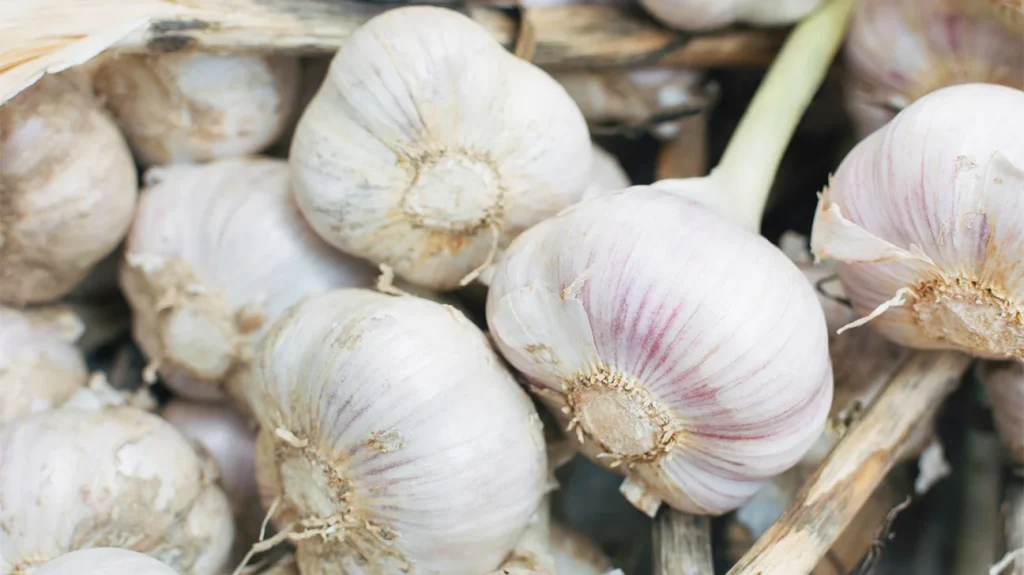
Garlic, a stalwart of the winter garden, thrives in the mild climate of Zone 9, making late fall to early winter the ideal times for planting.
To ensure robust growth, garlic demands well-draining soil enriched with organic matter. Aim for a soil pH between 6.0 and 7.0. This specific acidity range facilitates optimal nutrient uptake, essential for developing strong, flavorful bulbs.
Plant your cloves in a location that receives 6-8 hours of direct sunlight daily, as full sun exposure is crucial. Water judiciously, keeping the soil consistently moist but never waterlogged, especially during the crucial early stages of growth.
Come late spring to early summer, when the lower leaves yellow and dry, it’s time to harvest your garlic, promising a season full of zestful flavors.
6. Onions: Essential for Every Garden

Shifting focus from garlic, let’s explore another versatile vegetable ideal for Zone 9 winter gardens: onions. For those of you planting onions, the optimal window spans from September to December, ensuring a bountiful spring harvest.
This crop demands well-draining soil, enriched with organic matter, and craves full sun—at least eight hours daily.
I advise starting onions from sets, which simplifies planting and accelerates growth. Aim to deliver about 1 inch of water weekly, but always check soil moisture to avoid bulb issues like rot or cracking.
Don’t forget pest management; onion flies and thrips can wreak havoc. Using row covers can protect your plants effectively, steering clear of harsh chemicals.
Embrace these practices for thriving onions in your garden.
7. Broccoli: Cold Weather Champion

As we turn our attention to broccoli, a stalwart of the winter garden, it’s important to note its resilience in Zone 9’s cooler season. Thriving in mild temperatures, broccoli becomes an ideal cold-weather crop in this region.
Plant it in late summer, and you’ll enjoy a winter harvest. This nutritious vegetable demands well-draining soil with a pH from 6.0 to 7.0, enhanced by organic matter for optimal growth. It can withstand light frosts, which actually sweeten its flavor—something I’ve noticed in my own garden.
Ensure regular watering, about an inch per week, to maintain soil moisture without waterlogging. Consider successive planting with varieties like ‘Calabrese’ and ‘Green Magic’ to extend your harvest period in Zone 9.
8. Peas: Frost-Friendly Legumes
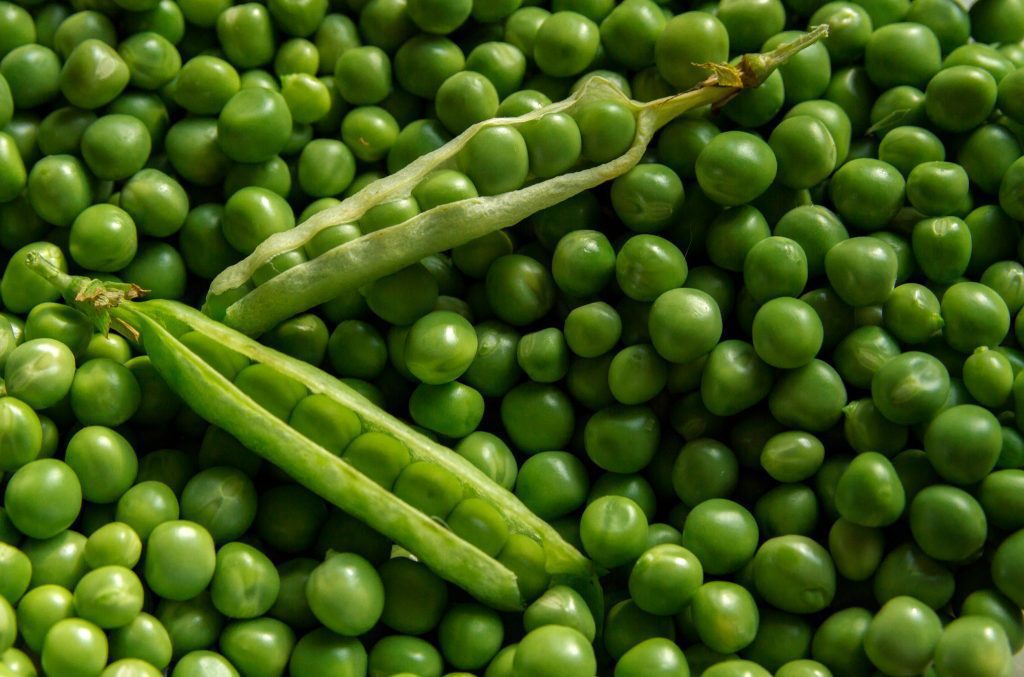
Peas, those frost-friendly legumes, are an excellent addition to your Zone 9 winter garden. Thriving in cooler temperatures, they can be planted as early as late winter for a delightful spring harvest.
Varieties like snap peas, snow peas, and shelling peas not only tolerate light frosts but continue flourishing as temperatures rise. For optimal growth, these peas prefer well-drained, fertile soil rich in organic matter.
Sow them at a depth of 1-2 inches and space seeds 2-4 inches apart. Besides yielding tasty pods, peas enhance soil fertility by fixing nitrogen, crucial for effective crop rotation.
Ensure they receive about 1 inch of water weekly and provide trellises to support their growth, making harvesting easier for you.
9. Cabbage: Dense and Leafy

Cabbage, with its dense layers and robust leaves, excels in the chill of winter, making it a top choice for Zone 9 gardens.
When planting this cool-season crop, aim for late summer to early fall to ensure a bountiful winter harvest. This hardy vegetable thrives in well-draining, nutrient-rich soil with pH levels between 6.0 and 7.0.
I recommend weekly watering of about 1 inch to maintain the soil’s moisture, crucial for cabbage’s substantial growth and to prevent bolting.
Rich in vitamins C and K, and packed with fiber, cabbage not only fortifies your vegetable garden but also boosts your health.
Harvesting occurs when heads are firm, about 70-100 days post-planting, allowing continuous yield through winter.
10. Cauliflower: Snowy Delight

Following our discussion of cabbage, let’s explore another excellent winter vegetable for Zone 9 gardens: ‘Snowy Delight’ cauliflower. This variety stands out not just for its aesthetic—large, creamy-white curds—but also for its sweet, delicate flavor when harvested at the peak of maturity.
Growing ‘Snowy Delight’ requires an understanding of its preferred conditions: well-draining, nutrient-rich soil and a climate that ranges from 30°F to 50°F. Ideal for planting from late summer to early fall, it matures in about 70 to 85 days.
It’s also notably resilient, tolerating light frosts which can actually enhance its flavor and texture. Regular watering and a mulch layer are crucial to maintain optimal moisture and temperature in the soil, ensuring robust growth.