

For your Zone 7 winter garden, I recommend robust plants like Japanese Yew and Dwarf English Boxwood, both of which maintain lush, vibrant greens throughout chilly months. If you’re a fan of texture and color, Coral Bells and Pansies provide lively hues, while Winter Jasmine delights with its bright yellow blossoms. Don’t overlook Winterberry for attracting wildlife with its eye-catching red berries. These selections not only survive but thrive in colder climates when nurtured in well-insulated pots. By including these diverse species, your garden will become a captivating winter refuge. As you get more involved, you’ll uncover even greater benefits these plants offer.
1. Japanese Yew Overview

The Japanese Yew, or Taxus cuspidata, is a resilient evergreen that retains its vibrant green leaves all year round, even in the harshest of winters.
As an evergreen shrub, it not only adds continuous color but also structure to your garden, especially in Zone 7 where winters can be severe.
This plant’s ability to thrive in containers makes it a versatile choice for urban settings or where ground planting isn’t feasible. Opt for larger containers to ensure adequate root insulation, which is crucial during cold months.
Its slow growth rate allows for easy shaping and pruning, perfect for those who appreciate a meticulous garden appearance.
2. Golden Duke Eastern Hemlock
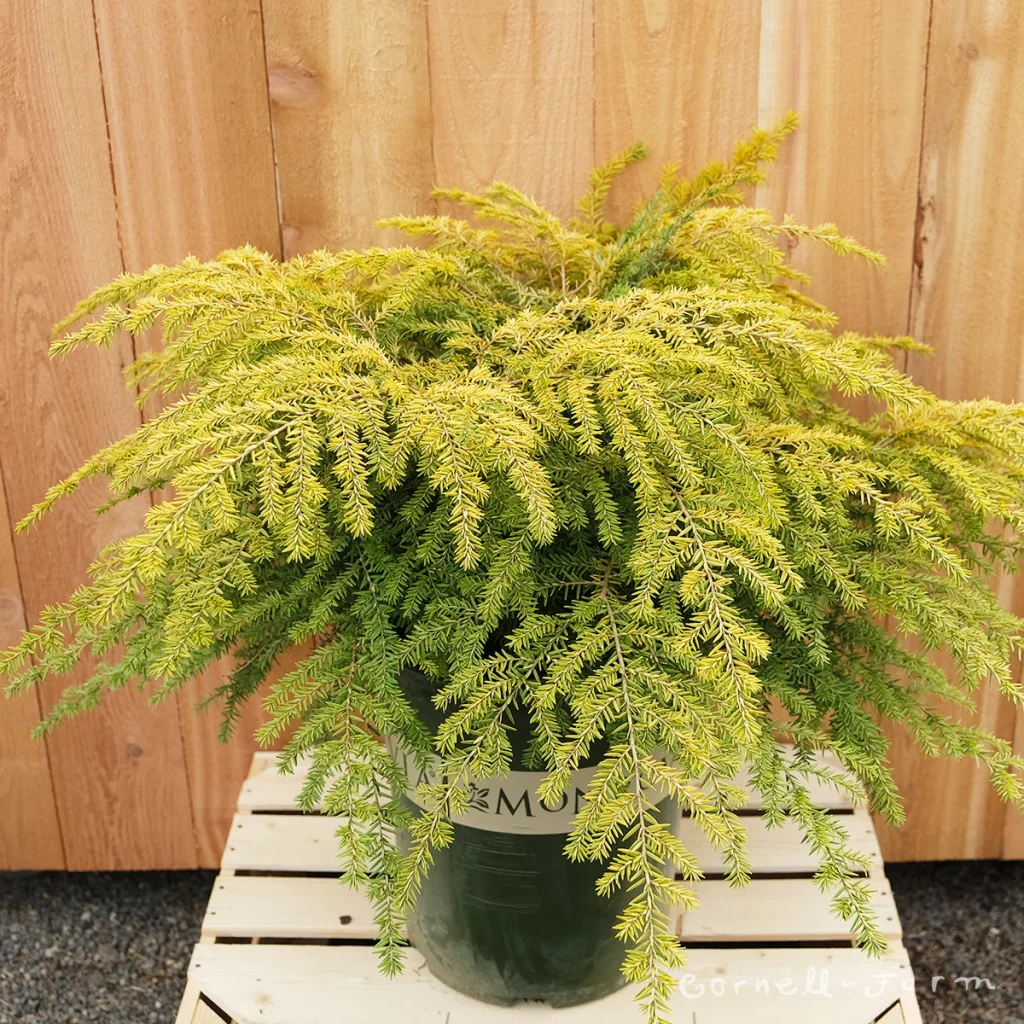
Golden Duke Eastern Hemlock, Tsuga canadensis Monjers, stands out in winter gardens with its vibrant yellow foliage. This evergreen thrives in Zone 7, bringing color to dreary winter days.
It tolerates more sunlight than typical hemlocks, making it versatile for placement in sunny to partially shaded areas. Hardy to -30°F, it’s ideal for winter containers, enduring harsh cold without faltering.
When paired with other cold-hardy plants, it enhances the visual appeal of winter arrangements. For best results, plant it in well-draining soil and ensure it receives adequate moisture, particularly during dry spells.
This will keep your Golden Duke Eastern Hemlock healthy and vibrant throughout the colder months, adding a splash of sunshine to your winter landscape.
3. Compact Oregon Grape Characteristics

Compact Oregon Grape, scientifically known as Mahonia aquifolium Compacta, captivates with its evergreen leaves that transform into a stunning purple-red during the winter months.
This vibrant change adds a striking touch to any winter landscape, making it a standout in your garden. Growing to a manageable height of 2 to 3 feet, it’s perfectly suited for container gardening, especially in smaller spaces.
When spring rolls around, it bursts into life with clusters of yellow flowers, ensuring your garden retains its allure year-round. Hardy to Zone 5, this shrub withstands frosty temperatures and thrives under varied conditions.
Its unique texture and color palette make it an exceptional companion for other cold-hardy plants, creating a lively and robust winter display.
4. Evergreen Shrubs Essentials
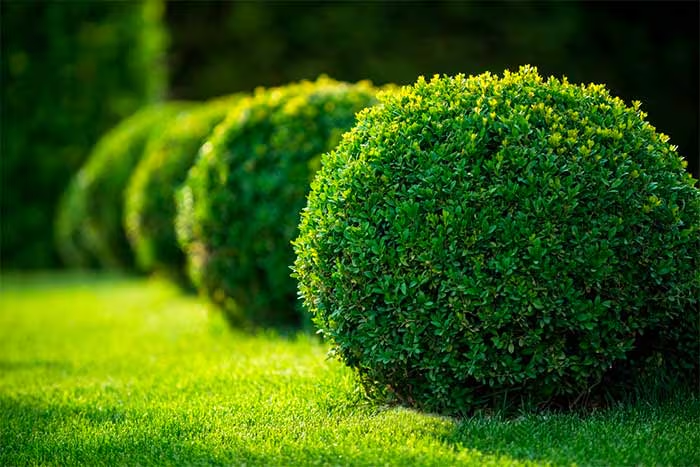
While many gardeners may overlook the importance of structure in winter gardens, evergreen shrubs like Juniper (Juniperus) and Dwarf English Boxwood (Buxus sempervirens Suffruticosa) are crucial for maintaining a vibrant outdoor space throughout the colder months.
These evergreen plants aren’t only hardy but also retain their lush foliage year-round, making them ideal for containers in Zone 7. The Slowmound Mugo Pine (Pinus mugo Slowmound), for instance, is excellent for adding depth as it remains compact and maintains its shape in winter, serving as either a filler or a thriller in your garden display.
Additionally, Yew (Taxus baccata) offers versatility with its ability to be pruned into formal shapes, enhancing your winter landscape’s visual appeal and structure.
5. Colorful Foliage Plants
A plethora of colorful foliage plants can transform your Zone 7 winter garden into a vibrant tableau, despite the chill.
Ornamental Kale, or Brassica oleracea, thrives in cold weather, its ruffled leaves bursting in hues of green, white, purple, and pink—ideal for adding a pop of color to your container plants.
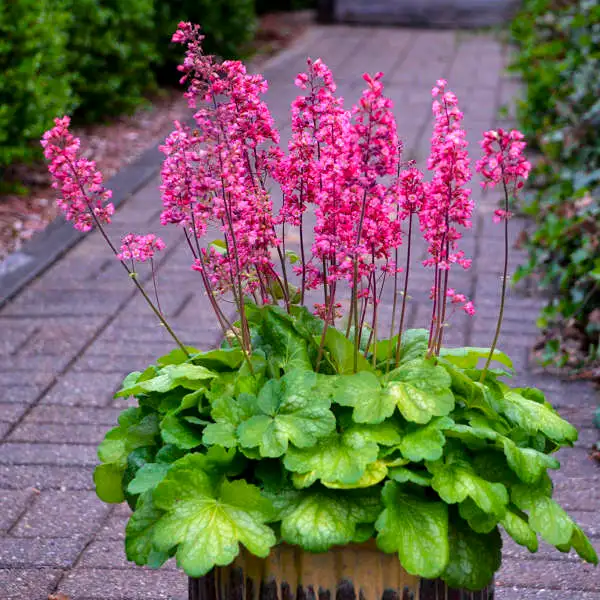
Coral Bells, known scientifically as Heuchera, adapt beautifully, with varieties like Peach Flambe turning a stunning purple in winter.
Dusty Miller, or Senecio cineraria, offers a striking silvery contrast, thriving in well-drained soil.
Lastly, Carex Red Rooster injects a warm, copper tone into arrangements, proving both hardy and elegant.
Each adds a unique touch, ensuring your garden remains lively and colorful throughout the colder months.
6. Winter-Blooming and Colorful Plants
Building on the vibrant foliage plants suitable for Zone 7 winters, let’s explore some exceptional winter-blooming varieties that promise color and life even in the colder months.
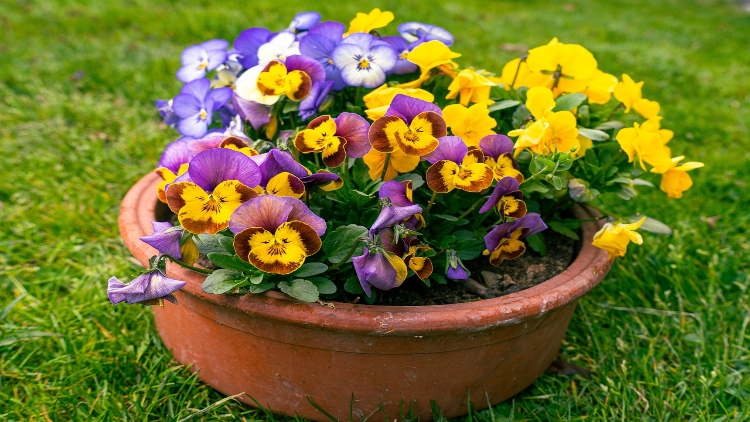
Pansies (Viola tricolor var. hortensis) are resilient, withstanding temperatures down to 23°F. Their wide range of bright colors makes them ideal for winter containers.
Cyclamen (Cyclamen persicum) offers delicate flowers in pink, red, and white, thriving in cooler conditions with minimal upkeep.
Winter Heather (Erica carnea), with its low-growing form and small blossoms, adds textural interest.
Hellebore (Helleborus orientalis) blooms early, introducing color when most needed.
Lastly, Winter Jasmine (Jasminum nudiflorum) cheers up the landscape with vivid yellow flowers, embodying the essence of bright color in winter plants.
7. Grasses and Ground Covers

I’ll now guide you through the selection of grasses and ground covers ideal for enhancing your Zone 7 winter garden.
Siberian Iris (Iris sibirica) is a top performer, thriving in well-drained soil and producing striking early spring blooms. Its robust nature makes it one of the best cold-hardy plants for winter.
Ornamental grasses like Miscanthus and Panicum add essential movement and texture to your winter displays, with varying heights for dramatic vertical interest.
Red Hook Sedge (Uncinia rubra), with its vibrant red foliage, and Carex Red Rooster’s copper tones, both under two feet, are excellent for creating layered effects in containers.
Lastly, Hens and Chicks (Sempervivum) offer bright, durable rosettes, perfect for winter resilience.
8. Unique and Textured Plants
Exploring the realm of unique and textured plants elevates any winter garden, especially in Zone 7 where variety and resilience can coexist beautifully.
Hens and Chicks (Sempervivum) thrive in large containers due to their shallow root systems, offering vibrant rosettes that withstand cold snaps.
Sedum varieties like Autumn Joy and Angelina contribute diverse colors and textures, enhancing visual interest throughout the chilly months.
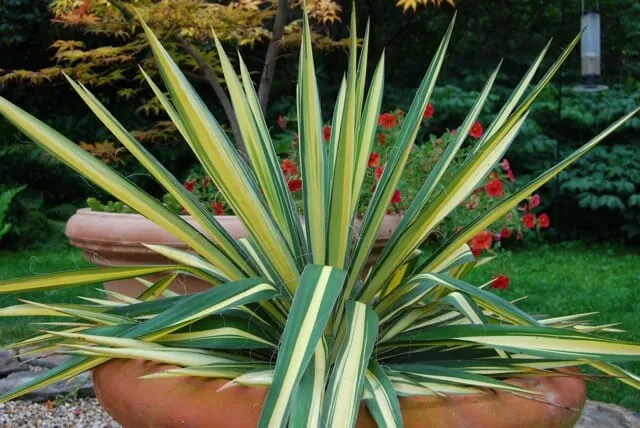
Similarly, Adams Needle Yucca (Yucca filamentosa), with its striking architectural presence, adapts well to various climates and provides a robust backbone to any potted display.
Lastly, Carex Red Rooster (Carex buchananii) and Dusty Miller (Senecio cineraria) introduce fine textures and contrasting colors, ensuring your winter garden remains visually engaging.
9. Berry-Producing and Wildlife Attractants
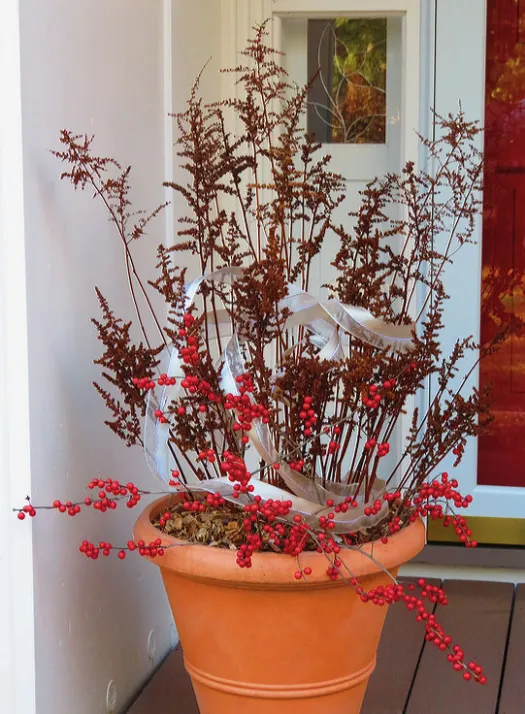
While textured plants like Carex and Sedum add visual depth to your winter garden, incorporating berry-producing varieties such as Winterberry (Ilex verticillata) and Dogwood (Cornus sericea) enhances both the aesthetic and ecological dynamics of your outdoor space.
Winterberry thrives in Zone 7, its bright red berries serving as crucial wildlife attractants by providing food for birds during sparse winter months. Remember, to ensure berry production, plant a male pollinator like Ilex verticillata ‘Southern Gentleman’ nearby.
Similarly, Dogwood’s vivid branches not only catch the eye but also offer sustenance to avian visitors. Both plants prefer moist soil, ideal for areas near water features or in naturally damp parts of your garden.
These choices beautifully meld visual charm with biodiversity support.
10. Low Maintenance and Versatile Plants
Amid the chill of winter, selecting plants that require minimal upkeep becomes essential for maintaining a vibrant garden with little effort.
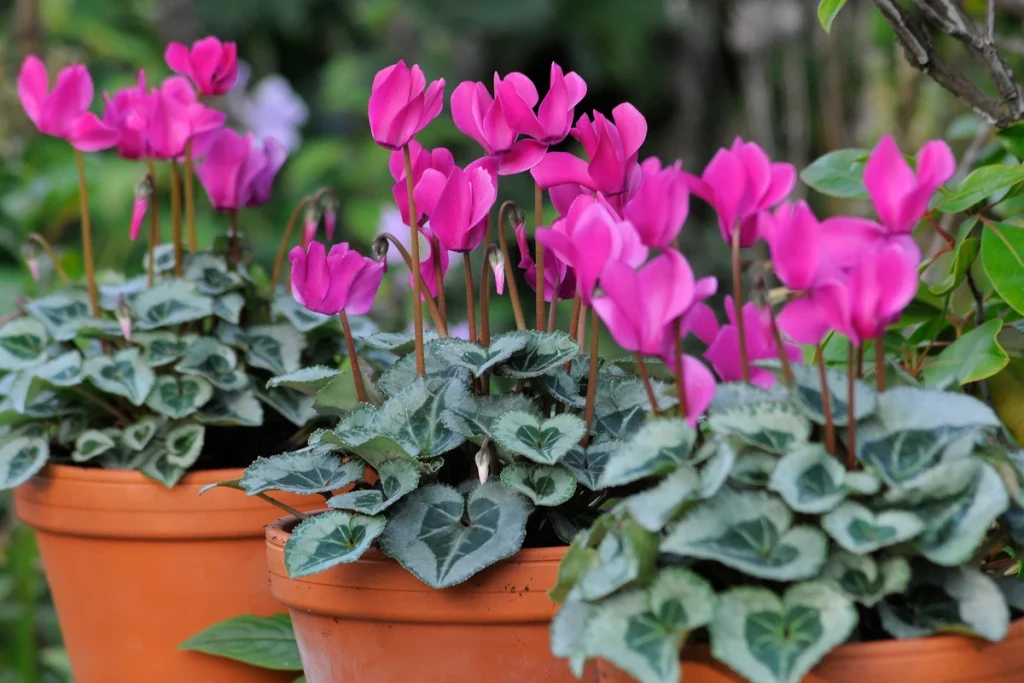
Hardy Cyclamen (Cyclamen persicum) is a standout, thriving in containers with its heart-shaped leaves and colorful blooms. It’s a perfect fit for low-maintenance Zone 7 gardens.
Rosemary (Salvia rosmarinus), an evergreen shrub, requires little care beyond well-draining soil, while offering both culinary and aesthetic value.
Nandina, with its colorful, year-round foliage, adapts to various light conditions and is drought-tolerant.
Yucca commands attention with its architectural form, needing only moderate watering.
Lastly, Mahonia, blooming bright yellow in late winter, is ideal for containers, attracting few pests and thriving in well-draining soil.