

I’ve found that the best outdoor winter planters mix durable materials with robust, weather-resistant plants. Start with a sturdy fiberglass container with drainage holes to prevent freezing water damage. For plants, I love incorporating evergreens like white pine or Fraser fir, which withstand cold and add lush greenery. Adding festive accents such as twinkling fairy lights and colorful ribbons can transform your space into a captivating winter wonderland. Don’t forget to mix textures; layer in some holly with bright red berries and magnolia leaves for an extra pop of color and dimension. Exploring these ideas further might just inspire your most stunning winter display yet.
1. Choosing Durable Containers
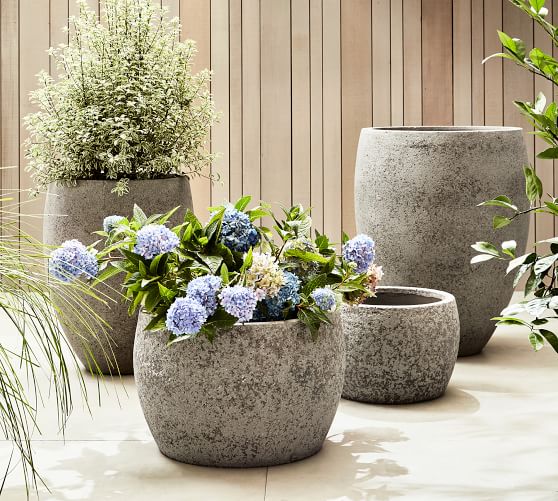
When selecting planters for the winter season, durability is key. Opting for materials like fiberglass ensures your winter containers withstand cold temperatures without cracking, crucial for outdoor use.
It’s essential they’ve drainage holes; trapped water can freeze and crack the planter. I’ve found adding bricks or stones in lightweight planters provides necessary stability against harsh winter winds.
Visiting your local nursery lets you explore various shapes and sizes. Wide, shallow containers are perfect for small plants, offering stability, while taller, narrower ones create striking vertical displays.
Reusing planters or choosing sustainable materials not only cuts costs but also benefits the environment. Always remember, the right container enhances both the health of your plants and your garden’s aesthetic.
2. Selecting Hardy Plants

Having chosen the right containers, I’ll now help you pick plants that not only survive but thrive during the colder months.
Start with evergreen and semi-evergreen plants like Heuchera, Fraser fir, and white pine. These varieties maintain lush, evergreen branches even when temperatures plunge.
For those in colder zones, hardy succulents such as Agave and stonecrop are ideal, enduring temperatures down to -20°F without getting frozen solid.
Don’t overlook the winterberry holly, whose vibrant berries add a splash of color and attract wildlife.
Additionally, incorporating magnolia leaves can enhance your planter’s texture and color.
Always select plants with frost resistance and low water needs to ensure they remain vigorous and visually appealing throughout the winter.
3. Incorporating Festive Accents

As we shift focus to incorporating festive accents, you’ll discover that adding elements like pine cones, twinkling fairy lights, and colorful ribbons can dramatically enhance the visual charm of your winter planters.
To bring a natural festive touch, consider tucking red berries from winterberry holly among your evergreens. These bright pops of color contrast beautifully against the greens, elevating the entire arrangement.
For a unique character, why not nestle a pair of rustic skis or a few metallic accents into your display? These unexpected details catch the eye and celebrate the season’s spirit.
Additionally, placing battery-operated candles within your planter can cast a cozy glow, making your outdoor space inviting and luminous even on the chilliest nights.
4. Layering Textures and Colors

I find that layering textures and colors in your winter planters can truly transform the visual experience of your outdoor space.
By combining evergreen boughs with varied greens like juniper, cedar, and magnolia, you create depth and a dynamic look.
Pairing the deep green of holly leaves with bright red berries introduces contrasting colors that catch the eye and enhance the arrangement’s appeal.
Don’t forget to add unique textures with dried seed pods, pinecones, and ornamental grasses, which complement the softer foliage.
Interspersing seasonal accessories such as decorative twigs or fairy lights among the greenery adds a playful touch while enhancing the layers.
5. Utilizing Evergreen Foliage

Utilizing evergreen foliage like cedar, juniper, and pine in your winter planters not only adds a lush, vibrant touch to your garden but also ensures a captivating display throughout the colder months.
To enhance the depth and interest of your winter container garden, mix these evergreens with varying colors, shapes, and sizes. Adding contrasting elements, such as the bright red berries of winterberry holly, can create a stunning visual impact.
Besides their aesthetic appeal, evergreen boughs help insulate and protect other plants in your outdoor planters from harsh winter conditions.
6. Adding Decorative Lighting

Integrating decorative lighting into your winter planters not only brightens up the long, dark evenings but also transforms your outdoor space into a warm, inviting haven.
Wrapping battery-operated string lights around the branches of your evergreens adds a cozy glow that enhances the visual appeal of your display.
Opting for solar-powered LED lights is a smart choice, as they’re energy-efficient and automatically light up as dusk falls. This ensures your outdoor winter displays are always shining without any need for manual intervention.
Consider setting timers to control when your lights activate, offering both convenience and consistency.
For a festive flair, don’t shy away from using colored lights to complement your seasonal decor and uplift the spirits of everyone who passes by.
7. Creative Use of Branches

Adding branches to your winter planters not only elevates the overall design but also introduces an artistic and natural flair to your outdoor décor.
I like using tall, slender birch or dogwood branches as they add height and create a striking focal point. Dried branches, especially colorful ones like red twig dogwood, provide a stunning contrast against the evergreen foliage, enhancing the texture and dynamic of the arrangements.
For a rustic touch, I combine these branches with natural elements like pine cones and seasonal greens, which adds depth and an organic aesthetic.
Experimenting with different shapes and types of branches allows for unique layering and ensures each planter is a personalized work of art.
8. Maintenance Tips for Longevity

To keep your winter planters looking fresh and vibrant throughout the chilly months, it’s crucial to perform regular maintenance.
Start by regularly checking for and removing any dead or damaged plants to preserve both the beauty and health of your arrangements.
To combat moisture loss, I recommend using a protective spray like Wilt Stop on evergreen foliage, which helps lock in moisture and keep the plants looking lively.
Ensuring proper drainage is also key.
Opt for pots with drainage holes and layer the bottom with gravel or stones. This setup prevents water from pooling and freezing, which can damage the roots.
Before the ground freezes, water your planters thoroughly to hydrate the plants and minimize dehydration risks.
Lastly, wrapping pots with landscape fabric and leaves adds insulation, maintaining soil moisture and protecting roots from severe cold.
9. Inspirational Winter Arrangements
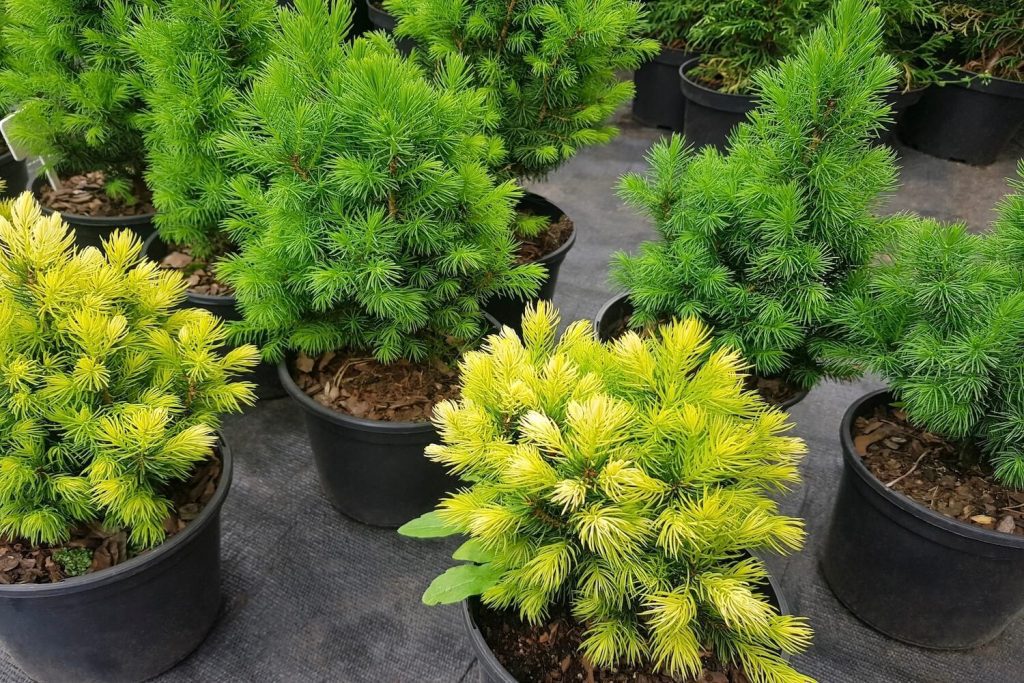
Amid the chill of winter, vibrant evergreens like dwarf Alberta spruce and winterberry holly can transform your outdoor space into a stunning visual retreat.
I love using unique container styles such as galvanized buckets or vintage milk cans to add a touch of rustic charm.
By layering various greens like cedar and juniper, and incorporating pine cones, berries, and fairy lights, you’ll enhance the visual interest and breathe life into your arrangements.
Don’t shy away from experimenting with height; tall branches or sticks create a striking focal point.
Seasonal accessories like white branches can evoke a winter wonderland theme, making your outdoor display not just a planter, but a story of the season.
10. Recycling Materials Creatively

With a bit of creativity, repurposing old materials like wooden crates or metal buckets for winter planters not only saves money but also adds a unique charm to your garden.
Upcycling vintage watering cans or broken pottery transforms discarded items into eye-catching displays.
I’ve found that using wine barrels or wooden pallets as bases for my planters creates stunning focal points that naturally draw the eye.
By incorporating natural elements like pinecones, branches, and stones from local areas, I enhance the connection between my garden and its surrounding environment.
This approach not only promotes sustainability but also reduces landfill waste, making my gardening practice more environmentally friendly and aesthetically pleasing.