

As a seasoned gardener in California, I’ve discovered that broccoli, spinach, kale, Swiss chard, lettuce, carrots, leeks, peas, onions, and artichokes are the best vegetables to grow during our mild winters. These plants not only withstand cooler temperatures but also improve in flavor and nutritional content as a result. For instance, the light frost enhances the sweetness in broccoli and carrots, while kale and spinach become rich in antioxidants. Planting times vary, generally from mid-August to September, ensuring a bountiful harvest through colder months. Each vegetable has specific soil, sunlight, and watering needs, aligning perfectly with California’s winter climate. Exploring further, you’ll uncover specific tips to maximize your garden’s potential.
1. Growing Broccoli in Winter

Growing broccoli in California’s winter offers a rewarding gardening venture due to its adaptability to the cooler climate.
To successfully plant your winter vegetables, begin sowing broccoli seeds as early as August or transplanting seedlings by mid-September. This cool-season annual thrives in full sun and requires well-drained soil enriched with organic matter, crucial for managing the heavy winter rains typical in California winters.
Monitor your plants regularly for pests like snails and slugs, which are more prevalent in cool weather, despite the reduced activity of beneficial insects.
Interestingly, the slightly sweet, tender heads of broccoli are enhanced by cooler temperatures and light frost, making them not only a practical choice for your garden but also a delightful addition to your winter meals.
2. Benefits of Winter Spinach

After exploring the resilience and benefits of broccoli during the cooler months, let’s consider another robust winter vegetable: spinach.
Thriving in cool weather, spinach is a fast-growing, nutrient-dense leafy green perfect for California’s mild winter. You can sow it from mid-August to mid-September, ensuring a harvest in as little as 40 days.
This quick turnaround provides a continuous supply of fresh greens, rich in iron, vitamins A and C, and antioxidants—essential nutrients during the colder months when fresh produce is scarcer.
Additionally, winter enhances the flavor and sweetness of spinach, making it a favored ingredient in salads, smoothies, and cooked dishes.
3. Planting Kale in Cold Months

In light of the cooler weather, planting kale in California’s winter months presents a golden opportunity to cultivate a nutritious, resilient crop.
Kale thrives in cold weather, making it a staple for winter gardening. For best results, plant your seeds between August and September, as per the planting calendar. This timing ensures optimal growth in well-drained soil with full sun exposure for 6-8 hours daily.
Despite its need for sunlight, kale requires less watering in winter due to cooler temperatures keeping the soil moist. Additionally, implementing succession planting every 3-4 weeks allows you to grow vegetables continuously, ensuring a steady supply of kale.
4. Swiss Chard Cultivation Tips

Planting Swiss chard during California’s cooler months offers an excellent opportunity for gardeners to extend their growing season. To achieve a successful winter harvest, you can start Swiss chard as seeds in August or as seedlings by mid-September.
This plant thrives in cooler temperatures, ideal for winter gardening, and matures typically in about 60 days. For optimal growth, ensure your garden has well-draining soil, enriched with compost, and that your Swiss chard receives full sun exposure for at least six hours daily.
Regularly harvesting the outer leaves not only adds vibrant colors and nutrition to your dishes but also encourages continuous growth, allowing for multiple harvests from the same plant throughout the season.
5. Optimal Conditions for Winter Lettuce
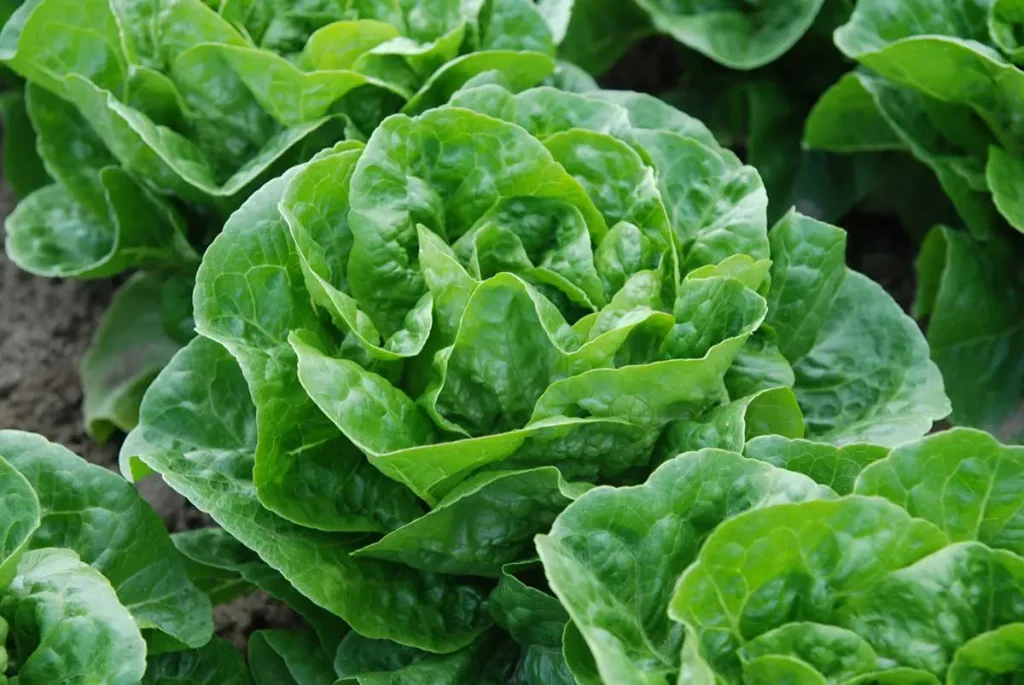
Why consider growing winter lettuce in California? The state’s mild climate offers optimal conditions, with temperatures ideally ranging between 40°F and 60°F. For successful growth, plant your seeds in early September to mature before the colder months.
Winter lettuce thrives in well-draining soil enriched with organic matter, crucial for moisture retention and preventing root rot during rainy seasons. Full sun exposure is another key factor; aim for at least 6 hours daily to enhance growth and flavor.
Moreover, regular harvesting of outer leaves promotes continuous growth. Don’t forget frost protection; using row covers can shield your lettuce from unexpected cold snaps, ensuring a healthy crop throughout the winter season.
6. Harvesting Carrots During Winter

How can you ensure your winter carrot crop is both plentiful and delicious? Start by sowing seeds in late summer, around August, to capitalize on the cooler temperatures that intensify their sweetness.
By late October to early November, about 90 days post planting, your carrots should be ready for harvesting. This timing leverages the natural sugar enhancement caused by frost exposure, perfect for those fresh flavors you’re craving in a winter garden.
Keep your carrots in the ground throughout the winter, pulling them as needed. This method not only keeps the carrots fresher but also minimizes storage hassles.
To protect your winter crops from harsh frost, cover them with mulch or row covers, maintaining soil warmth and moisture, thus ensuring a robust yield.
7. Cultivating Winter Leeks

In mid-September, I start setting leek seedlings in our well-prepared garden beds, ensuring each plant has the optimal conditions to thrive through the cool California winter.
Leeks, a staple in any winter garden, require well-drained, nutrient-rich soil. I enrich the soil with compost as a key amendment, which significantly boosts the growth of these winter veggies.
In Southern California, where the climate is milder, leeks mature beautifully within 60 to 90 days if planted timely. To secure a successful harvest, I ensure regular watering and protect the plants from any unexpected frost.
This meticulous care allows me to enjoy the mild, onion-like flavor of leeks in various dishes throughout the winter season.
8. Best Practices for Winter Peas
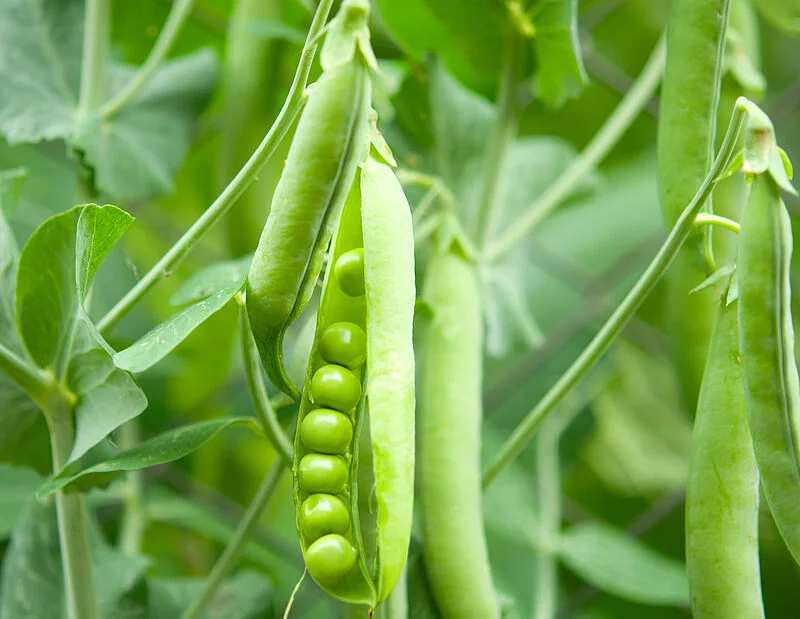
After discussing the cultivation of winter leeks, let’s turn our attention to another fantastic crop for the cooler months: winter peas.
To ensure a bountiful harvest, plant your winter peas in August. This timing allows them to mature fully by October, capitalizing on their quick crop nature.
Opt for either sweet vining or bush varieties, which are particularly suited to cooler temperatures and require minimal care. It’s crucial to provide them with full sun exposure to optimize growth.
If you’re growing vining varieties, using a trellis can help maximize your use of space.
Additionally, it’s important to regularly monitor for pests. Although winter conditions generally keep pests at bay, watch out for snails and slugs that can still pose a threat.
9. Growing Onions in Cooler Weather

Transitioning from the topic of winter peas, let’s now delve into the cultivation of onions during the cooler California winters.
Growing onions aligns perfectly with cooler winter temperatures, allowing you to produce vegetables year-round. Start by planting seeds in mid-August or seedlings by mid-September. Onions thrive in well-drained soil, enhanced with organic amendments to boost nutrient content. This setup supports robust growth, leading to healthier, mature bulbs.
The growth cycle of onions spans 90-120 days, setting up a timely spring harvest. Regular watering is crucial in the initial growth phases but should be moderated as it gets cooler.
10. Preparing Artichokes for Winter

Artichokes, with their robust nature, require specific preparations to thrive through California’s mild winters. Ensure they’re planted in well-draining soil and receive ample sunlight, critical for their vigorous growth.
Before winter sets in, it’s essential to trim back any dead or damaged foliage. This step not only promotes better airflow around the plants but also minimizes disease risks during the colder months.
Applying a layer of mulch around your artichokes can significantly protect the roots from frost while helping retain soil moisture amid winter rains.
Don’t forget to regularly inspect for pests like aphids or slugs, which can still threaten your winter garden despite the drop in temperature. These measures will help maintain healthy artichokes throughout the season.