
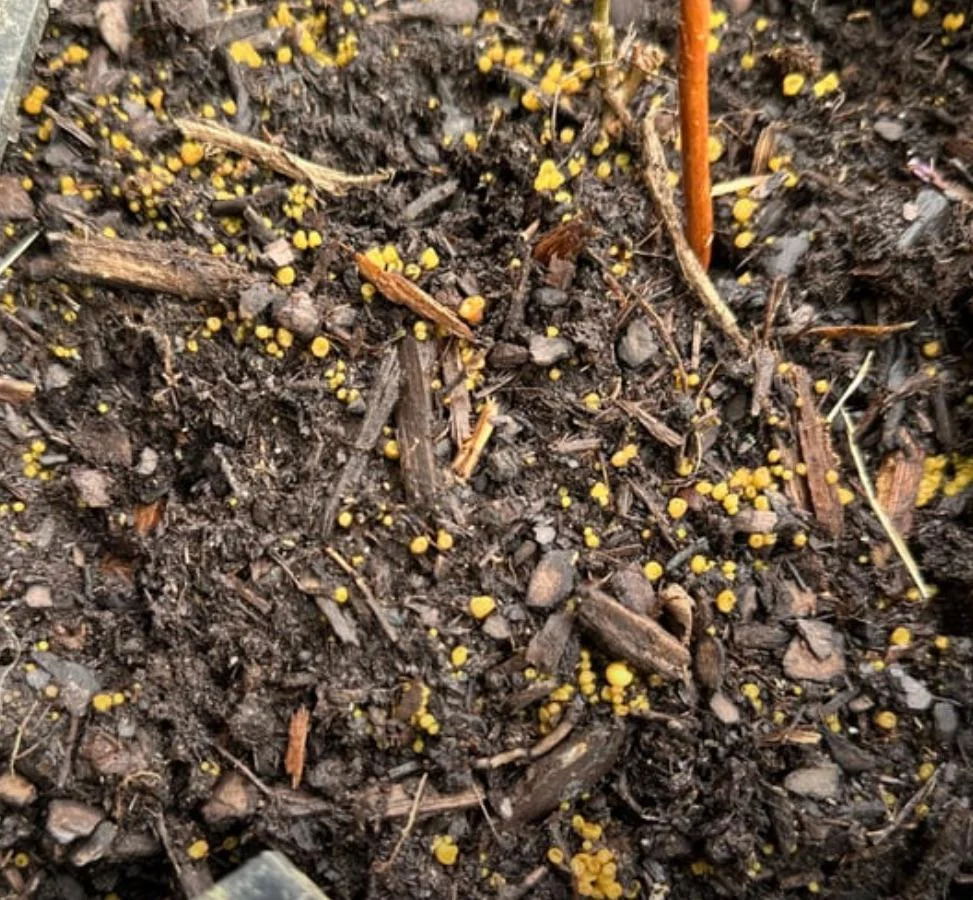
If you’ve spotted yellow or orange balls in your potting soil, they are likely slow-release fertilizer pellets meant to feed your plants gradually. These specialized pellets are designed to provide essential nutrients like nitrogen, phosphorus, and potassium steadily over time, promoting healthy growth without the risk of over-fertilization. They play a vital role in maintaining optimal conditions for plant vigor and flowering. Understanding these fertilizer balls can help differentiate them from potential pests or soil issues, ensuring your plants receive the nourishment they need. Knowing more about them can enhance your potting mix knowledge and lead to better plant care.
Slow-Release Fertilizer Pellets
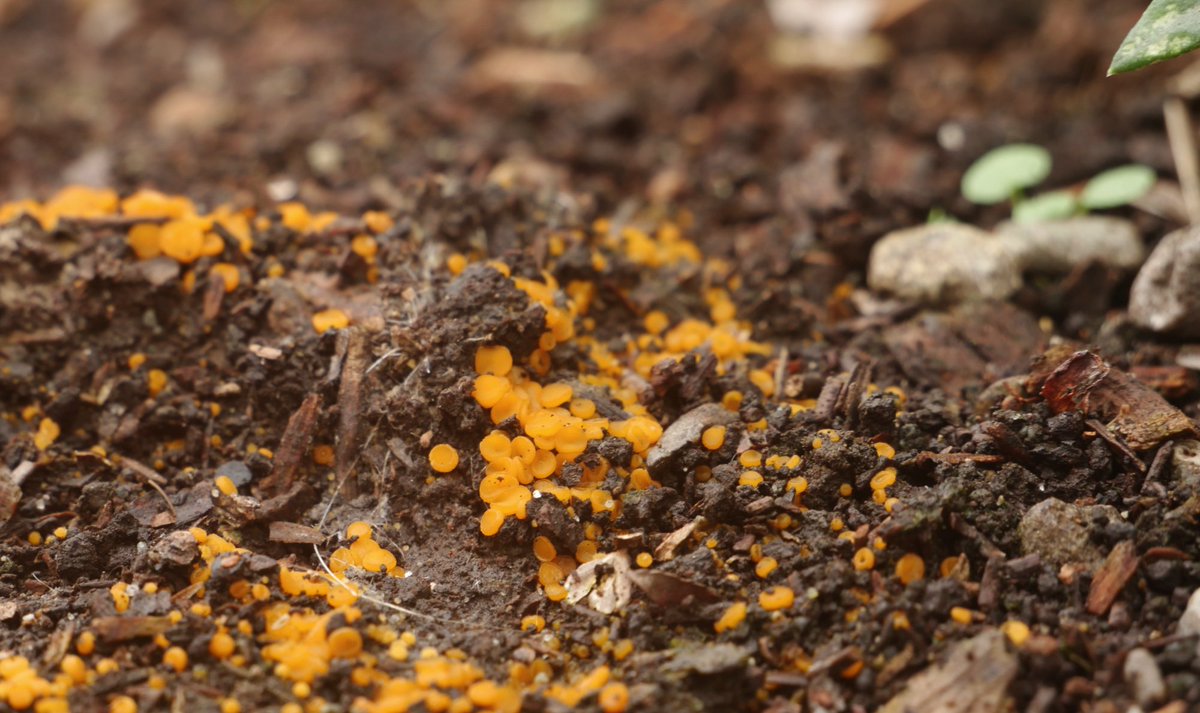
Slow-release fertilizer pellets, commonly found in potting soil mixes, are typically coated with a resin that breaks down slowly to release essential nutrients into the soil over time. These yellow balls, such as the ones from Osmocote fertilizer, are designed to provide a steady supply of nutrients for plant growth. When incorporated into potting soil, these pellets dissolve gradually with watering, ensuring that plants receive a continuous and balanced diet of essential elements like nitrogen, phosphorus, and potassium.
The technology behind slow-release fertilizer pellets allows for a more controlled release of nutrients, preventing the risk of over-fertilization and minimizing nutrient leaching into the environment. This gradual nutrient delivery system promotes healthier plant growth and reduces the need for frequent fertilization, making it a convenient choice for both novice and experienced gardeners looking to maintain long-term plant health. By slowly breaking down over time, these pellets contribute to sustained plant nourishment and overall garden vitality.
Osmocote Fertilizer Balls
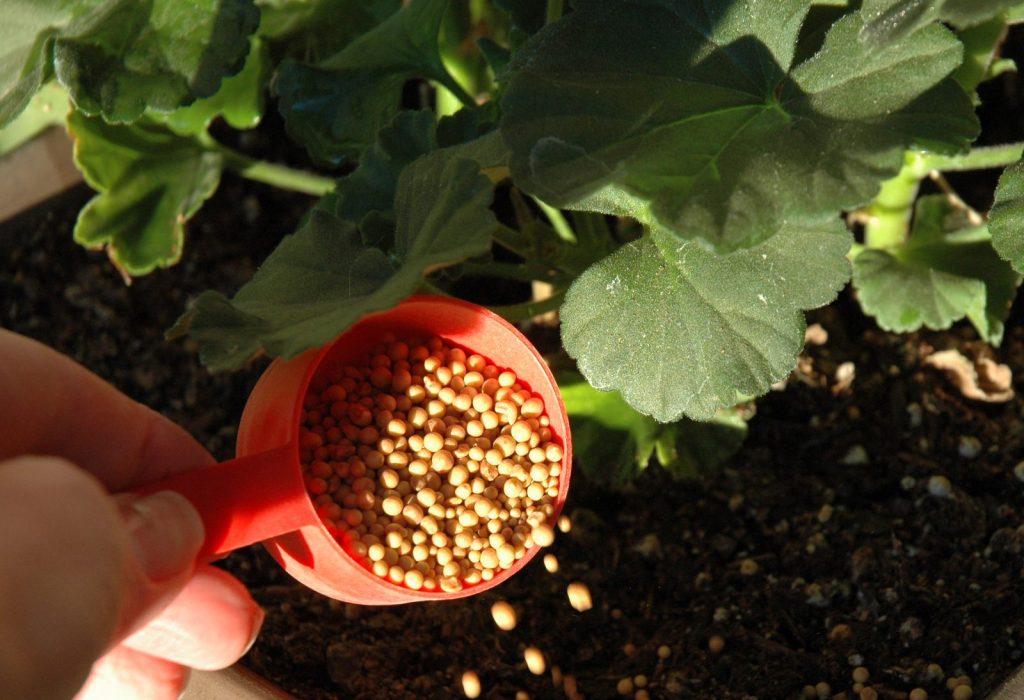
When considering Osmocote fertilizer balls, it’s crucial to understand their resin-coated composition, which ensures a gradual release of essential nutrients like nitrogen, phosphorus, and potassium. These balls play a significant role in promoting healthy plant growth by providing a continuous supply of nourishment over an extended period. To maximize their benefits, proper application techniques should be followed to ensure optimal plant development and vitality.
Fertilizer Ball Composition
The composition of Osmocote fertilizer balls includes a resin coating that facilitates the controlled release of essential nutrients such as NPK for plants. These slow-release fertilizer balls are designed with a hard outer coating to ensure a gradual breakdown, providing plants with sustained nourishment over an extended period. Different formulations of Osmocote cater to specific plant needs, delivering a tailored nutrient mix for optimal growth. The table below highlights the key components of Osmocote fertilizer balls:
| Component | Function |
|---|---|
| Resin Coating | Facilitates controlled release of NPK |
| Hard Outer Coating | Ensures gradual breakdown for sustained nutrient supply |
| NPK Nutrients | Essential for plant growth and development |
| Formulations | Tailored to specific plant requirements |
Effects on Plant Growth
Osmocote fertilizer balls’ gradual breakdown and controlled release mechanism have significant positive effects on plant growth by providing essential nutrients like NPK over an extended period. These balls are designed to release nutrients slowly into the soil, ensuring a continuous supply of essential elements for plant development. The gradual breakdown of the hard outer coating of the fertilizer balls allows for a sustained release of nutrients, promoting healthy plant growth without the risk of over-fertilization. This controlled nutrient release mechanism not only benefits the plant’s immediate growth but also supports long-term health by preventing nutrient leaching and wastage. By dissolving gradually with water absorption, the fertilizer balls ensure that plants receive a consistent supply of nutrients, leading to improved soil fertility and overall plant vigor. The extended nutrient release provided by Osmocote fertilizer balls contributes to robust root development, lush foliage, and vibrant blooms, making them an effective choice for enhancing plant growth in various soil conditions.
Proper Application Techniques
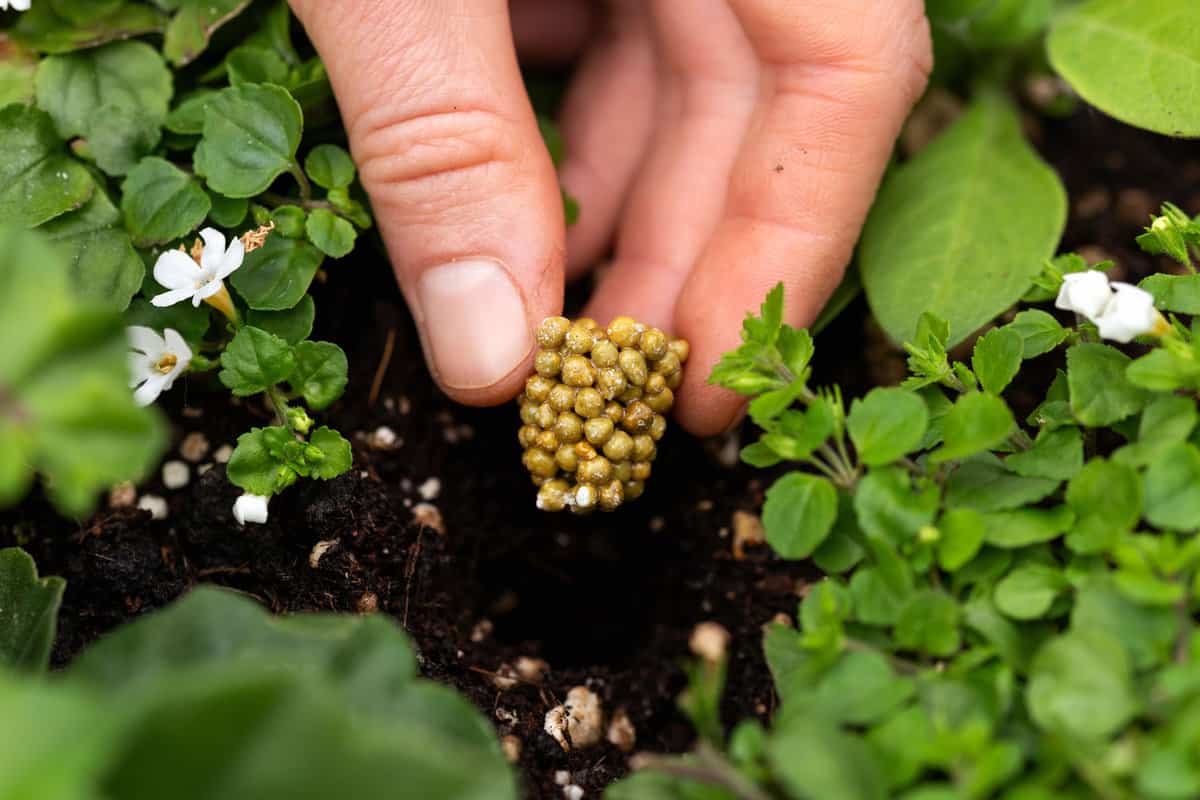
Enhancing plant nutrition through precise application techniques is crucial for optimizing the benefits of resin-coated fertilizer balls. Osmocote fertilizer balls, designed for slow release, provide essential NPK nutrients necessary for robust plant growth. When applying these fertilizer balls to your indoor plants, it is important to follow the instructions meticulously. Begin by selecting the appropriate ball size based on the plant’s needs and pot size. Place the balls evenly on the soil surface, ensuring they are not clustered together. Water the plants as usual, allowing the slow-release mechanism of the balls to provide a steady nutrient supply over time.
For optimal results, consider incorporating Osmocote fertilizer balls into your indoor plant care routine every few months. This consistent application will help maintain nutrient levels in the soil, promoting healthy foliage and vibrant blooms. By adhering to proper application techniques, you can harness the full potential of these resin-coated fertilizer balls to support your indoor plants’ growth and vitality.
Characteristics of Fertilizer Balls
Characterized by their spherical shape and vibrant colors, fertilizer balls in potting soil play a crucial role in providing controlled nutrient release for plant growth. These colorful orbs are not only visually appealing but also serve as a practical solution for ensuring plants receive a steady supply of essential nutrients over time. When examining the properties of fertilizer balls, it becomes evident that their design is optimized for efficient nutrient delivery.
| Property | Description | Importance |
|---|---|---|
| Shape | Spherical | Ensures even distribution |
| Color | Yellow, among other hues | Easily identifiable |
| Texture | Explosive when pressed, releasing liquid contents | Indicates nutrient release |
Understanding these characteristics helps gardeners comprehend the function and benefits of fertilizer balls in potting soil. The distinct features of these pellets ensure that plants receive a consistent and measured amount of nutrients, promoting healthy growth without the risk of over-fertilization.
Potential Culprits in Potting Soil
You may encounter potential culprits in potting soil, such as fungal growth, mold spores, and signs of algae development. These elements can affect the health of your plants by competing for resources and causing diseases. It is essential to monitor your potting soil regularly to address any issues promptly and ensure optimal plant growth.
Fungal Growth in Soil
During the growth of fungi in potting soil, various potential culprits can be identified through careful observation and analysis.
- Fungus: Fungal growth in soil can manifest in various forms, including small green balls resembling red blood cells.
- Soil: Potting soil provides a conducive environment for fungal growth due to its moisture content and organic matter.
- Gnat Eggs: Gnat eggs present in the soil can sometimes be mistaken for fungal growth, highlighting the importance of precise identification.
- Perlite: Perlite, commonly found in potting soil to improve drainage, may sometimes harbor fungal growth if conditions are favorable.
Understanding the dynamics of fungal growth in potting soil is crucial for maintaining plant health and preventing potential issues. By recognizing the various culprits that can contribute to fungal proliferation, gardeners can take proactive measures to address these concerns effectively. Regular inspection, proper moisture management, and timely interventions can help create an optimal growing environment and mitigate the impact of fungal growth on plant vitality.

Mold Spores Presence
In potting soil, the presence of small, yellow or orange balls may indicate the existence of mold spores, which thrive in consistently damp environments. Mold spores can manifest as round or oval-shaped clusters, easily disturbed and released into the air when the soil is agitated. These spores are a potential respiratory hazard if inhaled, underscoring the need for proper ventilation during soil handling. Fungus gnats, attracted to the moist conditions that favor mold growth, can inadvertently aid in the dispersal of mold spores as they move through the soil. It is crucial to address the root cause of excessive moisture in the potting soil to prevent the proliferation of mold spores. Unlike the slow development of white balls signifying beneficial fungi, mold spores’ presence calls for swift action to rectify the moisture levels and mitigate health risks associated with inhaling these spores.
Algae Development Signs
Algae development in potting soil often exhibits itself as a green, slimy growth visible on the soil’s surface. If you notice a foul odor emanating from your potting soil, it could be an indication of algae growth. Excessive moisture in the soil, coupled with inadequate drainage, creates a favorable environment for algae to thrive. Here are some signs to look out for in identifying algae development:
- Green, slimy growth on the soil surface.
- Unpleasant odor coming from the potting soil.
- Soil consistently feels overly moist.
- Poor drainage causing water to accumulate in the pot.
When algae take hold in the potting soil, they can outcompete your plants for essential nutrients. To combat algae growth, adjust your watering routine to ensure the soil remains adequately moist but not waterlogged. Additionally, improving drainage by using well-draining soil and pots can help prevent algae development.
Understanding Yellow/Orange Balls
Yellow or orange balls found in potting soil are typically slow-release fertilizer pellets. These pellets are easily visible and distinguishable from other common elements in soil, such as fungus gnat eggs. Slow-release fertilizer pellets contain essential nutrients for plants and are beneficial for sustained growth. Their design allows them to crack open gradually, providing a steady release of nutrients over time. It is crucial to recognize that these balls are not slug eggs or perlite pellets, but rather a valuable addition to plant care routines. By understanding the characteristics of these yellow or orange balls, gardeners can differentiate them from potential pests or issues that may arise in potting soil. Keeping a keen eye on these slow-release fertilizer pellets can help ensure that plants receive the necessary nourishment for healthy development without confusion or misidentification.
Impact on Plant Growth
When yellow or orange balls are present in potting soil, they serve as slow-release fertilizer prills that can profoundly impact plant growth. These prills gradually dissolve, providing a sustained nutrient source that can prevent soil depletion and promote overall plant health. Understanding how these fertilizer balls influence plant growth is vital for ensuring optimal conditions for your plants to thrive.
Growth Impacts Identified
One notable aspect of slow-release fertilizer balls in potting soil is their significant impact on plant growth due to the controlled and gradual release of essential nutrients. This method of nutrient delivery plays a crucial role in supporting plant health and development over an extended period. Here are some growth impacts identified:
- Steady Nutrient Supply: Slow-release fertilizer pellets ensure a consistent and long-lasting nutrient supply for plants, promoting steady growth and vitality.
- Nutrient Absorption: The gradual dissolution of fertilizer balls with water absorption allows plants to efficiently uptake essential nutrients, aiding in their overall nutrient absorption.
- Controlled Release: The resin coating on fertilizer balls controls the release of nutrients, preventing nutrient leaching and ensuring plants receive a balanced diet over time.
- Plant Health Maintenance: Understanding the impact of slow-release fertilizer on plant growth helps in maintaining optimal plant health, supporting robust growth and development.
Soil Nutrient Depletion
Soil nutrient depletion significantly impacts plant growth by causing stunted development, yellowing leaves, and reduced flowering or fruiting in plants. Nitrogen, phosphorus, and potassium are crucial nutrients for plants, each playing a unique role in their growth and development. Nitrogen is essential for leafy green growth, phosphorus aids in root development and flowering, while potassium contributes to overall plant health and disease resistance.
When these nutrients are lacking in the soil due to depletion, plants struggle to take up essential elements, leading to deficiencies that manifest as poor growth and yellowing leaves. Without adequate levels of nitrogen, plants may appear stunted and pale, lacking the vigor needed for healthy growth. Insufficient phosphorus can result in weak root systems and reduced flowering, impacting the plant’s ability to reproduce. Additionally, potassium deficiency can weaken plant defenses, making them more susceptible to pests and diseases. Proper soil nutrient management through fertilization is key to preventing nutrient depletion and ensuring optimal plant health and growth.
Plant Health Affected
The presence of yellow or orange balls in potting soil impacts plant growth by providing essential nutrients through slow-release fertilizer pellets. These pellets play a crucial role in supporting plant health in the following ways:
- Slow-release fertilizer pellets deliver nutrients gradually, ensuring a consistent supply for sustained plant growth.
- The nutrients released from these pellets help fortify the plant against environmental stressors, promoting overall health and resilience.
- By slowly dissolving with water absorption, the fertilizer pellets prevent nutrient leaching and wastage, maximizing their effectiveness.
- Plants receiving a steady supply of nutrients from these pellets exhibit improved vigor, blooming, and fruiting, reflecting enhanced overall health and vitality.
Identifying Harmless Materials
Examining the composition of the yellow or orange balls in potting soil is crucial for identifying harmless materials within the mixture. These yellow pellets are slow-release fertilizer pellets designed to provide nutrients to your plants over an extended period. Unlike perlite, which is a lightweight volcanic glass used for aeration, these slow-release fertilizer pellets are hard, spherical, and filled with liquid nutrients. If you notice these balls in your potting soil, rest assured that they are intended to enhance plant health and growth rather than being harmful.
It’s important to differentiate these slow-release fertilizer pellets from insect eggs, slug eggs, or perlite pellets, as these are unrelated to the beneficial properties of the fertilizer balls. Slow-release fertilizer pellets can be a valuable addition to your potting mix, offering a convenient way to ensure your plants receive a steady supply of nutrients without the need for frequent applications. Embrace the presence of these yellow balls as they contribute positively to your plant’s well-being.
Dealing With Foreign Objects Concerns
When encountering foreign objects such as unfamiliar debris or materials in your potting soil, it is essential to approach the situation with caution and thorough examination. This is especially important to ensure the health of your plants and rule out any potential issues. Here are some steps to help you deal with foreign objects concerns:
- Inspect Carefully: Take the time to carefully examine the foreign objects in your potting soil to determine their nature and origin.
- Research: If you are unsure about the objects found, consider researching common additives like fertilizer prills to identify them accurately.
- Consult Experts: When in doubt, seek advice from gardening experts or local plant nurseries to get a better understanding of the foreign objects.
- Prevent Pests: Be vigilant for signs of gnats or other pests that may be attracted to the potting soil due to the presence of foreign objects.
Tips for Optimal Plant Care
Inspecting your plants regularly and following specific care practices can greatly contribute to their overall health and well-being. To prevent pest infestations like fungus gnats, it’s crucial to allow the potting soil to dry between waterings. Consider using neem-based products for effective control of these pests in indoor gardens. Be cautious of bugs entering your potting soil bags through small openings, as they can introduce unwanted pests to your plants. When inspecting your plants, pay close attention to the roots for any signs of pest activity. If you suspect a pest issue, consider using a soil drench with double the recommended amount of neem to combat the problem effectively. Additionally, before potting new plants, you may want to microwave the soil to eliminate any pests that could harm your plants. Utilizing a quality potting mix like Miracle-Gro Potting Soil can also help maintain optimal plant health and growth. By following these tips, you can ensure your plants thrive in a healthy environment.
Importance of Potting Mix Knowledge
To enhance your plant care practices and ensure optimal growth, understanding the components and importance of potting mix is fundamental. Delving into the world of soil mix can significantly impact your gardening success. Here are some key points to consider:
- Soil Mix: Different plants require different soil compositions for healthy growth. Understanding the right mix for your specific plants is crucial.
- Slow Release: Being aware of slow-release fertilizers in your potting mix can help you gauge the nutrient availability for your plants over time.
- Porosity: Knowing the porosity of your potting mix can aid in proper water drainage and aeration, preventing root rot and other moisture-related issues.
- Pest Issues: Educating yourself on the components of potting mix can help you identify and address potential pest problems before they escalate.
Arming yourself with knowledge about potting mix can serve as a foundation for troubleshooting plant issues and ensuring your green friends thrive.