

When improving soil, consider: perlite enhances drainage and aeration, while vermiculite excels in moisture retention, catering to specific plant needs. Choose perlite for better drainage and aeration benefits or go for vermiculite for superior moisture retention suited for various plants. Each has unique strengths that can enhance your soil quality effectively.
Perlite Overview
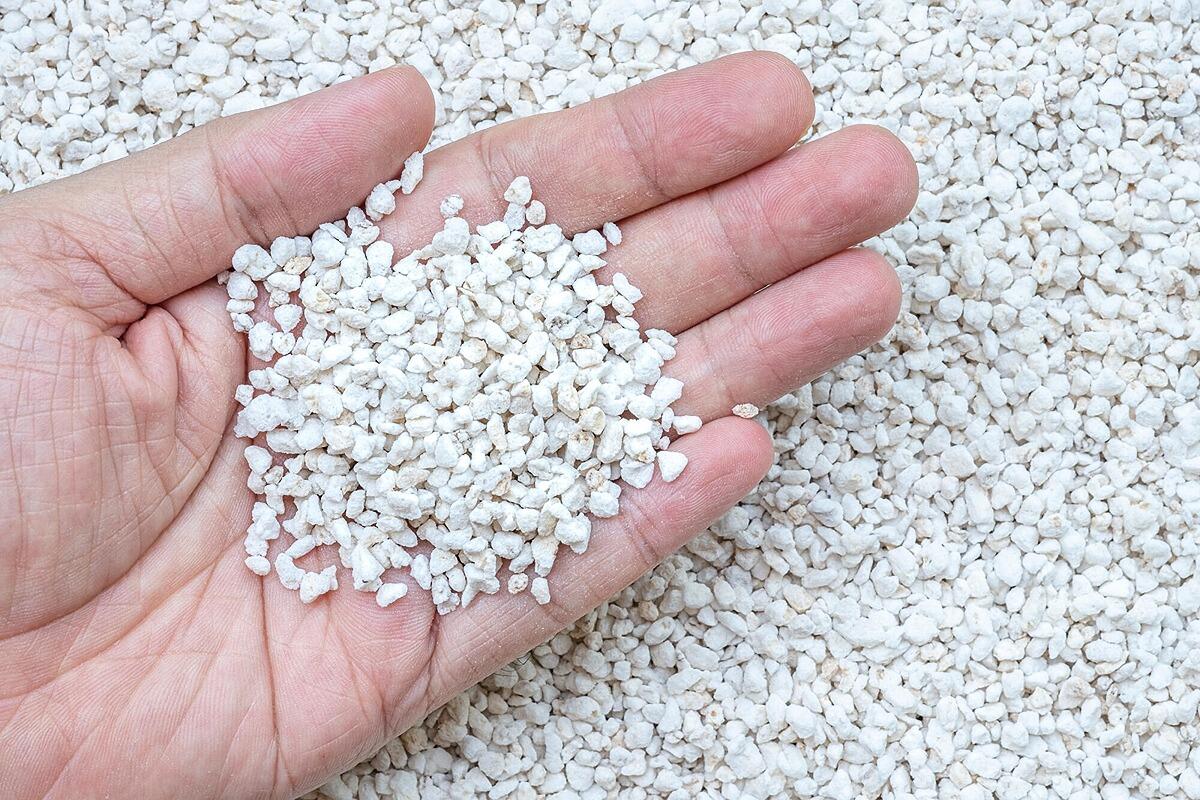
Exploring the properties and benefits of perlite reveals its significance in enhancing soil quality for optimal plant growth. Perlite, a white granular material composed of amorphous volcanic glass, possesses unique characteristics that make it a valuable addition to gardening practices. Formed through the hydration of obsidian, perlite offers sterile, lightweight, and neutral pH qualities. Its ability to improve drainage and moisture retention in compost is particularly beneficial for promoting healthy plant growth. Perlite does not decompose in soil, ensuring long-lasting aeration benefits and preventing compaction. Due to these properties, perlite is widely utilized in gardening to create well-structured and nutrient-rich soil environments that support plant development. Its role in enhancing soil quality and promoting optimal plant growth makes perlite a valuable asset for both amateur gardeners and experienced horticulturists alike.
Vermiculite Overview
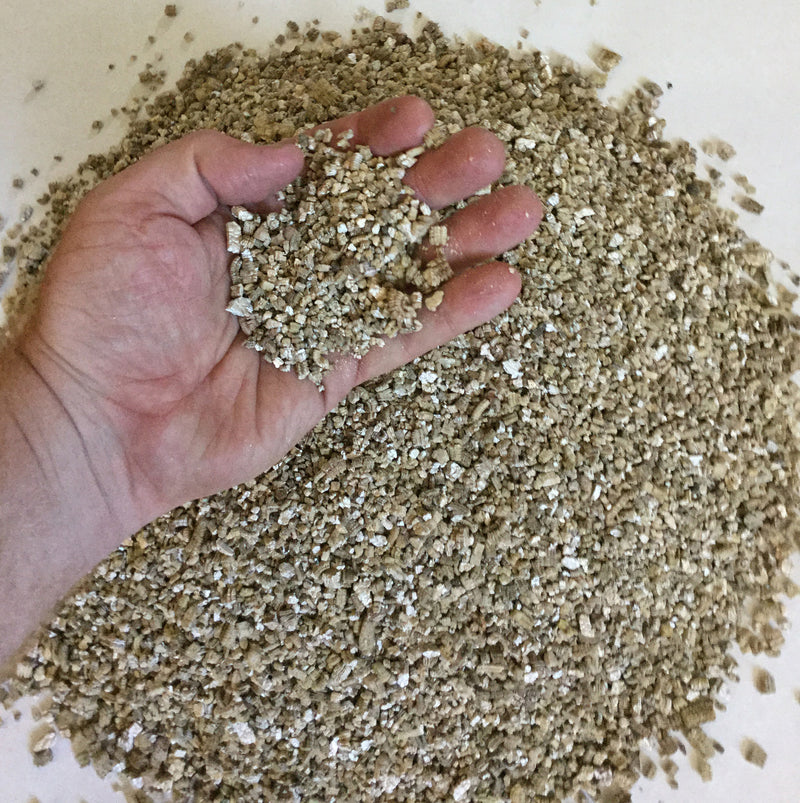
Vermiculite, a mineral known for its unique expanding properties when heated, plays a vital role in soil enhancement. It acts as a sponge, absorbing water and essential nutrients crucial for plant growth, such as potassium, calcium, and magnesium. Understanding the properties and benefits of vermiculite can help you optimize its application in gardening and agriculture to promote healthier and more robust plant development.
Vermiculite Properties
How does the unique structure of vermiculite contribute to its effectiveness in soil aeration and moisture retention? Vermiculite, a versatile mineral widely used in gardening, agriculture, industry, and construction, possesses exceptional properties that make it ideal for enhancing soil quality. Its silvery-gray, flaky structure expands when heated, aiding in soil aeration and moisture retention. Additionally, vermiculite has the ability to absorb and release essential nutrients like potassium, calcium, magnesium, and phosphorus, crucial for plant growth. This mineral’s heat resistance makes it a popular choice in various applications, such as in Panadero stoves for wood-burning purposes. Below is a table highlighting key properties of vermiculite:
| Property | Description |
|---|---|
| Soil Aeration | Expands when heated, promoting air circulation in the soil. |
| Moisture Retention | Helps retain moisture in the soil, ensuring optimal hydration for plants. |
| Essential Nutrients | Absorbs and releases vital nutrients like potassium, calcium, magnesium, and phosphorus. |
Benefits for Soil
What benefits does vermiculite offer to soil health and plant growth? Vermiculite plays a crucial role in enhancing soil quality due to its exceptional water retention and nutrient-holding capabilities. By retaining water efficiently, vermiculite ensures that plants have a consistent moisture supply, promoting optimal growth. Moreover, it aids in improving soil structure by enhancing aeration and moisture retention, creating a conducive environment for root development. Vermiculite’s interaction with essential nutrients like potassium, calcium, and magnesium further benefits plant health by facilitating nutrient uptake and utilization. Widely utilized in gardening, agriculture, and horticulture, vermiculite is a versatile soil amendment that contributes significantly to plant vitality. Its ability to maintain moisture, promote aeration, and support nutrient availability makes it a valuable asset for various soil applications beyond traditional gardening practices.
Best Application Practices
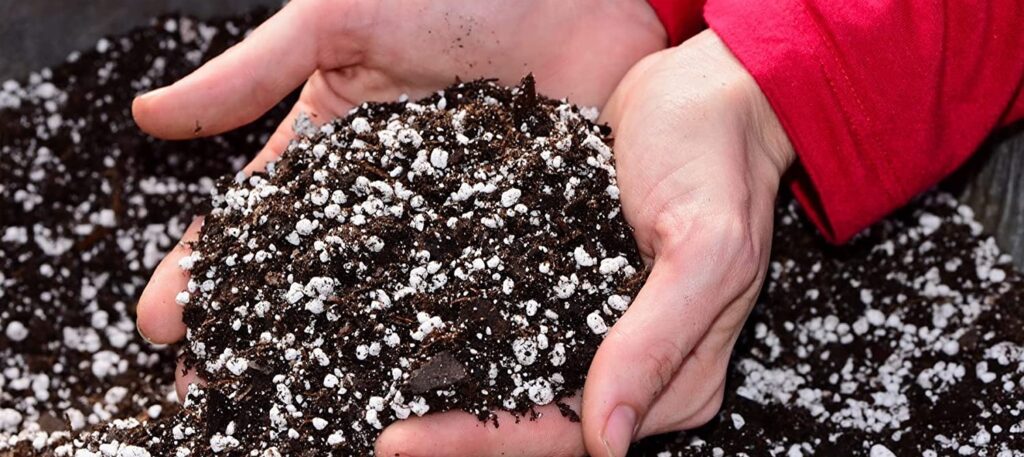
Considering the versatile applications of vermiculite in gardening, agriculture, and horticulture, understanding the best practices for its utilization is paramount for optimizing soil health and plant growth. Vermiculite is a valuable resource for improving soil aeration, retaining moisture, and enhancing nutrient availability in various planting mediums. When used in potting mixes, vermiculite aids in water retention, making it an excellent choice for moisture-loving plants and indoor gardening. It can also be combined with perlite for plants that require well-draining soil, creating a balanced potting mix for optimal plant growth.
In seed starting, vermiculite is commonly used to maintain consistent moisture levels in seed trays, promoting germination and early seedling development. As a soil amendment, vermiculite interacts with essential minerals to support plant growth, making it an ideal choice for improving drainage and enhancing soil structure. Whether in commercial agriculture or home gardening, incorporating vermiculite into your planting practices can significantly benefit the health and vitality of your plants.
Properties and Uses
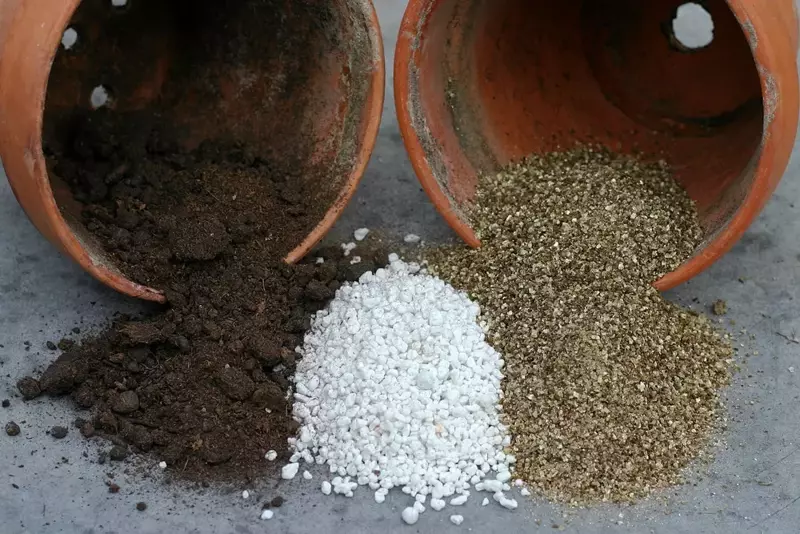
Perlite and vermiculite exhibit distinct properties and serve specific purposes in soil improvement and plant cultivation. Perlite, known for its ability to improve soil aeration and drainage, is favored for plants requiring well-drained soil, such as succulents. This sterile, lightweight material derived from volcanic glass is excellent for enhancing potting soil quality. On the other hand, vermiculite excels in retaining water and nutrients, making it a suitable choice for plants that demand consistent moisture levels and robust seedling development. As a mineral that expands when heated, vermiculite interacts with essential soil minerals like potassium, calcium, and magnesium, thereby promoting healthy plant growth. Both perlite and vermiculite are commonly utilized as soil amendments in gardening practices to enhance soil quality and foster optimal plant health. Understanding the distinctive properties and applications of perlite and vermiculite is crucial for selecting the most suitable soil amendment based on specific plant requirements.
Key Differences
When comparing perlite and vermiculite for soil improvement, the key differences lie in their respective abilities to enhance soil properties and cater to specific plant needs. Perlite is known for its capacity to improve soil aeration, making it an excellent choice for plants that require well-drained soil. On the other hand, vermiculite excels at retaining water and nutrients, making it ideal for moisture-loving plants. Additionally, perlite is formed from volcanic glass, giving it unique expansion properties, while vermiculite is a mineral that expands when heated. Vermiculite interacts with essential minerals such as potassium and calcium, providing additional benefits to plants. In contrast, perlite helps prevent soil compaction, ensuring optimal root growth. These distinct characteristics of perlite and vermiculite make them suitable for different plant needs and soil types, allowing gardeners to choose the right amendment based on specific requirements.
Application in Gardening
In gardening applications, the distinct characteristics of perlite and vermiculite play a crucial role in determining their suitability for specific plant requirements and soil conditions. Perlite excels in promoting aeration, drainage, and reducing soil compaction, making it ideal for plants that thrive in well-drained soil. On the other hand, vermiculite’s ability to retain moisture and interact with soil minerals makes it perfect for plants needing consistent moisture and robust seedling development. Below is a comparison table showcasing the key differences in their applications in gardening:
| Criteria | Perlite | Vermiculite |
|---|---|---|
| Aeration | Excellent | Moderate |
| Drainage | Excellent | Poor |
| Moisture Retention | Poor | Excellent |
| Seedling Development | Average | Excellent |
Conclusion and Recommendations
Considering the specific needs of your plants and the climate conditions, it is essential to make informed decisions between perlite and vermiculite for optimal soil management. The main difference between perlite and vermiculite lies in their moisture retention capabilities. Perlite is best suited for plants that need a lot of drainage and soil aeration, making it ideal for plants that require drying out. On the other hand, vermiculite is excellent for plants that need to hold moisture, making it a great choice for seedling development and plants in dry climates. To choose between perlite and vermiculite, it is crucial to understand your plant’s individual needs. Perlite is commonly used to improve soil structure and drainage, while vermiculite is often utilized to maintain consistent moisture levels. Ultimately, the decision between perlite and vermiculite comes down to a personalized choice based on your plant’s requirements. Remember, the key is to tailor your soil amendments to meet your specific plant needs.