

When hummingbirds stop coming to feeders, it could be due to nesting behavior changes, male territorial disputes, environmental alterations, or ample natural food sources. Nesting females prioritize caring for eggs and young over feeder visits. Males defend territories, decreasing feeding time. Changes to the environment can deter them, affecting visits. Abundant flowers and insects can divert hummingbirds from feeders. Regular feeder maintenance is crucial; stale nectar can harm them. So, if you want to learn more about attracting hummingbirds successfully, consider these factors influencing their feeding behaviors.
Nesting Behavior Changes
During nesting season, female hummingbirds exhibit changes in their behavior that can impact their visits to feeders. As these tiny birds prepare for and tend to their nests, their focus shifts from foraging at feeders to gathering materials and caring for their eggs. This behavioral shift is a crucial part of the reproductive cycle for female hummingbirds, leading them to seek out more natural food sources like nectar from flowers and small insects to meet their increased energy demands.
The nesting behavior changes observed in female hummingbirds play a significant role in their reduced visits to feeders during this time. By prioritizing the health and safety of their offspring, females become more selective in their foraging habits, relying less on artificial sugar water provided in feeders. This natural instinct to find food sources rich in nutrients supports the female hummingbirds’ ability to sustain themselves and their young during the demanding nesting period.
Territorial Disputes Among Males
Male hummingbirds exhibit territorial behavior that can impact their visits to feeders, leading to conflicts and decreased feeder activity. This behavior is crucial to their survival and breeding success, but it can also hinder the feeding patterns of these tiny birds. Here are some key points to consider regarding territorial disputes among male hummingbirds:
- Aggressive Defense: Dominant males fiercely defend their feeding territories, chasing away intruders to maintain exclusive access to food sources.
- Exclusion of Competitors: High-ranking males may exclude other males and even females from prime feeding spots, reducing the overall number of hummingbirds visiting feeders.
- Decreased Feeder Visits: Territorial disputes can result in males spending more time defending than feeding, leading to a decline in feeder visits and activity.
- Multiple Feeding Stations: Providing multiple feeding stations can help reduce conflicts among males by offering alternative feeding spots, encouraging more hummingbirds to visit feeders and ensuring a steady supply of nectar.
Environmental Alterations
Changes in the environment surrounding hummingbird feeders can significantly impact the feeding behavior of these delicate avian visitors. Factors like altered feeder locations, increased human activity levels, or even changes in feeder hygiene can all play a role in determining whether hummingbirds continue to visit your feeders. For instance, if there has been a disruption in the natural food sources available to hummingbirds, they may be less inclined to visit feeders as they search for alternative food options. Additionally, if there has been an increase in predator presence in the area, hummingbirds may become more cautious and visit feeders less frequently. Even something as seemingly minor as alterations in your backyard landscaping, like the removal of sheltering trees or shrubs, could deter hummingbirds from frequenting your feeders. Therefore, it is essential to consider how environmental alterations can impact hummingbird feeder visits and take steps to maintain a hospitable feeding environment for these delightful birds.
Natural Food Source Availability
When natural food sources like nectar-rich flowers are abundant in the area, hummingbirds may decrease their visits to feeders. This behavior is driven by the availability of insects and flowering plants, which can divert hummingbirds away from artificial nectar sources. Changes in natural food availability play a significant role in influencing hummingbirds’ preference for feeders. Abundant natural food sources, such as nectar-rich flowers, can lead to a reduction in hummingbirds’ reliance on feeder nectar. In such cases, hummingbirds may prioritize the consumption of natural food sources over the nectar provided in feeders, as they are readily available and offer a more diverse nutritional profile. Consequently, the presence of ample natural food sources in the vicinity can significantly impact hummingbirds’ foraging behavior, potentially leading to a decrease in their visits to artificial feeders.

Feeder Maintenance Importance
Natural food sources like nectar-rich flowers influencing hummingbirds’ feeding behavior, the importance of proper feeder maintenance cannot be overstated in ensuring these birds are attracted to artificial nectar sources. Regular feeder maintenance, including cleaning and refilling with fresh nectar, is crucial for attracting hummingbirds. Unclean feeders with spoiled nectar can deter hummingbirds from visiting and feeding. Mold and bacteria can develop in stagnant nectar, leading to potential health risks for hummingbirds. Proper cleaning tools, like special brushes, are essential for thorough maintenance of hummingbird feeders. Hummingbirds may prioritize hunting for insects over nectaring if feeders are not well-maintained.
| Feeder Maintenance | Nectar Freshness |
|---|---|
| Regular cleaning | Fresh nectar refill |
| Special brushes | Avoiding spoiled nectar |
| Prevention of mold/bacteria | Health risks reduction |
Understanding Hummingbird Behaviors
To comprehend hummingbird behaviors effectively, it is essential to consider the interplay of various factors influencing their feeding patterns and interactions. Female hummingbirds play a crucial role in shaping feeder dynamics through their nesting behaviors and territorial disputes. Here are some key insights into understanding hummingbird behaviors:
- Female Hummingbirds and Nesting: Female hummingbirds nesting near feeders may limit their visits during breeding and nesting seasons as they focus on nest-building and protecting their eggs.
- Territorial Disputes: Aggressive male hummingbirds defending territories can dominate feeding areas, causing other hummingbirds, especially females, to have limited access to feeders.
- Protein Prioritization: Hummingbirds may prioritize hunting for insects rich in protein over visiting nectar feeders, especially during times when they need more protein for nesting or molting.
- Gender-Specific Interactions: Gender-specific behaviors like territorial disputes and nesting habits can significantly influence hummingbirds’ interactions and feeder visits, creating a dynamic ecosystem around feeders.
Human Activities Impact
Human activities exert a significant influence on hummingbirds and their behavior around feeders. Changes in feeder locations due to human interventions may confuse hummingbirds, leading to decreased visits. For instance, if feeders are moved frequently or to unfamiliar places, hummingbirds may struggle to locate them, impacting their feeding routine. Additionally, human presence near feeders, especially sudden movements or loud noises, can startle hummingbirds, discouraging them from visiting the feeders altogether. Artificial lighting near feeders at night is another human activity that can disrupt hummingbirds’ natural feeding patterns, causing them to avoid the area. Furthermore, disturbances like pets, children, or other wildlife near feeders can make hummingbirds feel unsafe, deterring them from feeding. It is essential for individuals to consider the impact of their activities on hummingbirds and strive to create a safe and peaceful environment around feeders to encourage these beautiful creatures to continue visiting.
Weather Conditions Influence
Changes in weather conditions play a significant role in influencing hummingbirds’ behavior around feeders, affecting their frequency of visits and feeding patterns. When it comes to weather conditions influencing hummingbirds’ feeder visits, consider the following:
- Bad Weather Impact: Hummingbirds may avoid feeders during heavy rain, strong winds, or extreme heat, preferring to seek shelter until conditions improve.
- Natural Food Availability: Weather changes can affect the availability of natural nectar sources for hummingbirds, prompting them to explore different food options like feeders.
- Metabolism and Temperature: Cold temperatures can slow down hummingbirds’ metabolism, reducing their need for frequent nectar visits during chilly weather.
- Feeder Adjustments: Monitoring weather patterns can help predict hummingbird feeder visits, allowing you to adjust feeding schedules accordingly to accommodate their changing behavior.
Insect Availability Impact
Influencing hummingbirds’ feeding behavior, the availability of insects in their environment can significantly impact their visits to feeders. Hummingbirds rely on insects as a protein-rich food source, and when insects are abundant, they may prioritize hunting over visiting sugar-water feeders. During migration periods, hummingbirds intensify their search for insects, potentially reducing their feeder visits as they fulfill their dietary needs from natural sources. The availability of insects plays a crucial role in the diet of hummingbirds, directly affecting their foraging behaviors and feeder usage. Changes in insect populations or accessibility can prompt hummingbirds to adjust their feeding habits, leading to fluctuations in their visits to feeders. Therefore, fluctuations in insect availability have a direct influence on hummingbirds’ feeder visits, highlighting the intricate relationship between natural food sources and the utilization of artificial feeding stations.
Flower Availability Impact
Given the abundance of natural flower nectar in the environment, hummingbirds may cease their visits to feeders. This shift in behavior occurs when blooming flowers provide a readily available food source for these tiny birds. Here’s why flower availability impacts hummingbird feeder visits:
- Preference for Fresh Nectar: Hummingbirds have a natural inclination towards fresh nectar found in flowers. When flowers are plentiful, they are more likely to choose this natural option over feeder nectar.
- Natural Food Source Diversion: Availability of blooming flowers diverts hummingbirds from feeders, as they can easily obtain nectar from these natural sources without the need to visit artificial feeders.
- Behavioral Response: Hummingbirds adjust their foraging behavior based on flower availability. When flowers are abundant, they reduce their reliance on feeders.
- Bloom Patterns Impact: Changes in flower blooming patterns directly influence hummingbirds’ feeding habits, affecting their frequency of visits to feeders.
Cleanliness of Feeders
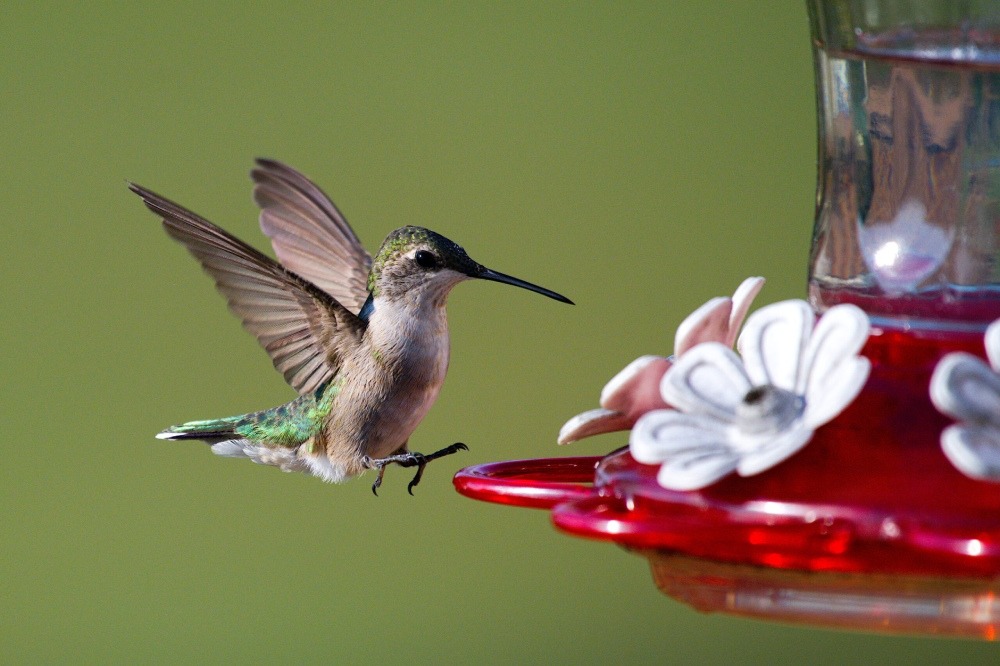
Maintaining clean feeders plays a crucial role in attracting and retaining hummingbirds for consistent feeding. Dirty feeders can lead to the growth of mold and bacteria, which can deter hummingbirds from visiting. Regular cleaning with hot water is essential in preventing the buildup of harmful pathogens, as soap residues can be harmful to the tiny birds. Spoiled nectar not only loses its nutritional value but can also pose a threat to the health of hummingbirds. To ensure a welcoming environment for these delicate creatures, it is recommended to change the nectar every 3-5 days. This practice not only keeps the food source fresh but also prevents fermentation, which can be harmful. By maintaining the cleanliness of feeders and providing fresh nectar regularly, you can create an inviting space that encourages hummingbirds to visit your feeders consistently.
Creating an Inviting Environment
To attract and retain hummingbirds at your feeders, creating an inviting environment involves providing a diverse habitat with natural food sources like flowers and insects. Here are some tips to enhance the appeal of your feeding area:
- Natural Food Sources: Plant a variety of flowers that are rich in nectar, such as bee balm, salvia, and trumpet vine, to supplement the diet of hummingbirds with natural sources of food.
- Proper Feeder Maintenance: Ensure your hummingbird feeders are always filled with fresh nectar and clean them regularly to prevent mold and bacteria growth, maintaining a healthy environment for the hummingbirds.
- Strategic Placement: Position your feeders away from potential predators like cats and in shaded areas to provide a safe and comfortable space for hummingbirds to feed without feeling threatened.
- Regular Monitoring: Keep an eye on the cleanliness of your feeders and the quality of the nectar, replacing it every few days, to create a consistent and appealing feeding spot for hummingbirds.
Supporting Hummingbirds at Feeders
Regular feeder maintenance, including cleaning and refilling with fresh nectar, plays a crucial role in supporting hummingbirds at feeders by ensuring a healthy and inviting environment for their visits. Spoiled nectar can deter hummingbirds from feeding, as they are known to avoid tainted solutions. Additionally, providing a protein-rich diet, like insects alongside nectar, can attract and support these delicate birds. Understanding hummingbird behavior, such as their inclination to hunt for insects or engage in territorial disputes, can further enhance feeder visits. Environmental factors, such as changes in the landscape, human activity levels, and predator presence, can also significantly impact hummingbird behavior at feeders.
| Hummingbird Feeder Maintenance | Benefits |
|---|---|
| Clean feeders regularly | Prevents mold and bacteria buildup |
| Refill with fresh nectar | Ensures a healthy food source for hummingbirds |
| Check for leaks or clogs | Ensures easy access to nectar |
| Position feeders strategically | Reduces competition and territorial disputes |
| Monitor feeder activity | Helps in understanding hummingbird behavior |
Attracting Hummingbirds Effectively
Attracting hummingbirds effectively involves strategically incorporating native plants and flowers with tubular shapes into your yard. By following these tips, you can create an inviting environment for these delightful creatures:
- Provide a Variety of Perches: Hummingbirds need places to rest between feedings. Including different perching spots around your yard can make it more attractive to them.
- Multiple Feeders: Hummingbirds can be territorial, so having several feeders placed in different locations can help accommodate their behavior and prevent conflicts.
- Fresh Sugar Water: Keeping your backyard feeders clean and filled with fresh sugar water is essential. This maintains the hummingbirds’ interest and ensures they are getting the nutrients they need.
- Regular Maintenance: Change the sugar water every 3-5 days to prevent mold and fermentation, which can be harmful to hummingbirds. Additionally, monitor for any predators in the area that may deter hummingbirds from visiting the feeders.
Ensuring Stable Food Source
Maintaining a consistent supply of fresh, uncontaminated nectar in hummingbird feeders is crucial for attracting and retaining these vibrant birds in your yard. Hummingbirds rely on nectar as their primary source of nutrition, and spoiled or contaminated nectar can deter them from visiting feeders. To ensure a stable food source for hummingbirds, it is essential to regularly change the nectar every 3-5 days, especially in hot weather when nectar can spoil more quickly. Contaminated nectar not only lacks nutritional value but can also breed mold and harmful bacteria, posing a threat to the health of hummingbirds.
Proper cleaning of feeders is equally important in preventing contamination and maintaining a reliable food source for hummingbirds. By providing a consistent, clean, and fresh nectar supply through well-maintained feeders, you can significantly increase the chances of attracting and keeping these delightful creatures in your outdoor space. Remember, a stable food source is key to ensuring the presence and well-being of hummingbirds in your yard.